StylopediaStylopedia

Ukiyo-e styles on Stylopedia

A visual encyclopedia of ukiyo-e styles – use as prompt inspiration for Midjourney, Gemini, or ChatGPT AI when making ukiyo-e images

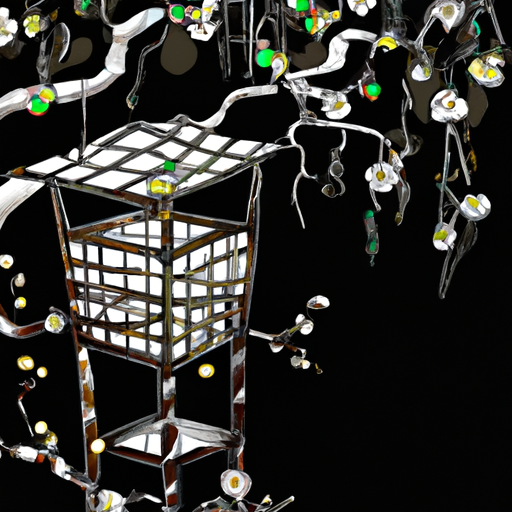
Example of visual style of Edo Period

Edo Period

The Edo Period (1603-1868) in Japan is characterized by a rich visual style influenced by traditional Japanese art forms and culture. It is famous for its woodblock prints, known as ukiyo-e, which depicted scenes from everyday life, landscapes, and kabuki theater. The style is known for its intricate detail, vibrant colors, and elegant compositions. The Edo Period also saw the emergence of distinct art forms such as lacquerware, porcelain, and textile designs. It was a period of relative peace and prosperity, which allowed for a flourishing of artistic expression.

View StyleExplore Style
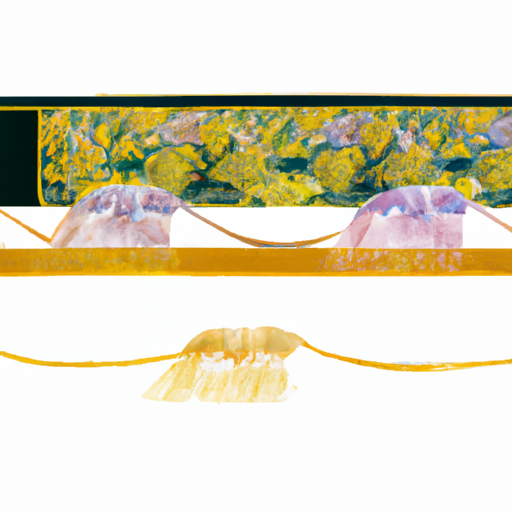
Example of visual style of Edo Period Art

Edo Period Art

Edo Period Art refers to the artistic style that emerged during the Edo period in Japan, which spanned from 1603 to 1868. This period is also known as the Tokugawa period, named after the ruling Tokugawa shogunate. Edo Period Art is famous for its vivid and detailed depictions of various subjects such as landscapes, nature, daily life, kabuki theater, and ukiyo-e (woodblock prints). These artworks often showcased a combination of meticulous craftsmanship, vibrant colors, and a keen observation of the natural world. Edo Period Art played a crucial role in shaping the cultural and aesthetic identity of Japan during this time.

View StyleExplore Style
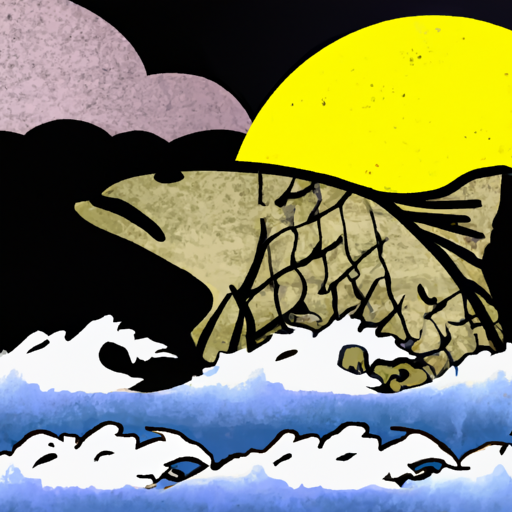
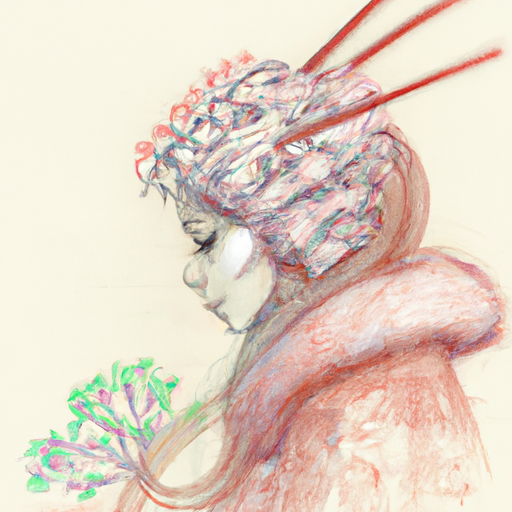
Example of visual style of Hiroshige

Hiroshige

Hiroshige is a Japanese ukiyo-e artist who became famous for his landscape prints during the Edo period (1603-1868). He is best known for his series 'Fifty-three Stations of the Tōkaidō' and 'One Hundred Famous Views of Edo'. Hiroshige's visual style captures the beauty of nature, seasons, and atmospheric conditions with his use of vibrant colors, delicate lines, and meticulous details. His prints often depict scenes of famous landmarks, serene landscapes, and everyday life. Through his unique compositions and skillful use of perspective, Hiroshige's works have had a profound influence on both Japanese and Western art.

View StyleExplore Style
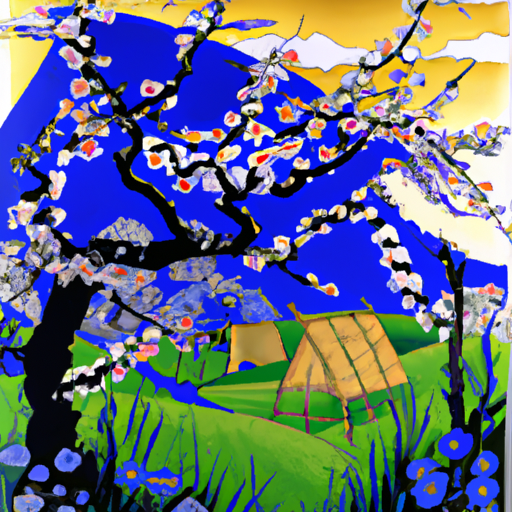
Example of visual style of Hokusai Katsushika

Hokusai Katsushika

Hokusai Katsushika is a Japanese ukiyo-e artist who lived from 1760 to 1849. His unique and influential art style became famous during the Edo period in Japan. Hokusai's most famous work is the series of woodblock prints titled 'Thirty-Six Views of Mount Fuji', which includes the iconic print 'The Great Wave off Kanagawa'. Hokusai's style is characterized by vivid colors, bold lines, and intricate details, capturing the beauty of nature and everyday life in Japan.

View StyleExplore Style

Example of visual style of Japanese Artists

Japanese Artists

Japanese Artists is a visual style that emerged from the art and culture of Japan. It encompasses a wide range of artistic traditions and techniques that have evolved over centuries. The style became famous internationally during the late 19th and early 20th centuries, during a period known as the Japonism movement. Japanese Artists are renowned for their exquisite attention to detail, vibrant colors, and symbolic imagery. Important years for this style include the Edo period (1603-1868) and the Meiji period (1868-1912). The influence of Japanese Artists can be seen in various art forms such as ukiyo-e prints, traditional paintings, anime, manga, and contemporary art.

View StyleExplore Style
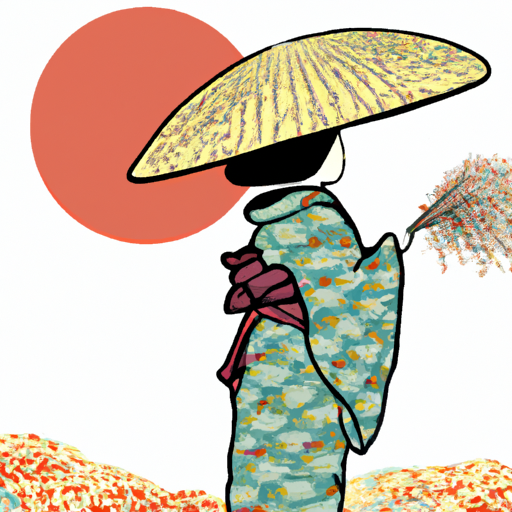
Example of visual style of Japanese Traditional Art

Japanese Traditional Art

Japanese Traditional Art encompasses a vast range of visual styles developed and practiced in Japan over centuries. Renowned for its intricacy, attention to detail, and unique aesthetics, this art style emerged in Japan during the Asuka and Nara periods (6th to 8th centuries) and remains influential to this day. It gained worldwide recognition during the Edo period (17th to 19th centuries) when Japanese woodblock prints, known as ukiyo-e, became popular. Japanese Traditional Art is characterized by its use of natural materials, delicate brushwork, subtle colors, and deep cultural symbolism.

View StyleExplore Style
Example of visual style of Japanese Woodblock Prints

Japanese Woodblock Prints

Japanese Woodblock Prints is a traditional Japanese art form that flourished during the Edo period (1603-1868). It is characterized by intricate woodblock printmaking techniques and vibrant colors. These prints became famous for their depictions of landscapes, scenes from kabuki theater, and portraits of famous actors and courtesans. The use of block carving and printing techniques, along with the tradition of ukiyo-e (pictures of the floating world), made Japanese Woodblock Prints a popular and influential art style.

View StyleExplore Style
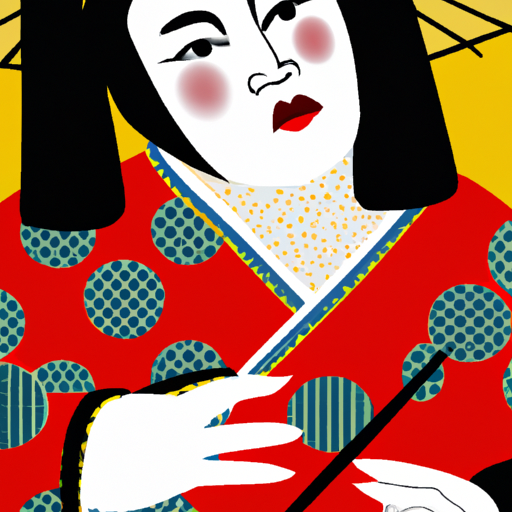
Example of visual style of Katsushika

Katsushika

Katsushika is a visual style that emerged in Edo (Tokyo), Japan during the Edo period (1603-1868). It is famous for its ukiyo-e woodblock prints, which became popular in the 17th century. These prints depicted scenes from everyday life, including landscapes, courtesans, actors, and historical events. Katsushika artists, such as Hokusai and Hiroshige, played a significant role in popularizing this style, especially their series of prints such as 'Thirty-Six Views of Mount Fuji' and 'One Hundred Famous Views of Edo.' The intricate detail, vibrant colors, and stylized compositions of Katsushika prints made them highly sought-after and influential in both Japan and Western art.

View StyleExplore Style
Example of visual style of Katsushika Hokusai

Katsushika Hokusai

Katsushika Hokusai was a Japanese ukiyo-e painter and printmaker. He is best known for his series of woodblock prints titled Thirty-Six Views of Mount Fuji, which includes the iconic print The Great Wave off Kanagawa. Hokusai's visual style was characterized by bold and dynamic compositions, use of vibrant colors, and a mastery of capturing the essence of nature. His works became famous during the late Edo period (early 1800s) and continue to inspire artists around the world today.

View StyleExplore Style
Example of visual style of Keisai Eisen

Keisai Eisen

Keisai Eisen was a Japanese ukiyo-e artist who worked during the late Edo period. He was active from the late 1820s to the 1840s and is known for his captivating depictions of courtesans, actors, and beautiful women. His prints often showcased the fashion, beauty, and lifestyle of Edo (present-day Tokyo) during that time. Eisen's works became famous for their intricate details, refined composition, and exquisite use of color, which captured the elegance and grace of his subjects.

View StyleExplore Style
Example of visual style of Kikumaro Torii

Kikumaro Torii

Kikumaro Torii was a Japanese ukiyo-e artist known for his dynamic and vibrant prints during the late Edo period (1804-1868). He rose to fame in the early 19th century, primarily creating prints depicting sumo wrestlers, famous kabuki actors, and historical scenes. Torii's prints were notable for their bold lines, bright colors, and exaggerated poses, which captured the energetic spirit of the subjects. His work played a significant role in popularizing ukiyo-e prints as a mass medium in Japan and gaining international recognition for the art form.

View StyleExplore Style
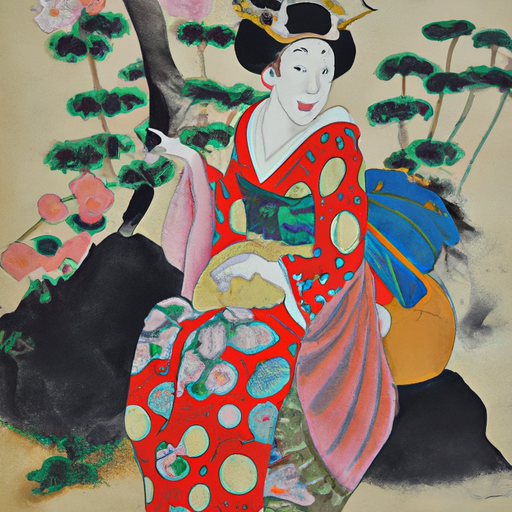
Example of visual style of Kitagawa Utamaro

Kitagawa Utamaro

Kitagawa Utamaro was a Japanese ukiyo-e woodblock print artist who was active during the late 18th century. He is known for his exquisite portrayal of beautiful women, especially geishas and courtesans. Utamaro's prints became famous for their delicate lines, intricate patterns, and vibrant colors, which captured the grace, charm, and eroticism of the subjects. He rose to prominence during the Edo period and his distinct style marked a shift towards more intimate and sensual portraits of women.

View StyleExplore Style
Example of visual style of Kiyomasu Ii Torii

Kiyomasu Ii Torii

Kiyomasu Ii Torii is a Japanese visual style that emerged in the early 18th century, during the Edo period. It is primarily associated with woodblock prints and ukiyo-e art. The style gained prominence during the reign of the Tokugawa shogunate, particularly in the city of Edo (modern-day Tokyo). Kiyomasu Ii Torii is known for its intricate details, vibrant colors, and imaginative depictions of daily life, landscapes, actors, and beautiful women. This style contributed significantly to the popularity of ukiyo-e art, which became highly sought after by both the urban populace and samurai class. Kiyomasu Ii Torii prints are prized for their artistic quality, cultural significance, and portrayal of the essence of Edo society.

View StyleExplore Style
Example of visual style of Kiyomasu Torii

Kiyomasu Torii

Kiyomasu Torii was a prominent ukiyo-e artist in the early 18th century Japan. His style is characterized by bold, vibrant colors, intricate patterns, and a focus on depicting famous Kabuki actors and scenes. Kiyomasu's works gained popularity during the Genroku era (1688-1704). He is known for his skill in capturing the essence and charisma of the actors, creating dynamic and dramatic compositions. Kiyomasu Torii's mastery of ukiyo-e printmaking techniques made him one of the most renowned artists of his time.

View StyleExplore Style
Example of visual style of Kunisada

Kunisada

Kunisada, also known as Utagawa Kunisada, was a prominent ukiyo-e artist in Japan during the 19th century. His style, which emerged in the late 1810s, is characterized by vibrant colors, intricate details, and a focus on depicting actors and beautiful women. Kunisada's prints became particularly famous for their realistic portrayal of Kabuki actors, capturing their facial expressions and elaborate costumes. His style remained popular until the mid-19th century, when the decline of the Edo period led to a decline in the demand for ukiyo-e prints.

View StyleExplore Style
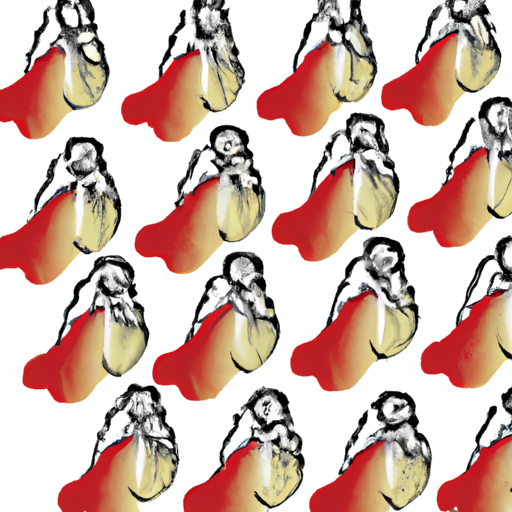
Example of visual style of Kunisada Utagawa

Kunisada Utagawa

Kunisada Utagawa was a prominent ukiyo-e artist in Japan during the Edo period (1781-1865). He gained popularity for his prints which depicted Kabuki actors and beautiful women. From 1800 to 1844, his works captured the essence of the Edo culture and became highly sought-after. Kunisada's style emphasized intricate details, vibrant colors, and dynamic compositions. He utilized various printing techniques to create intricate patterns on clothing and backgrounds. His ability to capture the facial expressions and emotions of the characters made his prints stand out. Kunisada's works were widely circulated and greatly influenced the ukiyo-e genre, making him one of the most celebrated ukiyo-e artists of all time.

View StyleExplore Style
Example of visual style of Maruyama Okyo

Maruyama Okyo

Maruyama Okyo was a prominent Japanese painter of the late 18th century. He is best known for founding the Maruyama-Shijo school, which made significant contributions to the development of nanga (literati painting) and ukiyo-e (woodblock prints) in Japan. Okyo's style combined traditional Japanese painting techniques with influences from Western realism, resulting in a unique and innovative approach to art. His works often depicted naturalistic subjects such as birds, animals, and landscapes, characterized by meticulous attention to detail and a sense of dynamism. Maruyama Okyo bridged the gap between traditional Japanese art and modern techniques, setting a new standard for Japanese painting.

View StyleExplore Style
Example of visual style of Masanobu Torii

Masanobu Torii

Masanobu Torii is a Japanese artist known for his vibrant and detailed woodblock prints. Active in the late 19th and early 20th century, Torii became famous for his depictions of daily life, actors, and landscapes in the ukiyo-e style. His prints often featured bold colors, intricate patterns, and dynamic compositions, reflecting the liveliness and energy of the Meiji era in Japan. Masanobu Torii's works made a significant impact on the development of ukiyo-e and continue to be admired for their technical skill and aesthetic beauty.

View StyleExplore Style
Example of visual style of Sharaku

Sharaku

Sharaku is a Japanese ukiyo-e artist who was active in the late 18th century, particularly from 1794 to 1795. He is famous for his distinct and innovative style of portrait prints, known as 'Sharaku style'. The style is characterized by its bold and expressive depictions of Kabuki actors, emphasizing their facial features, expressions, and dramatic poses. Sharaku's work stood out for its detailed and realistic portrayal of the actors, capturing their individuality and theatrical presence. Despite his short-lived career, Sharaku's unique style of portraiture remains highly influential and continues to captivate art enthusiasts worldwide.

View StyleExplore Style
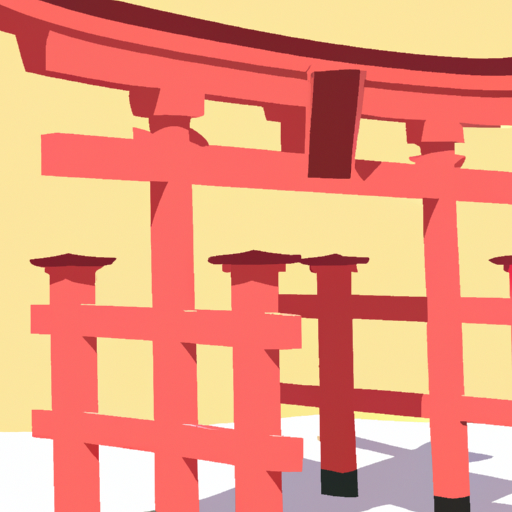
Example of visual style of Suzuki Harunobu

Suzuki Harunobu

Suzuki Harunobu was a Japanese artist known for his woodblock prints. Active during the Edo period (1760s-1770s), his work is considered a major contribution to the development of ukiyo-e, a genre of woodblock prints popular during this time. Harunobu's prints often depicted beautiful women in elegant settings, capturing the aesthetics of the flourishing urban culture in Japan. His innovative use of color and delicate lines set him apart from his contemporaries, and his prints quickly gained popularity for their refined beauty and intricate details.

View StyleExplore Style
Example of visual style of Tawaraya Tatsu

Tawaraya Tatsu

Tawaraya Tatsu is a Japanese visual style that originated in the Edo period during the late 17th century. Known for its vibrant and intricate designs, this style became famous for its depictions of fantastical creatures, landscapes, and nature. The signature feature of Tawaraya Tatsu is the combination of bold colors, detailed line work, and a sense of movement in the illustrations. This style gained recognition for its contribution to Ukiyo-e, a genre of woodblock prints and paintings. Tawaraya Tatsu's popularity peaked in the late 18th and early 19th century, and it continues to inspire contemporary artists today.

View StyleExplore Style
Example of visual style of Torii Kiyonaga

Torii Kiyonaga

Torii Kiyonaga was a Japanese ukiyo-e artist of the Torii school during the Edo period. Active from the late 18th century until his death in 1815, Kiyonaga's visual style focused on portraying the idealized beauty of women and capturing the daily lives of the urban bourgeoisie. His prints often depicted elegant and fashionable women engaged in various leisure activities such as strolling, attending festivals, or enjoying tea ceremonies. Kiyonaga's famous works include the series 'Five Modern Beauties' and 'Mirror of Women's Fashions'. His meticulous attention to detail and innovative use of color made him one of the leading ukiyo-e artists of his time.

View StyleExplore Style
Example of visual style of Tsukioka Yoshitoshi

Tsukioka Yoshitoshi

Tsukioka Yoshitoshi was a Japanese ukiyo-e artist who lived from 1839 to 1892. He is widely recognized as the last great master of the traditional ukiyo-e style and is known for his vivid and imaginative prints. Yoshitoshi's works became famous for their exaggerated and dramatic depictions, often exploring themes of violence, fantasy, and supernatural beings. He gained popularity during the late Edo period and continued his artistic contributions during the Meiji era.

View StyleExplore Style
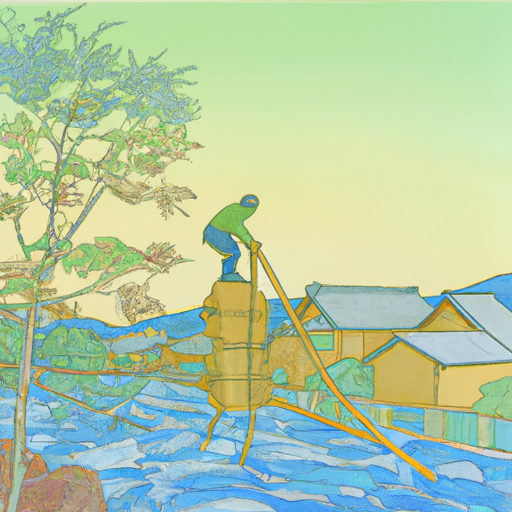
Example of visual style of Utamaro Kitagawa

Utamaro Kitagawa

Utamaro Kitagawa was a Japanese ukiyo-e artist who rose to prominence during the late 18th century. His visual style is characterized by intricate details, delicate lines, and a focus on portraying the beauty of women. Utamaro's fame is attributed to his skill in capturing the essence and grace of his subjects, particularly courtesans and geisha. His works, created mainly between 1775 and 1806, became widely popular and influential in the world of ukiyo-e prints.

View StyleExplore Style
Example of visual style of Woodblock Printing
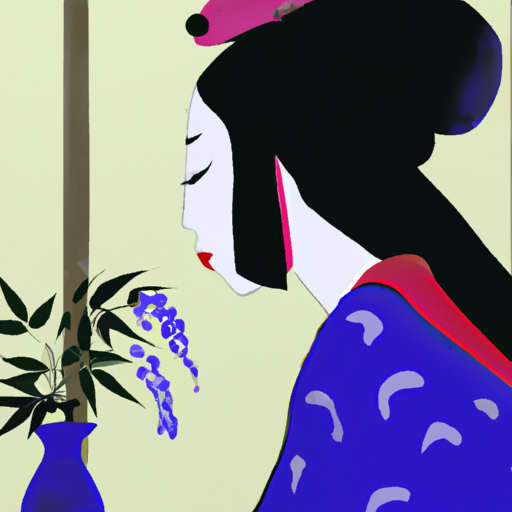
Woodblock Printing

Woodblock Printing is a traditional form of printing that originated in East Asia during the 8th century. This technique involves carving an image onto a wooden block, inking it, and then pressing it onto paper or fabric. It gained significant popularity and recognition during the Edo period in Japan (1603-1868), where it became widely used for producing ukiyo-e prints. Woodblock Printing is famous for its intricate details, vibrant colors, and expressive lines, which were achieved through the skillful carving and printing process. This technique revolutionized the art of printmaking and had a significant influence on Western artists such as Vincent van Gogh and Claude Monet.

View StyleExplore Style
Example of visual style of Yoshitaka Amano

Yoshitaka Amano

Yoshitaka Amano is a Japanese artist known for his distinctive visual style characterized by delicate and intricate linework, ethereal and dreamlike compositions, and a focus on fantastical and supernatural subjects. His style became famous in the 1980s through his work on the popular Final Fantasy video game series, where his illustrations and character designs brought a unique and imaginative aesthetic to the games. Amano's art combines elements of traditional Japanese ukiyo-e woodblock prints with a modern sensibility, and his detailed and intricate designs have captivated audiences around the world.

View StyleExplore Style
Home