
Barbara Ehrenreich
Barbara Ehrenreich is known for her sharp, incisive writing style that blends investigative journalism with social commentary. Her work often challenges conventional wisdom and delves into issues of class, economics, and feminism.
 Stylopedia
A visual encyclopedia of writers styles – use as prompt inspiration for ChatGPT, Gemini, or Claude when writing texts
Barbara Ehrenreich is known for her sharp, incisive writing style that blends investigative journalism with social commentary. Her work often challenges conventional wisdom and delves into issues of class, economics, and feminism.
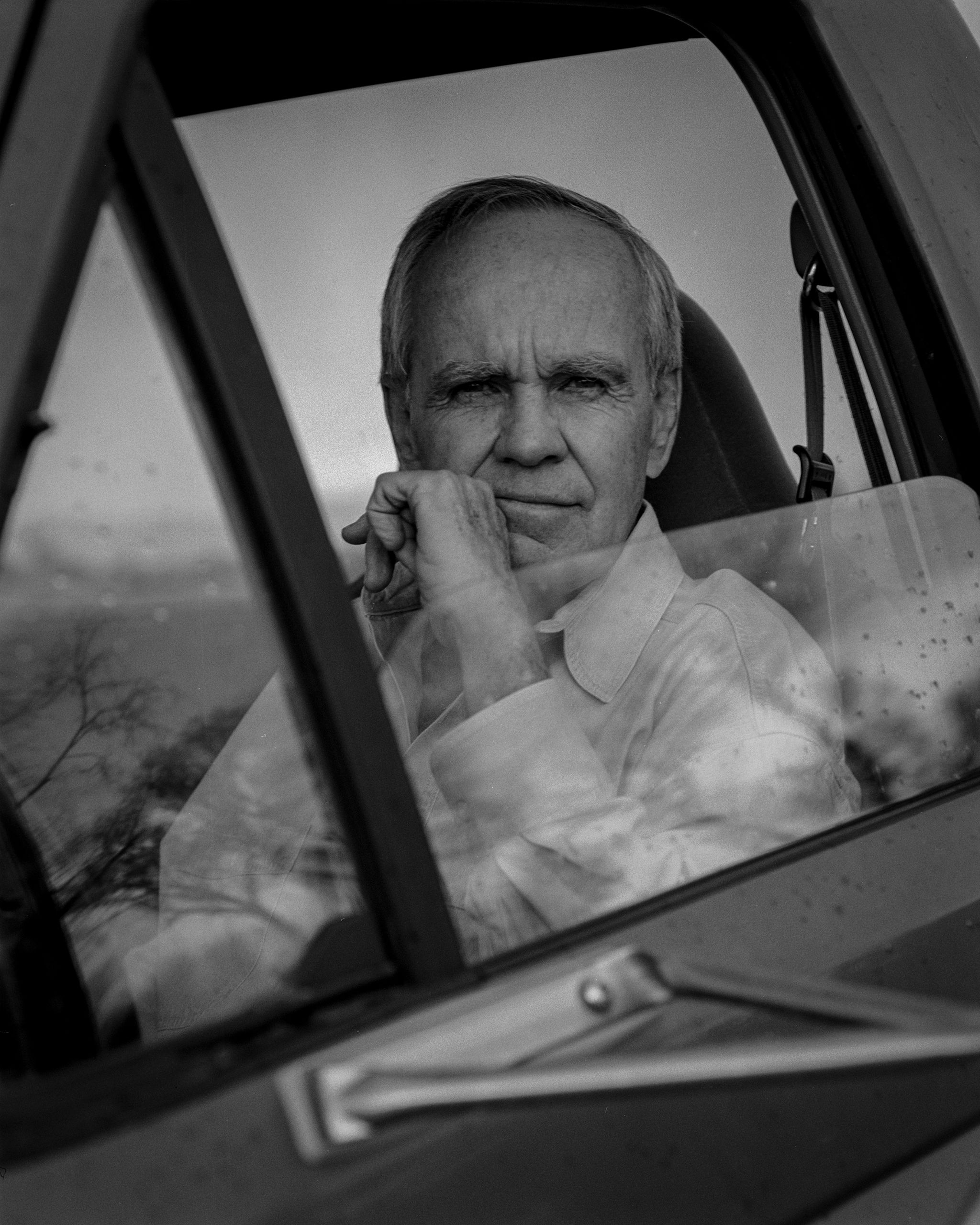
Cormac McCarthy's writing style is sparse, gritty, and devoid of quotation marks or traditional punctuation. His work gained fame for its bleak and haunting portrayal of the American Southwest, notably in novels like 'Blood Meridian' and 'The Road'.
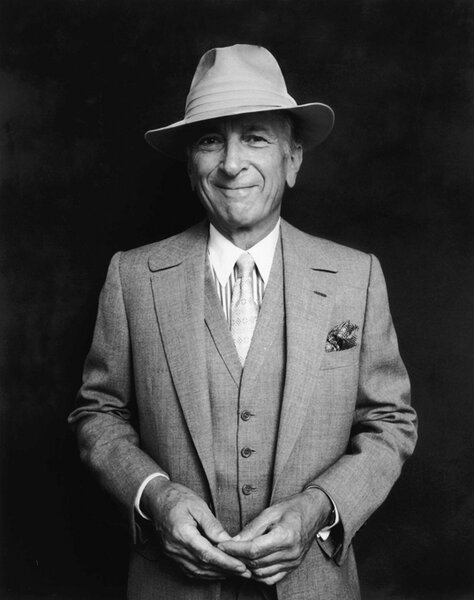
Gay Talese is known for his meticulous reporting, detailed observations, and immersive storytelling style. He gained fame in the 1960s and 1970s for his innovative approach to long-form journalism, often blurring the lines between fiction and nonfiction.
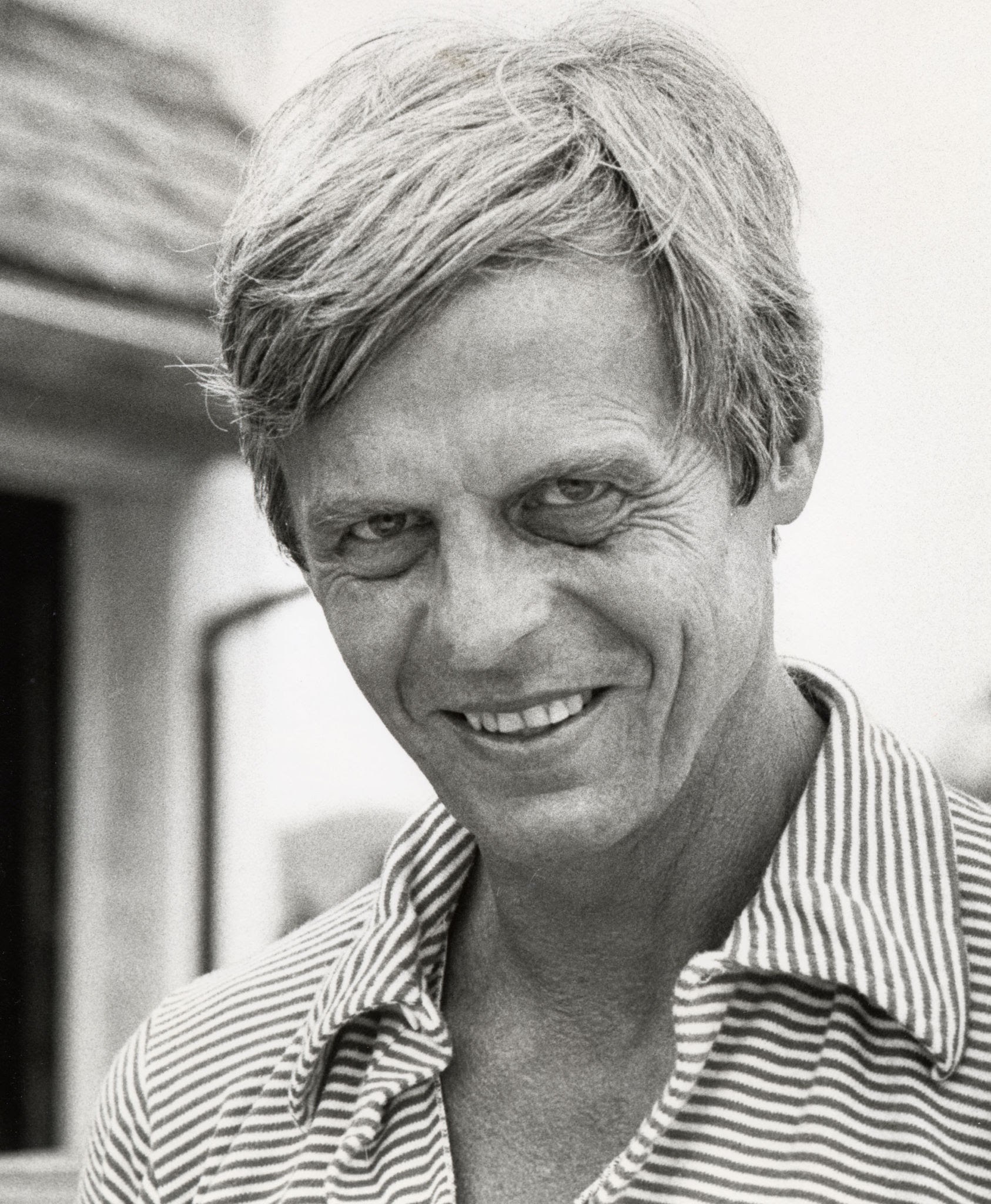
George Plimpton's writing style is characterized by participatory journalism, where he immerses himself in various experiences to write first-hand accounts. Famous for his work in the 1960s-80s, he is known for his unique approach to storytelling by putting himself in the center of the action.

Haruki Murakami's writing style is characterized by surreal elements, magical realism, and a focus on the mundane aspects of life. His works often blend genres such as mystery, fantasy, and literary fiction. Murakami rose to fame in the 1980s with novels like 'Norwegian Wood' and 'Kafka on the Shore'.
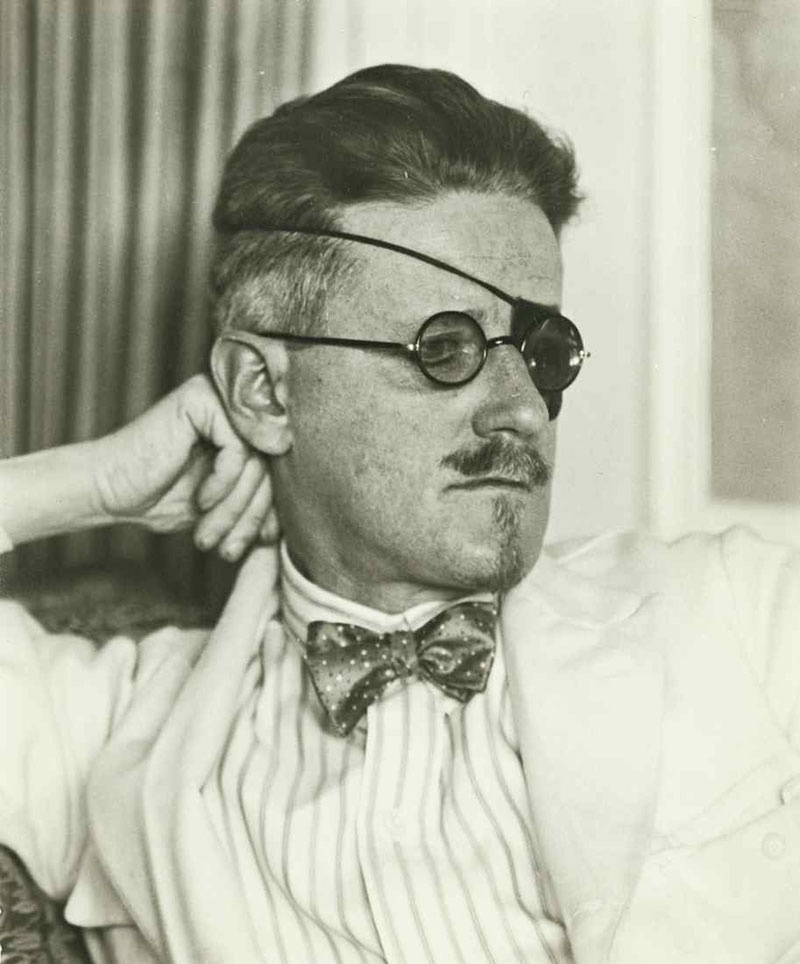
James Joyce's writing style, influential in the early 20th century, is known for its experimental use of language, stream of consciousness narration, and vivid symbolism
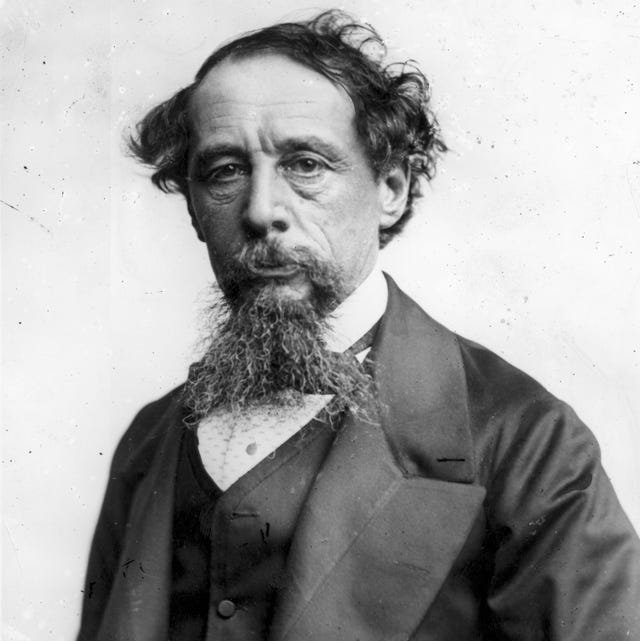
Charles Dickens' writing style is characterized by detailed descriptions, vivid characters, and social commentary. His works, popular in the 19th century, often depicted the struggles of the lower and working classes in Victorian England.

Chuck Palahniuk's writing style is characterized by raw, gritty and dark themes, nonlinear narratives, and unconventional storytelling techniques. His works gained fame starting in the 1990s for their shock value and satirical commentary on consumer culture.

David Foster Wallace's writing style is characterized by its complex, experimental structure, extensive footnotes, and deep exploration of modern society. Known for his work in the late 20th century, he became famous for his novel 'Infinite Jest'.

David Mitchell's writing style is characterized by its complex and interconnected narratives, blending genres like historical fiction, science fiction, and fantasy. He is known for his intricate plots, vivid world-building, and philosophical themes.

Raymond Chandler's writing style, popular in the mid-20th century, is known for its hardboiled detective fiction, gritty realism, and vivid descriptions of LA. His work revolutionized crime fiction.
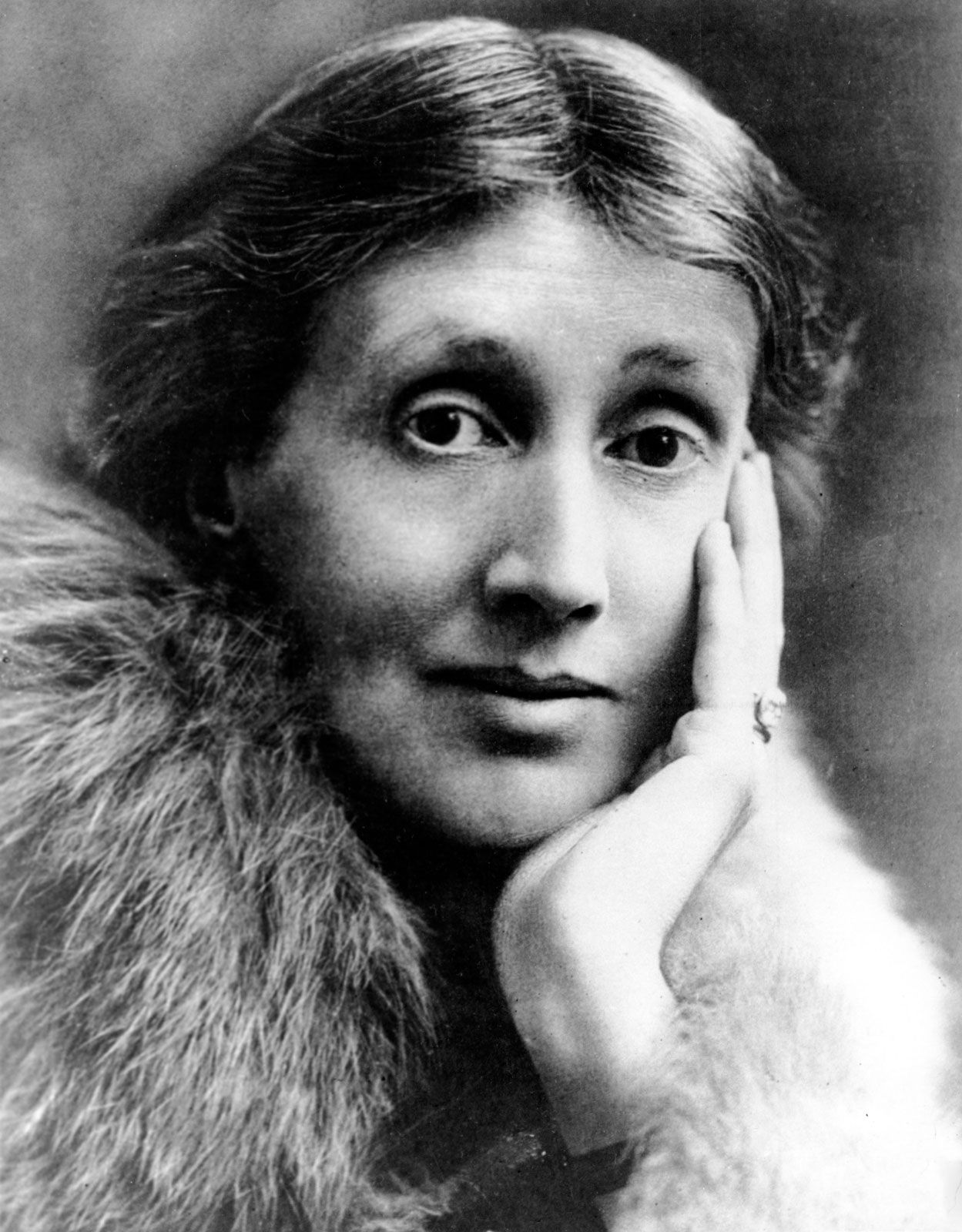
Virginia Woolf is known for her modernist writing style, characterized by stream of consciousness narrative, unconventional narrative structures, and exploration of inner thoughts and emotions. Her works, notably 'Mrs. Dalloway' (1925) and 'To the Lighthouse' (1927), are famous for their lyrical prose and introspective themes.

Ernest Hemingway's writing style, famous during the 1920s and 1930s, is characterized by simple, direct language, sparse use of adjectives, and concise sentences that convey deep emotions and complex themes.

Zadie Smith's writing style is characterized by its witty, satirical tone, intricate storytelling, and exploration of identity, race, and culture in contemporary society. She gained fame in the early 2000s for her novels that blend literary fiction with social commentary.

Gabriel Garcia Marquez's writing style is characterized by magical realism, where fantastical events are presented in a straightforward manner. Famous for his novel 'One Hundred Years of Solitude', Garcia Marquez's works often explore themes of love, power, and political turmoil in Latin America.

Gene Wolfe's writing style is characterized by intricate plots, unreliable narrators, and dense, poetic prose. His use of structure and language create a sense of ambiguity and mystery, captivating readers for decades.

H.L. Mencken's writing style, known for its wit, satire, and social commentary, peaked in the early to mid 20th century. His sharp criticism of American culture and politics made him famous.

The visual style associated with Hunter S Thompson is a blend of counterculture, psychedelic, and gonzo journalism. Known for its bold typography, vibrant colors, and chaotic layouts, this style emerged in the 1960s and became famous through Thompson's writing and artwork in publications like 'Fear and Loathing in Las Vegas'.
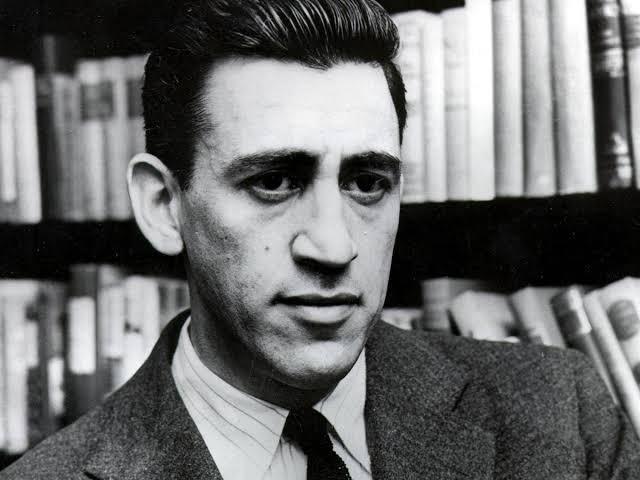
J.D. Salinger's writing style is known for its sparse and understated prose, focusing on themes of alienation, disillusionment, and the search for meaning. He rose to fame with the publication of The Catcher in the Rye in 1951.

Joan Didion's writing style is characterized by its spare, concise prose, introspective observations, and keen insights into American culture and society. Her work in the 1960s and 1970s, particularly in her essays and nonfiction, solidified her reputation as a literary icon.

Jon Ronson's writing style is characterized by his investigative journalism mixed with humor and empathy. He explores controversial and often bizarre subjects with a light-hearted approach, gaining popularity for his books like 'The Men Who Stare at Goats' and 'The Psychopath Test'.
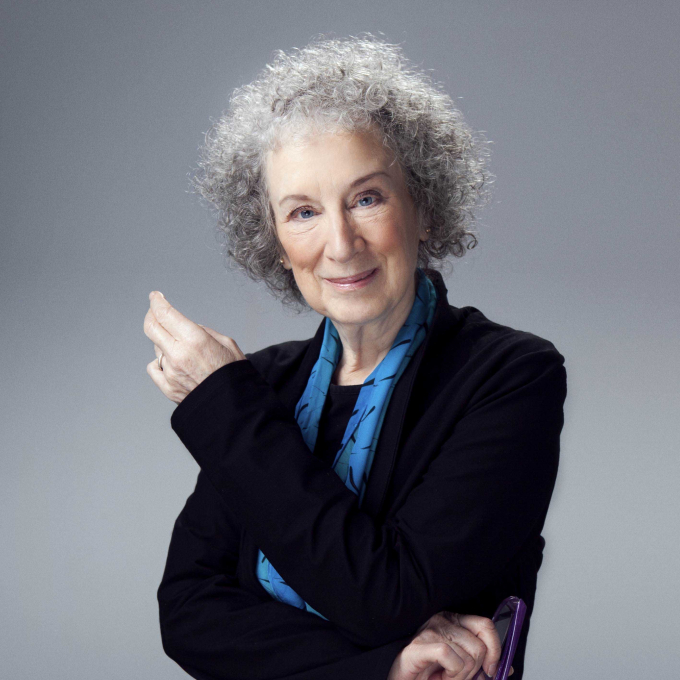
Margaret Atwood's writing style is characterized by vivid imagery, sharp wit, and a focus on dystopian themes. Her works, such as The Handmaid's Tale, gained fame for their exploration of gender, power, and society.

Norman Mailer's writing style is known for its bold, provocative, and often controversial themes, characterized by a blend of journalistic precision and literary flair. His work gained fame in the mid-20th century for challenging social norms and exploring the darker aspects of human nature.
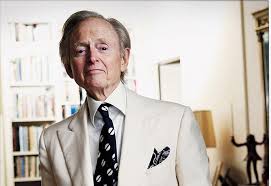
Tom Wolfe's writing style is characterized by his use of New Journalism techniques, vivid descriptions, and detailed research to bring his stories to life. His work in the 1960s and 1970s, such as "The Electric Kool-Aid Acid Test" and "The Right Stuff," brought him fame for his innovative approach to nonfiction writing.

Toni Morrison's writing style is characterized by powerful and lyrical prose, rich symbolism, and deep exploration of African American culture and history. Her works, including Beloved and Song of Solomon, have earned critical acclaim and numerous awards, making her one of the most influential voices in American literature.