StylopediaStylopedia

Illustration styles on Stylopedia

A visual encyclopedia of illustration styles – use as prompt inspiration for Midjourney, Gemini, or ChatGPT AI when making illustration images

Example of visual style of Album Cover Art

Album Cover Art

Album Cover Art is a visual style that refers to the design and artwork printed on the covers of music albums. It became particularly famous during the mid-20th century when vinyl records were the dominant format for music consumption. The style's importance and recognition peaked in the 1960s and 1970s when groundbreaking album cover designs served as crucial visual representations of the music. These covers often featured innovative graphic design, photography, illustration, and typography that perfectly complemented the mood, genre, or themes of the music. From the iconic artwork of The Beatles' 'Sgt. Pepper's Lonely Hearts Club Band' to Pink Floyd's 'The Dark Side of the Moon,' album cover art played a significant role in shaping the overall aesthetic and cultural significance of music albums.

View StyleExplore Style
Example of visual style of Aubrey Powell

Aubrey Powell

Aubrey Powell is a British graphic designer and one of the co-founders of the design company Hipgnosis. He is best known for his revolutionary album cover designs in the 1960s and 1970s, which helped define the visual identity of rock and roll. Powell's style was characterized by surreal and imaginative concepts, combining photography, illustration, and graphic design to create visually stunning and iconic album covers. Some of his most famous works include covers for Pink Floyd's 'The Dark Side of the Moon' and Led Zeppelin's 'Houses of the Holy'. Powell's innovative approach to album cover design revolutionized the industry and made him a pioneer in the field.

View StyleExplore Style
Example of visual style of Barry Blitt

Barry Blitt

Barry Blitt is a contemporary American illustrator and cartoonist known for his distinctive and satirical style. His career in the field of visual arts began in the 1990s, and he gained prominence through his work for The New Yorker magazine. Blitt became especially famous for his provocative and often controversial cover illustrations, which cleverly comment on various political and cultural issues of the time. His illustrations are characterized by their bold and expressive linework, exaggerated figures, and a touch of whimsy. Blitt's visual style combines humor, wit, and social commentary, making his work instantly recognizable and highly influential in the world of illustration.

View StyleExplore Style
Example of visual style of Charles Robinson

Charles Robinson

Charles Robinson was an English illustrator who was active during the late 19th century and early 20th century. His style is characterized by intricate and detailed illustrations featuring fantastical and whimsical elements, often with a dark undertone. Robinson's illustrations became famous for their use of bold colors, intricate line work, and elaborate compositions. His work was particularly popular during the Arts and Crafts movement and the golden age of illustration.

View StyleExplore Style
Example of visual style of Concept art

Concept art

Concept Art is a style of illustration that is used to convey an initial visual representation of ideas, designs, and concepts for various forms of media such as films, video games, and animations. It gained prominence in the 1970s and 1980s with the rise of science fiction and fantasy genres. Concept Art became famous for its ability to create imaginative and fantastical worlds, creatures, and characters. Artists in this style use a combination of traditional and digital techniques to create detailed and visually stunning artwork that sets the tone and direction for the final visual production.

View StyleExplore Style
Example of visual style of Digital Illustration

Digital Illustration

Digital Illustration is a style of creating artwork using digital tools and software. It gained popularity in the late 20th century with the advancement of computer technology and graphic design software. This style allowed artists to create illustrations with precise lines, vibrant colors, and intricate details. Digital Illustration is famous for its versatility and ability to blend traditional art techniques with digital elements. It has revolutionized the field of illustration by providing artists with new creative possibilities and faster production time.

View StyleExplore Style
Example of visual style of Doug Chiang

Doug Chiang

Doug Chiang is a visual artist known for his futuristic and imaginative style. His work spans a variety of mediums including concept design, illustration, and art direction. Chiang gained recognition in the late 1990s when he worked as the design director for Star Wars Episode I: The Phantom Menace, where he created iconic designs like the podracers and the Naboo Starfighter. His intricate and innovative designs have continued to shape the visual style of numerous films, including Rogue One: A Star Wars Story (2016) and The Force Awakens (2015). Chiang's combination of technical skill and imaginative vision has made him one of the most influential visual artists in the entertainment industry.

View StyleExplore Style
Example of visual style of Graphic Design

Graphic Design

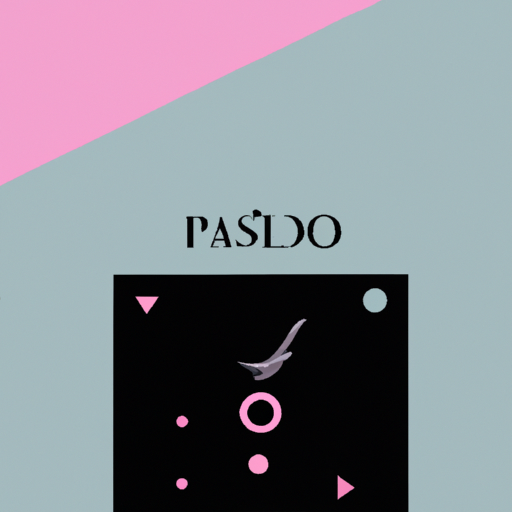
Graphic Design is a visual style that emerged in the late 19th century and continues to be influential today. It focuses on the creation and arrangement of visual elements to convey a message or evoke an emotion. Graphic design became famous in the mid-20th century with the rise of modernism, which emphasized simplicity, clarity, and functionality. The use of typography, photography, illustration, and color theory are essential components of this style, which is known for its precision, organization, and visual impact.

View StyleExplore Style
Example of visual style of Harry Clarke

Harry Clarke

Harry Clarke was an Irish stained-glass artist and illustrator, prominent in the early 20th century. His style was characterized by intricate and highly detailed designs, vibrant colors, and a combination of decorative elements and Symbolist influences. Clarke's work became famous for its dark and mysterious themes, often depicting supernatural and otherworldly subjects. His illustrations for books and his stained-glass windows gained him recognition and acclaim.

View StyleExplore Style
Example of visual style of Harumi Yamaguchi

Harumi Yamaguchi

Harumi Yamaguchi is a Japanese artist known for her distinctive style of illustration characterized by bold lines, vibrant colors, and exaggerated proportions. Her work gained popularity in the 1970s and 1980s, particularly through her illustrations for the Japanese magazine, Unijisushi. Yamaguchi's illustrations often portrayed glamorous women in powerful and seductive poses, capturing the essence of the 70s and 80s feminist movements. Her unique style, combining elements of pop art and fashion illustration, made her famous for her ability to capture the spirit of the era with a sense of boldness and sensuality.

View StyleExplore Style
Example of visual style of Hernandez Brothers

Hernandez Brothers

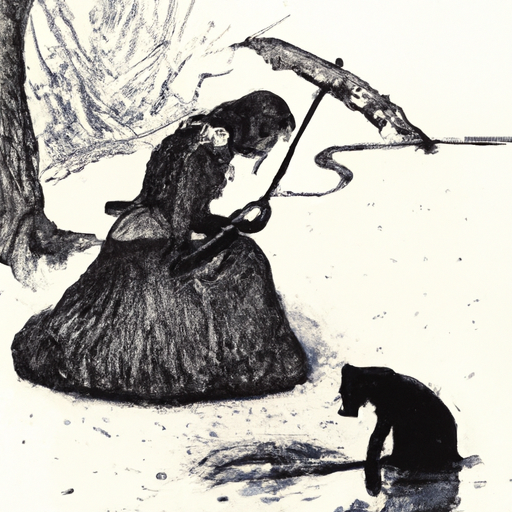
Hernandez Brothers is a visual style in comic book illustration that emerged in the 1980s and gained fame through their influential work in the alternative comics scene. Created by the three brothers, Gilbert, Jaime, and Mario, this style is characterized by its distinctive black and white linework, exaggerated figure proportions, and intricate cross-hatching. The Hernandez Brothers are known for their long-running series 'Love and Rockets', which blends elements of science fiction, slice-of-life storytelling, and magical realism. Their groundbreaking work has influenced a generation of comic book artists and has been celebrated for its strong female characters, intricate narratives, and exploration of diverse cultural themes.

View StyleExplore Style
Example of visual style of Ian McCaig

Ian McCaig

Ian McCaig is a renowned concept artist and illustrator known for his distinctive and imaginative visual style. His work is characterized by its intricate detail, evocative storytelling, and richly textured and dynamic imagery. McCaig gained significant recognition for his work on the Star Wars films, particularly for designing iconic characters such as Darth Maul and Queen Amidala. His style blends elements of fantasy, science fiction, and mythology, creating captivating and memorable visuals. McCaig's contributions to the world of concept art have made him a highly influential figure in the industry.

View StyleExplore Style
Example of visual style of Kate Greenaway

Kate Greenaway

Kate Greenaway was a popular British illustrator and writer in the late 19th century. Her style, known as the 'Kate Greenaway style', became famous for its delicate and nostalgic depiction of children in pastoral settings. Active primarily between 1870 and 1900, Greenaway's illustrations were characterized by their detailed line work, soft colors, and emphasis on children's fashion from the late 18th and early 19th centuries. Her illustrations often featured young girls in bonnets, pinafores, and sometimes boys in sailor suits, and became highly influential in the world of children's literature and fashion at the time.

View StyleExplore Style
Example of visual style of Kaws

Kaws

Kaws is a contemporary visual style that emerged in the early 2000s. It gained fame through the unique combination of pop culture references, bold colors, and the use of iconic characters. Kaws, also known as Brian Donnelly, rose to prominence as a street artist in the 1990s while working as a designer for streetwear brand Nigo's A Bathing Ape. His distinct style became recognized for its recognizable characters, such as his reimagined versions of iconic cartoons like Mickey Mouse and The Simpsons. Kaws's style is often characterized by clean lines, exaggerated features, and a sense of urban playfulness. His work seamlessly blends elements of street art, illustration, and sculpture.

View StyleExplore Style
Example of visual style of Magazine Design

Magazine Design

Magazine design refers to the visual style used in the design and layout of magazines, particularly during the mid-20th century. It became famous for its innovative use of typography, photography, and illustration to create visually appealing and engaging pages. This style rose to prominence during the 1940s to the 1970s, with notable magazines like Vogue, Life, and National Geographic utilizing bold layouts, vibrant colors, and dynamic visuals to captivate readers.

View StyleExplore Style
Example of visual style of Manga Art

Manga Art

Manga Art is a style of Japanese comic book and graphic novel illustration that originated in the early 20th century. It gained popularity in the 1950s and 1960s with the works of influential artists like Osamu Tezuka and Shotaro Ishinomori. Manga Art is characterized by its distinctive exaggerated features, emotive expressions, and dynamic action sequences. It is known for its expressive characters and intricate storylines, which often blend elements of fantasy, science fiction, and everyday life.

View StyleExplore Style

Example of visual style of Natalie Thompson

Natalie Thompson

Natalie Thompson is a contemporary visual style that emerged in the late 2000s. Known for its vibrant colors, bold compositions, and whimsical elements, it has gained popularity for its energetic and cheerful aesthetic. Natalie Thompson is famous for her use of mixed media techniques, combining illustration, collage, and digital manipulation. Her work often features dreamlike scenes and characters, blurring the boundaries between reality and fantasy. This style became particularly influential in the early 2010s, with Thompson's unique approach to storytelling and visual language captivating audiences worldwide.

View StyleExplore Style
Example of visual style of Paula Scher

Paula Scher

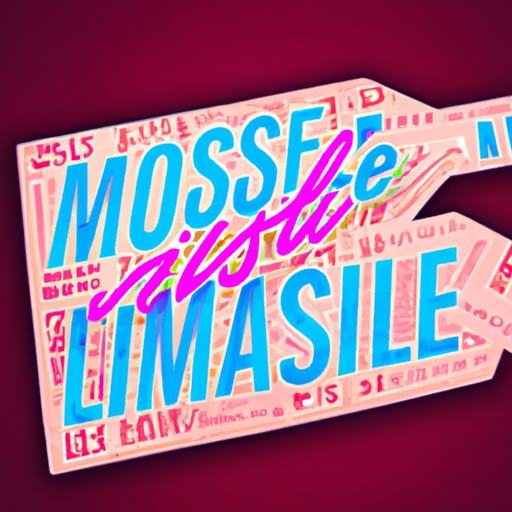
Paula Scher is an American graphic designer known for her bold and innovative approach to typography. Her visual style emerged in the 1980s and gained popularity in the following decades. Scher became famous for her use of expressive and distressed letterforms, combining typography with illustration and symbolism. Her designs often incorporate vibrant colors, geometric patterns, and playful compositions. Paula Scher's work is characterized by its exuberant energy and the ability to communicate complex ideas in a visually engaging manner.

View StyleExplore Style
Example of visual style of Rene Goscinny

Rene Goscinny

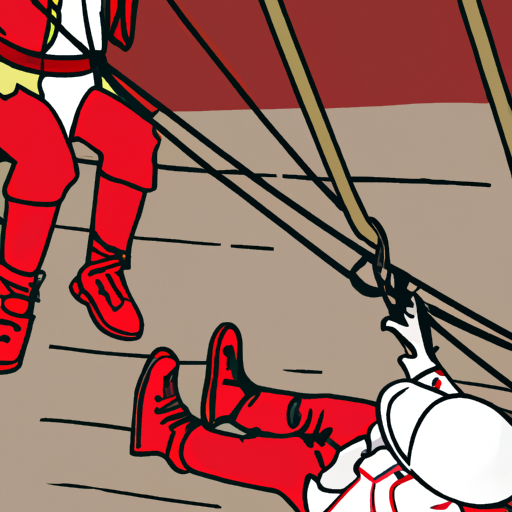
Rene Goscinny is a French comic book creator and writer who became famous for his collaboration with illustrator Albert Uderzo on the famous Asterix series. Goscinny's visual style is characterized by detailed and lively illustrations, vibrant colors, and exaggerated expressions. His style gained popularity in the 1960s and 1970s, and he is renowned for his humor, wit, and ability to create captivating storylines. Goscinny's work revolutionized the comic book industry and set new standards for storytelling in the medium.

View StyleExplore Style
Example of visual style of Sagmeister Walsh

Sagmeister Walsh

Sagmeister Walsh is a widely recognized visual style in the graphic design industry. It was founded by Stefan Sagmeister and Jessica Walsh in 2012. This style is characterized by its bold and experimental approach, combining typography, photography, and illustration in unique and visually striking ways. It gained fame for its innovative use of design elements and its ability to create thought-provoking and visually engaging experiences. The style gained significant recognition during the early 2000s for its groundbreaking work in album cover design, particularly for bands like The Rolling Stones and Lou Reed.

View StyleExplore Style
Example of visual style of The New Yorker Magazine

The New Yorker Magazine

The New Yorker Magazine is known for its distinctive and iconic visual style that has been consistently maintained since its inception in 1925. The magazine is famous for its sophisticated and witty approach to illustration and design, which helped establish it as a cultural touchstone. The illustrations and covers often feature a blend of humor, satire, and social commentary. The style encompasses a wide range of techniques and mediums, including pen and ink drawings, watercolors, and digital illustrations. The New Yorker has become synonymous with a certain level of quality, intellectualism, and wit in visual journalism and storytelling.

View StyleExplore Style
Example of visual style of Victorian Era Illustrators

Victorian Era Illustrators

Victorian Era Illustrators is a visual style that emerged during the Victorian era (1837-1901) in England. This style of illustration was known for its highly detailed and intricate artwork, often featuring romanticized depictions of everyday life, historical events, and literature. The Victorian era saw a resurgence in the popularity of illustrated books and magazines, and many talented illustrators gained fame during this time. The use of crosshatching, fine lines, and elaborate patterns became characteristic of this style, as well as the incorporation of symbolism and allegory into the artworks.

View StyleExplore Style
Example of visual style of Vienna Secession

Vienna Secession

Vienna Secession was an art movement that emerged in Vienna in 1897 and lasted until 1905. It was founded by a group of artists who rebelled against the traditional academic art of the time. The movement was famous for its emphasis on individual expression, decorative style, and the integration of different artistic disciplines. Vienna Secession is characterized by its use of geometric shapes, organic forms, and intricate ornamentation. It is known for its innovative graphic design, which utilized typography and illustration in a bold and decorative manner. The movement aimed to break free from the confines of academic art and embrace a more modern and individualistic approach.

View StyleExplore Style
Example of visual style of Willy Pogany

Willy Pogany

Willy Pogany was a Hungarian-American artist and illustrator known for his distinctive Art Nouveau and Art Deco style. Active in the late 19th and early 20th centuries, Pogany's work became famous for its intricate detail, graceful lines, and vibrant colors. His illustrations often featured fantastical and mythological themes, capturing the imagination of viewers. Pogany gained recognition for his illustrations in books such as 'The Rime of the Ancient Mariner' and 'The Rubaiyat of Omar Khayyam'. His style became influential and popular during the height of the Art Nouveau movement in the late 19th century and continued to be praised during the Art Deco era of the 1920s and 1930s.

View StyleExplore Style
Example of visual style of Yusuke Nakano

Yusuke Nakano

Yusuke Nakano is a Japanese video game artist known for his distinctive style characterized by whimsical and detailed hand-drawn illustrations. He rose to fame in the late 1990s and early 2000s through his work as the lead character designer for the popular Nintendo video game series 'The Legend of Zelda'. Nakano's art is often praised for its vibrant colors, intricate details, and ability to capture the essence of fantastical worlds. His style became an iconic part of the Zelda series, contributing to its immense popularity and cult following.

View StyleExplore Style
Home