StylopediaStylopedia

Graphic design styles on Stylopedia

A visual encyclopedia of graphic design styles – use as prompt inspiration for Midjourney, Gemini, or ChatGPT AI when making graphic design images

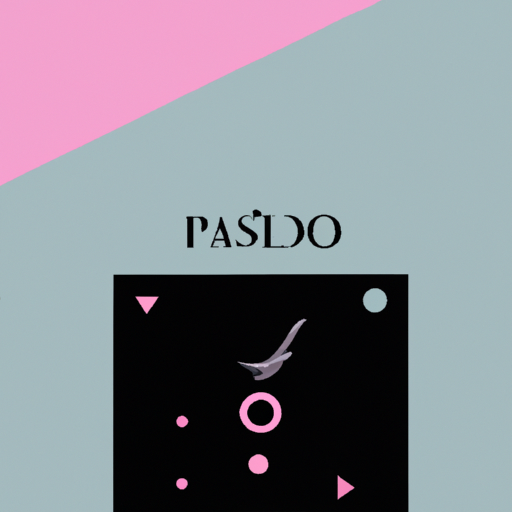
Example of visual style of Album Cover Art

Album Cover Art

Album Cover Art is a visual style that refers to the design and artwork printed on the covers of music albums. It became particularly famous during the mid-20th century when vinyl records were the dominant format for music consumption. The style's importance and recognition peaked in the 1960s and 1970s when groundbreaking album cover designs served as crucial visual representations of the music. These covers often featured innovative graphic design, photography, illustration, and typography that perfectly complemented the mood, genre, or themes of the music. From the iconic artwork of The Beatles' 'Sgt. Pepper's Lonely Hearts Club Band' to Pink Floyd's 'The Dark Side of the Moon,' album cover art played a significant role in shaping the overall aesthetic and cultural significance of music albums.

View StyleExplore Style
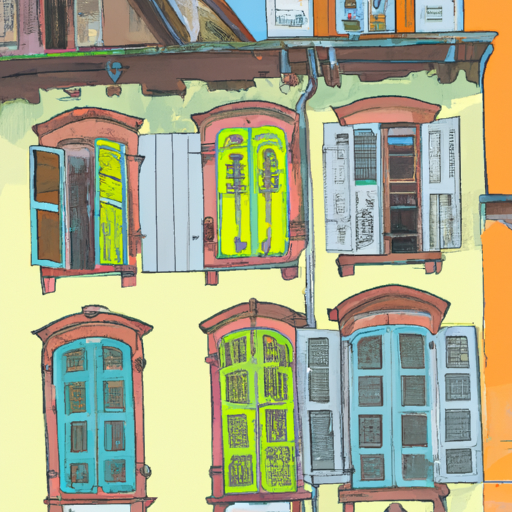
Example of visual style of Alexander Girard

Alexander Girard

Alexander Girard was a prominent designer in the mid-20th century known for his vibrant, playful and bold visual style. He rose to fame during the 1950s and 1960s with his influential work in the fields of graphic design, textile design, and furniture design. Girard's style was characterized by its use of bright colors, geometric patterns, and folk art-inspired motifs. His designs often exuded a sense of joy, optimism, and whimsy, which made them popular in various industries including interior design, architecture, and even corporate branding.

View StyleExplore Style
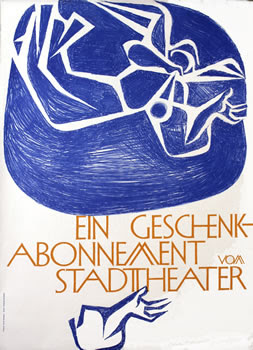
Example of visual style of Alexander Rodchenko

Alexander Rodchenko

Alexander Rodchenko was a Russian artist and designer who was a pioneer of Constructivism and Productivism. He was active in the early 20th century and his bold and innovative style made him one of the most influential figures in Russian avant-garde art. Rodchenko's work was characterized by geometric shapes, sharp angles, and dynamic compositions. He is best known for his experiments with photography, photomontage, and graphic design, which pushed the boundaries of traditional art forms and challenged the viewer's perception.

View StyleExplore Style
Example of visual style of Aubrey Powell

Aubrey Powell

Aubrey Powell is a British graphic designer and one of the co-founders of the design company Hipgnosis. He is best known for his revolutionary album cover designs in the 1960s and 1970s, which helped define the visual identity of rock and roll. Powell's style was characterized by surreal and imaginative concepts, combining photography, illustration, and graphic design to create visually stunning and iconic album covers. Some of his most famous works include covers for Pink Floyd's 'The Dark Side of the Moon' and Led Zeppelin's 'Houses of the Holy'. Powell's innovative approach to album cover design revolutionized the industry and made him a pioneer in the field.

View StyleExplore Style
Example of visual style of Designers

Designers

Designers is a visual style that emerged in the early 1920s and became prominent in the post-World War II era. It is characterized by its sleek and minimalist design, focusing on functionality and form. Designers prioritized simplicity, geometric shapes, and clean lines, reflecting the influence of modernist principles. This style gained fame through renowned designers such as Dieter Rams, Charles Eames, and Ettore Sottsass, who elevated the concept of design as a holistic approach encompassing various disciplines. Designers revolutionized industries such as furniture, product design, and graphic design, shaping the aesthetics of modernism and establishing it as a timeless design language.

View StyleExplore Style

Example of visual style of Digital Media

Digital Media

Digital Media is a visual style that emerged in the late 20th century and continues to develop in the 21st century. It is characterized by the use of digital technology and computer-generated imagery to create and manipulate visual content. This style became famous with the advent of personal computers and the internet, which allowed artists, designers, and creators to explore new possibilities in visual expression. It gained prominence in the 1990s and is now widely used in various fields, including graphic design, advertising, film, animation, and video games.

View StyleExplore Style
Example of visual style of El Lissitzky

El Lissitzky

El Lissitzky, also known as Lazar Markovich Lissitzky, was a Russian artist, designer, and architect. Active during the early 20th century, Lissitzky was a prominent figure in the Russian avant-garde movement. He is known for his unique and influential style that combined geometric forms, bold colors, and dynamic compositions. Lissitzky's work in various mediums such as painting, typography, photomontage, and architecture played a significant role in the development of modern art and design. His innovative use of abstract shapes, asymmetry, and the integration of typography into visual compositions brought a fresh and dynamic approach to visual communication and had a lasting impact on graphic design and the Constructivist movement.

View StyleExplore Style
Example of visual style of Esquire Covers

Esquire Covers

Esquire Covers is a visual style that emerged in the United States in the 20th century. It became famous for its bold and iconic magazine covers featured in Esquire magazine. This style gained prominence in the 1960s and 1970s, showcasing a blend of modern and artistic design elements. The covers often incorporated strong typography, striking photography, and innovative graphic design techniques. Esquire Covers revolutionized the concept of magazine covers, making them both visually captivating and thought-provoking. The covers challenged societal norms and pushed the boundaries of design and visual communication.

View StyleExplore Style

Example of visual style of George Sowden

George Sowden

George Sowden is an Italian-born designer who is known for his bold and colorful visual style. His style emerged in the 1980s and became famous for its vibrant and playful aesthetic. Sowden is well-known for his use of primary colors and geometric patterns, which give his designs a sense of energy and dynamism. His style is characterized by a combination of graphic design and product design, with a focus on creating functional yet visually striking objects. Sowden's work has influenced many contemporary designers and has been widely recognized and exhibited around the world.

View StyleExplore Style
Example of visual style of Herbert Bayer

Herbert Bayer

Herbert Bayer was a prominent figure in the Bauhaus movement, a significant art and design school in the 1920s and 1930s. Known for his innovative and versatile style, Bayer's work spanned various mediums including graphic design, typography, photography, and painting. His work during this time is characterized by geometric forms, bold colors, clean lines, and a strong focus on visual communication. Bayer's influential contributions to the field of graphic design and typography helped shape the modernist aesthetic. He became particularly famous for his use of sans-serif typefaces and his experimentation with photomontage techniques. His work laid the foundation for the development of a modern and functional design language in the 20th century.

View StyleExplore Style
Example of visual style of Hina Aoyama

Hina Aoyama

Hina Aoyama is a Japanese visual style that emerged in the late 1980s and gained popularity in the 1990s. It is characterized by vibrant colors, delicate and intricate patterns, and a fusion of traditional Japanese motifs with contemporary elements. Hina Aoyama became famous for its unique combination of traditional and modern aesthetics, creating a visually captivating and harmonious style. The style gained recognition for its influence on fashion, art, and graphic design in Japan.

View StyleExplore Style
Example of visual style of Jan Tschichold

Jan Tschichold

Jan Tschichold was a graphic designer, typographer, and book designer known for his influential work in the early 20th century. He played a key role in the development of modern typography, particularly in the field of book design. Tschichold's most famous work, 'Die neue Typographie', published in 1928, laid out his vision for a new and rational approach to typography. This book became a manifesto for the modernist movement in graphic design and typography. Tschichold's style emphasized clean lines, geometric forms, asymmetry, and functionalism.

View StyleExplore Style
Example of visual style of Lazar Markovich Lissitzky

Lazar Markovich Lissitzky

Lazar Markovich Lissitzky, also known as El Lissitzky, was a prominent Russian artist, designer, and architect. He is best known for his contributions to the development of Constructivism, an influential avant-garde artistic and architectural movement in the early 20th century. Lissitzky's work was characterized by a dynamic and geometric visual style, combining bold primary colors, sharp angles, and abstract forms. His graphic design and typography played a significant role in the promotion of the Russian Revolution and the dissemination of revolutionary ideas through posters, book illustrations, and exhibition designs.

View StyleExplore Style
Example of visual style of Marek Okon

Marek Okon

Marek Okon is a visual style known for its vibrant and contemporary aesthetic. This style emerged in the late 2000s and gained recognition for its unique use of color, geometric shapes, and digital manipulation. Marek Okon's work combines both photography and graphic design techniques to create visually striking and impactful imagery. He has become famous for his ability to create dynamic compositions that play with light, shadow, and perspective, resulting in visually captivating and memorable visuals.

View StyleExplore Style
Example of visual style of Max Miedinger

Max Miedinger

Max Miedinger is a Swiss typeface designer known for creating Helvetica, one of the most popular and influential typefaces in the world. Helvetica was developed in the late 1950s and gained widespread recognition in the 1960s as a modern sans-serif typeface. Its clean and versatile design, characterized by uniform stroke width and minimal decoration, made it a favorite choice for graphic designers and corporate identities. Miedinger's creation of Helvetica revolutionized the field of typography and set a new standard for sans-serif typefaces.

View StyleExplore Style
Example of visual style of Shepard Fairey

Shepard Fairey

Shepard Fairey is an American contemporary street artist and graphic designer, known for his iconic works such as the Obama 'Hope' poster. His style emerged in the early 2000s and became famous for its bold imagery, politically-charged messages, and the use of a limited color palette that consists mainly of red, white, and blue. Fairey's style is characterized by its combination of stenciling and collage techniques, utilizing layers of imagery, text, and patterns to create visually striking and thought-provoking artworks. His works often explore themes of power, propaganda, and the intersection of art and activism.

View StyleExplore Style
Home