StylopediaStylopedia

Fashion styles on Stylopedia

A visual encyclopedia of fashion styles – use as prompt inspiration for Midjourney, Gemini, or ChatGPT AI when making fashion images

Example of visual style of Ai Yazawa

Ai Yazawa

Ai Yazawa is a Japanese manga artist known for her unique and distinct visual style that emerged in the late 1990s. Her art style is characterized by its beautifully detailed and realistic characters, particularly the female protagonists. With expressive eyes, intricate fashion designs, and emotional storytelling, Yazawa's art captivates readers. Her most famous works, such as 'NANA' and 'Paradise Kiss', have gained immense popularity and critical acclaim, contributing to her recognition as one of the most influential manga artists of her generation.

View StyleExplore Style
Example of visual style of Art Deco

Art Deco

Art Deco is a visual style that emerged in the 1920s and 1930s, reaching its peak popularity in the 1920s. It is characterized by geometric shapes, clean lines, and bold colors. Art Deco became famous for its elegant and luxurious aesthetics, inspired by modern technology and the industrialization of the time. It combined traditional craftsmanship with the use of modern materials, such as chrome, glass, and lacquer. The style was often associated with wealth, glamour, and luxury, and it was seen in architecture, interior design, fashion, and visual arts.

View StyleExplore Style
Example of visual style of Bruce Weber

Bruce Weber

Bruce Weber is a fashion and portrait photographer known for his iconic black-and-white images. He gained popularity in the 1980s and 1990s for his distinct style which blended fashion, documentary, and personal photography. Weber's imagery captures a sense of intimacy, often featuring youthful subjects in natural and spontaneous settings. His use of black-and-white photography creates a timeless and nostalgic aesthetic that has become his signature. Weber's work has been widely exhibited and published in fashion magazines, making him one of the most influential photographers of his time.

View StyleExplore Style
Example of visual style of Eisen

Eisen

Eisen is a visual style that emerged during the 18th century in France. It is named after the French painter and engraver Charles Eisen. The style became famous for its delicate and ornate illustrations and engravings. Eisen's works often depicted scenes from literature, fashion, and everyday life. The style reached its peak popularity during the Rococo period, around the years 1730 to 1760. Eisen's intricate designs and attention to detail made him a prominent figure in the art world of that time.

View StyleExplore Style
Example of visual style of Erté

Erté

Erte, also known as Romain de Tirtoff, was a Russian-born French artist and designer. He was active primarily in the 1920s and 1930s and became well-known for his distinct Art Deco style. Erte's work was characterized by its elegance and glamour, drawing inspiration from a variety of sources including fashion, theater, and architecture. His intricate and stylized illustrations and designs were featured in fashion magazines, stage productions, and even Hollywood films, making him a prominent figure in the Art Deco movement.

View StyleExplore Style
Example of visual style of Esquire

Esquire

Esquire is a visual style that emerged in the early 20th century and became famous for its elegant and sophisticated design. It is closely associated with the renowned American men's magazine of the same name, which was first published in 1933. Esquire style is characterized by its use of bold typography, clean lines, and minimalist layouts. This style gained prominence during the mid-20th century when Esquire magazine played a significant role in defining the visual language of modern design and fashion. The iconic covers and spreads of Esquire have showcased the work of renowned photographers, illustrators, and artists, making it a highly influential and respected visual style in the publishing industry.

View StyleExplore Style
Example of visual style of Gothic Subculture

Gothic Subculture

Gothic Subculture emerged in the late 1970s and became famous in the 1980s. It is characterized by dark and dramatic fashion and aesthetics, often inspired by Gothic literature and horror films. The style is known for its emphasis on black clothing, extravagant makeup (such as pale skin and dark eye makeup), and accessories like chokers, lace, and leather. Gothic Subculture is admired for its romantic and melancholic atmosphere, expressed through a combination of music, fashion, and alternative lifestyle choices.

View StyleExplore Style
Example of visual style of Gucci

Gucci

Gucci is a luxury fashion brand known for its eclectic, bold, and extravagant aesthetic. Founded in Florence in 1921 by Guccio Gucci, the brand gained popularity in the 1960s for its iconic logo and high-quality craftsmanship. Gucci became famous for its innovative designs, incorporating elements such as vibrant colors, intricate patterns, and lavish embellishments. The brand's style is a fusion of traditional Italian luxury and contemporary boldness, creating a unique and distinctive look that has attracted a wide range of fashion enthusiasts and celebrities.

View StyleExplore Style
Example of visual style of Heian Culture

Heian Culture

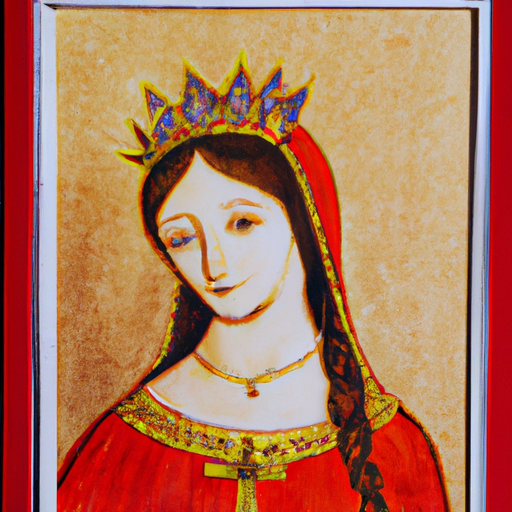
Heian Culture refers to the visual style that emerged during the Heian period in ancient Japan, which lasted from 794 to 1185. This period was marked by a flourishing artistic and cultural scene. The Heian Culture is famous for its exquisite and lavish displays of art, literature, and fashion. It was during this time that the Tale of Genji, considered the first novel in the world, was written by Lady Murasaki Shikibu. The elegant and refined aesthetic of the Heian Culture continues to inspire and captivate people to this day.

View StyleExplore Style
Example of visual style of Hina Aoyama

Hina Aoyama

Hina Aoyama is a Japanese visual style that emerged in the late 1980s and gained popularity in the 1990s. It is characterized by vibrant colors, delicate and intricate patterns, and a fusion of traditional Japanese motifs with contemporary elements. Hina Aoyama became famous for its unique combination of traditional and modern aesthetics, creating a visually captivating and harmonious style. The style gained recognition for its influence on fashion, art, and graphic design in Japan.

View StyleExplore Style
Example of visual style of Holly Golightly

Holly Golightly

Holly Golightly is a visual style that emerged during the 1960s and is associated with the iconic American actress Audrey Hepburn portraying her character in the film 'Breakfast at Tiffany's'. This style became famous for its combination of elegance, glamour, and playfulness. The character Holly Golightly embodied a sophisticated yet carefree fashion sense, characterized by little black dresses, oversized sunglasses, statement jewelry, and chic updos. This style epitomizes the optimism and cosmopolitan lifestyle of the era.

View StyleExplore Style
Example of visual style of Iconic Actresses

Iconic Actresses

Iconic Actresses is a visual style that showcases the glamorous and impactful on-screen presence of famous actresses. This style became prominent during the Golden Age of Hollywood in the 1930s to 1950s, with actresses like Audrey Hepburn, Marilyn Monroe, and Grace Kelly captivating audiences worldwide. The style is characterized by elegant and timeless fashion, sophisticated makeup and hairstyles, and a combination of confidence and vulnerability portrayed by these actresses.

View StyleExplore Style
Example of visual style of Irving Penn

Irving Penn

Irving Penn was an American photographer known for his minimalist and elegant style. He rose to prominence in the mid-20th century, particularly in the 1950s, through his work for Vogue magazine. Penn's style was characterized by his exceptional attention to detail and his ability to capture the essence of his subjects. He used simple backgrounds and experimented with lighting techniques, creating striking images that emphasized form, texture, and composition. His iconic photographs, such as his portraits of cultural figures and his fashion spreads, became famous for their timeless and artistic quality.

View StyleExplore Style
Example of visual style of Jean Lemon

Jean Lemon

Jean Lemon is a visual style that emerged in the 1960s and became famous for its vibrant and bold use of lemony yellow hues. It is characterized by its playful and optimistic aesthetic, often featuring geometric patterns, clean lines, and a sense of whimsy. This style gained popularity in the fashion industry and was associated with the mod culture of the time. Jean Lemon is still influential today, with its cheerful and refreshing palette inspiring designers and artists alike.

View StyleExplore Style
Example of visual style of Jean Paul Goude

Jean Paul Goude

Jean Paul Goude is a French graphic designer, illustrator, and photographer known for his unique and influential visual style. He rose to fame in the 1970s and 1980s for his creative collaborations with the fashion industry and his iconic images that merged art, fashion, and advertising. Goude's work often features vibrant colors, bold compositions, exaggerated proportions, and a playful sense of humor. His use of innovative techniques such as cut-outs, collage, and in-camera tricks revolutionized the field of photography. Goude's visual style is characterized by its dynamism, wit, and theatricality. His innovative approach to image-making made him a pioneer in the world of fashion and advertising, and his iconic works continue to inspire and influence contemporary visual culture.

View StyleExplore Style
Example of visual style of Josephine Baker

Josephine Baker

Josephine Baker is a visual style that emerged in the 1920s and 1930s. This style is associated with the iconic and revolutionary performer, Josephine Baker, who was known for her daring and glamorous stage presence. The visual style is characterized by flamboyant and exotic elements inspired by Baker's African roots and her experiences in the Parisian entertainment scene. Josephine Baker's provocative dance moves and costumes, such as her famous banana skirt and feathered headpieces, captivated audiences and influenced fashion and art of the time.

View StyleExplore Style
Example of visual style of Kate Greenaway

Kate Greenaway

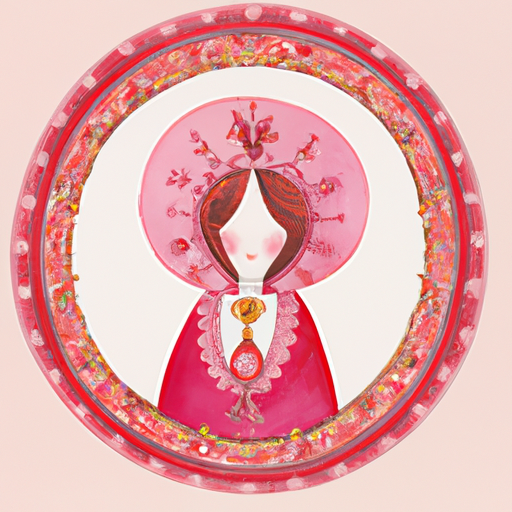
Kate Greenaway was a popular British illustrator and writer in the late 19th century. Her style, known as the 'Kate Greenaway style', became famous for its delicate and nostalgic depiction of children in pastoral settings. Active primarily between 1870 and 1900, Greenaway's illustrations were characterized by their detailed line work, soft colors, and emphasis on children's fashion from the late 18th and early 19th centuries. Her illustrations often featured young girls in bonnets, pinafores, and sometimes boys in sailor suits, and became highly influential in the world of children's literature and fashion at the time.

View StyleExplore Style
Example of visual style of Keisai Eisen

Keisai Eisen

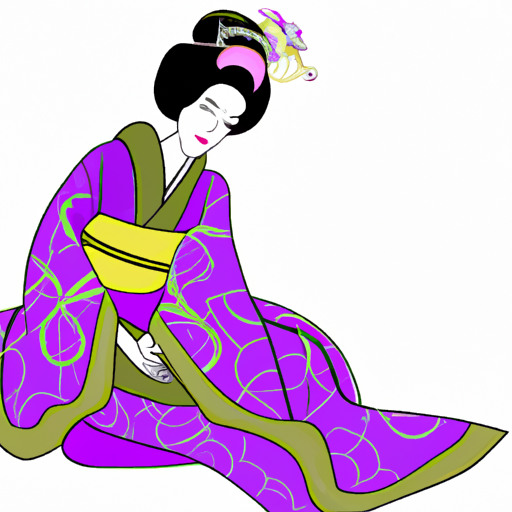
Keisai Eisen was a Japanese ukiyo-e artist who worked during the late Edo period. He was active from the late 1820s to the 1840s and is known for his captivating depictions of courtesans, actors, and beautiful women. His prints often showcased the fashion, beauty, and lifestyle of Edo (present-day Tokyo) during that time. Eisen's works became famous for their intricate details, refined composition, and exquisite use of color, which captured the elegance and grace of his subjects.

View StyleExplore Style
Example of visual style of Madame De Pompadour

Madame De Pompadour

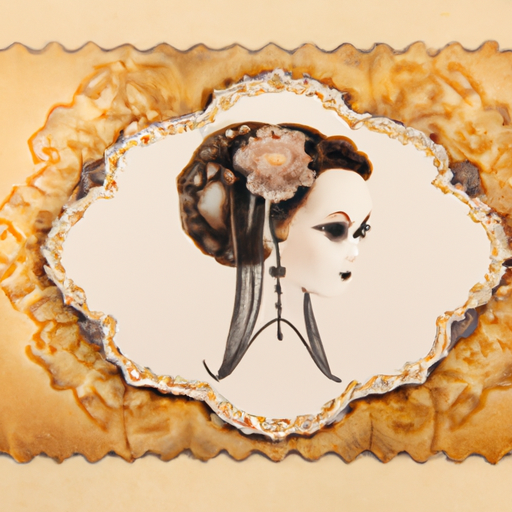
Madame De Pompadour is a visual style that emerged during the 18th century in France, particularly during the reign of Louis XV. It is named after Jeanne-Antoinette Poisson, Marquise de Pompadour, who was the official chief mistress of Louis XV and a prominent patroness of the arts. This style is characterized by its lavishness, opulence, and rococo aesthetics. It is famous for its intricate ornamentation, delicate pastel colors, and asymmetrical designs. The style reached its peak in the mid-18th century and was widely used in interior design, fashion, and decorative arts.

View StyleExplore Style
Example of visual style of Madonna

Madonna

Madonna is a visual style that emerged in the 1980s and remains influential today. It is named after the iconic pop singer Madonna, who revolutionized the music industry and popular culture with her daring fashion choices. The style is characterized by a bold and provocative aesthetic, combining elements of fashion, art, and performance. Madonna's unique blend of punk, pop, and glamour made her famous, and she became known for her revealing outfits, lace gloves, fishnet stockings, and layered accessories. She challenged societal norms and embraced sexuality, empowering women to express themselves freely. Madonna's visual style continues to inspire artists and designers across various creative fields.

View StyleExplore Style
Example of visual style of Mario Testino

Mario Testino

Mario Testino is a fashion and portrait photographer known for his glamorous and vibrant visual style. His work became famous in the 1990s and continues to be influential today. Testino's style is characterized by its high energy, bold colors, and playful compositions. He is known for his ability to capture the beauty and essence of his subjects, and his images exude a sense of luxury and glamour. Testino has worked with numerous fashion brands and celebrities, including Vogue, Burberry, and Madonna, cementing his status as one of the most iconic photographers of our time.

View StyleExplore Style
Home