StylopediaStylopedia

Kabuki actors styles on Stylopedia

A visual encyclopedia of kabuki actors styles – use as prompt inspiration for Midjourney, Gemini, or ChatGPT AI when making kabuki actors images

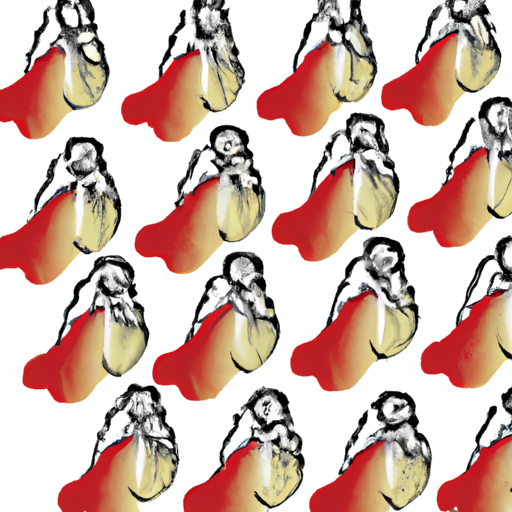
Example of visual style of Kikumaro Torii

Kikumaro Torii

Kikumaro Torii was a Japanese ukiyo-e artist known for his dynamic and vibrant prints during the late Edo period (1804-1868). He rose to fame in the early 19th century, primarily creating prints depicting sumo wrestlers, famous kabuki actors, and historical scenes. Torii's prints were notable for their bold lines, bright colors, and exaggerated poses, which captured the energetic spirit of the subjects. His work played a significant role in popularizing ukiyo-e prints as a mass medium in Japan and gaining international recognition for the art form.

View StyleExplore Style
Example of visual style of Kunisada Utagawa

Kunisada Utagawa

Kunisada Utagawa was a prominent ukiyo-e artist in Japan during the Edo period (1781-1865). He gained popularity for his prints which depicted Kabuki actors and beautiful women. From 1800 to 1844, his works captured the essence of the Edo culture and became highly sought-after. Kunisada's style emphasized intricate details, vibrant colors, and dynamic compositions. He utilized various printing techniques to create intricate patterns on clothing and backgrounds. His ability to capture the facial expressions and emotions of the characters made his prints stand out. Kunisada's works were widely circulated and greatly influenced the ukiyo-e genre, making him one of the most celebrated ukiyo-e artists of all time.

View StyleExplore Style
Example of visual style of Sharaku

Sharaku

Sharaku is a Japanese ukiyo-e artist who was active in the late 18th century, particularly from 1794 to 1795. He is famous for his distinct and innovative style of portrait prints, known as 'Sharaku style'. The style is characterized by its bold and expressive depictions of Kabuki actors, emphasizing their facial features, expressions, and dramatic poses. Sharaku's work stood out for its detailed and realistic portrayal of the actors, capturing their individuality and theatrical presence. Despite his short-lived career, Sharaku's unique style of portraiture remains highly influential and continues to captivate art enthusiasts worldwide.

View StyleExplore Style
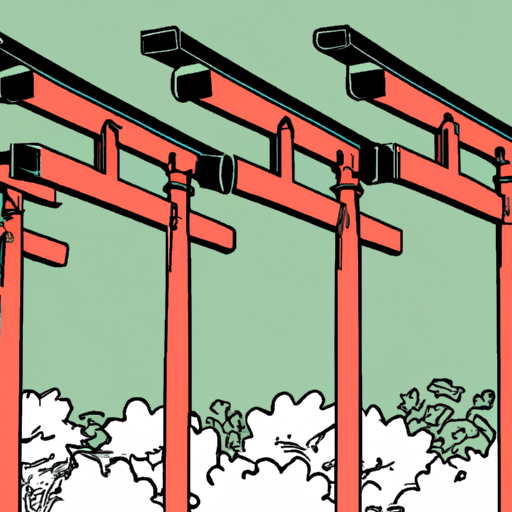
Example of visual style of Torii School

Torii School

Torii School is a traditional Japanese painting style that flourished during the Edo period (1603-1868). It is named after the Torii family, who were renowned artists of this style. Torii School became famous for its vibrant and dynamic illustrations, typically depicting kabuki actors, historical events, and folklore. The style gained popularity due to its ability to capture the dramatic expressions and movements of the subjects, making the paintings come alive.

View StyleExplore Style
Home