StylopediaStylopedia

Fusion styles on Stylopedia

A visual encyclopedia of fusion styles – use as prompt inspiration for Midjourney, Gemini, or ChatGPT AI when making fusion images

Example of visual style of African Contemporary Art

African Contemporary Art

African Contemporary Art is a dynamic and vibrant visual style that emerged in the late 20th century and continues to influence the art world today. It gained prominence in the 1990s and 2000s, as artists from various African countries began to explore new artistic expressions. This style is characterized by a fusion of traditional African art with contemporary techniques and ideas, resulting in unique and powerful artworks that reflect the diverse cultures and experiences of the African continent. African Contemporary Art has gained international recognition for its ability to challenge stereotypes, address sociopolitical issues, and celebrate African identity and heritage.

View StyleExplore Style

Example of visual style of Akbar

Akbar

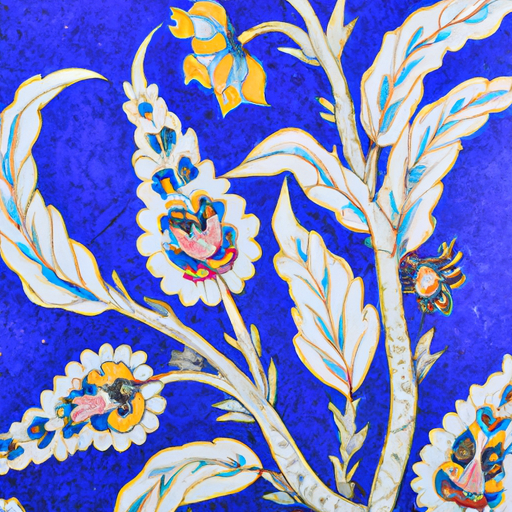
Akbar is a visual style that emerged in the late 16th century during the reign of Emperor Akbar in the Mughal Empire. It reached its peak between 1556 and 1605. This style is renowned for its intricate and detailed artwork, blending Persian, Indian, and Islamic influences. It is characterized by its vibrant colors, intricate patterns, and exquisite craftsmanship. The Akbar style became famous for its fusion of diverse artistic traditions and its emphasis on naturalistic details.

View StyleExplore Style
Example of visual style of Hina Aoyama

Hina Aoyama

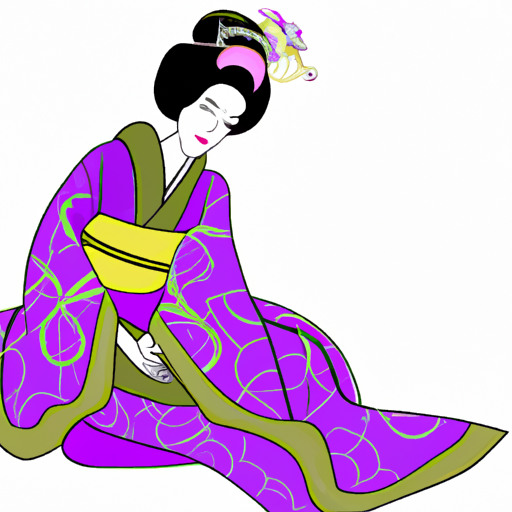
Hina Aoyama is a Japanese visual style that emerged in the late 1980s and gained popularity in the 1990s. It is characterized by vibrant colors, delicate and intricate patterns, and a fusion of traditional Japanese motifs with contemporary elements. Hina Aoyama became famous for its unique combination of traditional and modern aesthetics, creating a visually captivating and harmonious style. The style gained recognition for its influence on fashion, art, and graphic design in Japan.

View StyleExplore Style
Example of visual style of Historical Contemporary Fusion

Historical Contemporary Fusion

Historical Contemporary Fusion is a visually striking style that seamlessly blends elements of historical and contemporary design. It gained popularity in the late 20th century and continues to influence design today. The style combines classic design elements from various historical periods, such as Baroque, Rococo, Art Deco, and Mid-century Modern, with contemporary aesthetics and materials. This fusion creates a unique visual language that attracts attention and sparks intrigue.

View StyleExplore Style
Example of visual style of International Art Book And Movie Festival

International Art Book And Movie Festival

The International Art Book And Movie Festival is a visual style that emerged in the late 20th century and continues to this day. This style became famous for its unique combination of art, books, and movies, which are showcased in an international festival setting. It celebrates the intersection of various forms of visual media and encourages a multi-disciplinary approach to storytelling and artistic expression. The festival provides a platform for artists, writers, filmmakers, and designers to showcase their work and engage with a diverse global audience.

View StyleExplore Style
Example of visual style of Issey Miyake

Issey Miyake

Issey Miyake is a Japanese fashion designer known for his innovative and avant-garde approach to fashion. He rose to fame in the 1980s with his signature pleated garments, which revolutionized the fashion industry. Miyake's designs are characterized by their architectural silhouettes, clean lines, bold colors, and use of unconventional materials. His creations are often a fusion of traditional Japanese design principles and modern technology, resulting in garments that are both functional and artistic. Miyake's work has been influential in shaping the concept of 'techno-couture' and has inspired a generation of designers.

View StyleExplore Style

Example of visual style of John Galliano

John Galliano

John Galliano is a fashion designer known for his avant-garde and theatrical visual style. He rose to prominence in the 1980s and became famous for his extravagant and imaginative designs. Galliano's visual style combines historical references, bold colors, and intricate details, creating a unique and iconic aesthetic. He is famous for his work at Givenchy and later at Christian Dior, where he revitalized the fashion house with his innovative designs. Galliano's style is characterized by a fusion of different cultures, mixing elements from various time periods and creating visually stunning and dramatic collections.

View StyleExplore Style
Example of visual style of Lowbrow Art

Lowbrow Art

Lowbrow Art, also known as Pop Surrealism, emerged in the 1970s and gained popularity in the 1990s. It is characterized by its unconventional subject matters, often drawing inspiration from comic books, graffiti, underground music, and alternative subcultures. Lowbrow Art challenges mainstream art conventions and embraces a playful and irreverent aesthetic. This style became famous for its fusion of pop culture elements with fine art techniques, resulting in visually captivating and thought-provoking artworks that appeal to a wide audience.

View StyleExplore Style
Example of visual style of Modern Japanese Aesthetics

Modern Japanese Aesthetics

Modern Japanese Aesthetics is a visual style that emerged in Japan during the late 19th century and continues to influence contemporary design. It combines traditional Japanese design elements with modern and minimalist principles. This style became famous during the Meiji period (1868-1912) when Japan started embracing Western influences while preserving their cultural identity. It gained further recognition in the 20th century with the rise of influential Japanese designers like Kenzo Tange and Shiro Kuramata.

View StyleExplore Style
Home