StylopediaStylopedia

Wit styles on Stylopedia

A visual encyclopedia of wit styles – use as prompt inspiration for Midjourney, Gemini, or ChatGPT AI when making wit images

Example of visual style of Al Jaffee

Al Jaffee

Al Jaffee is known for his distinctive cartooning style that is characterized by sharp and exaggerated lines, intricate detail, and a humorous and satirical tone. His style became famous through his work in Mad Magazine, especially in the fold-ins and the iconic Mad Fold-In feature. The precision and wit in his drawings, along with his ability to cleverly twist images and ideas, made Al Jaffee highly recognized in the field of cartooning. He has been active in the industry since the 1950s.

View StyleExplore Style

Example of visual style of Barry Blitt

Barry Blitt

Barry Blitt is a contemporary American illustrator and cartoonist known for his distinctive and satirical style. His career in the field of visual arts began in the 1990s, and he gained prominence through his work for The New Yorker magazine. Blitt became especially famous for his provocative and often controversial cover illustrations, which cleverly comment on various political and cultural issues of the time. His illustrations are characterized by their bold and expressive linework, exaggerated figures, and a touch of whimsy. Blitt's visual style combines humor, wit, and social commentary, making his work instantly recognizable and highly influential in the world of illustration.

View StyleExplore Style
Example of visual style of Bugs Bunny

Bugs Bunny

The visual style of Bugs Bunny is characteristic of the golden age of American animation, particularly the Looney Tunes and Merrie Melodies series. It gained prominence during the 1940s and 1950s and is still popular today. Bugs Bunny is known for his mischievous, quick-witted, and sarcastic personality. The visual style of Bugs Bunny features vibrant and exaggerated animation, smooth and fluid movements, expressive facial features, and detailed backgrounds. The style is famous for its humor, wit, and satire, which made Bugs Bunny a beloved and iconic cartoon character worldwide.

View StyleExplore Style
Example of visual style of Calvin And Hobbes

Calvin And Hobbes

Calvin and Hobbes is a comic strip that was created by Bill Watterson in 1985 and ran until 1995. The visual style of Calvin and Hobbes is characterized by its simple and expressive art, with clean lines and minimalistic backgrounds. The comic strip gained fame for its imaginative and philosophical storytelling, as well as its ability to tackle complex themes in a relatable and humorous manner. Calvin and Hobbes became famous for its wit, charm, and the endearing relationship between the young, imaginative boy Calvin and his wise and mischievous stuffed tiger, Hobbes.

View StyleExplore Style
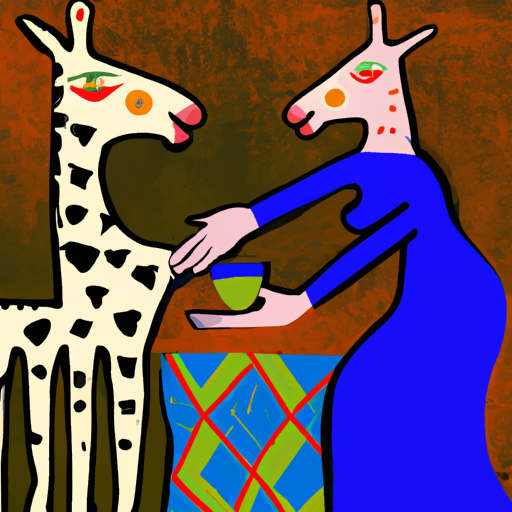
Example of visual style of Elsa Schiaparelli

Elsa Schiaparelli

Elsa Schiaparelli was an influential fashion designer known for her bold and avant-garde style. She rose to prominence in the 1920s-1930s, challenging the traditional notions of fashion with her innovative designs. Schiaparelli's use of vibrant colors, unconventional materials, and daring motifs made her famous. Her collaborations with artists like Salvador Dalí and Jean Cocteau contributed to her distinctive style. Schiaparelli's designs exuded a sense of surrealism and wit, pushing the boundaries of fashion and captivating the fashion world.

View StyleExplore Style
Example of visual style of Jean Paul Goude

Jean Paul Goude

Jean Paul Goude is a French graphic designer, illustrator, and photographer known for his unique and influential visual style. He rose to fame in the 1970s and 1980s for his creative collaborations with the fashion industry and his iconic images that merged art, fashion, and advertising. Goude's work often features vibrant colors, bold compositions, exaggerated proportions, and a playful sense of humor. His use of innovative techniques such as cut-outs, collage, and in-camera tricks revolutionized the field of photography. Goude's visual style is characterized by its dynamism, wit, and theatricality. His innovative approach to image-making made him a pioneer in the world of fashion and advertising, and his iconic works continue to inspire and influence contemporary visual culture.

View StyleExplore Style
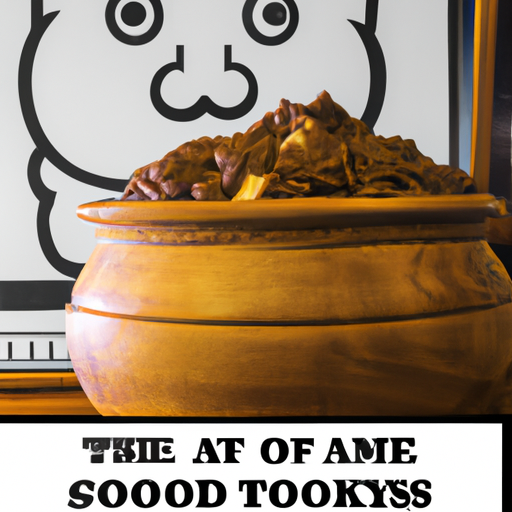
Example of visual style of Michael Palin

Michael Palin

Michael Palin is a British comedian, actor, and writer who became famous for his involvement in the comedy group Monty Python in the 1970s. He is known for his quirky and playful persona, often portraying a wide range of eccentric characters. Palin's visual style can be described as whimsical, charming, and versatile. He brings a sense of wit and humor to his performances, captivating audiences with his expressive facial expressions and animated gestures. His unique style became widely recognized through his work in Monty Python's Flying Circus, as well as his travel documentaries such as 'Around the World in 80 Days' and 'Pole to Pole'.

View StyleExplore Style
Example of visual style of Oscar Wilde

Oscar Wilde

The Oscar Wilde style is a visual style inspired by the aesthetics of the late 19th-century English writer and poet, Oscar Wilde. It gained popularity in the late Victorian era, particularly during the 1880s and 1890s. This style is known for its luxurious, opulent, and flamboyant characteristics, as well as its emphasis on decadence, ornamentation, and sophistication. It is reminiscent of the Victorian era and the Aesthetic Movement that Wilde was associated with in his time. The Oscar Wilde style became famous for its rich and colorful palettes, intricate patterns, lavish textiles, and ornate details, which were often combined with a sense of wit and theatricality.

View StyleExplore Style

Example of visual style of Rene Goscinny

Rene Goscinny

Rene Goscinny is a French comic book creator and writer who became famous for his collaboration with illustrator Albert Uderzo on the famous Asterix series. Goscinny's visual style is characterized by detailed and lively illustrations, vibrant colors, and exaggerated expressions. His style gained popularity in the 1960s and 1970s, and he is renowned for his humor, wit, and ability to create captivating storylines. Goscinny's work revolutionized the comic book industry and set new standards for storytelling in the medium.

View StyleExplore Style
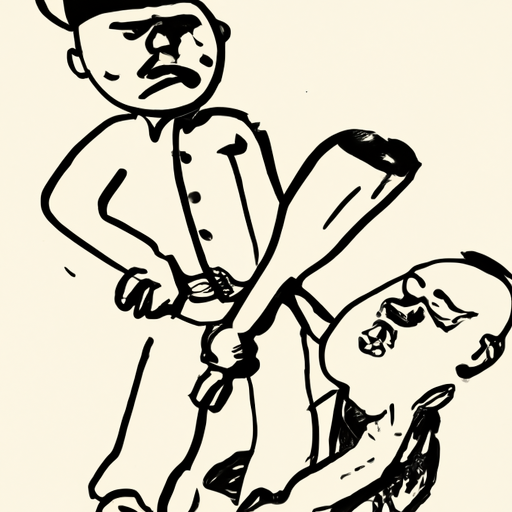
Example of visual style of Rene Magritte

Rene Magritte

Rene Magritte was a Belgian surrealist artist known for his thought-provoking and visually stunning works. He gained prominence in the 1920s and continued to produce influential art until his death in 1967. Magritte's style is characterized by his use of ordinary objects juxtaposed in unexpected and surreal ways. He often incorporated elements of mystery and ambiguity, challenging the viewer's perception of reality. His works are renowned for blending realism with fantastical elements, creating a dreamlike atmosphere. Magritte's art is famous for its playfulness, wit, and exploration of the subconscious mind.

View StyleExplore Style

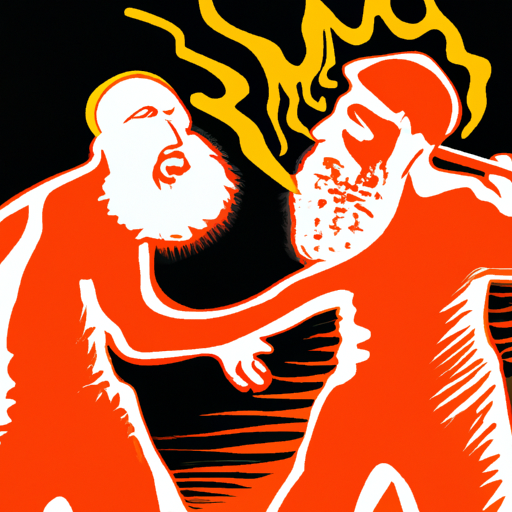
Example of visual style of Satirical Illustration

Satirical Illustration

Satirical Illustration is a style of artwork that uses irony, sarcasm, and humor to criticize and mock various aspects of society. It gained popularity during the 18th century with the rise of political and social satire. The style became particularly famous in the 19th and 20th centuries through the works of artists like Honoré Daumier, James Gillray, and Thomas Nast. Satirical Illustration often employs exaggerated or grotesque imagery and witty captions to convey its satirical messages.

View StyleExplore Style
Example of visual style of Stefan Sagmeister

Stefan Sagmeister

Stefan Sagmeister is a prominent graphic designer known for his innovative and experimental approach to visual communication. His style emerged in the 1990s and continues to evolve, combining elements of typography, illustration, and photography in unconventional ways. Sagmeister gained fame for his use of handcrafted typography, vibrant colors, and attention-grabbing compositions. He became particularly famous for his album cover designs for musicians, such as the Rolling Stones and David Byrne, which showcased his unique blend of graphic design and fine art. Sagmeister's work often challenges traditional design principles and embraces a sense of playfulness and wit, creating visually stunning and thought-provoking pieces.

View StyleExplore Style
Home