StylopediaStylopedia

Textures styles on Stylopedia

A visual encyclopedia of textures styles – use as prompt inspiration for Midjourney, Gemini, or ChatGPT AI when making textures images

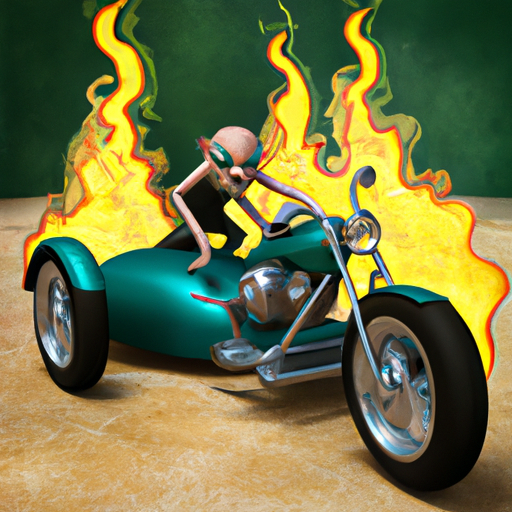
Example of visual style of Artists Using Pbr Techniques

Artists Using Pbr Techniques

Artists Using Pbr Techniques is a visual style that emerged in the late 20th century and gained popularity in the early 21st century. PBR, short for Physically Based Rendering, is a technique used in computer graphics to create realistic lighting and materials. Artists using PBR techniques employ advanced software and digital tools to create highly realistic and detailed rendered images. This style became famous for its ability to produce lifelike textures, lighting effects, and materials, resulting in visually stunning and immersive artworks.

View StyleExplore Style
Example of visual style of Diego Velazquez

Diego Velazquez

Diego Velazquez was a Spanish painter who was active during the Baroque period in the 17th century. He is known for his realistic and detailed paintings that captured the essence of his subjects. Velazquez is particularly famous for his portraits, including the iconic 'Las Meninas' painted in 1656. His style was characterized by his masterful use of light and shadow, the ability to create depth and perspective, and his attention to detail in rendering textures and fabrics. Velazquez's works were highly praised for their naturalism and influenced generations of artists after him.

View StyleExplore Style
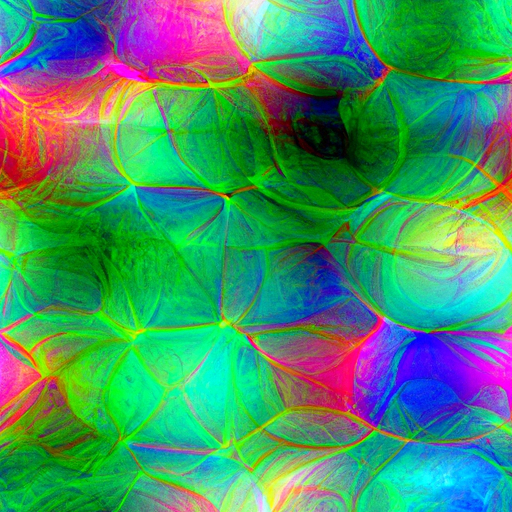
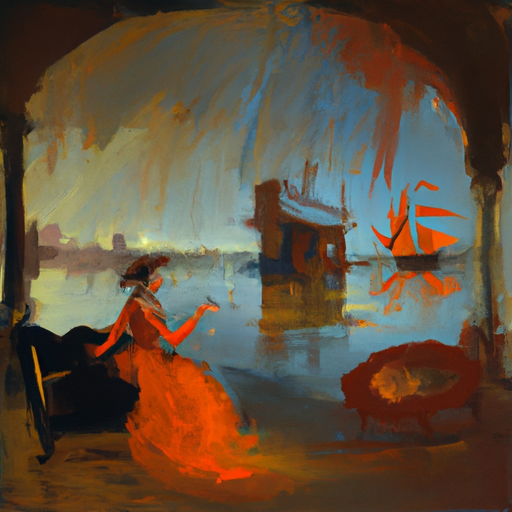
Example of visual style of Jean Leon Gerome

Jean Leon Gerome

The visual style of Jean Leon Gerome, a French painter and sculptor active in the 19th century, is characterized by highly detailed and academic realism. Known for his historical and orientalist subjects, his works gained popularity in the mid-1800s due to their technical precision and exotic themes. Gerome's paintings often depict scenes from ancient civilizations and the Middle East, capturing intricate architectural details and luxurious settings. His meticulous attention to lighting and textures, along with a focus on narrative storytelling, helped establish his reputation as a renowned artist.

View StyleExplore Style

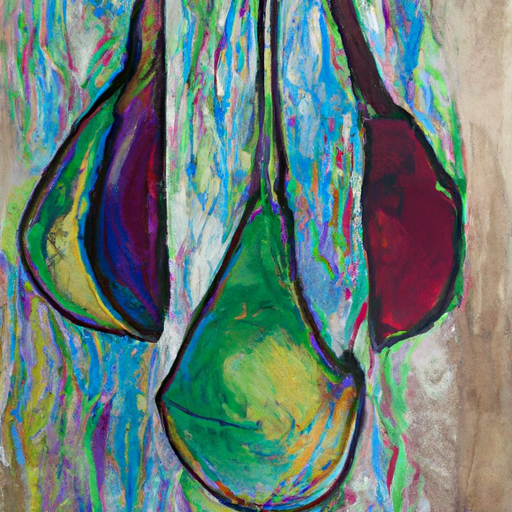
Example of visual style of Julian Schnabel

Julian Schnabel

Julian Schnabel is a visual style that emerged in the late 1970s and gained prominence in the 1980s. Schnabel is a contemporary American artist known for his expressive and eclectic artworks. His visual style is characterized by bold and vibrant colors, gestural brushwork, and a combination of various materials such as broken plates, mirrors, and other found objects. Schnabel's style is marked by a sense of raw energy and emotional intensity, often creating large-scale paintings with rich textures and layers. He became famous for his 'plate paintings,' where he utilized shards of broken ceramic plates to create intricately textured surfaces. Schnabel's style challenges traditional notions of representation and explores the boundaries between abstraction and figuration.

View StyleExplore Style
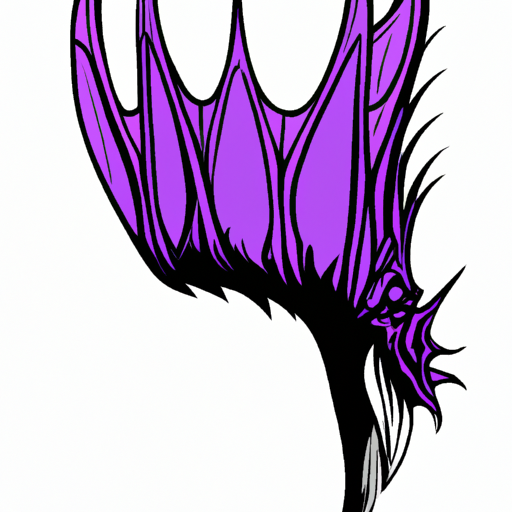
Example of visual style of Maximalism

Maximalism

Maximalism is a vibrant and eclectic visual style that emerged in the late 20th century, with its popularity peaking in the 1980s and 1990s. It is known for its bold, chaotic, and ornate aesthetics characterized by excessive use of colors, patterns, textures, and decorative elements. Maximalism rejects the minimalist approach and instead emphasizes abundance, eccentricity, and individuality. This style became famous for its rejection of restraint and its celebration of excess and complexity in design.

View StyleExplore Style
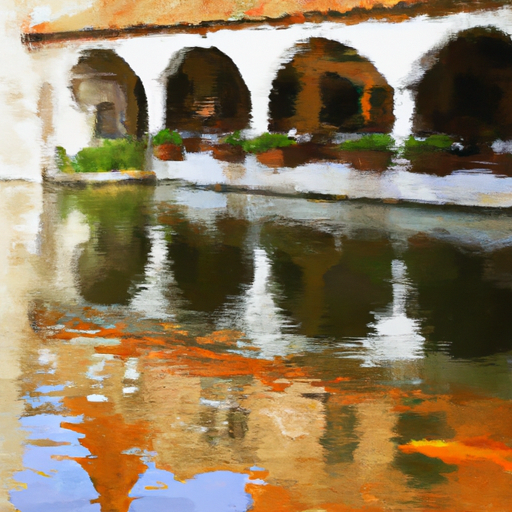
Example of visual style of Netherlandish Painting

Netherlandish Painting

Netherlandish Painting, also known as Dutch painting, refers to the painting style that emerged in the Netherlands during the 15th and 16th centuries. This style became famous for its attention to detail, realistic portrayal of subjects, and its use of light and shadow. Netherlandish painters were renowned for their meticulous technique and the intricate rendering of textures and landscapes. The works from this period often featured religious themes, as well as genre scenes, still lifes, and portraiture.

View StyleExplore Style
Example of visual style of Pierre Soulages

Pierre Soulages

Pierre Soulages is a French artist known for his abstract, black and monochromatic paintings. His style, developed in the late 1940s, is characterized by the use of thick layers of black paint on canvas, which he often scratches and scrapes to create varying textures and depths. This technique, called 'outrenoir' (beyond black), results in artworks that reflect and absorb light, creating a sense of luminosity and mystery. Soulages' works gained international fame in the 1950s, and he is considered one of the most prominent figures in contemporary art.

View StyleExplore Style
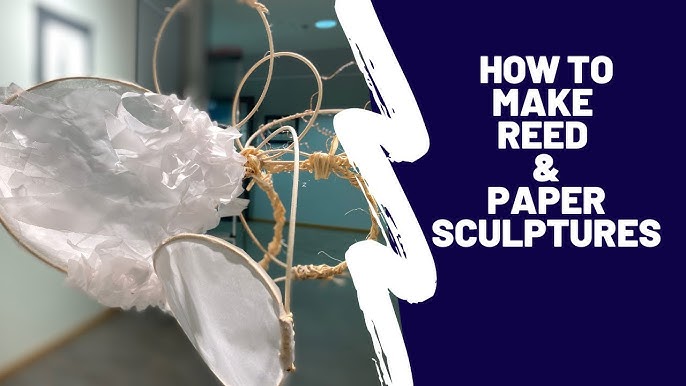
Example of visual style of The Durutti Column

The Durutti Column

The Durutti Column is a visual style that emerged in the late 1970s and gained popularity in the 1980s. Known for its eclectic mix of abstract imagery, collage-like compositions, and unique use of textures, this style encompasses both graphic design and album cover artwork. Its founder, Vini Reilly, was the driving force behind this visual style, which became synonymous with Factory Records. The combination of hand-drawn elements, photography, and minimalist typography set The Durutti Column apart and made it famous among post-punk and new wave music enthusiasts.

View StyleExplore Style
Home