StylopediaStylopedia

Symmetry styles on Stylopedia

A visual encyclopedia of symmetry styles – use as prompt inspiration for Midjourney, Gemini, or ChatGPT AI when making symmetry images

Example of visual style of Andre Le Notre

Andre Le Notre

Andre Le Notre was a French landscape architect. He was born in 1613 and worked predominantly in the 17th century. Le Notre is best known for his garden designs, particularly the extensive formal gardens of the French Baroque style. His designs emphasized symmetry, geometric patterns, and the integration of architecture and landscape. Le Notre's work was characterized by his use of grand terraces, ornamental parterres, fountains, and reflecting pools. His famous works include the gardens of Versailles and Vaux-le-Vicomte. Le Notre's style became synonymous with the opulence and grandeur of the French royal court during the reign of Louis XIV.

View StyleExplore Style
Example of visual style of Antoine Le Pautre

Antoine Le Pautre

Antoine Le Pautre was a French draughtsman and architect known for his intricate and ornate Baroque designs. Active during the late 17th century in France, his style was characterized by lavish decoration, grandeur, and symmetry. Le Pautre's work became famous for its opulence and his ability to create intricate and detailed designs for palaces, mansions, and churches, often incorporating elements such as intricate carvings, elaborate moldings, and extravagant embellishments.

View StyleExplore Style
Example of visual style of Arabesque

Arabesque

Arabesque is a highly decorative and intricate visual style that emerged during the Islamic Golden Age in the 8th century and reached its peak in popularity during the Renaissance. It is characterized by the extensive use of flowing and interlacing patterns inspired by nature, such as plants, flowers, and geometric shapes. Arabesque became famous for its symmetrical designs, precise craftsmanship, and intricate details that were often seen in architecture, textiles, ceramics, and manuscripts.

View StyleExplore Style
Example of visual style of Athina Rachel Tsangari

Athina Rachel Tsangari

Athina Rachel Tsangari is a Greek filmmaker known for her distinctive visual style. Her works often feature precise and carefully composed shots, with an emphasis on symmetry and visual symmetry. She is known for her attention to detail and her meticulous approach to filmmaking. Tsangari's films have gained international recognition and critical acclaim, particularly her notable works such as 'Attenberg' (2010) and 'Chevalier' (2015), which have brought her style to the forefront of contemporary cinema.

View StyleExplore Style
Example of visual style of Beaux Arts Architecture

Beaux Arts Architecture

Beaux Arts Architecture, also known as Ecole des Beaux-Arts style, was prevalent in the late 19th and early 20th centuries. It originated in France and became famous for its grandiose and ornate designs. This style emphasized classical forms, symmetry, and the use of lavish decorations. Beaux Arts architecture is characterized by its monumental facades, elaborate detailing, and grand public buildings such as museums, train stations, and government institutions.

View StyleExplore Style
Example of visual style of Beaux Arts Movement

Beaux Arts Movement

Beaux Arts Movement was a late 19th and early 20th-century architectural and artistic style that was famous for its grandiose and elaborate designs. It originated in France in the 19th century and spread to other parts of Europe and North America. This style was influential in the design of public buildings, particularly in the United States, and was characterized by a classical aesthetic, intricate ornamentation, and a sense of grandeur. It emphasized symmetry, proportion, and the use of classical architectural elements such as columns, domes, and arches.

View StyleExplore Style
Example of visual style of Beaux Arts Style

Beaux Arts Style

Beaux Arts Style, also known as Academic Art or French Renaissance Revival, was a prominent architectural and decorative arts style from the late 19th century to the early 20th century. It flourished between the years 1885 to 1920 and gained popularity in France and the United States. This style is characterized by its grandeur, classical references, and ornate detailing. Beaux Arts buildings often featured symmetrical facades, elaborate ornamentation, and a combination of different architectural elements like columns, pediments, and domes. The use of noble materials, such as marble, stone, and bronze, added to the luxurious appeal of this style. The Beaux Arts Style became famous through prominent architectural landmarks such as the Paris Opéra, Grand Central Terminal in New York City, and the Fine Arts Palace in San Francisco.

View StyleExplore Style
Example of visual style of Carlo Maderno

Carlo Maderno

Carlo Maderno was an Italian architect known for his role in the development of Baroque architecture during the late 16th and early 17th centuries. His distinct style emerged in Rome, particularly with his contribution to the design of St. Peter's Basilica, which became one of the most important and famous architectural works of the period. Maderno's innovative use of classical elements, such as columns, pediments, and domes, combined with his emphasis on symmetry and dramatic spatial effects, set the stage for the grandeur and opulence that defined the Baroque era.

View StyleExplore Style
Example of visual style of Carmen Herrera

Carmen Herrera

Carmen Herrera is a visual style characterized by bold geometric abstraction and crisp lines. Originating in the mid-20th century, it gained recognition for its unique approach to minimalism and vibrant color palettes. Herrera's style became famous for her use of sharp angles, intersecting shapes, and a limited color palette consisting of mainly primary colors. Her work highlights a strong sense of balance and symmetry, creating a visually striking and harmonious composition.

View StyleExplore Style
Example of visual style of Carrere And Hastings

Carrere And Hastings

Carrere And Hastings was a Beaux-Arts architectural firm founded in 1885 by John Merven Carrere and Thomas Hastings. They gained fame for their opulent and grandiose designs during the late 19th and early 20th centuries. Their architectural style embodied the Beaux-Arts movement, characterized by classical influences, symmetry, ornate detailing, and a sense of grandeur. Carrere And Hastings' designs were particularly prominent during the Gilded Age, with notable projects including the New York Public Library and the Standard Oil Building in New York City.

View StyleExplore Style
Example of visual style of Classicism

Classicism

Classicism is a visual style that emerged in ancient Greece and Rome during the 5th century BC to the 3rd century AD. It was characterized by a return to the aesthetic principles of order, harmony, and balance that were prevalent in Greek and Roman art and architecture. The style gained prominence during the Renaissance in the 15th and 16th centuries. Classicism became famous for its focus on idealized forms, symmetrical compositions, and a sense of proportion. It celebrated the virtues of balance, clarity, and rationality.

View StyleExplore Style
Example of visual style of Geometry

Geometry

Geometry is a visual style characterized by the use of geometric shapes, lines, and patterns. It emerged and gained popularity in the early 20th century, particularly during the 1920s and 1930s. The movement was influenced by advancements in mathematics and science, as well as the growing popularity of industrial design and architecture. Geometry became famous for its emphasis on simplicity, precision, and abstraction, often combining bold colors with clean lines and symmetrical compositions. It was widely used in various art forms, including painting, sculpture, graphic design, and architecture, and had a significant impact on the development of modern art and design.

View StyleExplore Style
Example of visual style of Geometry In Islamic Art

Geometry In Islamic Art

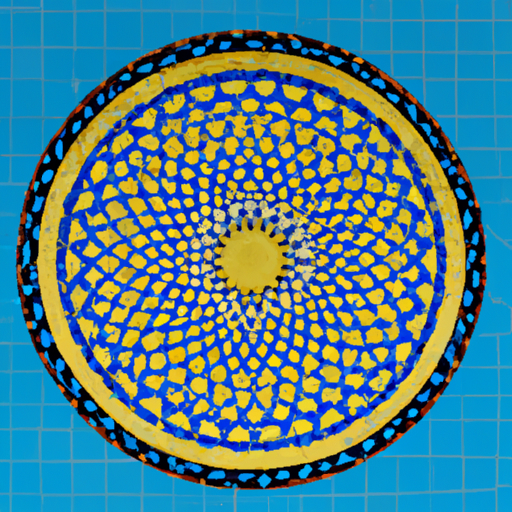
Geometry in Islamic art refers to the use of intricate geometric patterns and designs in various art forms such as architecture, ceramics, and textiles. These geometric patterns are an important element of Islamic art and have been used since the 8th century. The use of geometry in Islamic art became famous due to its mathematical precision and aesthetic beauty. The symmetrical repetition of geometric shapes and the intricate interlacing patterns became iconic in Islamic art, representing the harmony and unity of the Islamic world.

View StyleExplore Style
Example of visual style of Italian Renaissance

Italian Renaissance

Italian Renaissance was a period of great cultural and artistic achievement in Italy between the 14th and 16th centuries. It is characterized by the revival of classical forms, intellectual curiosity, and a focus on humanism. The Renaissance produced some of the most renowned artists, architects, and thinkers in history, such as Leonardo da Vinci, Michelangelo, and Raphael. Its emphasis on symmetry, perspective, and realism revolutionized art and had a lasting impact on Western civilization.

View StyleExplore Style
Example of visual style of Leon Battista Alberti

Leon Battista Alberti

Leon Battista Alberti was an Italian Renaissance architect, art theorist, and humanist. He is best known for his book 'De re aedificatoria' (On the Art of Building), which outlined the principles of architecture and influenced the development of Renaissance architecture. The style associated with Alberti is characterized by balance, symmetry, and classical proportions. It emphasizes the use of geometric forms, such as arches, columns, and domes. Alberti's ideas and writings played a significant role in the revival of classical architecture during the Renaissance.

View StyleExplore Style
Example of visual style of Louis XVI

Louis XVI

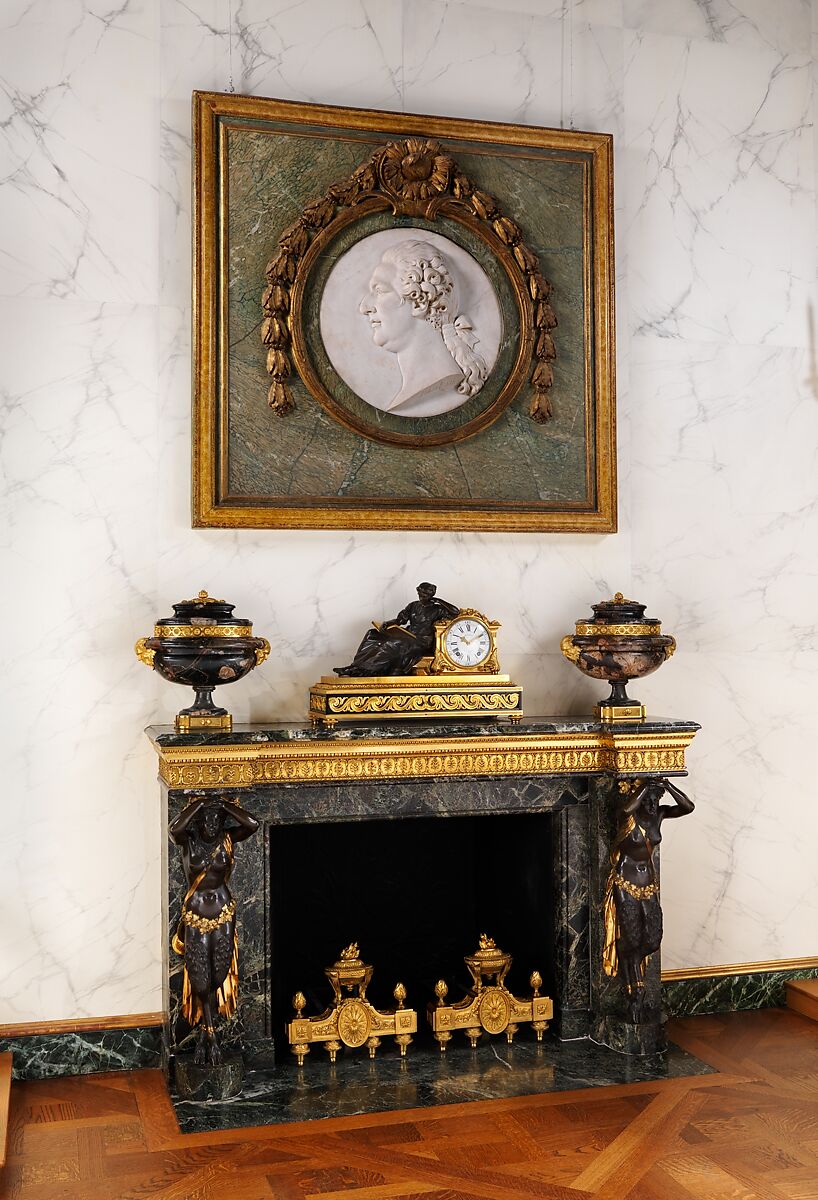
Louis XVI style, also known as Late Neoclassical or French Neoclassical, emerged in the late 18th century during the reign of King Louis XVI of France. It was prominent between 1780 and 1795. This style was popularized by the French monarch who sought to revive and refine the artistic elements of the Neoclassical movement. Louis XVI furniture is characterized by its elegance, sophistication, and delicate ornamentation, with intricate carvings, gilded accents, and fine upholstery. This style was famous for its symmetrical compositions, straight lines, and geometric shapes, drawing inspiration from ancient Greek and Roman architecture.

View StyleExplore Style
Example of visual style of Neoclassical Architecture

Neoclassical Architecture

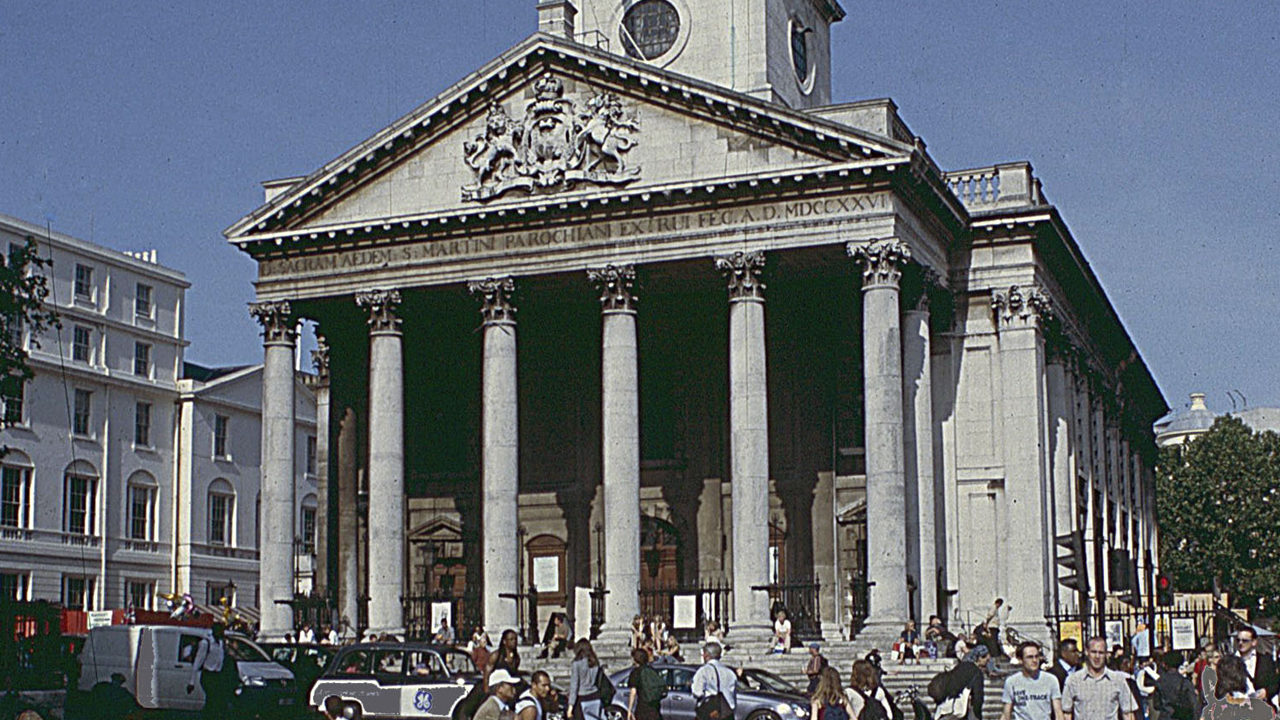
Neoclassical Architecture is a design style that emerged in the late 18th century and lasted until the mid-19th century. It was inspired by the classical architecture of ancient Greece and Rome. Neoclassical buildings are known for their grandeur, symmetry, and clean lines. This style became famous as a reaction against the excessive ornamentation of the Baroque and Rococo periods. It aimed to revive the principles of classical architecture and bring back the ideals of balance, harmony, and simplicity.

View StyleExplore Style
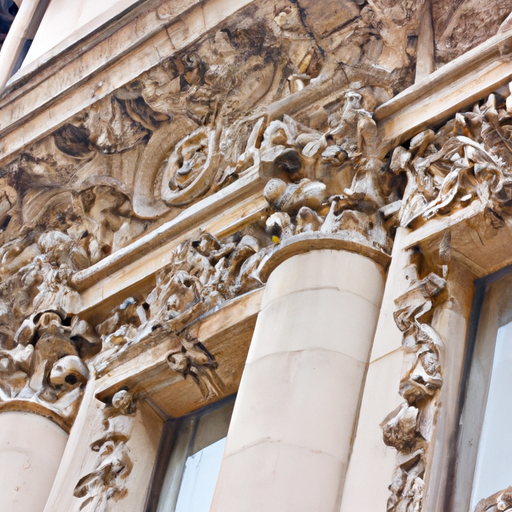
Example of visual style of Neoclassical Style

Neoclassical Style

The Neoclassical Style emerged in the late 18th century and reached its peak in the early 19th century. It was inspired by the classical art and architecture of ancient Greece and Rome. Neoclassical artists sought to revive the ideals of order, reason, and simplicity that characterized the classical period. Famous for its clean lines, symmetry, and restrained elegance, this style was highly influential in the fields of architecture, sculpture, painting, and design during the time of the French Revolution and Napoleonic era.

View StyleExplore Style
Example of visual style of Renaissance Architecture

Renaissance Architecture

Renaissance Architecture, prevalent from the 14th to the 17th century, is characterized by a revival of classical Roman and Greek architectural elements. Famous for its grandeur, harmony, and symmetry, Renaissance Architecture brought back classical proportions and features such as domes, arches, columns, and pilasters. This style became famous for its influential architects such as Filippo Brunelleschi, Andrea Palladio, and Donato Bramante, and landmark structures like the Florence Cathedral, St. Peter's Basilica, and the Palazzo Farnese.

View StyleExplore Style
Home