StylopediaStylopedia

Space styles on Stylopedia

A visual encyclopedia of space styles – use as prompt inspiration for Midjourney, Gemini, or ChatGPT AI when making space images

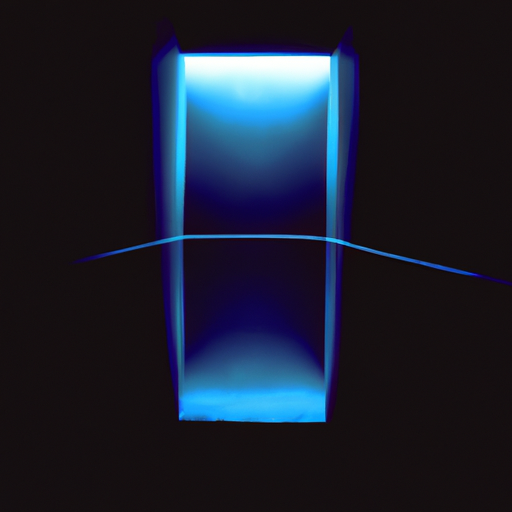
Example of visual style of Arthur C Clarke

Arthur C Clarke

The Arthur C Clarke visual style is a futuristic and technology-focused style that emerged in the mid-20th century. It gained fame through the works of Arthur C. Clarke, a renowned science fiction writer and futurist. This style is characterized by its sleek and minimalistic designs, often featuring clean lines, geometric shapes, and a sense of space and depth. It combines elements of science, technology, and imagination to portray advanced future worlds. The Arthur C Clarke visual style became famous through Clarke's influential novels, such as '2001: A Space Odyssey', which showcased a visually striking representation of futuristic technology and space exploration.

View StyleExplore Style
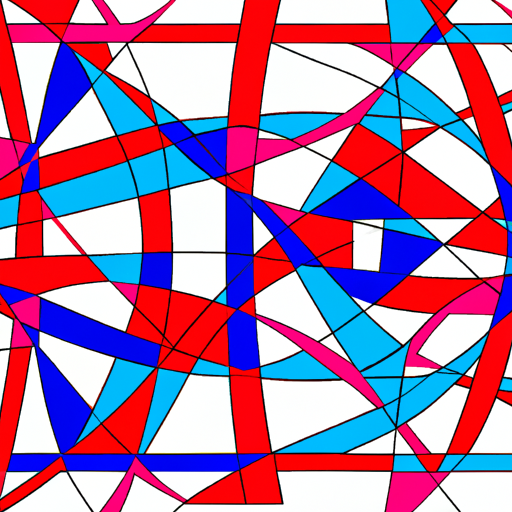
Example of visual style of Braque

Braque

Braque is a visual style developed by Georges Braque during the early 20th century. It is associated with the development of Cubism and was highly influential in the art world. Braque's style is characterized by the fragmentation and reassembling of objects, emphasizing multiple viewpoints. He was one of the pioneers of analytic cubism and collaborated closely with Pablo Picasso. Braque's work during the years 1908-1914 is particularly well-known, as it showcased his exploration of space, perspective, and the manipulation of form.

View StyleExplore Style
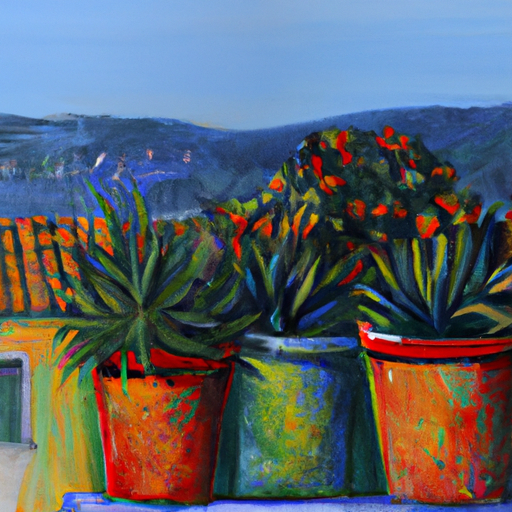
Example of visual style of David Hockney

David Hockney

David Hockney is an English painter, printmaker, and photographer known for his vibrant and colorful artworks. He emerged as a significant figure in the British Pop Art movement in the 1960s. Hockney's style is characterized by a unique blend of representation and abstraction, often using bold and bright colors to capture the essence of his subjects. His works have become famous for their exploration of space, perspective, and the use of collage. Hockney's most renowned works include his swimming pool paintings, double portraits, and landscapes. He continues to be a prominent and influential figure in the contemporary art world.

View StyleExplore Style
Example of visual style of Donald Judd

Donald Judd

Donald Judd was an influential American artist and writer associated with minimalism in the 1960s. He is known for his three-dimensional wall-mounted sculptures and furniture designs. Judd's work challenged traditional notions of art by emphasizing the importance of space, objecthood, and industrial fabrication. His geometric sculptures made of various materials, such as steel, aluminum, and plexiglass, defined the visual style of minimalism. Judd's art became famous for its simplicity, geometric precision, and its exploration of the relationship between the object, space, and the observer.

View StyleExplore Style
Example of visual style of Doug Wheeler

Doug Wheeler

Doug Wheeler is an American interactive installation artist known for his use of light and space. He rose to prominence in the 1960s and 1970s as part of the Light and Space movement in Southern California. Wheeler's installations create immersive environments that manipulate perception and challenge traditional notions of space. His work often involves the use of fluorescent lights, translucent materials, and carefully controlled lighting to create ethereal and otherworldly experiences.

View StyleExplore Style

Example of visual style of Dragon Ball GT

Dragon Ball GT

Dragon Ball GT is an anime series that aired from 1996 to 1997. It is the sequel to the immensely popular Dragon Ball and Dragon Ball Z series. This visual style became famous for its vibrant and energetic artwork, with exaggerated and stylized character designs. It introduced new transformations and power levels for the characters, as well as a new adventure in space. The series has a more lighthearted tone compared to its predecessors and showcases a colorful and futuristic art style.

View StyleExplore Style
Example of visual style of Futura 2000

Futura 2000

Futura 2000 is a distinctive visual style that emerged in the 1980s and gained popularity in the graffiti and street art scene. It is characterized by futuristic and abstract designs influenced by technology, space, and science fiction. Known for its bold and vibrant colors, sharp angles, and geometric shapes, Futura 2000 became famous for its combination of graffiti lettering and abstract forms. This style broke traditional graffiti conventions and pushed the boundaries of what was considered street art, making it a significant movement in the art world and urban culture.

View StyleExplore Style
Example of visual style of James Turrell

James Turrell

James Turrell is an American artist known for his pioneering work in light and space. Starting in the 1960s, Turrell began experimenting with perception and spatial experience through his installations. He is famous for creating immersive environments that manipulate light and color to create mesmerizing visual experiences. Turrell's works often involve simple geometric shapes and utilize architectural elements to control and transform the viewer's perception of light. His exploration of light as a medium has made him a prominent figure in the field of contemporary art.

View StyleExplore Style
Example of visual style of Larry Bell

Larry Bell

Larry Bell is an American artist known for his minimalist style and innovative use of glass. He rose to prominence in the 1960s with his series of cube sculptures made of transparent glass. These sculptures incorporated reflective surfaces that created a play of light and space, giving an illusion of depth. Bell's work became famous for its ability to challenge perception and explore the relationship between object and viewer. His minimalist approach and emphasis on simplicity and geometric forms made him a key figure in the Light and Space movement.

View StyleExplore Style
Example of visual style of Light And Space Movement

Light And Space Movement

The Light and Space Movement emerged in the 1960s in Southern California. This style emphasizes the perception of light and space as artistic mediums, exploring their physical and psychological effects. Artists working within this movement sought to create immersive and ethereal environments through the use of reflective materials, translucent surfaces, and innovative light installations. Notable years for the movement include the 1960s and 1970s. The Light and Space Movement gained fame for its unique ability to heighten sensory experiences, blur boundaries between art and environment, and evoke a sense of serenity and spirituality.

View StyleExplore Style
Example of visual style of Lucio Fontana

Lucio Fontana

Lucio Fontana was an Argentinian-Italian artist known for his pioneering work in the fields of spatialism and conceptual art. He is most famous for his series of slashed paintings, created from the late 1940s to the 1960s. Fontana's slashes on the canvas marked a radical departure from traditional painting, introducing a three-dimensional element and blurring the boundaries between painting and sculpture. His exploration of space, light, and materiality influenced subsequent generations of artists.

View StyleExplore Style
Example of visual style of Paul Cezanne

Paul Cezanne

Paul Cezanne was a French post-impressionist painter who lived from 1839 to 1906. He is known for his unconventional perspective and use of geometric forms. Cezanne's work laid the foundation for the transition from 19th-century art to a new and radically different 20th-century art. He is famous for his still-life paintings, landscapes, and portraits, where he explored the relationship between color, form, and space. Cezanne's unique approach to composition and his emphasis on structure and volume greatly influenced modern art.

View StyleExplore Style
Example of visual style of Robert Morris

Robert Morris

Robert Morris is a visual artist associated with the Minimalist movement of the 1960s. His work, particularly between 1961 and 1970, helped redefine the boundaries of sculpture by emphasizing simplicity, geometric forms, and industrial materials. Morris's use of sculptural installations and geometric shapes, such as cubes and rectangular prisms, challenged traditional notions of art and explored ideas of space, time, and perception. His work in the 1960s, along with other Minimalist artists, gained international recognition and established him as a key figure in contemporary art.

View StyleExplore Style

Example of visual style of Science Fiction Films

Science Fiction Films

Science Fiction Films is a visual style characterized by futuristic and technological elements, often set in space or dystopian worlds. It emerged in the early 20th century, gaining popularity in the 1950s and 1960s with iconic films like 'The Day the Earth Stood Still' (1951) and '2001: A Space Odyssey' (1968). These films introduced groundbreaking visual effects, portraying advanced technology, alien worlds, and imaginative landscapes. Science Fiction Films often explore themes of future societies, time travel, extraterrestrial life, and the impact of technology on humanity, captivating audiences with the possibilities and dangers of a technologically advanced future.

View StyleExplore Style
Home