StylopediaStylopedia

Simplified forms styles on Stylopedia

A visual encyclopedia of simplified forms styles – use as prompt inspiration for Midjourney, Gemini, or ChatGPT AI when making simplified forms images

Example of visual style of Adolphe Mouron Cassandre

Adolphe Mouron Cassandre

Adolphe Mouron Cassandre was a French artist and designer best known for his iconic Art Deco poster designs in the 1920s and 1930s. His work is characterized by bold geometric shapes, simplified forms, and strong visual impact. Cassandre's designs often combined typography and graphic elements to create striking compositions. His innovative use of perspective, shadowing, and negative space made his posters instantly recognizable and influential. Cassandre's style reached its peak of popularity in the 1930s and his work continues to be celebrated as an important contribution to graphic design.

View StyleExplore Style
Example of visual style of Amedeo Modigliani

Amedeo Modigliani

Amedeo Modigliani's visual style, which flourished during the early 20th century, is known for its distinctive elongated figures and simplified forms. His signature portraits portray subjects with elongated faces, almond-shaped eyes, and exaggerated necks. Modigliani's use of stylized and elegant lines, as well as his emphasis on the human form, gave his artwork a sense of elegance and sophistication. His famous works include 'Reclining Nude' and 'Portrait of Jeanne Hébuterne'. Modigliani's unique style became famous for its ability to capture the essence of his subjects with a sense of mystery and emotional depth.

View StyleExplore Style
Example of visual style of Andre Derain

Andre Derain

Andre Derain was a French painter who co-founded the Fauvism movement in the early 20th century. Fauvism, which emerged between 1900 and 1910, is characterized by bold, vibrant colors and simplified forms. Derain's style was famous for its expressive use of bright, non-naturalistic colors and energetic brushstrokes. He is known for his landscapes, cityscapes, and figural paintings which captured the emotions and sensations of the subjects rather than adhering to realistic representation.

View StyleExplore Style
Example of visual style of Cassandre

Cassandre

Cassandre is a visual style named after the French graphic designer and painter A.M. Cassandre. This style emerged in the 1920s and became famous during the Art Deco era. Known for its bold geometric shapes and elegant typography, Cassandre's style revolutionized the world of advertising and graphic design. His iconic posters for companies like Dubonnet, Normandie, and the PLM railway perfectly captured the spirit of the time. The use of vibrant colors, simplified forms, and strong composition made Cassandre's designs visually striking. This style gained popularity for its innovative approach to advertising and its ability to communicate messages effectively.

View StyleExplore Style
Example of visual style of Editorial Illustration

Editorial Illustration

Editorial Illustration is a style of illustration that is commonly used in newspapers, magazines, and online publications to accompany written articles or stories. It became especially popular in the late 19th and early 20th centuries with the rise of print media. Editorial illustrations are known for their ability to convey complex ideas or concepts in a single image, often using symbolism, humor, or satire. They are typically created in a bold and graphic style, with strong outlines, limited color palettes, and simplified forms. Editorial illustrations aim to catch the viewer's attention and make a strong visual impact, while effectively communicating the message of the accompanying text.

View StyleExplore Style

Example of visual style of Felix Vallotton

Felix Vallotton

Felix Vallotton was a Swiss-French painter and printmaker who was active during the late 19th and early 20th centuries. He is known for his distinctive visual style characterized by sharp lines, bold colors, and simplified forms. Vallotton became famous for his woodcuts, which he used to depict scenes of everyday life, portraits, and landscapes. His work is known for its strong compositions, emotional intensity, and a sense of mystery. Vallotton's style was deeply influential, bridging the gap between the traditional academic art of the 19th century and the emerging modernist movements of the early 20th century.

View StyleExplore Style
Example of visual style of Fernand Leger

Fernand Leger

Fernand Leger was a French painter and filmmaker who is known for his modernist style. He was active from the early 1900s to the mid-1950s. Leger is famous for creating artworks that emphasized machine aesthetics and depicted modern urban life. His paintings often feature bold colors, geometric shapes, and simplified forms. Leger's style is characterized by a combination of Cubism and Futurism, with a focus on industrial subjects and a sense of dynamism and movement.

View StyleExplore Style
Example of visual style of Gary Hume

Gary Hume

Gary Hume is a contemporary British artist known for his distinctive visual style. He gained prominence in the early 1990s as part of the Young British Artists (YBAs) movement. Hume's style can be characterized by his use of vibrant colors, simplified forms, and high-gloss surfaces. He often creates large-scale paintings that explore themes of identity, beauty, and popular culture. His work has been exhibited worldwide and has had a significant impact on the contemporary art scene.

View StyleExplore Style
Example of visual style of Jacob Lawrence

Jacob Lawrence

Jacob Lawrence was an American painter and printmaker who became famous for his unique visual style that merged elements of modernism and African American folklore. His work primarily focused on depicting the African American experience, particularly the Great Migration and the struggles and achievements of black people. Lawrence rose to prominence in the 1940s with his iconic series called 'Migration of the Negro,' which consisted of 60 paintings narrating the mass movement of African Americans from the rural South to the urban North. His bold use of color, simplified forms, and narrative storytelling made him one of the most prominent and important artists of the Harlem Renaissance.

View StyleExplore Style
Example of visual style of Matisse

Matisse

Matisse is a style of visual art developed by the French artist Henri Matisse in the early 20th century. It is known for its vibrant colors, fluid brushstrokes, and simplified forms. Matisse is famous for his use of bold and intense hues, often applied in large flat areas. His works showcased a sense of joy, simplicity, and spontaneity. Matisse's breakthrough came with his Fauvist period, around 1905, where he and a group of like-minded artists revolutionized the use of color in art.

View StyleExplore Style
Example of visual style of Paul Serusier

Paul Serusier

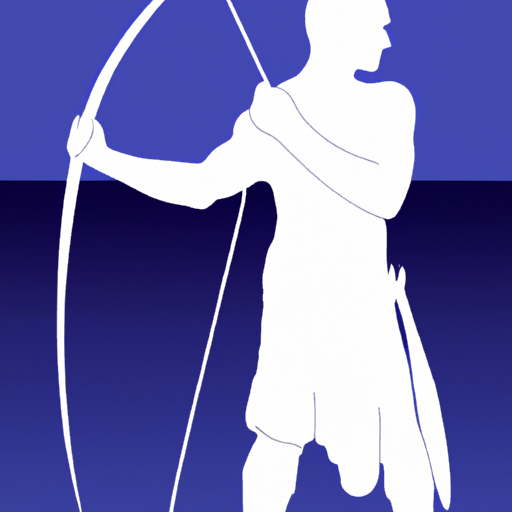
Paul Serusier was a French painter associated with the Pont-Aven School and Post-Impressionism. He is best known for his role in the founding of the group known as Les Nabis. In 1888, Serusier traveled to Pont-Aven, where he met Paul Gauguin. Gauguin encouraged Serusier to experiment with bold colors and simplified forms, which became the hallmark of Serusier's style. His famous work, 'The Talisman,' painted during this time, exemplified the Nabis' synthesis of Gauguin’s synthetism and the Symbolist movement. This revolutionary approach to painting made Paul Serusier and Les Nabis famous in the late 19th century.

View StyleExplore Style
Example of visual style of Pierre Puvis De Chavannes

Pierre Puvis De Chavannes

Pierre Puvis de Chavannes was a French painter known for his unique and influential visual style that bridged the gap between traditional academic art and the emerging Symbolist movement. Active during the mid to late 19th century, his style became famous for its ethereal atmosphere, dreamlike quality, and monumental compositions. Puvis de Chavannes incorporated elements of classical mythology, allegorical figures, and simplified forms to convey his poetic and philosophical ideas. His emphasis on flat and muted colors, along with a preference for symbolic storytelling, made his works distinct and influential in the art world of his time.

View StyleExplore Style
Example of visual style of Susan Rothenberg

Susan Rothenberg

Susan Rothenberg is a contemporary American painter known for her unique figurative abstract style. Her work emerged in the late 1970s and gained critical acclaim in the 1980s. Rothenberg's style is characterized by bold brushstrokes, simplified forms, and a sense of movement. She is famous for using animal imagery, especially horses, as a focus of her compositions, often presenting them in dynamic and fragmented ways. Rothenberg's ability to capture the essence of her subjects with minimal detail and her vibrant color palette are what made her style famous.

View StyleExplore Style
Home