StylopediaStylopedia

Sculpture styles on Stylopedia

A visual encyclopedia of sculpture styles – use as prompt inspiration for Midjourney, Gemini, or ChatGPT AI when making sculpture images

Example of visual style of Anselm Kiefer

Anselm Kiefer

Anselm Kiefer is a German painter known for his expressive and monumental works. His style emerged in the late 1960s and is characterized by a combination of painting, sculpture, and assemblage techniques. Kiefer's artworks often explore themes of memory, history, and the collective German identity. He gained fame in the 1980s for his controversial series 'Heroic Symbols' which reinterpreted Nazi symbols to challenge Germany's past. Kiefer's works are renowned for their large-scale and textured surfaces, often featuring a mix of materials such as straw, clay, ashes, and lead.

View StyleExplore Style
Example of visual style of Anselm Kiefer Exhibition

Anselm Kiefer Exhibition

Anselm Kiefer Exhibition is characterized by a unique and powerful visual style that combines elements of painting, sculpture, and installation art. It emerged in the late 20th century and became famous for its exploration of complex historical, mythological, and philosophical themes. Anselm Kiefer's works often evoke a sense of melancholy and contemplation, with large-scale and heavily textured pieces that incorporate a wide range of materials, such as lead, ash, straw, and glass. The exhibition showcases Kiefer's masterful use of symbolism, juxtaposition, and layering to convey deep emotional and intellectual messages.

View StyleExplore Style
Example of visual style of Barbara Chase Riboud

Barbara Chase Riboud

Barbara Chase Riboud is a visual style that emerged in the late 1960s and gained prominence in the 1970s. It is characterized by bold and dramatic sculptures and mixed-media artworks. Riboud's style became famous for integrating African and African American cultural motifs with geometric forms and organic materials, exploring themes of history, race, and feminism. Her use of materials like bronze, textiles, and wood, along with her attention to intricate details, creates a sense of tactile and visual richness.

View StyleExplore Style
Example of visual style of Bernini

Bernini

Bernini is a Baroque style of visual art that emerged in the 17th century. It is named after the Italian artist Gian Lorenzo Bernini, who was a prominent figure of this style. Bernini is famous for his elaborate and dynamic sculptures that depict intense emotion and movement. He revolutionized the field of sculpture by creating lifelike and dramatic compositions. His works often featured intricate details and a sense of theatricality, capturing the viewer's attention. Bernini's mastery of marble and ability to convey expressions and gestures with great realism made him one of the most renowned artists of his time.

View StyleExplore Style
Example of visual style of Bertel Thorvaldsen

Bertel Thorvaldsen

Bertel Thorvaldsen was a Danish sculptor who achieved great fame in the early 19th century. His visual style is characterized by neoclassical aesthetics with a focus on idealized forms and classical themes. He gained recognition for his ability to capture the beauty and grace of the human figure, drawing inspiration from ancient Greek and Roman art. His works often portrayed mythological figures, historical figures, and religious subjects. Thorvaldsen's sculptures are known for their meticulous attention to detail, harmonious proportions, and elegant compositions.

View StyleExplore Style
Example of visual style of Bruce Nauman

Bruce Nauman

Bruce Nauman is an American artist known for his pioneering work in various mediums including sculpture, video, performance, and installation art. His work emerged in the late 1960s and was heavily influenced by the Conceptual art movement. Nauman's art often explores themes of language, communication, body, and the human condition. He is famous for his use of repetitive phrases, neon lights, and video surveillance to challenge the viewer's perception and provoke introspection.

View StyleExplore Style
Example of visual style of Charles Ray

Charles Ray

Charles Ray is a contemporary visual artist who is known for his hyperrealistic sculptures. His work gained fame in the 1990s for its meticulous attention to detail and for challenging notions of scale and perception. Ray's sculptures often explore themes of human identity and the relationship between the body and its environment. Through his use of lifelike materials and precise craftsmanship, he creates visually stunning and thought-provoking artworks that blur the boundaries between reality and artifice.

View StyleExplore Style
Example of visual style of Donatello

Donatello

Donatello is a visual style that emerged during the Italian Renaissance in the 15th century. This style is named after the renowned Italian sculptor Donatello, who was one of the leading artists of the period. Donatello's innovative techniques and exceptional attention to detail made his works famous and influential. His sculptures displayed a remarkable sense of realism and a deep understanding of anatomy. Donatello's works were characterized by their grace, naturalism, and emotive expressions, which set a new standard for artistic representation during the Renaissance.

View StyleExplore Style
Example of visual style of Gothic Art

Gothic Art

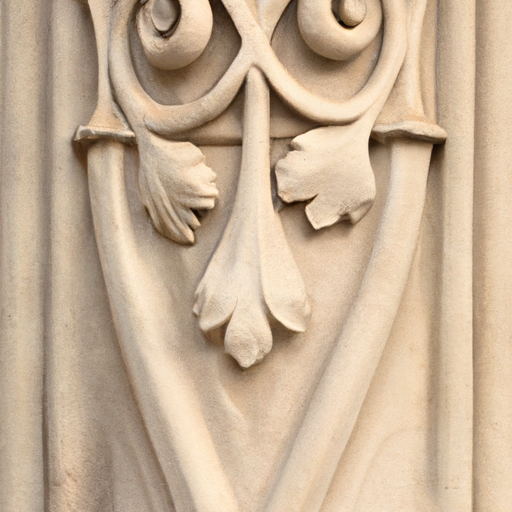
Gothic Art is a style of art that flourished from the 12th to the 16th century in Europe, particularly in Western Europe. It is characterized by intricate and detailed designs, pointed arches, ribbed vaults, and high ceilings. This style is famous for its emphasis on religious themes and its portrayal of the divine. Gothic Art is known for its stained glass windows, illuminated manuscripts, and sculpture. It reached its peak in the late medieval period and became an important part of medieval architecture and decoration.

View StyleExplore Style
Example of visual style of Jean Tinguely

Jean Tinguely

Jean Tinguely was a Swiss painter and sculptor known for his kinetic art, which emerged in the mid-1950s. His art was characterized by the use of everyday objects, machines, and found materials in his sculptures and installations. Tinguely's creations were often large-scale and incorporated movement and sound. He gained significant recognition for his participation in the Dada and Nouveau Réalisme movements. Tinguely's playful and innovative approach to art made him famous and influential in the art world.

View StyleExplore Style
Example of visual style of John De Andrea

John De Andrea

John De Andrea is an American hyperrealist sculptor known for his lifelike statues. His style emerged in the late 1960s and became widely recognized in the 1970s. De Andrea's sculptures are meticulously detailed and anatomically precise, capturing the essence of human forms in a hyperrealistic manner. His works often depict nude figures or individuals engaged in everyday activities, offering a candid and uncanny view of the human condition. De Andrea's sculptures are made famous for their incredible lifelikeness and the skillful manipulation of materials to achieve a sense of realism.

View StyleExplore Style
Example of visual style of Joseph Beuys

Joseph Beuys

Joseph Beuys was a German artist known for his diverse artistic practice that encompassed performance, sculpture, installation, and drawing. A significant figure in the art world from the 1960s until his death in 1986, Beuys not only challenged traditional notions of art but also explored social and political issues. He became famous for his concept of 'social sculpture,' which aimed to bring about social change through artistic means. Beuys' work often employed unconventional materials such as felt, fat, and honey, and he embraced symbols like the hare and the wolf as recurring motifs. His art encouraged viewers to engage with their own creative potential and to question established systems and beliefs.

View StyleExplore Style
Example of visual style of Kaws

Kaws

Kaws is a contemporary visual style that emerged in the early 2000s. It gained fame through the unique combination of pop culture references, bold colors, and the use of iconic characters. Kaws, also known as Brian Donnelly, rose to prominence as a street artist in the 1990s while working as a designer for streetwear brand Nigo's A Bathing Ape. His distinct style became recognized for its recognizable characters, such as his reimagined versions of iconic cartoons like Mickey Mouse and The Simpsons. Kaws's style is often characterized by clean lines, exaggerated features, and a sense of urban playfulness. His work seamlessly blends elements of street art, illustration, and sculpture.

View StyleExplore Style
Example of visual style of Louise Bourgeois

Louise Bourgeois

Louise Bourgeois was a French-American artist known for her unique and diverse visual style. Born in 1911, Bourgeois gained recognition in the late 20th century for her innovative and thought-provoking sculptures, installations, and prints. Her works often explore themes of sexuality, femininity, and the human condition. Bourgeois' use of unconventional materials, such as fabric, plaster, and metal, along with her skillful craftsmanship, contributed to her fame and influence in the art world.

View StyleExplore Style
Example of visual style of Neo Dada

Neo Dada

Neo Dada is an art movement that emerged in the 1950s and reached its peak in the 1960s. It is characterized by an eclectic and unconventional approach, often using everyday objects and found materials to create artworks. The artists associated with Neo Dada aimed to challenge traditional notions of art and aesthetic by combining elements of performance, sculpture, painting, and collage. Neo Dada became famous for its rejection of rationality and embrace of absurdity, randomness, and chance in artistic creation.

View StyleExplore Style
Example of visual style of Niki De Saint Phalle

Niki De Saint Phalle

Niki De Saint Phalle was a French sculptor, painter, and filmmaker known for her unique and innovative style. Her work became known in the 1960s and 1970s and played a significant role in the feminist art movement. Niki's style is characterized by vibrant colors, bold forms, and a sense of playfulness. Her artworks often feature large-scale sculptures of women with exaggerated, voluptuous bodies. She used different materials such as mosaic, ceramics, and brightly painted fiberglass to create her sculptures. Niki's style gained fame for its celebration of female empowerment, addressing social and political issues, and challenging traditional norms of beauty.

View StyleExplore Style
Home