
Adolf Dassler
Adolf Dassler's visual style was characterized by sleek and functional designs in sportswear and footwear. His work became famous in the mid-20th century for revolutionizing the athletic footwear industry.
View StyleExplore Style Stylopedia
A visual encyclopedia of revolutionary styles – use as prompt inspiration for Midjourney, Gemini, or ChatGPT AI when making revolutionary images
Adolf Dassler's visual style was characterized by sleek and functional designs in sportswear and footwear. His work became famous in the mid-20th century for revolutionizing the athletic footwear industry.
View StyleExplore Style
Adolphe Appia was a Swiss architect and scenic designer who is known for revolutionizing stage design in the late 19th and early 20th centuries. He believed in the unity of all elements of a theatrical production, emphasizing the use of light, movement, and space to create immersive experiences.
View StyleExplore Style
Adrian Carmack is a visual style known for his dark and gruesome artwork. He rose to fame in the early 1990s as one of the co-founders of id Software, where he was responsible for the visual design of iconic video games such as Doom and Quake. Carmack's style is characterized by detailed and often grotesque imagery, featuring nightmarish creatures, blood, and gore. His work in video games revolutionized the first-person shooter genre and influenced many other artists and game designers. He continues to be recognized as a pioneer in the field of digital art.
View StyleExplore Style
Akira Yoshizawa was a Japanese origami artist who is considered the father of modern origami. He developed the Yoshizawa–Randlett system of notation and revolutionized the art of origami by creating countless intricate designs and techniques. Yoshizawa's work gained widespread recognition in the 1950s and 1960s, and he played a pivotal role in elevating origami from a traditional craft to an artistic form of expression.
View StyleExplore Style
American Revolution Style is characterized by a patriotic and colonial aesthetic inspired by the years leading up to and during the American Revolution (1763-1783). This style often features rich colors like red, white, and blue, traditional patterns such as stars and stripes, and symbols of American independence like eagles and flags.
View StyleExplore Style
Andre Breton is a visual style that originated in the 1920s with the Surrealist movement. It is characterized by dreamlike and imaginative imagery, often inspired by the subconscious. Breton, along with other artists and writers, sought to explore the realms of the unconscious mind to create works that challenged conventional ideas and norms. The style became famous for its use of juxtaposition, unexpected combinations, and strange or distorted forms. It was a revolution in artistic expression that transformed the art world.
View StyleExplore Style
Andy Wachowski's visual style is known for its bold use of visual effects, high-octane action sequences, and distinctive color palettes. Their work in films like The Matrix series revolutionized the sci-fi action genre.
View StyleExplore Style
Armi Ratia was a Finnish designer and the founder of the Marimekko textile and clothing company in the 1950s. She is known for her bold and colorful designs that revolutionized the world of textile and fashion during that era.
View StyleExplore Style
Aubrey Powell is a British graphic designer and one of the co-founders of the design company Hipgnosis. He is best known for his revolutionary album cover designs in the 1960s and 1970s, which helped define the visual identity of rock and roll. Powell's style was characterized by surreal and imaginative concepts, combining photography, illustration, and graphic design to create visually stunning and iconic album covers. Some of his most famous works include covers for Pink Floyd's 'The Dark Side of the Moon' and Led Zeppelin's 'Houses of the Holy'. Powell's innovative approach to album cover design revolutionized the industry and made him a pioneer in the field.
View StyleExplore Style
Bill Sienkiewicz is a highly influential comic book artist known for his unique and experimental visual style. His style emerged in the 1980s and became highly prominent in the comic industry. Sienkiewicz's iconic work on Marvel's 'Elektra: Assassin' (1986) and 'Moon Knight' (1985-1986) paved the way for his fame. With his groundbreaking use of mixed media, bold brushwork, collage elements, and abstract techniques, Sienkiewicz revolutionized the comic book art form, blurring the lines between traditional illustration and fine art. His atmospheric and emotionally charged images are characterized by their dynamic energy, intense textures, and a distinct blend of realism and abstraction.
View StyleExplore Style
The visual style of the Black Panther Party emerged in the 1960s and was characterized by bold graphics, stark contrasts, and militant imagery. Their signature black berets, leather jackets, and iconic raised fist logo became synonymous with the movement.
View StyleExplore Style
Boyd Coddington was an iconic figure in the world of hot rods and custom cars. He became famous during the 1980s and 1990s for his distinctive and innovative designs. Coddington's visual style was characterized by sleek and futuristic lines, exquisite attention to detail, and a perfect balance between form and function. His cars often featured unique paintjobs, custom wheels, and high-performance engines. Coddington's groundbreaking work revolutionized the hot rod industry and inspired many car enthusiasts and custom builders worldwide.
View StyleExplore Style
Bridgmans Constructive Anatomy is a style of drawing human anatomy developed by George Bridgman in the early 20th century. This style became famous for its emphasis on understanding and rendering the underlying structure of the human body. Bridgman introduced simplified geometric forms and detailed skeletal diagrams to aid artists in accurately portraying human figures. His systematic approach to anatomy study revolutionized the way artists approached figure drawing.
View StyleExplore Style
Chicana Art Movement emerged in the late 1960s and early 1970s, blending traditional Mexican art techniques with revolutionary themes of activism and social justice. It gained popularity during the Chicano Civil Rights Movement.
View StyleExplore Style
Cubism, developed by Pablo Picasso and Georges Braque in the early 20th century, is characterized by fragmented geometric forms and a multidimensional perspective. It revolutionized art by breaking away from traditional representation.
View StyleExplore Style
Crytek is a visually stunning style that became famous in the early 2000s through the Crysis video game series. It is characterized by highly detailed and realistic graphics, immersive environments, and advanced lighting effects. The Crytek style revolutionized the gaming industry by pushing the boundaries of what was possible in terms of visual fidelity. With its cutting-edge technology and attention to detail, Crytek's games created an unparalleled sense of realism for players.
View StyleExplore Style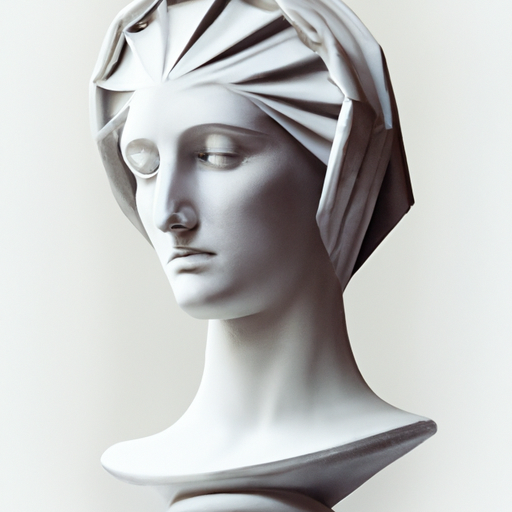
The Dior visual style emerged in the mid-20th century, particularly in the 1950s. It is characterized by timeless elegance, luxury, and femininity. Dior is famous for revolutionizing the fashion industry with the introduction of the 'New Look' silhouette in 1947, which featured a cinched waist and voluminous skirts. The style became synonymous with post-war glamour and sophistication.
View StyleExplore Style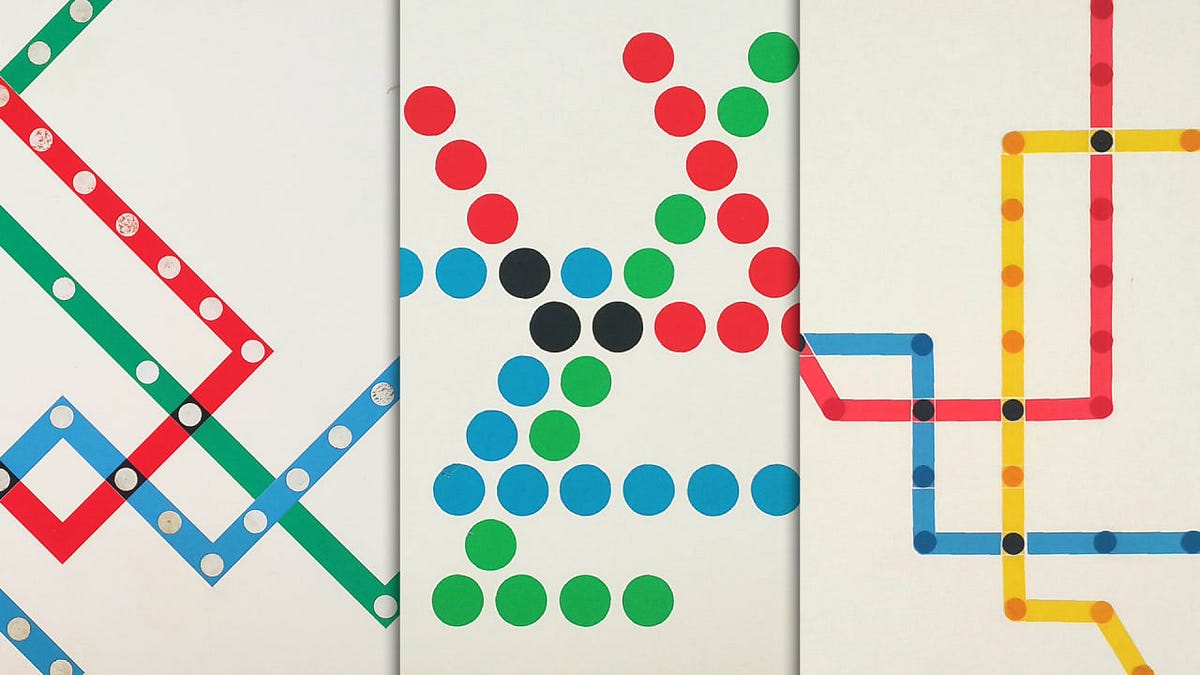
The Vignelli Brothers, Massimo and Lella Vignelli, were pioneers of modernist design in the 20th century. Their work is characterized by minimalism, clean lines, and a focus on typography, revolutionizing graphic and product design.
View StyleExplore Style
The Elvis Presley visual style emerged in the 1950s and became a cultural sensation throughout the 1960s. It is characterized by the iconic style of the 'King of Rock and Roll' himself, Elvis Presley. With his pompadour hairstyle, sideburns, flashy stage outfits, and signature dance moves, Elvis created a rebellious and electrifying image that revolutionized the music industry and popular culture.
View StyleExplore Style
Epic Games is a visual style that gained prominence in the late 1990s and early 2000s through the development of highly realistic and graphically advanced video games. It became famous for its cutting-edge graphics, immersive gameplay, and cinematic experiences. Epic Games revolutionized the gaming industry with iconic titles like Unreal Tournament and the Unreal Engine. The style has continued to evolve, pushing the boundaries of realism and fostering the growth of the gaming community.
View StyleExplore Style
Eric Radomski is known for his dark, gritty, and atmospheric visual style that was popular in the late 20th century. He is best known for his work on the animated series Batman: The Animated Series, which revolutionized the animation industry.
View StyleExplore Style
The visual style of Ferdinand Porsche is characterized by sleek and aerodynamic design elements, often incorporating curved lines and a minimalist approach. This style became famous in the early to mid-20th century through Porsche's revolutionary automotive designs.
View StyleExplore Style
The Gaming Industry visual style is a dynamic and immersive style that emerged in the late 20th century and continues to evolve today. It gained popularity with the rise of video games and has become synonymous with cutting-edge technology, interactive experiences, and stunning graphics. This style is characterized by its use of vibrant colors, futuristic elements, captivating animations, and realistic 3D models. The Gaming Industry visual style has revolutionized the entertainment industry, influencing various media forms and attracting a vast global audience.
View StyleExplore Style
George Lois is an American graphic designer and art director known for his bold and iconic visual style. Active in the 1960s, Lois revolutionized the advertising industry with his innovative and daring approach. He created a series of influential and memorable advertisements for major brands such as Xerox, Volkswagen, and Esquire magazine. His work combined striking photography, clever copywriting, and powerful imagery to communicate messages with impact. Lois brought social and political commentary into his designs and challenged the status quo, making him famous for his fearless and controversial style.
View StyleExplore Style
Giuseppe Bertone was an Italian automobile designer known for his sleek and aerodynamic designs, which revolutionized car design during the mid-20th century. His work emphasized clean lines, bold shapes, and innovative details.
View StyleExplore Style
Htc Vive is a cutting-edge virtual reality system that revolutionized the way people interact with technology. Launched in 2016, it gained widespread popularity for its immersive and realistic VR experience.
View StyleExplore Style
The Igor Stravinsky visual style emerged in the early 20th century and was associated with the Russian composer Igor Stravinsky. It is characterized by its avant-garde and experimental approach to music, which often challenged traditional musical techniques and concepts. Stravinsky's works, such as 'The Rite of Spring' (1913) and 'The Firebird' (1910), revolutionized classical music and brought him international recognition. The style is renowned for its complex rhythms, dissonant harmonies, and unconventional orchestration, creating a vivid and dramatic sonic experience.
View StyleExplore Style
The iMac G3 was a series of all-in-one computers designed by Apple in the late 1990s and early 2000s. Known for its brightly colored, translucent plastic shells, the iMac G3 revolutionized computer design and helped pave the way for sleek, modern technology.
View StyleExplore Style
Industrial Light & Magic (ILM) is a visual effects company founded by George Lucas in 1975. It became famous for its groundbreaking work in films such as Star Wars, Jurassic Park, and The Avengers. With a focus on creating realistic and awe-inspiring visual effects, ILM revolutionized the film industry. Using innovative techniques, cutting-edge technology, and talented artists, they have consistently delivered stunning visual effects that have captivated audiences for decades.
View StyleExplore Style
The iPod visual style emerged in the early 2000s and became famous for its sleek and minimalist design. This style became popular with the release of the first iPod in 2001, which revolutionized the way people listen to music. The iPod design featured a simple and clean interface with a white or black background and a click wheel for navigation. It quickly became an iconic symbol of modern technology and a status symbol for music enthusiasts.
View StyleExplore Style
Ivan Sutherland is known for pioneering computer graphics and human-computer interaction. His work in the 1960s laid the foundation for modern computer graphics and virtual reality. Sutherland's Sketchpad system introduced the concept of graphical user interfaces, making it easier for users to interact with computers. This innovation was a breakthrough in computer science and revolutionized the way people interact with visual data. Sutherland's work in computer graphics and HCI has had a significant impact on numerous fields, including design, architecture, and entertainment.
View StyleExplore Style
Jim Steranko's visual style emerged in the 1960s and became famous for its dynamic and innovative approach to comic book art. His work is characterized by bold compositions, striking use of black and white, intricate linework, and a combination of pop art and psychedelic influences. Steranko's style revolutionized the comic book medium and influenced future artists with his experimental storytelling techniques, such as panel compositions, unconventional perspectives, and cinematic storytelling. He gained prominence for his work on Marvel Comics' Nick Fury: Agent of S.H.I.E.L.D. during 1966-1967. Steranko's visual style played a significant role in the Silver Age of comics and remains influential to this day.
View StyleExplore Style
Joe Bostic is known for his iconic pixel art used in the classic strategy game Command & Conquer. His detailed and colorful pixelated graphics revolutionized the gaming industry in the 1990s.
View StyleExplore Style
John Dykstra is a visual effects designer known for his groundbreaking work in the field of computer-generated special effects. He rose to fame in the 1970s for his work on the film 'Star Wars', where he pioneered the use of motion control camera systems and computer-generated imagery (CGI). Dykstra's innovative techniques revolutionized the industry and set new standards for visual effects in films. His work in 'Star Wars' earned him an Academy Award for Special Achievement in Visual Effects in 1978.
View StyleExplore Style
John Gaeta is a visual effects artist known for his pioneering work in the field of bullet time. His work on the movie 'The Matrix' in 1999 introduced the famous slow-motion bullet dodging effect. Gaeta's bullet time technique revolutionized the industry and became an iconic visual style, blending live-action and computer-generated imagery to create breathtaking sequences. He continued to push the boundaries of visual effects in movies like 'The Matrix Reloaded' and 'The Matrix Revolutions'.
View StyleExplore Style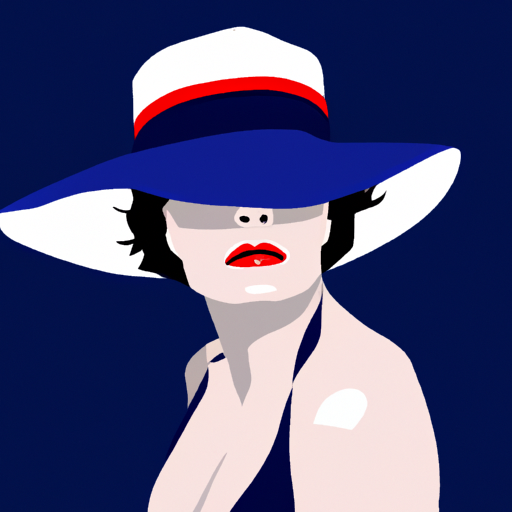
Karl Lagerfeld, a German fashion designer, was known for his iconic and revolutionary visual style. From the 1980s until his passing in 2019, Lagerfeld redefined fashion and became a legend in the industry. He was famous for his ability to blend classic and contemporary elements, creating a unique aesthetic that embraced both tradition and innovation. Lagerfeld's style was characterized by clean lines, sleek silhouettes, and a monochromatic color palette. He often incorporated luxurious fabrics and intricate details into his designs, resulting in a sophisticated and elegant look that became his signature. With his unparalleled creativity and uncompromising vision, Lagerfeld became synonymous with timeless chic and influenced generations of designers.
View StyleExplore Style
The Macbook visual style is characterized by sleek, minimalistic design with aluminum casing and glowing Apple logo. Popularized by Apple Inc. in the early 2000s, it revolutionized laptop aesthetics.
View StyleExplore Style
The visual style of Marcel Duchamp emerged in the early 20th century and revolutionized the art world. Duchamp is known for his conceptually-driven approach to art, challenging traditional notions of aesthetics and the role of the artist. He gained fame for his ready-mades, ordinary objects that he selected and presented as art. Duchamp's works, such as his famous piece 'Fountain' (1917), sparked debates about the nature of art and the boundaries of creativity. His style embodies innovation, intellectualism, and iconoclasm.
View StyleExplore Style
The visual style of the Marx Brothers is characterized by slapstick humor, zany antics, and outrageous costumes. Popular in the 1930s and 1940s, their comedic style broke conventional boundaries and revolutionized the comedy genre.
View StyleExplore Style
Merce Cunningham was an American choreographer who developed a unique style of contemporary dance. Active from the 1940s until his death in 2009, Cunningham's approach to choreography was characterized by a radical departure from traditional methods. He believed in the autonomy of dance, allowing movement and music to exist independently and come together in a random or chance-based manner. This innovative approach challenged the conventions of dance and revolutionized the art form.
View StyleExplore Style
The visual style of Mikhail Bakunin is characterized by bold and dynamic compositions, intricate line work, and intense contrast of light and dark. Influenced by the political philosopher of the same name, this style emerged in the mid-19th century and gained fame for its revolutionary spirit and anti-authoritarian themes.
View StyleExplore Style
Music Television, commonly known as MTV, is a visual style that emerged in the 1980s and was made famous for its fast-paced editing, colorful graphics, and innovative music videos. It revolutionized the way music was presented to audiences.
View StyleExplore Style
Music Video Visuals is a style characterized by vibrant colors, rapid cuts, and creative editing techniques. Popularized in the 1980s and 1990s, this style revolutionized the way music was visually represented, blending storytelling with dynamic imagery.
View StyleExplore Style
Paul Poiret was a French fashion designer who revolutionized women's fashion in the early 20th century. He is known for his artistic approach to clothing, combining luxurious fabrics, vibrant colors, and oriental influences. Poiret's style emerged in the early 1900s and reached its peak of popularity in the 1910s. He is famous for introducing the concept of loose-fitting, uncorseted garments, such as the hobble skirt and the harem pant. Poiret's use of bold patterns, rich embroideries, and lavish trims made his designs highly distinctive and sought after.
View StyleExplore Style
A style of revolutionary art in Iran during the early 20th century. It featured political themes, anti-monarchy sentiment, and a blend of traditional Persian and Western artistic influences.
View StyleExplore Style
Quake is a visually distinctive video game style that emerged in 1996 with the release of the first-person shooter game, Quake. It is characterized by its dark and gritty atmosphere, industrial and gothic architecture, and intense, fast-paced gameplay. Quake revolutionized the gaming industry with its advanced 3D graphics and immersive gameplay, setting new standards for first-person shooters.
View StyleExplore Style
Richard Buckminster Fuller's visual style is characterized by geometric shapes, innovative modular designs, and an emphasis on efficiency. He is famous for his development of the geodesic dome, a groundbreaking architectural form that revolutionized design in the mid-20th century.
View StyleExplore Style
Rock music is a genre that originated in the 1950s and gained popularity in the 1960s. It is characterized by its loud, energetic, and rebellious sound, often featuring electric guitars, drums, and powerful vocals. The genre became famous for its iconic artists such as Elvis Presley, The Beatles, Led Zeppelin, and Pink Floyd. With its roots in blues, country, and R&B, rock music revolutionized the music industry and became a symbol of youth rebellion and counter-culture during the 1960s. It has since evolved into various subgenres, but its impact on popular culture remains significant.
View StyleExplore Style
The Rodchenko visual style, popular in the 1920s and 1930s, is characterized by its use of bold geometric shapes, dynamic compositions, and high contrast. This style became famous for its revolutionary approach to graphic design and photography.
View StyleExplore Style
Russian Avant Garde Movement was a revolutionary art movement in Russia during the early 20th century, known for its bold use of color, geometric shapes, and abstract compositions. This style emerged around 1910 and was influential in the development of modern art.
View StyleExplore Style
Sergei Eisenstein was a pioneering Soviet film director and film theorist known for his revolutionary editing techniques and montage theory in the 1920s and 1930s.
View StyleExplore Style
Swinging London was a visual style that emerged in the mid-1960s in London, England. It was a cultural phenomenon that captured the spirit of freedom, youthfulness, and social revolution that defined the time. This style became famous for its vibrant and bold fashion, with mini skirts, bright colors, and mod-inspired clothing becoming iconic. It also embraced new forms of art, music, and design. Swinging London was a melting pot of creativity, attracting artists, musicians, and designers who pushed boundaries and challenged the establishment. This visual style flourished until the late 1960s, influencing popular culture and leaving a lasting impact on fashion and design.
View StyleExplore Style
The visual style of 'The Thing' is characterized by a blend of horror and science fiction themes, creating a sense of suspense and paranoia. It became famous for its realistic and gruesome special effects, which were way ahead of its time. Released in 1982, John Carpenter's 'The Thing' gained recognition for its revolutionary use of practical effects, remarkable creature design, and shocking visual imagery. The film's chilling atmosphere and tension-building cinematography contributed to its cult following and enduring influence on the horror genre.
View StyleExplore Style
The visual style of V For Vendetta is characterized by its dark and gritty tone, with a focus on themes of rebellion and revolution. Released in 2005, the film's iconic Guy Fawkes mask has become a symbol of protest and political activism.
View StyleExplore Style
Valve Corporation is known for its futuristic, technology-driven visual style, particularly in video game design. Their designs are often sleek, immersive, and cutting-edge, revolutionizing the gaming industry. The years of 1996 and beyond have marked Valve Corporation's rise to fame through iconic games like Half-Life and Portal.
View StyleExplore Style
Varvara Stepanova was a Russian avant-garde artist and designer who played a crucial role in the development of Constructivism during the early 20th century. Her work, which spanned from the 1910s to the 1940s, is characterized by bold geometric compositions, dynamic patterns, and the innovative use of color. Stepanova's famous textile designs, such as the 'Sports Clothing' collection created in the 1920s, revolutionized the field of textile art and brought her widespread recognition.
View StyleExplore Style
The Wachowski Sisters visual style is characterized by its intense and stylized action sequences, futuristic and dystopian settings, and mind-bending narratives. This style gained fame through their groundbreaking film 'The Matrix' in 1999, which revolutionized action cinema with its innovative bullet time technique and cyberpunk aesthetic. The Wachowski Sisters continued to explore similar themes and visual elements in movies like 'Speed Racer' (2008) and 'Cloud Atlas' (2012).
View StyleExplore Style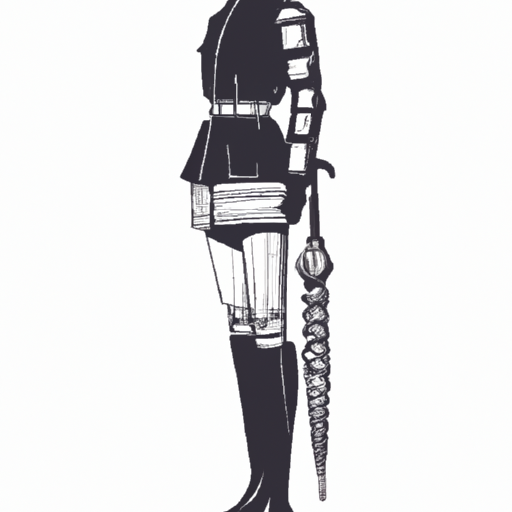
Yves Saint Laurent is a visual style that emerged in the mid-20th century and continues to influence contemporary fashion. It gained fame during the 1960s and 1970s, known for its elegant and avant-garde designs. Yves Saint Laurent revolutionized women's fashion by introducing tuxedos, trouser suits, and safari jackets for women, breaking traditional gender norms. His iconic designs, such as the Mondrian dress and Le Smoking suit, became iconic symbols of the era. Yves Saint Laurent's style is characterized by its timeless and sophisticated elegance.
View StyleExplore Style
Zapata is a visual style inspired by Mexican revolutionary Emiliano Zapata. Characterized by bold colors, graphic images of Zapata, and strong political messages, this style became popular in the late 20th century as a symbol of resistance and activism.
View StyleExplore Style