StylopediaStylopedia

Religious styles on Stylopedia

A visual encyclopedia of religious styles – use as prompt inspiration for Midjourney, Gemini, or ChatGPT AI when making religious images

Example of visual style of Albrecht Durer

Albrecht Durer

Albrecht Durer, a German artist of the Renaissance period, was known for his meticulous attention to detail and technical skill. Active in the late 15th and early 16th centuries, Durer's work became famous for its realistic and precise portrayal of the natural world. His style is characterized by intricate linework, rich textures, and a strong sense of composition. Durer's prints, engravings, and paintings often featured religious and mythological subjects, as well as landscapes and portraits. His exceptional talent and innovative techniques made him one of the most influential artists of his time.

View StyleExplore Style
Example of visual style of Baroque Painting

Baroque Painting

Baroque painting originated in Italy during the late 16th century and reached its peak in the 17th century. Characterized by its dramatic and extravagant style, Baroque painting is known for its grandeur, emotional intensity, and vivid use of color and light. This style was famous for its religious and mythological subject matter, often depicting scenes of intense emotion, gestures, and theatrical compositions. The Baroque period was marked by the artistic achievements of influential artists such as Caravaggio, Peter Paul Rubens, and Rembrandt, who contributed to the popularity and recognition of Baroque painting.

View StyleExplore Style
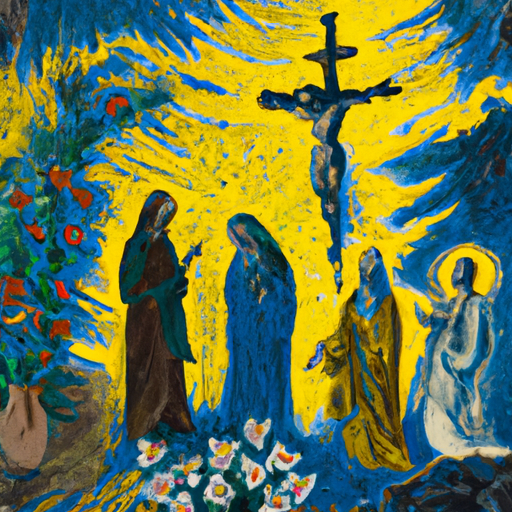
Example of visual style of Christian Mysticism

Christian Mysticism

Christian Mysticism is an artistic style characterized by ethereal and dreamlike representations of religious subjects. It emerged during the late Middle Ages and reached its peak in the Renaissance period. Christian Mysticism became famous for its use of soft, diffused lighting, delicate brushwork, and an emphasis on symbolism and spiritual themes. This style explored the mystical aspects of Christianity and aimed to evoke a sense of transcendence and communion with the divine.

View StyleExplore Style
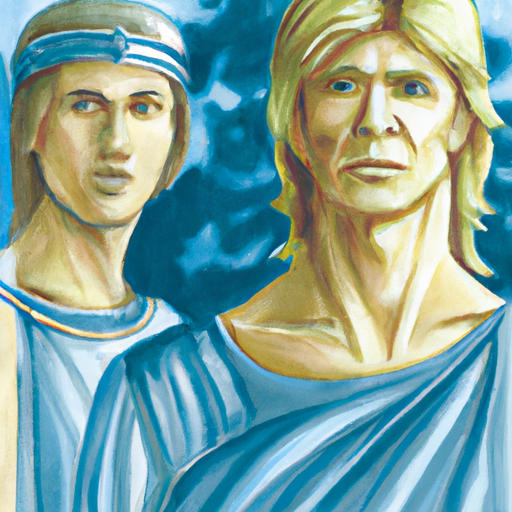
Example of visual style of Fra Angelico

Fra Angelico

Fra Angelico, also known as Beato Angelico, was an Italian painter of the early Renaissance. He is known for his delicate and harmonious paintings, characterized by bright colors and ethereal figures. His works from the 14th and 15th centuries are renowned for their spiritual and religious themes, depicting scenes from the Bible and the lives of saints. Fra Angelico's use of light and shadow, meticulous attention to detail, and his ability to convey a sense of transcendence made him one of the most famous artists of his time.

View StyleExplore Style
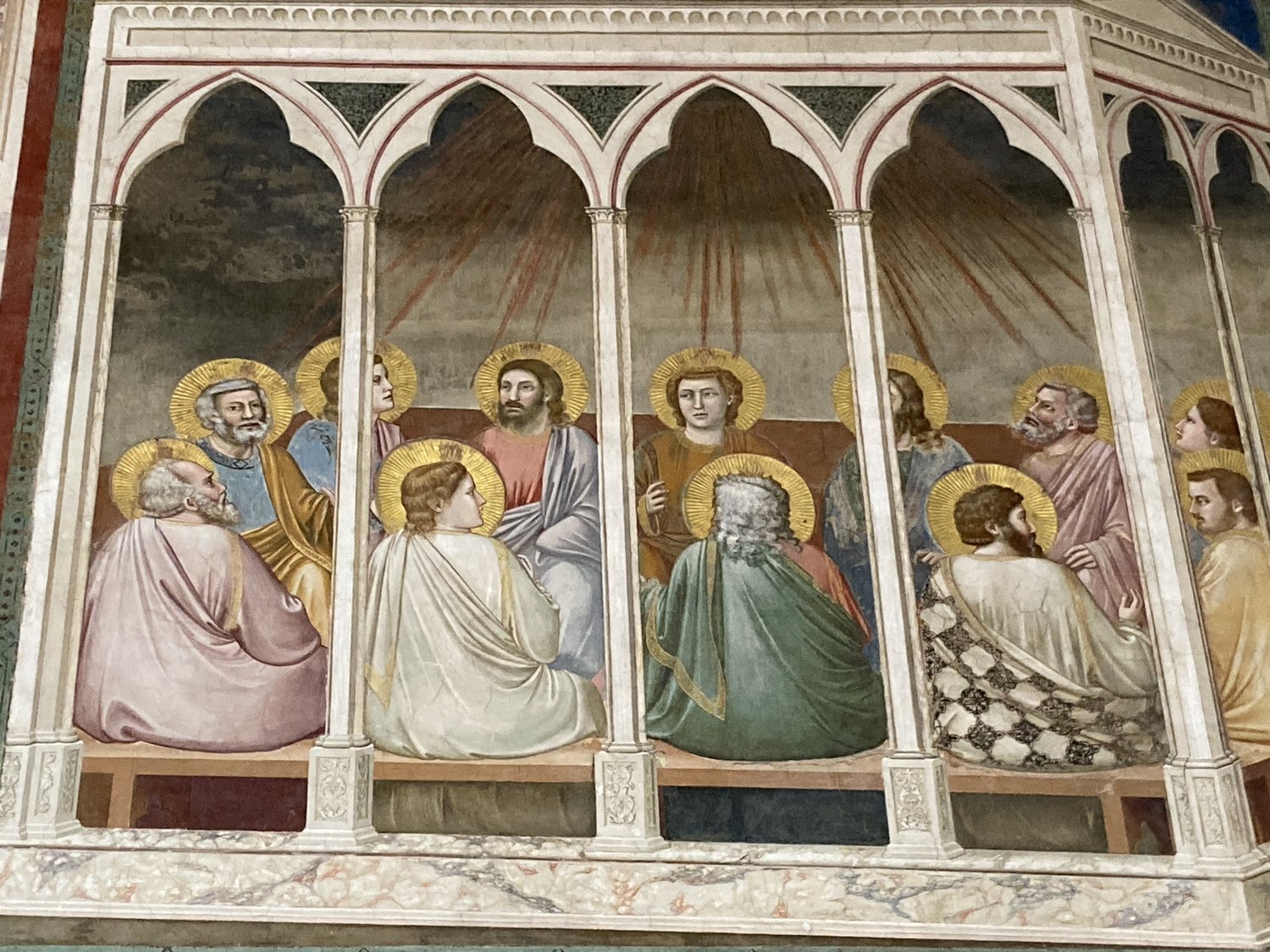
Example of visual style of Jacopo Pontormo

Jacopo Pontormo

Jacopo Pontormo was an Italian painter from the late Renaissance period. He was active in the early 16th century, particularly between 1512 and 1557. Pontormo's style is characterized by his use of vibrant and intense colors, elongated proportions, complex compositions, and a sense of emotional intensity and drama. His works often depict religious and mythological subjects, with a focus on expressing inner turmoil and psychological tension. Pontormo's art is famous for its innovative approach to form and composition, which had a profound influence on the development of Mannerism.

View StyleExplore Style
Example of visual style of Middle Eastern Art

Middle Eastern Art

Middle Eastern Art refers to the visual style of art that originates from the Middle East region. It encompasses various forms of art including traditional Islamic art, calligraphy, miniature painting, mosaic art, and more. Middle Eastern Art has a rich history and dates back to ancient civilizations like Mesopotamia and Egypt. It reached its peak during the Islamic Golden Age (8th to 14th centuries) when Islamic art and architecture flourished, characterized by intricate geometric patterns, arabesque designs, and ornate calligraphy. It has been highly influential in shaping the art world, known for its vibrant colors, detailed craftsmanship, and the fusion of religious, cultural, and regional influences.

View StyleExplore Style
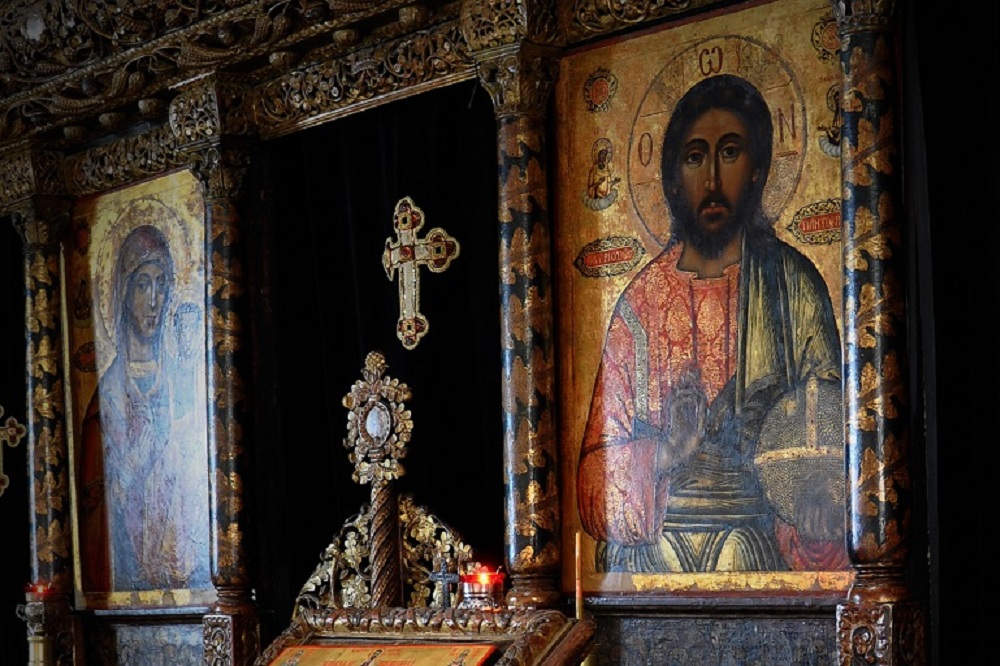
Example of visual style of Russian Icon Painting

Russian Icon Painting

Russian Icon Painting is a distinctive and highly revered style of religious painting that emerged in Russia during the Byzantine period and reached its peak during the 15th and 16th centuries. These icons are deeply rooted in the Eastern Orthodox Christian tradition and are characterized by their spiritual and mystical quality. The use of rich colors, intricate detailing, and gold leaf embellishments are important features of this style. Russian Icon Painting is famous for its portrayal of religious figures and scenes, including saints, biblical stories, and the Virgin Mary. This art form served as a primary tool for religious instruction, meditation, and spiritual devotion.

View StyleExplore Style
Example of visual style of William Holman Hunt

William Holman Hunt

William Holman Hunt was an English painter and one of the founders of the Pre-Raphaelite Brotherhood, an influential art movement in the 19th century. Hunt's visual style is characterized by its attention to detail, vibrant colors, and meticulous rendering of natural landscapes and figures. He is known for his religious and allegorical themes, often depicting biblical stories with a realistic and symbolic approach. Hunt's style became popular during the mid-19th century and his works were highly regarded for their technical skill and emotional depth.

View StyleExplore Style
Home