StylopediaStylopedia

Refined styles on Stylopedia

A visual encyclopedia of refined styles – use as prompt inspiration for Midjourney, Gemini, or ChatGPT AI when making refined images

Example of visual style of Alber Elbaz

Alber Elbaz

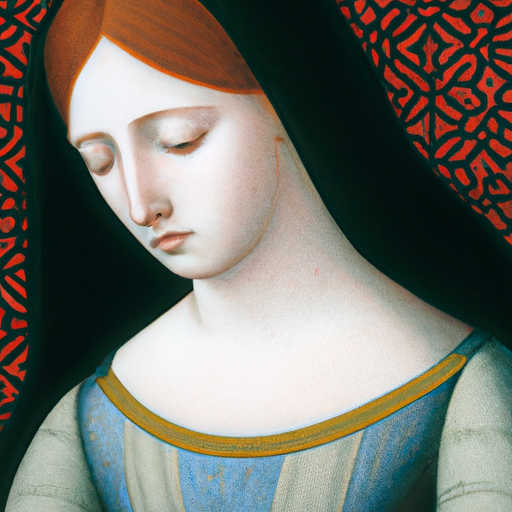
Alber Elbaz is known for his elegant and feminine designs that combine modernity with timeless sophistication. His style can be described as architectural, fluid, and refined. Elbaz rose to fame during his tenure as the creative director at Lanvin from 2001 to 2015, where he rejuvenated the brand and earned critical acclaim. Known for his attention to detail and exquisite craftsmanship, Elbaz's designs often feature draping, pleating, and luxurious fabrics. His ability to create flattering silhouettes and his emphasis on celebrating women's individuality have made him a beloved figure in the fashion industry.

View StyleExplore Style
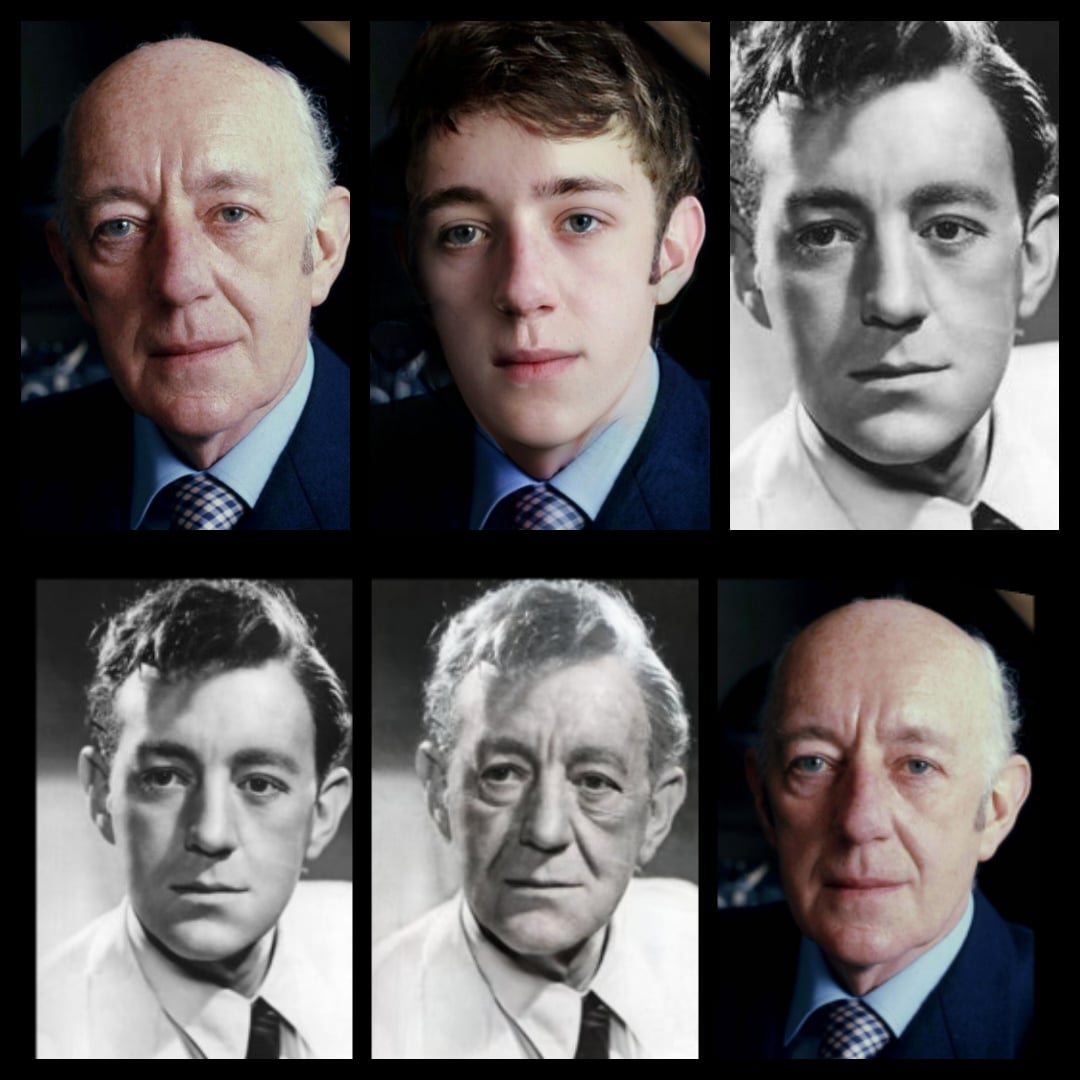
Example of visual style of Carolyne Roehm

Carolyne Roehm

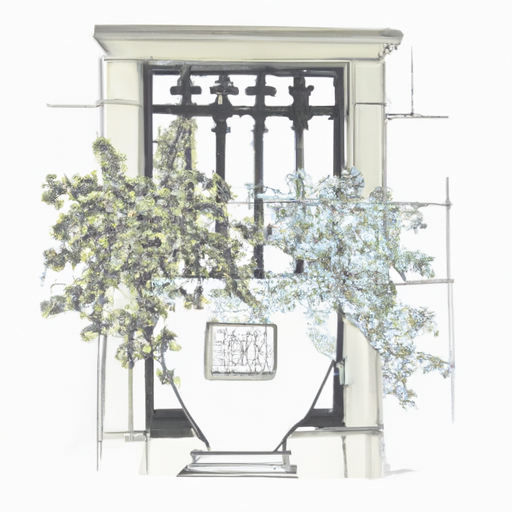
Carolyne Roehm is an influential American designer known for her elegant and refined aesthetic. Her visual style encompasses classic and timeless elements, with a focus on luxurious materials and impeccable craftsmanship. Roehm rose to fame in the 1980s as a fashion designer and later transitioned into home décor and event planning. She gained attention for her attention to detail and ability to create stunning and sophisticated spaces. Carolyne Roehm is renowned for her use of florals, pastel color palettes, and intricate patterns, which have become iconic in her work.

View StyleExplore Style
Example of visual style of Catherine Deneuve

Catherine Deneuve

Catherine Deneuve is a style characterized by elegance, sophistication, and timeless beauty. Known for her roles in French films during the 1960s and 1970s, Deneuve became a style icon with her signature polished and refined looks. Her style drew inspiration from the chic and glamorous fashion of the era, but with her own unique twist. Deneuve was famous for her sleek hairstyles, flawless makeup, and her ability to effortlessly exude an air of mystery and allure. Her fashion choices often featured tailored silhouettes, luxurious fabrics, and a combination of classic and avant-garde designs. Catherine Deneuve's style remains influential and continues to inspire fashion lovers around the world.

View StyleExplore Style
Example of visual style of Donna Karan

Donna Karan

Donna Karan is a visual style that combines classic elegance with modern sophistication. It emerged in the late 1980s and gained popularity throughout the 1990s. This style is known for its tailored silhouettes, luxurious fabrics, and impeccable craftsmanship. Donna Karan's unique approach to design emphasized versatility and practicality, making her collections appeal to the busy, urban woman. The use of neutral colors, such as black, white, and earth tones, dominates this style, creating a timeless and refined aesthetic.

View StyleExplore Style
Example of visual style of Fujiwara No Michinaga

Fujiwara No Michinaga

The Fujiwara No Michinaga style was prominent in Japan during the Heian period (11th century). Named after the influential Japanese statesman and regent Fujiwara no Michinaga, this visual style is characterized by its elegant and refined aesthetic. It is known for its emphasis on simplicity, asymmetry, and subtlety. The style gained recognition for its use of intricate patterns, delicate colors, and a combination of natural motifs and geometric shapes. Fujiwara No Michinaga helped establish this style by patronizing various artists and craftsmen, leading to its popularity and influence in the art and design of the time.

View StyleExplore Style
Example of visual style of Georges Jacob

Georges Jacob

Georges Jacob was a French furniture maker who worked during the late 18th and early 19th centuries. He is famous for his elegant and refined furniture designs, which were characterized by delicate lines, intricate details, and lavish ornamentation. Jacob's style reached its peak during the reign of Louis XVI and continued to thrive during the Napoleonic era. His furniture pieces were often made of mahogany, walnut, or oak and were known for their exceptional craftsmanship and luxurious finishes.

View StyleExplore Style
Example of visual style of Grace Kelly

Grace Kelly

Grace Kelly was a style icon throughout the 1950s and 1960s. Known for her timeless elegance and classic beauty, she set the standard for refined, ladylike fashion. Her style was characterized by tailored garments, nipped-in waists, and conservative hemlines. Kelly's fashion choices were influential in the rise of the 'New Look' silhouette introduced by Christian Dior in 1947. Her iconic looks from movies like 'To Catch a Thief' and 'Rear Window' brought her worldwide fame and cemented her status as a fashion icon.

View StyleExplore Style
Example of visual style of Heian Culture

Heian Culture

Heian Culture refers to the visual style that emerged during the Heian period in ancient Japan, which lasted from 794 to 1185. This period was marked by a flourishing artistic and cultural scene. The Heian Culture is famous for its exquisite and lavish displays of art, literature, and fashion. It was during this time that the Tale of Genji, considered the first novel in the world, was written by Lady Murasaki Shikibu. The elegant and refined aesthetic of the Heian Culture continues to inspire and captivate people to this day.

View StyleExplore Style
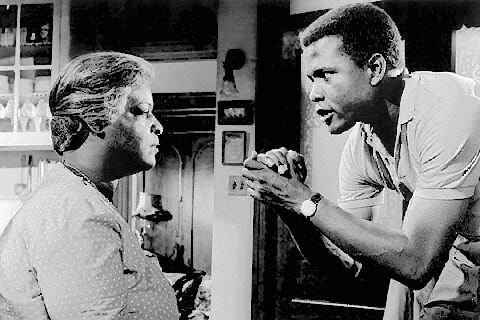
Example of visual style of Heian Period

Heian Period

Heian Period, from 794 to 1185, was a distinctive visual style in Japanese art and culture known for its elegance and refinement. It was a time of peace and prosperity, allowing for the flourishing of art, literature, and architecture. This period is particularly famous for its courtly aesthetics, characterized by graceful, delicate depictions and a love for beauty. The art of this era often featured aristocratic themes, including scenes from court life, exquisite landscapes, and refined portraits of nobles. The meticulous attention to detail and the emphasis on the spiritual and ethereal qualities of the subjects were central to the Heian Period style.

View StyleExplore Style
Example of visual style of Horst P Horst

Horst P Horst

Horst P Horst was a German-American fashion and portrait photographer who became famous for his elegant and glamorous style. Active from the 1930s to the 1990s, Horst's work epitomized the sophistication and refinement of the fashion industry during the mid-20th century. Known for his mastery of lighting and composition, Horst's photographs captured the essence of his subjects with a timeless and classical elegance. His iconic images of fashion, celebrities, and interiors graced the pages of Vogue and Harper's Bazaar, influencing generations of photographers. Horst's style reached its pinnacle in the 1940s and 1950s when he perfected his signature use of dramatic lighting, symmetrical arrangements, and graceful poses.

View StyleExplore Style
Example of visual style of Jane Greenwood

Jane Greenwood

Jane Greenwood is a visual style that is characterized by elegant and refined designs. It emerged during the mid-20th century and gained popularity for its attention to detail and timeless aesthetics. Known for her meticulous research and attention to historical accuracy, Jane Greenwood became famous for her costume designs in theater and film. Her work often reflects the spirit of the respective time period or cultural context, while still maintaining a sense of modernity and sophistication.

View StyleExplore Style
Example of visual style of Japanese Cultural Heritage

Japanese Cultural Heritage

Japanese Cultural Heritage is a style that encompasses various artistic and design elements deeply rooted in the traditions and history of Japan. It encompasses a wide range of mediums including painting, sculpture, architecture, textiles, and ceramics. This style is known for its attention to detail, refined aesthetics, and a deep respect for nature. It is influenced by important artistic periods in Japanese history such as the Heian period (794-1185) and Edo period (1603-1868). The use of traditional materials and techniques, such as ink painting, woodblock printing, and origami, contribute to its distinctiveness and cultural significance.

View StyleExplore Style
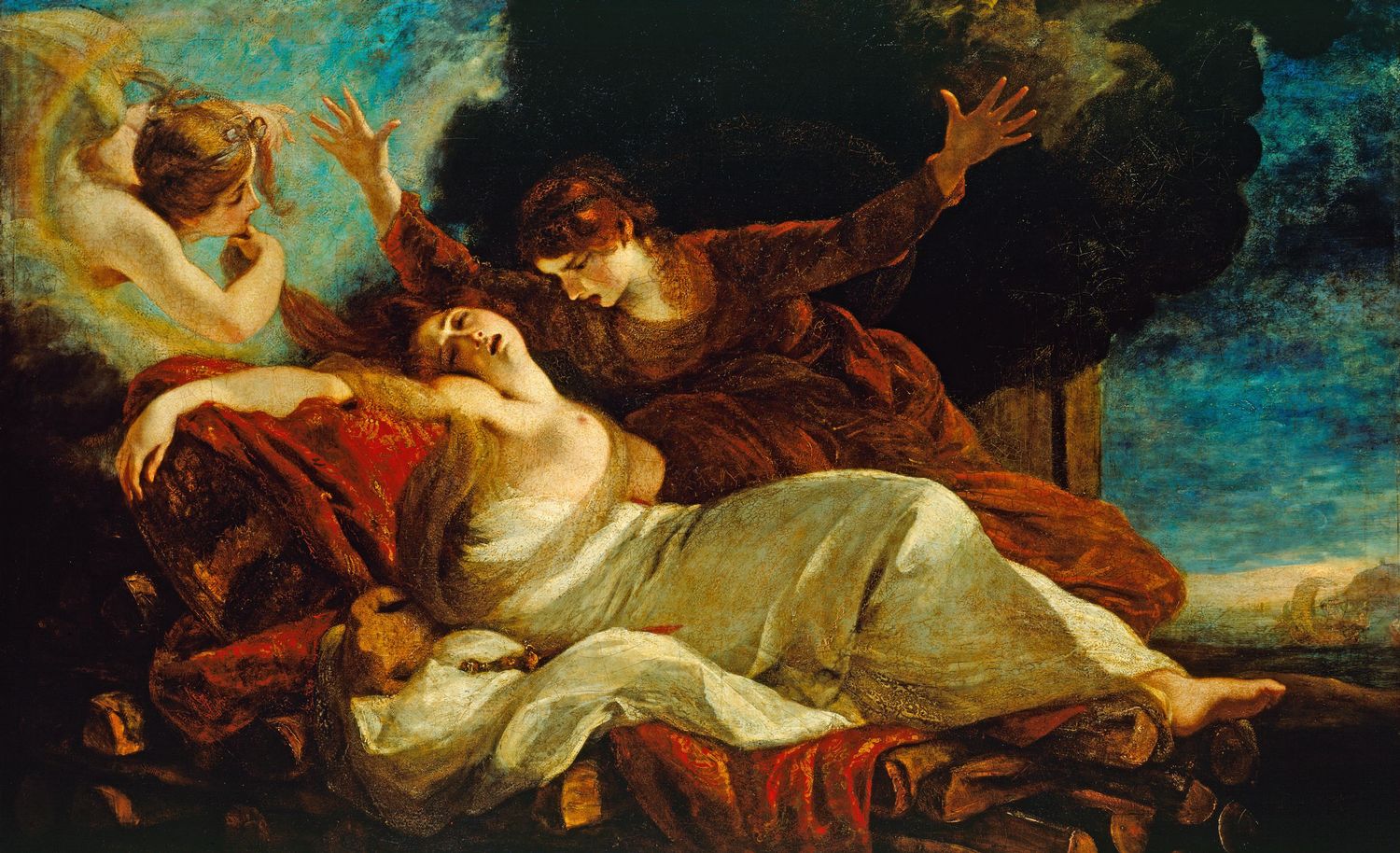
Example of visual style of Joshua Reynolds

Joshua Reynolds

Joshua Reynolds was an influential English portrait painter during the 18th century. His style is characterized by a classical and formal approach, with a focus on capturing the likeness and personality of his subjects. Reynolds became famous for his ability to elevate portraiture into a refined art form, with his works demonstrating a balance between detailed realism and idealized beauty. His style reached its pinnacle in the 1770s and 1780s, when he served as the first President of the Royal Academy of Arts. Reynolds' artistry and emphasis on portraiture's significance in society played a crucial role in shaping the British art scene of his time.

View StyleExplore Style
Example of visual style of Louis XVI Style

Louis XVI Style

The Louis XVI Style emerged in France during the reign of King Louis XVI, from 1774 to 1792. It is characterized by a return to classical forms inspired by ancient Greece and Rome. This style gained popularity after the excesses of the preceding Rococo period. It is known for its refined elegance and architectural symmetry, incorporating motifs such as fluted columns, urns, laurel wreaths, and cameos. The Louis XVI Style is famous for its use of neoclassical elements and delicate ornamentation, reflecting a more restrained and refined taste.

View StyleExplore Style
Example of visual style of Mughal Empire

Mughal Empire

The Mughal Empire visual style encompasses the art and architecture of the Mughal dynasty in South Asia during the 16th to 19th centuries. This style reached its peak during the reign of Emperor Akbar (1556-1605) and Emperor Shah Jahan (1628-1658). The Mughal Empire is famous for its intricate ornamentation, refined craftsmanship, and fusion of Persian, Islamic, and indigenous Indian styles. Notable features include symmetrical layouts, exquisite calligraphy, detailed miniature paintings, monumental architecture such as the Taj Mahal, and the use of precious materials like marble and semi-precious stones.

View StyleExplore Style
Example of visual style of Pebble Beach Concours Delegance

Pebble Beach Concours Delegance

Pebble Beach Concours Delegance is a visual style that originated in 1950 and continues to be renowned for its elegance, sophistication, and celebration of automobile craftsmanship. The style has gained fame through its annual prestigious automotive event held at the Pebble Beach Golf Links, California, where rare and historically significant vehicles are displayed. The style is characterized by its emphasis on classic and vintage automobiles, refined aesthetics, meticulous details, and a timeless appeal that showcases the pinnacle of automotive design and engineering.

View StyleExplore Style
Example of visual style of Riccardo Tisci

Riccardo Tisci

Riccardo Tisci's visual style is known for its blend of high fashion and streetwear, combining edgy and bold elements with a luxurious and refined aesthetic. Tisci rose to fame during his tenure as the creative director at Givenchy from 2005 to 2017, where he reinvented the brand with his dark and sensual designs. He is renowned for his use of graphic prints, intricate detailing, and a strong focus on tailoring and construction. Tisci's style has also been influenced by his multicultural background, incorporating elements of both his Italian and African heritage.

View StyleExplore Style
Example of visual style of Suburban Sophistication

Suburban Sophistication

Suburban Sophistication is a visual style that emerged in the mid-1950s and became famous in the 1960s. It is characterized by a blend of modern and traditional elements, creating a refined but relaxed aesthetic. This style became popular as suburban areas rapidly developed, and homeowners sought to create sophisticated interiors and exteriors that reflected their status and aspirations. Influenced by mid-century modern design and the idea of 'keeping up with the Joneses,' Suburban Sophistication emphasizes clean lines, minimalism, and tasteful embellishments. The style is known for its upscale yet comfortable ambiance, epitomizing the desire for refinement and modernity within a suburban context.

View StyleExplore Style
Example of visual style of The New Yorker

The New Yorker

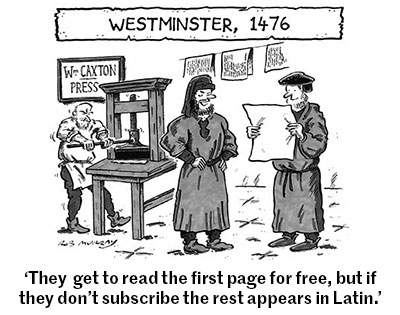
The New Yorker is a distinctive visual style that has become synonymous with the long-running American magazine of the same name. It first gained popularity in the 1920s and is known for its sophisticated and witty approach to visual storytelling. The signature visual elements of The New Yorker style include detailed and intricate illustrations, often featuring a combination of line art and watercolors. The use of thin, precise lines and a limited color palette helps create a refined yet playful aesthetic. The overall style exudes a sense of timelessness and elegance, capturing the essence of urban life and the wit of its written content.

View StyleExplore Style
Home