StylopediaStylopedia

Psychedelic styles on Stylopedia

A visual encyclopedia of psychedelic styles – use as prompt inspiration for Midjourney, Gemini, or ChatGPT AI when making psychedelic images

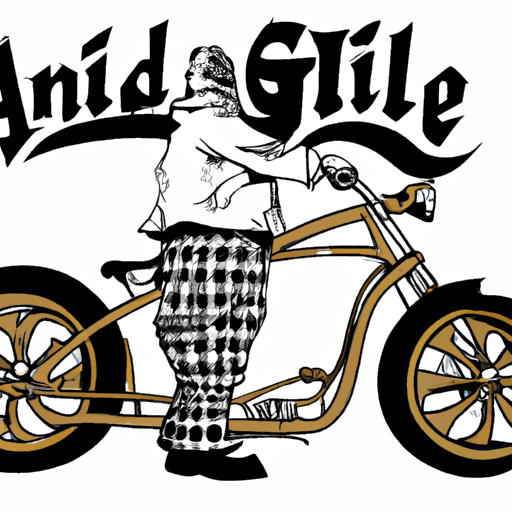
Example of visual style of Ed Roth

Ed Roth

Ed Roth is a visual style that emerged in the 1960s and became famous for its psychedelic and cartoonish designs. It is often associated with hot rod culture and is characterized by bold, vibrant colors, distorted perspectives, and exaggerated caricatures. Ed Roth's style gained popularity through his creation of the iconic character Rat Fink, a mischievous, grinning rodent. His designs were prominently featured on custom cars, t-shirts, and posters, contributing to the counter-cultural movement of the era.

View StyleExplore Style
Example of visual style of Gilbert Shelton

Gilbert Shelton

Gilbert Shelton is an underground cartoonist known for his distinctive visual style, which emerged in the 1960s. His comic strips, such as 'The Fabulous Furry Freak Brothers' and 'Fat Freddy's Cat', became popular during the counterculture movement, particularly in the United States. Shelton's art is characterized by its psychedelic and humor-driven nature, featuring exaggerated characters with wild expressions and trippy backgrounds. His unique blend of satire, social commentary, and absurdity made his work iconic and influential during this time.

View StyleExplore Style
Example of visual style of Guido Crepax

Guido Crepax

Guido Crepax was an Italian comics artist known for his distinctive style that emerged in the 1960s. His illustrations featured intricate linework, bold black and white contrasts, and a unique blend of eroticism and surrealism. Crepax's work became famous for its association with the adult-oriented comic genre and for his iconic character Valentina, a strong and independent female protagonist. His visual storytelling techniques, such as innovative panel layouts and use of psychedelic imagery, greatly influenced the comic art of his time and beyond.

View StyleExplore Style
Example of visual style of Harnessing

Harnessing

Harnessing is a visually striking style that emerged in the late 1960s and gained popularity throughout the 1970s. Known for its vibrant use of colors and abstract geometric shapes, Harnessing quickly became famous for its ability to convey energy and movement. This style is often associated with the psychedelic era and its emphasis on individualism and self-expression. Harnessing artists experimented with optical illusions and dynamic compositions to create visually captivating and mind-altering experiences. The style's popularity faded in the 1980s as it gave way to new artistic movements.

View StyleExplore Style
Example of visual style of Jethro Tull

Jethro Tull

Jethro Tull is a visual style that emerged in the late 1960s and is associated with the British progressive rock band of the same name. It became famous for its unique combination of folk, blues, and rock music, incorporating elements of classical music as well. Jethro Tull's visual style is characterized by an eclectic mix of psychedelic and medieval influences, reflected in their album cover art, stage performances, and music videos. This style gained popularity during the 1970s and continues to have a cult following till today.

View StyleExplore Style
Example of visual style of Jim Steranko

Jim Steranko

Jim Steranko's visual style emerged in the 1960s and became famous for its dynamic and innovative approach to comic book art. His work is characterized by bold compositions, striking use of black and white, intricate linework, and a combination of pop art and psychedelic influences. Steranko's style revolutionized the comic book medium and influenced future artists with his experimental storytelling techniques, such as panel compositions, unconventional perspectives, and cinematic storytelling. He gained prominence for his work on Marvel Comics' Nick Fury: Agent of S.H.I.E.L.D. during 1966-1967. Steranko's visual style played a significant role in the Silver Age of comics and remains influential to this day.

View StyleExplore Style
Home