StylopediaStylopedia

Proportion styles on Stylopedia

A visual encyclopedia of proportion styles – use as prompt inspiration for Midjourney, Gemini, or ChatGPT AI when making proportion images

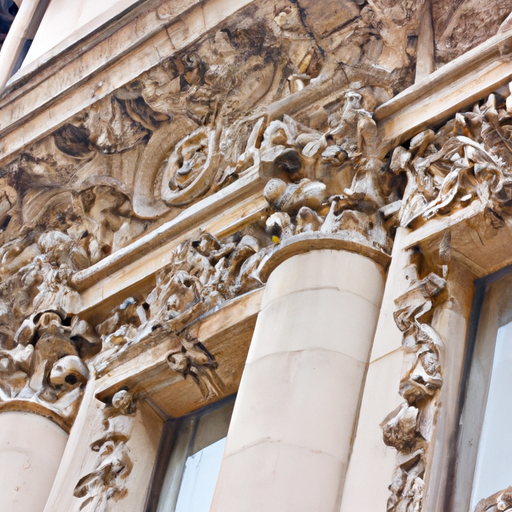
Example of visual style of Beaux Arts Movement

Beaux Arts Movement

Beaux Arts Movement was a late 19th and early 20th-century architectural and artistic style that was famous for its grandiose and elaborate designs. It originated in France in the 19th century and spread to other parts of Europe and North America. This style was influential in the design of public buildings, particularly in the United States, and was characterized by a classical aesthetic, intricate ornamentation, and a sense of grandeur. It emphasized symmetry, proportion, and the use of classical architectural elements such as columns, domes, and arches.

View StyleExplore Style
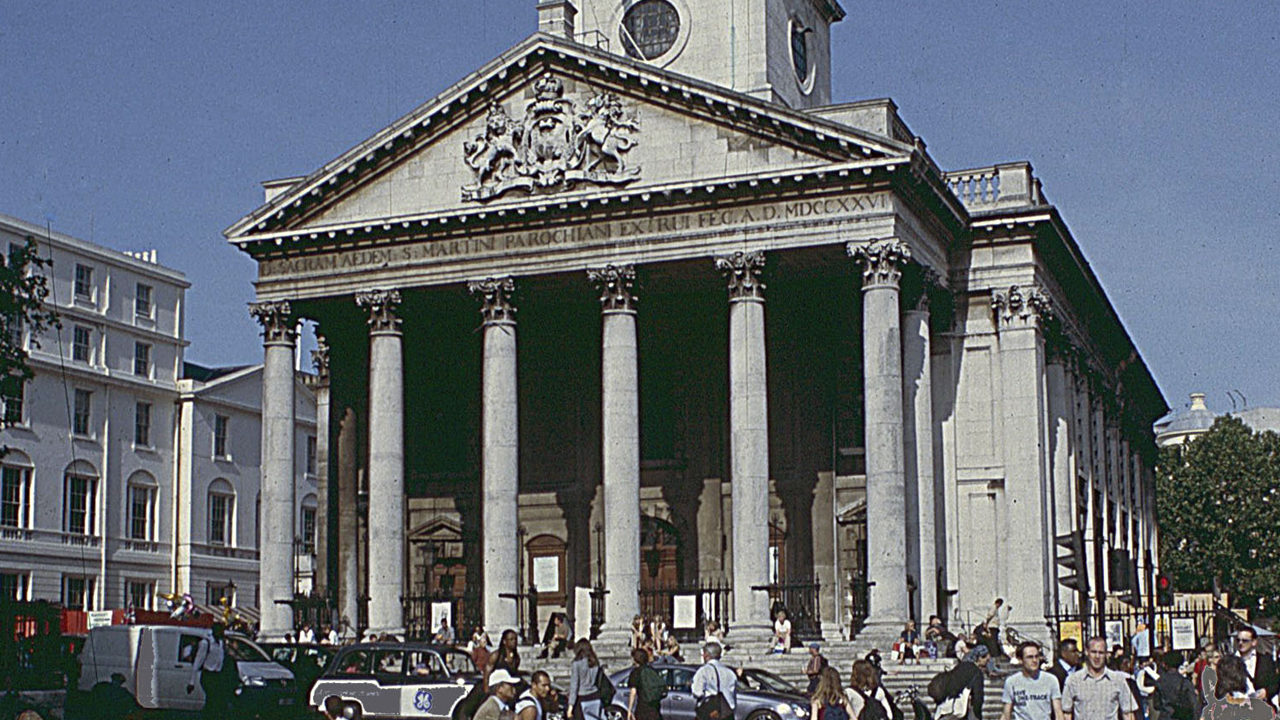
Example of visual style of Classicism

Classicism

Classicism is a visual style that emerged in ancient Greece and Rome during the 5th century BC to the 3rd century AD. It was characterized by a return to the aesthetic principles of order, harmony, and balance that were prevalent in Greek and Roman art and architecture. The style gained prominence during the Renaissance in the 15th and 16th centuries. Classicism became famous for its focus on idealized forms, symmetrical compositions, and a sense of proportion. It celebrated the virtues of balance, clarity, and rationality.

View StyleExplore Style
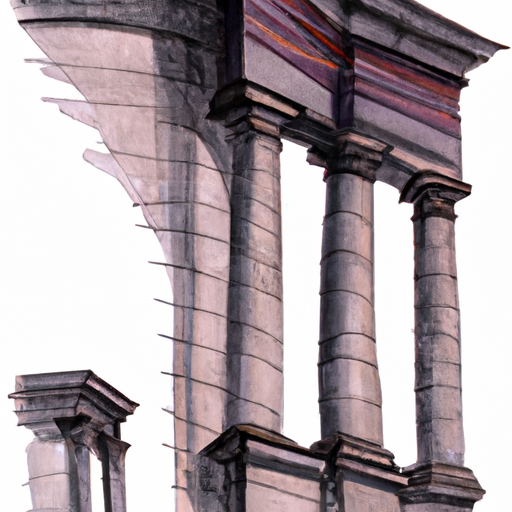
Example of visual style of Greek Architecture

Greek Architecture

Greek Architecture refers to the architectural style developed in ancient Greece from the 9th century BCE to the 1st century BCE. It became famous for its emphasis on harmony, proportion, and balance. Greek architects designed and constructed grand temples and public buildings using a variety of architectural orders, including the Doric, Ionic, and Corinthian. The Parthenon, built in Athens during the 5th century BCE, is one of the most iconic examples of Greek Architecture.

View StyleExplore Style
Home