StylopediaStylopedia

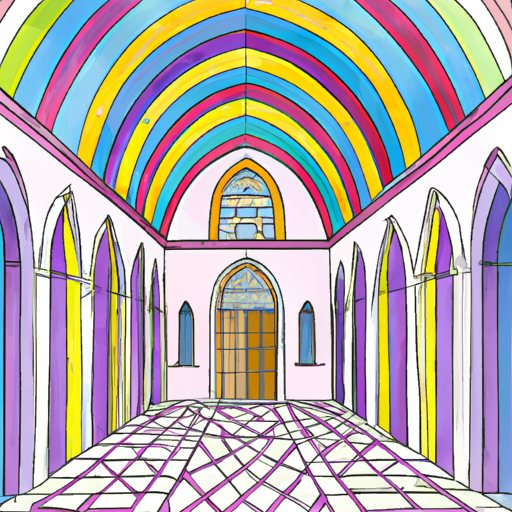
Perspective styles on Stylopedia

A visual encyclopedia of perspective styles – use as prompt inspiration for Midjourney, Gemini, or ChatGPT AI when making perspective images

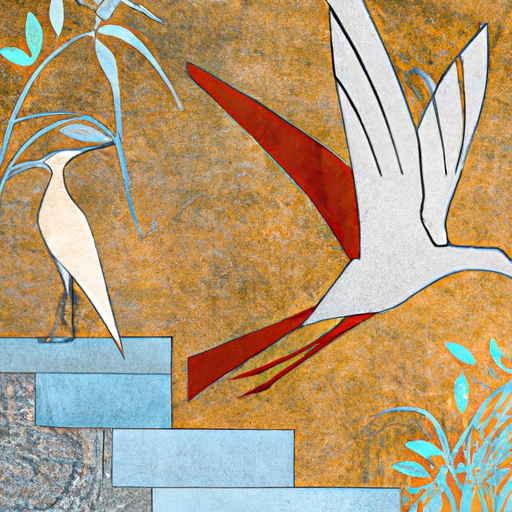
Example of visual style of Adolphe Mouron Cassandre

Adolphe Mouron Cassandre

Adolphe Mouron Cassandre was a French artist and designer best known for his iconic Art Deco poster designs in the 1920s and 1930s. His work is characterized by bold geometric shapes, simplified forms, and strong visual impact. Cassandre's designs often combined typography and graphic elements to create striking compositions. His innovative use of perspective, shadowing, and negative space made his posters instantly recognizable and influential. Cassandre's style reached its peak of popularity in the 1930s and his work continues to be celebrated as an important contribution to graphic design.

View StyleExplore Style
Example of visual style of Andrea Del Verrocchio

Andrea Del Verrocchio

Andrea Del Verrocchio was an Italian sculptor and painter who lived during the Renaissance. His visual style was characterized by the revival of classical forms and a naturalistic approach. Active between the late 15th and early 16th century, Verrocchio's art was known for its meticulous attention to detail, exquisite craftsmanship, and a sense of dynamic movement. He was famous for his ability to depict human emotions and his revolutionary use of perspective. Verrocchio's works, such as his bronze statue of David and his painting The Baptism of Christ, are considered masterpieces of the Renaissance period.

View StyleExplore Style
Example of visual style of Braque

Braque

Braque is a visual style developed by Georges Braque during the early 20th century. It is associated with the development of Cubism and was highly influential in the art world. Braque's style is characterized by the fragmentation and reassembling of objects, emphasizing multiple viewpoints. He was one of the pioneers of analytic cubism and collaborated closely with Pablo Picasso. Braque's work during the years 1908-1914 is particularly well-known, as it showcased his exploration of space, perspective, and the manipulation of form.

View StyleExplore Style
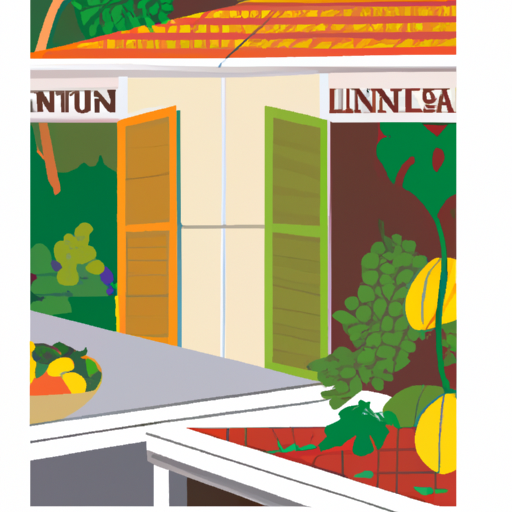
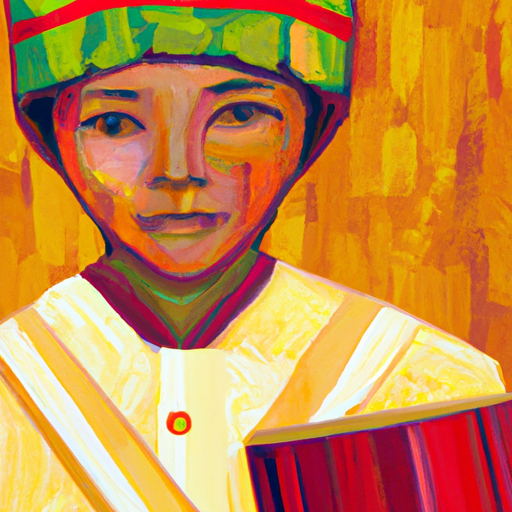
Example of visual style of David Hockney

David Hockney

David Hockney is an English painter, printmaker, and photographer known for his vibrant and colorful artworks. He emerged as a significant figure in the British Pop Art movement in the 1960s. Hockney's style is characterized by a unique blend of representation and abstraction, often using bold and bright colors to capture the essence of his subjects. His works have become famous for their exploration of space, perspective, and the use of collage. Hockney's most renowned works include his swimming pool paintings, double portraits, and landscapes. He continues to be a prominent and influential figure in the contemporary art world.

View StyleExplore Style
Example of visual style of Diego Velazquez

Diego Velazquez

Diego Velazquez was a Spanish painter who was active during the Baroque period in the 17th century. He is known for his realistic and detailed paintings that captured the essence of his subjects. Velazquez is particularly famous for his portraits, including the iconic 'Las Meninas' painted in 1656. His style was characterized by his masterful use of light and shadow, the ability to create depth and perspective, and his attention to detail in rendering textures and fabrics. Velazquez's works were highly praised for their naturalism and influenced generations of artists after him.

View StyleExplore Style
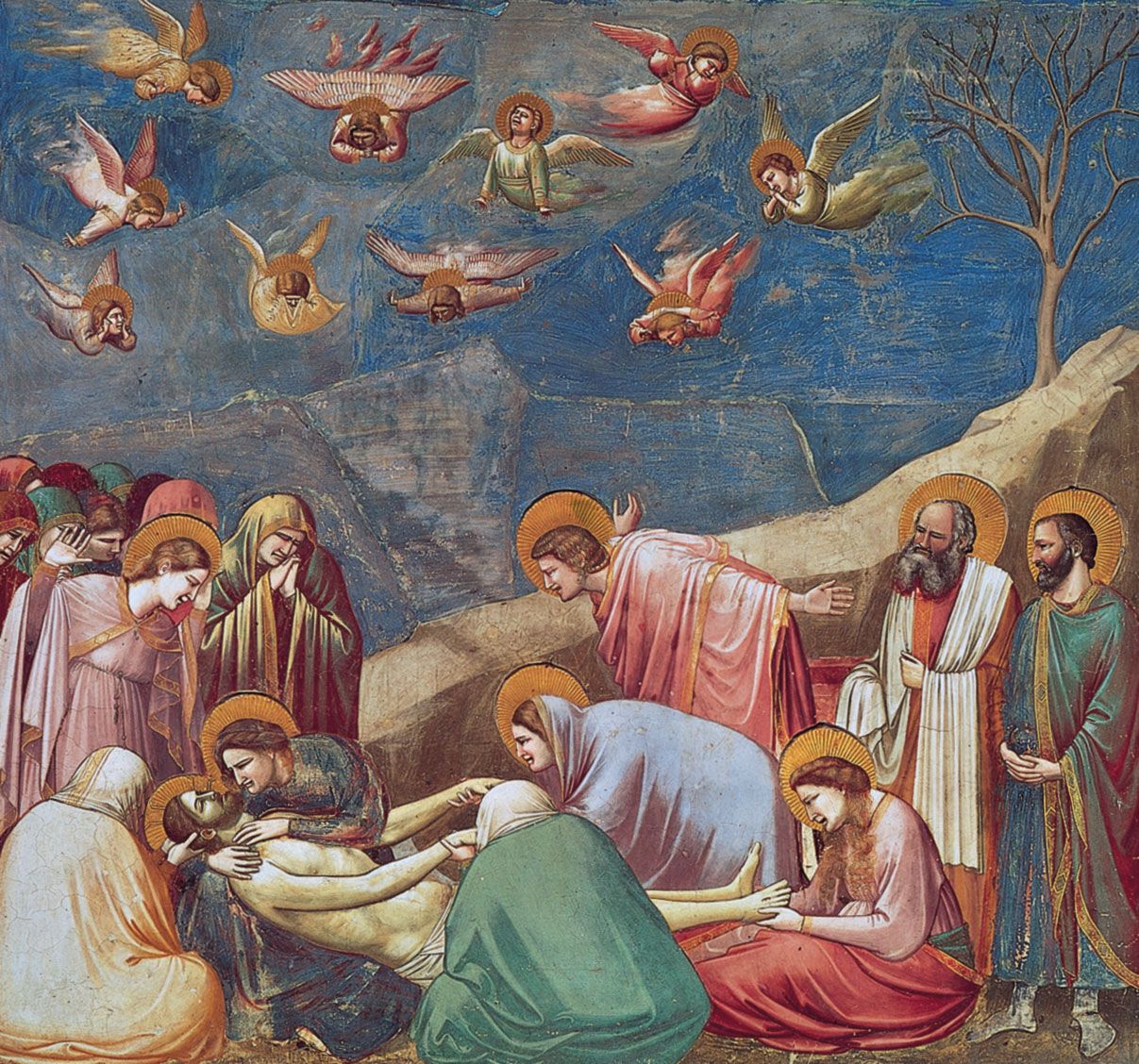
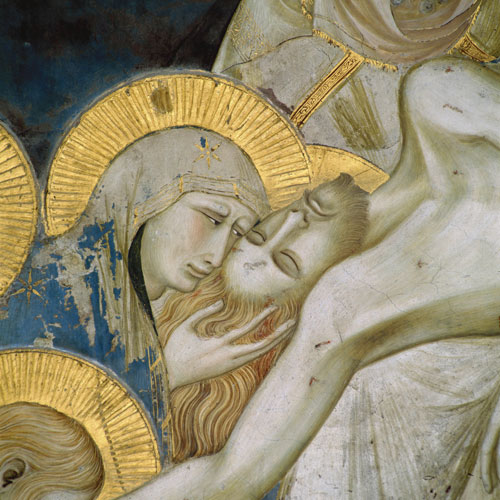
Example of visual style of Giotto

Giotto

Giotto is an Italian visual style that emerged in the 14th century. It is famous for its naturalistic and emotionally expressive representations of human figures, which broke away from the flat and stylized conventions of the Byzantine art that preceded it. Giotto's innovative use of light, shadow, and perspective brought a sense of three-dimensionality and depth to his paintings. This marked a significant shift in art history and laid the foundation for the Renaissance period.

View StyleExplore Style
Example of visual style of Hiroshige

Hiroshige

Hiroshige is a Japanese ukiyo-e artist who became famous for his landscape prints during the Edo period (1603-1868). He is best known for his series 'Fifty-three Stations of the Tōkaidō' and 'One Hundred Famous Views of Edo'. Hiroshige's visual style captures the beauty of nature, seasons, and atmospheric conditions with his use of vibrant colors, delicate lines, and meticulous details. His prints often depict scenes of famous landmarks, serene landscapes, and everyday life. Through his unique compositions and skillful use of perspective, Hiroshige's works have had a profound influence on both Japanese and Western art.

View StyleExplore Style
Example of visual style of Italian Art

Italian Art

Italian Art refers to the visual style that emerged in Italy between the 13th and 17th centuries. It encompasses various artistic movements such as the Renaissance, Baroque, and Mannerism. Italian Art gained fame for its remarkable attention to detail, use of perspective, and the realistic portrayal of human figures. Artists during this period, such as Leonardo da Vinci, Michelangelo, and Raphael, were known for their mastery in capturing the essence of beauty and a sense of humanism in their works. Italian Art played a pivotal role in shaping the history of Western art.

View StyleExplore Style
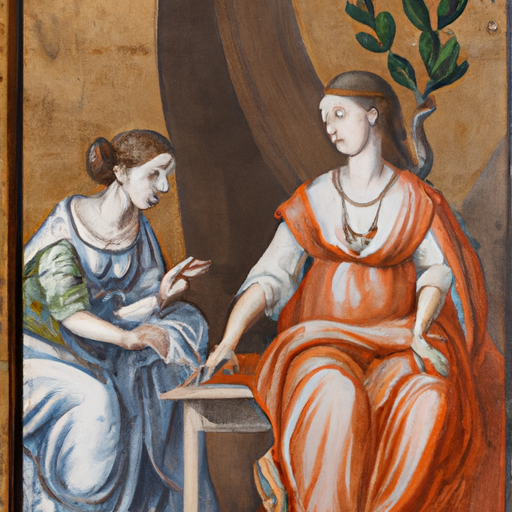
Example of visual style of Italian Renaissance

Italian Renaissance

Italian Renaissance was a period of great cultural and artistic achievement in Italy between the 14th and 16th centuries. It is characterized by the revival of classical forms, intellectual curiosity, and a focus on humanism. The Renaissance produced some of the most renowned artists, architects, and thinkers in history, such as Leonardo da Vinci, Michelangelo, and Raphael. Its emphasis on symmetry, perspective, and realism revolutionized art and had a lasting impact on Western civilization.

View StyleExplore Style
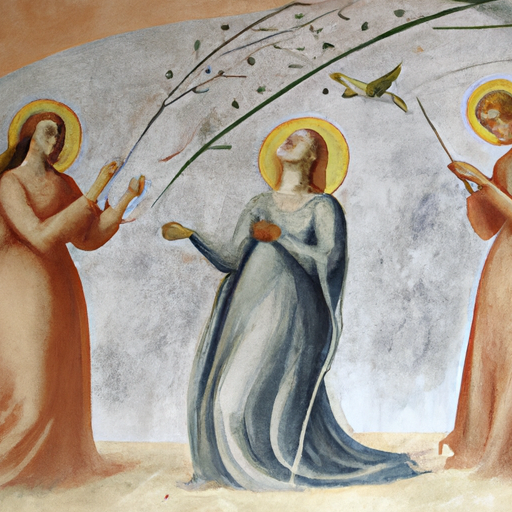
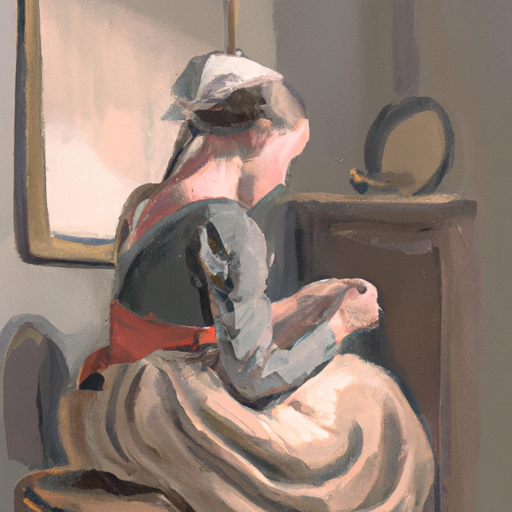
Example of visual style of Johannes Vermeer

Johannes Vermeer

Johannes Vermeer was a Dutch painter known for his realistic and intimate genre scenes. Active during the Dutch Golden Age in the 17th century, Vermeer's style is characterized by his use of light, color, and perspective to create meticulously detailed and atmospheric compositions. His works often feature domestic interiors, portraits, and landscapes, capturing everyday moments with remarkable precision and a sense of quiet beauty. Vermeer's realistic technique and ability to capture the play of light and shadow in his paintings have made him one of the most celebrated artists of his time.

View StyleExplore Style
Example of visual style of Marek Okon

Marek Okon

Marek Okon is a visual style known for its vibrant and contemporary aesthetic. This style emerged in the late 2000s and gained recognition for its unique use of color, geometric shapes, and digital manipulation. Marek Okon's work combines both photography and graphic design techniques to create visually striking and impactful imagery. He has become famous for his ability to create dynamic compositions that play with light, shadow, and perspective, resulting in visually captivating and memorable visuals.

View StyleExplore Style
Example of visual style of Masaccio

Masaccio

Masaccio was an Italian Renaissance painter known for his realistic depiction of figures, his use of perspective, and his focus on naturalism and emotional expression. Active in the early 15th century, Masaccio's works revolutionized the art world with his innovative use of perspective and his emphasis on human anatomy, light, and shadow. His famous frescoes in the Brancacci Chapel, such as 'The Expulsion from the Garden of Eden' and 'The Tribute Money', showcased his mastery in creating three-dimensional space and his ability to convey dramatic narratives.

View StyleExplore Style
Example of visual style of Paolo Uccello

Paolo Uccello

Paolo Uccello was an Italian painter whose style emerged during the early Renaissance period. His works are characterized by their meticulous attention to detail and the use of perspective. Uccello was particularly famous for his innovative approach to representing geometric objects in his paintings, which greatly influenced artists of his time. He is best known for his masterpiece 'The Battle of San Romano,' created between 1438 and 1440. This artwork showcases Uccello's mastery of foreshortening and his ability to create a sense of depth and movement within a two-dimensional space.

View StyleExplore Style
Example of visual style of Raphael

Raphael

Raphael is an Italian Renaissance visual style that emerged in the early 16th century. It is named after the renowned Italian painter and architect, Raffaello Sanzio da Urbino, commonly known as Raphael. This style was particularly famous during the High Renaissance period (1500-1520) in Italy. Raphael's style was characterized by its harmonious compositions, idealized figures, and naturalistic representations. His use of perspective, classical influences, and attention to detail brought a sense of balance, beauty, and grace to his paintings, which made him one of the most celebrated artists of his time.

View StyleExplore Style
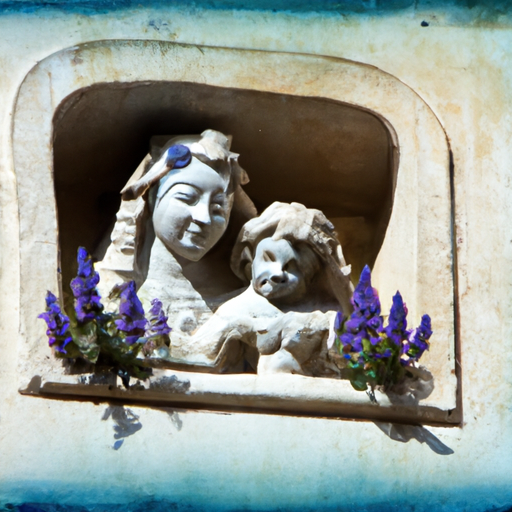
Example of visual style of Renaissance Art

Renaissance Art

Renaissance Art refers to the period of art history between the 14th and 17th centuries in Europe, characterized by a revival of classical influences and a focus on realistic depiction. This period witnessed a shift from the medieval style to a more naturalistic approach, with a strong emphasis on human anatomy and perspective. Renowned artists like Leonardo da Vinci, Michelangelo, and Raphael played a significant role in shaping Renaissance Art. The artworks of this era are famous for their attention to detail, harmonious composition, and the use of techniques such as chiaroscuro and sfumato.

View StyleExplore Style
Home