StylopediaStylopedia

Organic styles on Stylopedia

A visual encyclopedia of organic styles – use as prompt inspiration for Midjourney, Gemini, or ChatGPT AI when making organic images

Example of visual style of Antoni Gaudí

Antoni Gaudí

Antoni Gaudí was a Catalan architect from the late 19th and early 20th century, known for his unique and highly distinctive architectural style. Gaudí's style is characterized by its organic forms, elaborate detailing, and the integration of natural elements. His most famous works, such as the Sagrada Família and Casa Batlló in Barcelona, are prime examples of his style. Gaudí's use of innovative structural solutions, including the combination of materials such as stained glass, ceramics, stone, and iron, made his works truly revolutionary for his time. His style became famous for its combination of art and architecture, blending aesthetics with functionality to create truly awe-inspiring spaces.

View StyleExplore Style
Example of visual style of Art Nouveau

Art Nouveau

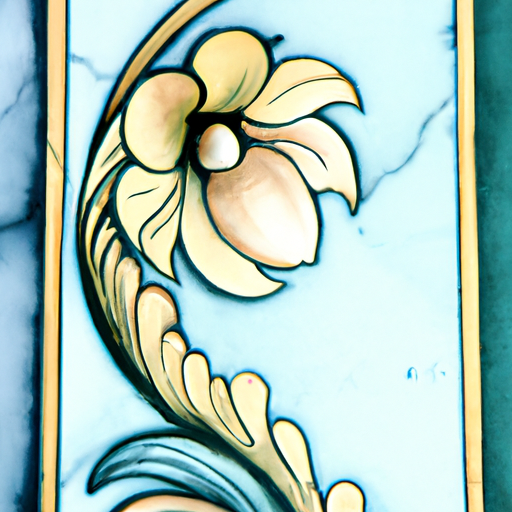
Art Nouveau, which emerged in the late 19th century and lasted until around 1910, is an artistic style characterized by its curvilinear forms and organic motifs inspired by nature. It is known for its ornate and highly decorative designs, embracing flowing lines, floral patterns, and intricate details. Art Nouveau gained popularity as a reaction against the academic art of the time and became famous for its innovative use of materials and techniques, including stained glass, ironwork, and decorative arts. This style reached its height of influence during the Belle Époque, particularly in Europe and the United States.

View StyleExplore Style
Example of visual style of Barbara Chase Riboud

Barbara Chase Riboud

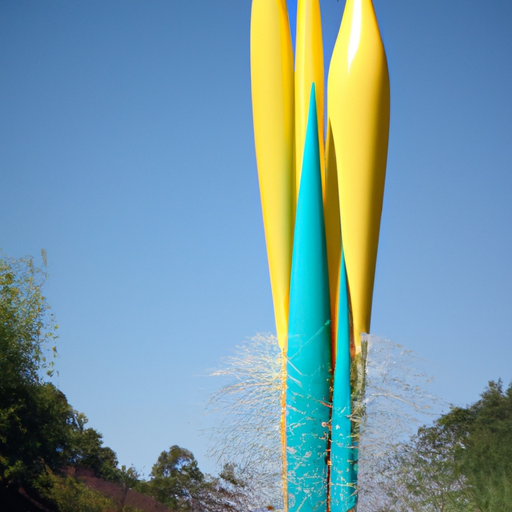
Barbara Chase Riboud is a visual style that emerged in the late 1960s and gained prominence in the 1970s. It is characterized by bold and dramatic sculptures and mixed-media artworks. Riboud's style became famous for integrating African and African American cultural motifs with geometric forms and organic materials, exploring themes of history, race, and feminism. Her use of materials like bronze, textiles, and wood, along with her attention to intricate details, creates a sense of tactile and visual richness.

View StyleExplore Style
Example of visual style of Eames

Eames

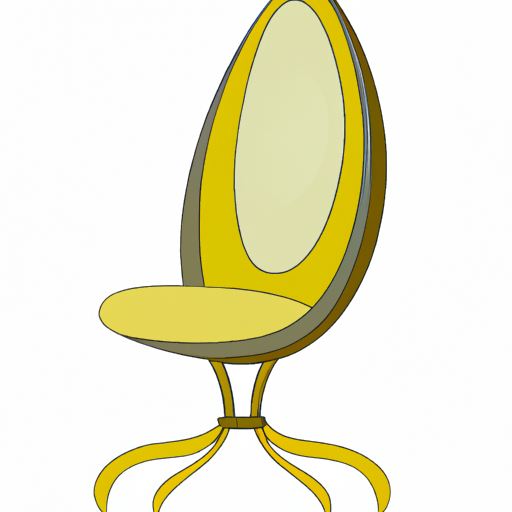
The Eames visual style is a mid-century modern design that emerged in the 1940s and 1950s. It was popularized by the famous American design couple Charles and Ray Eames. Known for its organic forms, clean lines, and innovative use of materials, the Eames style aimed to combine function, comfort, and beauty. The Eames' iconic furniture designs, such as their molded plywood chairs and the Eames Lounge Chair, became symbols of modern design. With their emphasis on functionality, simplicity, and craftsmanship, the Eames style continues to influence contemporary design and architecture.

View StyleExplore Style
Example of visual style of Eero Saarinen

Eero Saarinen

Eero Saarinen was a Finnish-American architect and industrial designer known for his unique and innovative designs during the mid-20th century. Born in 1910, Saarinen became famous for his futuristic and sculptural forms that blended art and architecture. He gained popularity in the 1950s and 1960s with iconic projects like the Gateway Arch in St. Louis and the TWA Flight Center at John F. Kennedy International Airport in New York. Saarinen's work was characterized by clean lines, sweeping curves, and a sense of organic movement. His designs were often bold and sculptural, pushing the boundaries of traditional architectural styles and materials.

View StyleExplore Style
Example of visual style of George Nakashima

George Nakashima

George Nakashima was a Japanese-American woodworker and furniture designer. He is known for his unique style of furniture, which blended elements of traditional Japanese design with modernist influences. Nakashima's work became particularly famous in the 1950s and 1960s. What made him famous was his mastery of craftsmanship and his emphasis on the natural beauty of the wood. He utilized the natural edges and imperfections of the wood to create organic, flowing forms that celebrated the material's natural essence and revealed its history.

View StyleExplore Style
Example of visual style of Georgia Green

Georgia Green

Georgia Green is a visual style that emerged in the early 20th century. It rose to prominence between the 1920s and 1950s. This style became famous for its vibrant use of the color green, inspired by the lush landscapes of Georgia. It features bold and organic shapes, incorporating elements from nature such as leaves, trees, and floral motifs. Georgia Green is often associated with Art Deco and the Art Nouveau movements, as it shares a similar emphasis on natural forms and decorative patterns.

View StyleExplore Style
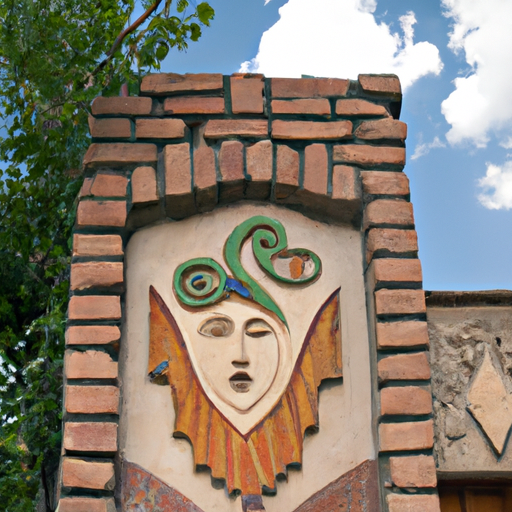
Example of visual style of Hans Arp

Hans Arp

Hans Arp was a German-French artist and poet known for his abstract and organic visual style. He played a key role in the development of Dadaism and Surrealism. Arp's artistic career spanned from the early 1900s to the 1960s, during which he explored unconventional forms, biomorphic shapes, and the integration of chance in art. His works often showcased a playful and whimsical approach, blurring the distinction between nature and abstraction. Hans Arp's unique style and contributions to the art movement made him a prominent figure in modern art history.

View StyleExplore Style

Example of visual style of Hector Guimard

Hector Guimard

Hector Guimard was a prominent French architect and designer, best known for his influential Art Nouveau style during the late 19th and early 20th centuries. His style, characterized by organic and curvilinear forms, was especially prominent in his architectural designs, such as the Paris Metro entrances. Guimard combined elements of nature, such as plants and insects, with innovative use of materials like cast iron and glass. His designs were revolutionary at the time and became iconic symbols of the Art Nouveau movement, representing the blending of art and architecture in a harmonious and decorative manner.

View StyleExplore Style

Example of visual style of Jim Burns

Jim Burns

Jim Burns is a science fiction and fantasy artist known for his vivid and imaginative artworks. His work became famous during the 1970s and 1980s, and he continues to be a prominent figure in the genre. Burns' style is characterized by his use of vibrant colors, intricate details, and a fusion of organic and futuristic elements. His illustrations often feature fantastical landscapes, alien creatures, and futuristic technology, creating visual narratives that transport viewers to otherworldly realms.

View StyleExplore Style
Example of visual style of Micah Lidberg

Micah Lidberg

Micah Lidberg is a visual artist known for his intricate and whimsical illustrations. His style is characterized by detailed linework, vibrant colors, and a mix of organic and geometric elements. Lidberg's work gained popularity in the early 2010s for its intricate patterns and imaginative landscapes. His illustrations often depict dreamlike scenes, blending natural forms with fantastical creatures and surreal environments. Lidberg's unique style has garnered attention and acclaim in the world of editorial illustration and has been featured in numerous publications.

View StyleExplore Style
Example of visual style of Michele De Lucchi

Michele De Lucchi

Michele De Lucchi is an Italian architect and designer known for his organic and innovative designs. He first became famous in the 1980s as one of the founding members of the Memphis Group, a design collective that challenged traditional notions of form and function. De Lucchi's style is characterized by bold colors, geometric shapes, and experimental materials. His work often incorporates a sense of playfulness and whimsy, while maintaining a functional and practical approach.

View StyleExplore Style
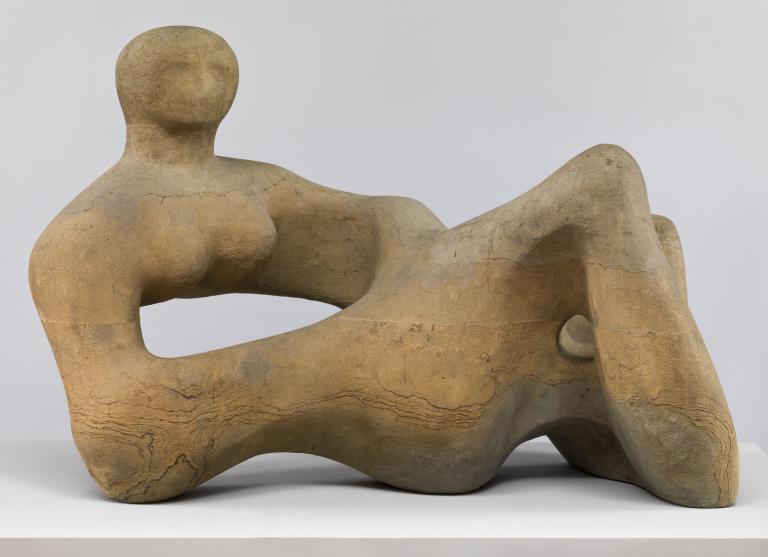
Example of visual style of Park Guell

Park Guell

Park Guell is a visual style associated with the works of architect Antoni Gaudi. It emerged in the early 20th century, specifically between 1900 and 1914. The style is characterized by vibrant colors, organic shapes, and the use of intricate mosaic patterns. Gaudi's innovative architectural techniques and incorporation of natural elements, such as stone and ceramics, made Park Guell famous as a unique and iconic masterpiece of modernist architecture in Barcelona.

View StyleExplore Style
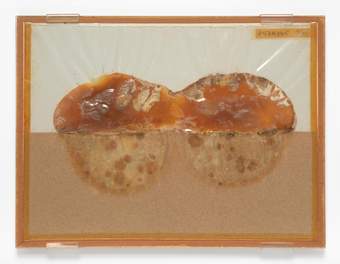
Example of visual style of Spore

Spore

Spore is a visually unique and innovative game developed by Maxis, released in 2008. It gained widespread popularity due to its procedural generation techniques and the ability of players to create and evolve their own species through different evolutionary stages. The game features a vibrant and whimsical art style that combines organic shapes, bright colors, and a playful aesthetic. Its visual design was influential during its release, inspiring other games and artists to experiment with similar procedural and stylized visuals.

View StyleExplore Style
Home