StylopediaStylopedia

Neoclassical styles on Stylopedia

A visual encyclopedia of neoclassical styles – use as prompt inspiration for Midjourney, Gemini, or ChatGPT AI when making neoclassical images

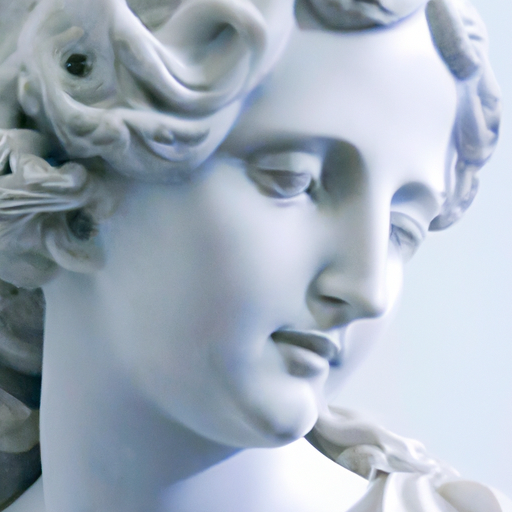
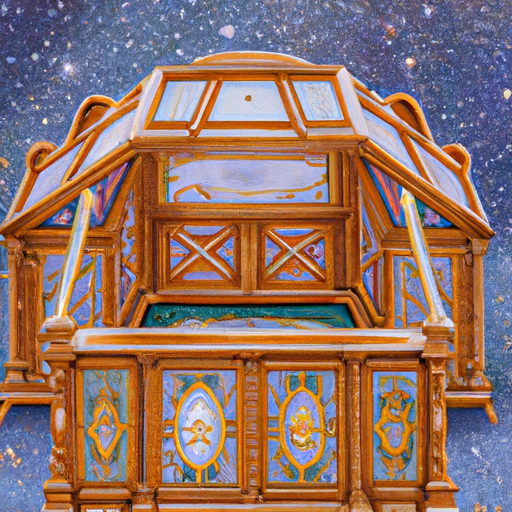
Example of visual style of Bertel Thorvaldsen

Bertel Thorvaldsen

Bertel Thorvaldsen was a Danish sculptor who achieved great fame in the early 19th century. His visual style is characterized by neoclassical aesthetics with a focus on idealized forms and classical themes. He gained recognition for his ability to capture the beauty and grace of the human figure, drawing inspiration from ancient Greek and Roman art. His works often portrayed mythological figures, historical figures, and religious subjects. Thorvaldsen's sculptures are known for their meticulous attention to detail, harmonious proportions, and elegant compositions.

View StyleExplore Style
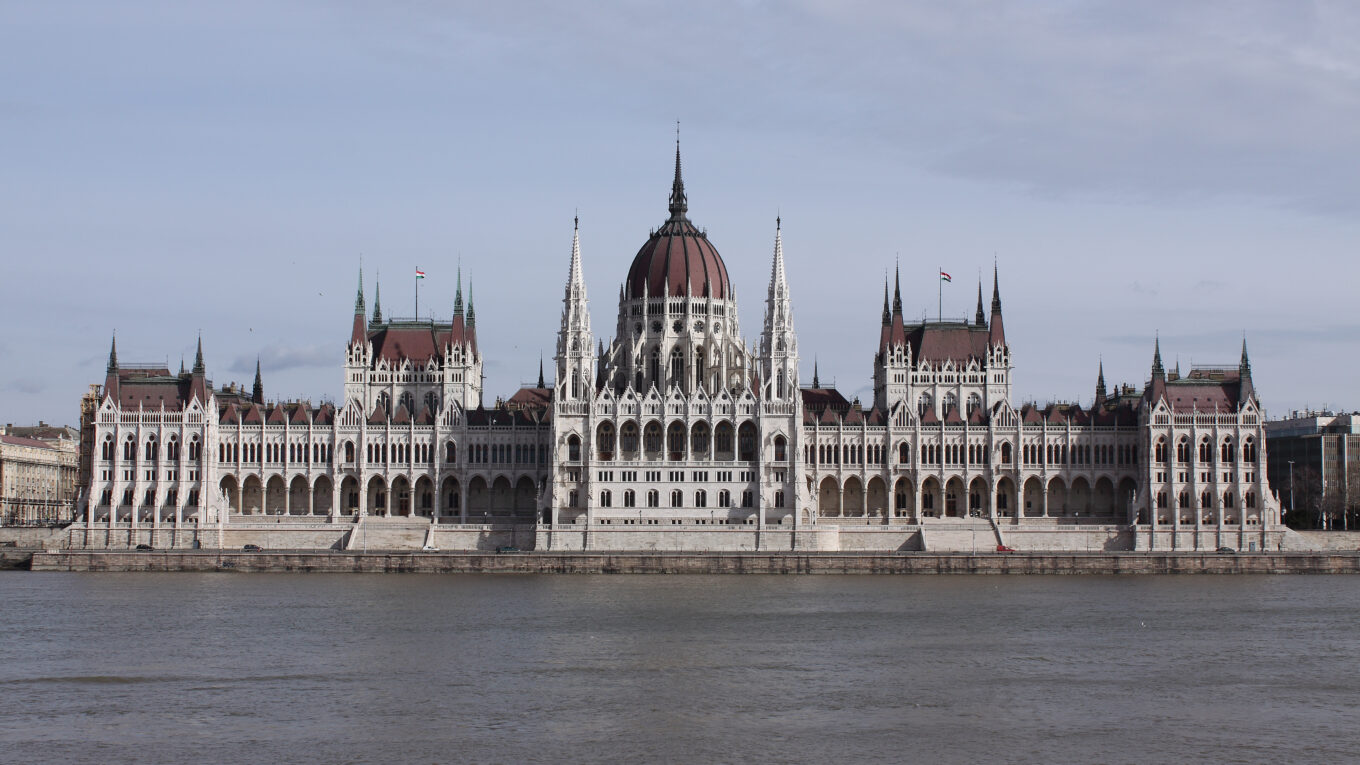
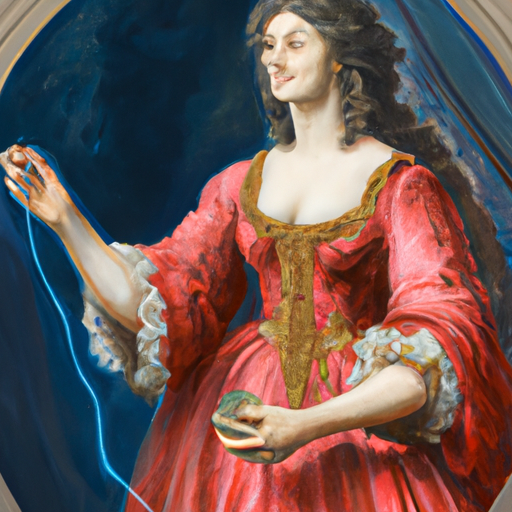
Example of visual style of Charles Barry

Charles Barry

Charles Barry was a prominent British architect known for his work in the 19th century. He was famous particularly for his neoclassical and Gothic Revival designs. His most notable project was the rebuilding of the Houses of Parliament in London, completed in 1870. Barry's style blended classical elements with intricate Gothic details, creating grand and imposing structures. His works embodied Victorian architectural ideals and played a significant role in shaping the architectural landscape of the era.

View StyleExplore Style
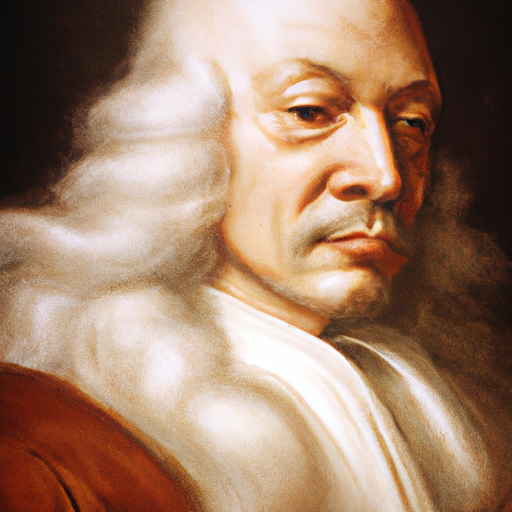
Example of visual style of Daniel Burnham

Daniel Burnham

The Daniel Burnham style is characterized by its grandeur and classical architectural elements. It emerged during the late 19th century and early 20th century in the United States. Daniel Burnham was a prominent architect and urban planner known for his neoclassical designs and monumental buildings. His works, such as the Flatiron Building in New York City and the Union Station in Washington D.C., became iconic symbols of the era. The style is characterized by its Beaux-Arts influence, incorporating symmetrical facades, elaborate ornamentation, and monumental scale. It represents the grand ambitions and progressiveness of the Gilded Age and its architectural feats have left a lasting impact on the American urban landscape.

View StyleExplore Style
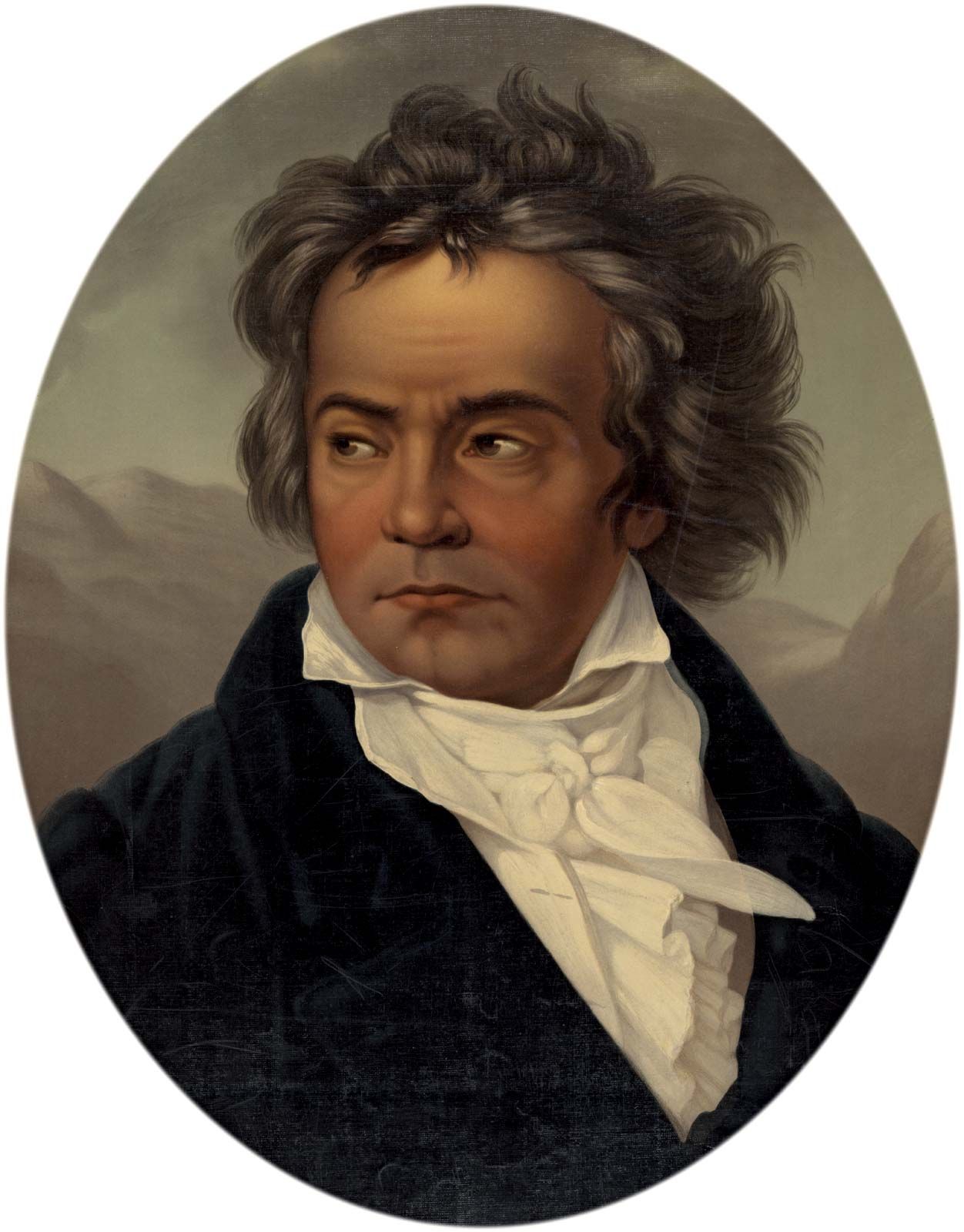
Example of visual style of Gothic Revival

Gothic Revival

Gothic Revival is an architectural and design style that emerged in the late 18th century, reaching its peak popularity during the 19th century. It draws inspiration from the medieval Gothic style, particularly the pointed arches, ribbed vaults, and intricate ornamentation of Gothic cathedrals and castles. Gothic Revival became famous as it embodied a romanticized perception of the Middle Ages and represented a reaction against the prevailing neoclassical styles of the time.

View StyleExplore Style
Example of visual style of Jacques Louis David

Jacques Louis David

Jacques Louis David was a prominent neoclassical painter in the late 18th to early 19th century. He is known for his highly precise and detailed compositions, often depicting historical and mythological subjects. David's works were characterized by their sharp lines, clear forms, and intense use of light and shadow. His paintings were highly structured and idealized, often showcasing heroic figures and scenes of political significance. Some of his famous works include 'The Death of Socrates' (1787) and 'Napoleon Crossing the Alps' (1801). David's style became famous for its grandeur, dramatic storytelling, and allegiance to classical ideals.

View StyleExplore Style
Example of visual style of Jean Auguste Dominique Ingres

Jean Auguste Dominique Ingres

Jean Auguste Dominique Ingres was a 19th-century French neoclassical painter known for his precise draftsmanship and meticulous attention to detail. His style is characterized by its smooth, polished surfaces, idealized figures, and crisp lines. Ingres's work became famous for its sensual and refined depictions of the human form, particularly in his portraits. He established himself as a prominent figure in the art world during the early 19th century and his style had a significant influence on later artists.

View StyleExplore Style
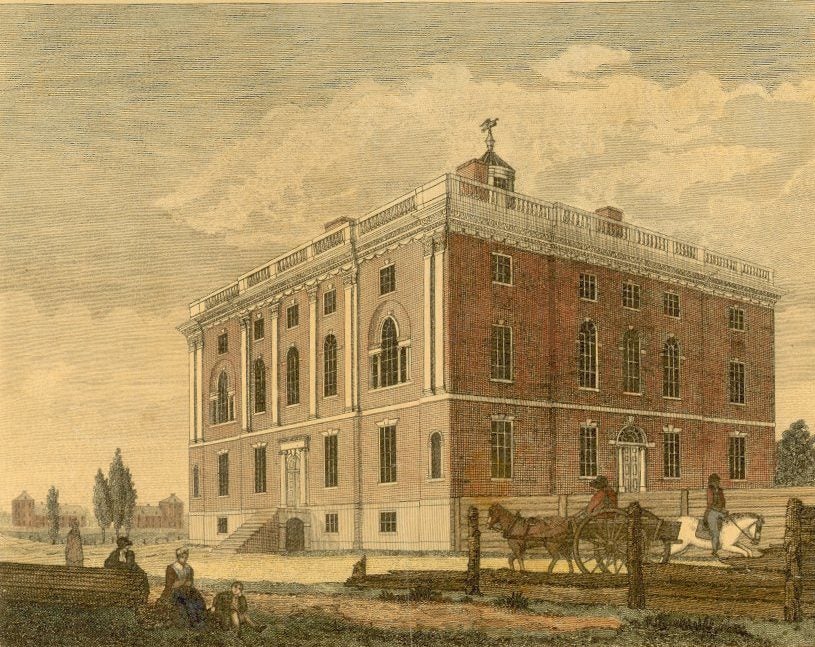
Example of visual style of Jean Louis Berthault

Jean Louis Berthault

Jean Louis Berthault is a visual style that emerged in the late 18th century and was highly influential during the French Neoclassical period. Known for his intricate and detailed line work, Berthault was a prominent French designer and engraver who became famous for his architectural prints. His works featured accurate depictions of buildings and landscapes, capturing the grandeur and elegance of the Neoclassical style. Berthault's meticulous attention to detail and his ability to convey the true essence of classical architecture made him one of the most celebrated artists of his time.

View StyleExplore Style
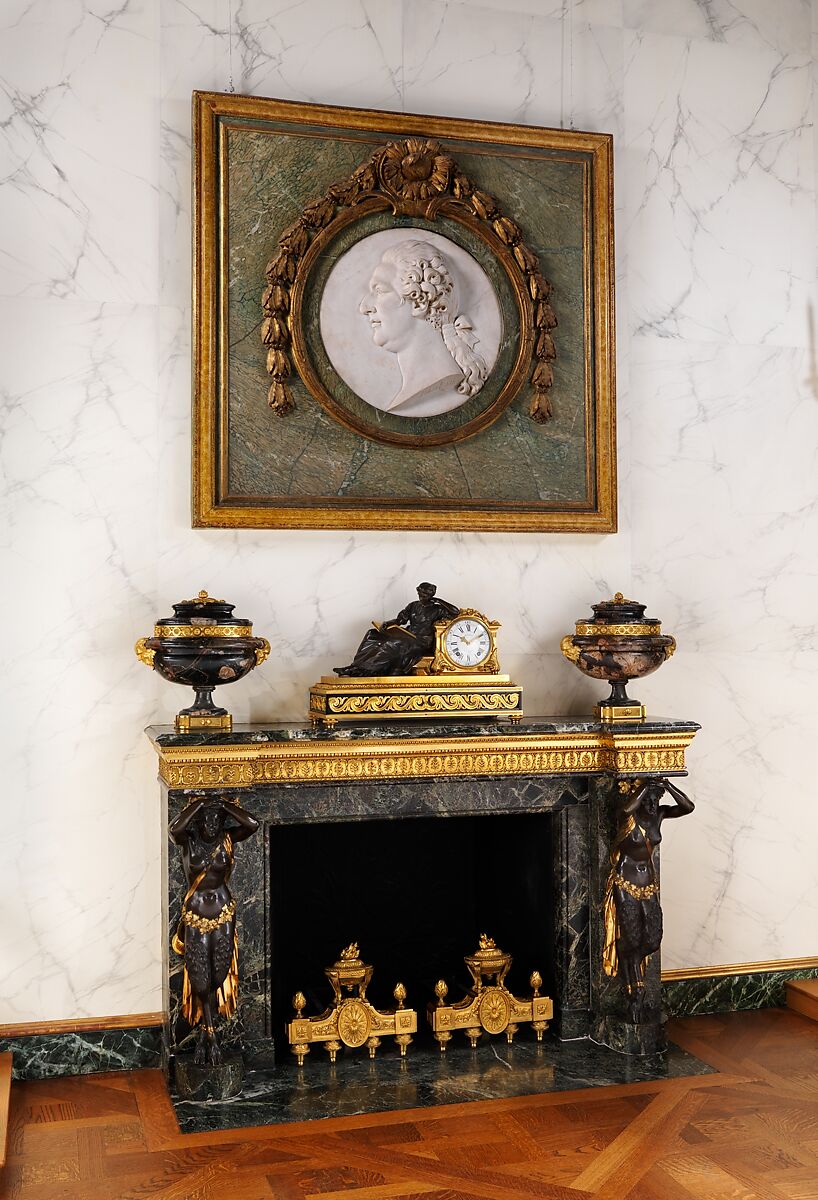
Example of visual style of John Flaxman

John Flaxman

The visual style of John Flaxman emerged in the late 18th and early 19th centuries. Flaxman was an English sculptor and illustrator known for his neoclassical style. His works were characterized by their simplicity, elegance, and classical influences. Flaxman's style gained fame for its ability to capture the essence of ancient Greek and Roman art while infusing it with a sense of emotion and humanity. His imaginative and expressive illustrations, particularly those for literary works such as Dante's 'Divine Comedy' and Homer's 'Iliad', became widely acclaimed. Flaxman's visual style was influential in the neoclassical movement, which sought to revive classical aesthetics in art and design.

View StyleExplore Style
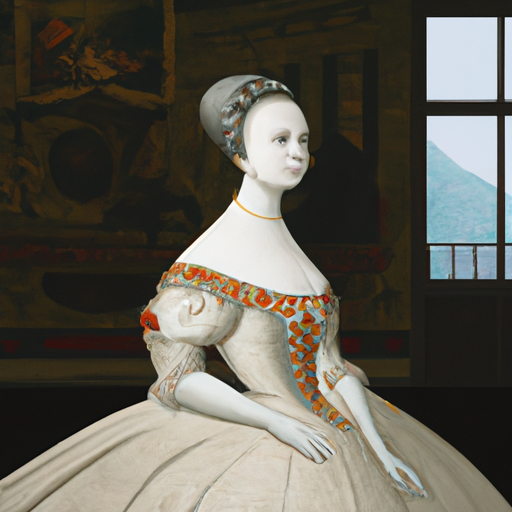
Example of visual style of King Louis XVI

King Louis XVI

King Louis XVI was a visual style that emerged during the late 18th century in France, particularly during the reign of King Louis XVI from 1774 to 1792. This style was known for its opulence, extravagance, and grandeur. It was inspired by the Neoclassical aesthetic and influenced by the Rococo style that preceded it. King Louis XVI style gained popularity through its association with the French monarchy and its lavishness, as well as being a reaction to the simplicity and restraint of the Enlightenment period.

View StyleExplore Style
Example of visual style of Louis XVI Style

Louis XVI Style

The Louis XVI Style emerged in France during the reign of King Louis XVI, from 1774 to 1792. It is characterized by a return to classical forms inspired by ancient Greece and Rome. This style gained popularity after the excesses of the preceding Rococo period. It is known for its refined elegance and architectural symmetry, incorporating motifs such as fluted columns, urns, laurel wreaths, and cameos. The Louis XVI Style is famous for its use of neoclassical elements and delicate ornamentation, reflecting a more restrained and refined taste.

View StyleExplore Style
Example of visual style of Mythological Art

Mythological Art

Mythological Art is a visual style that emerged in ancient civilizations and later reemerged during the Renaissance and Neoclassical periods. It depicts mythological themes and figures from various cultures, including Greek, Roman, Egyptian, and Norse mythologies. Notable years for this style include the ancient Greek and Roman periods, as well as the revival during the 15th to 19th centuries. Mythological Art became famous for its intricate detailing, vibrant colors, and grandiose compositions. It often portrays gods, goddesses, heroes, and supernatural creatures, showcasing epic narratives and symbolic representations.

View StyleExplore Style
Example of visual style of Neoclassical Artists

Neoclassical Artists

Neoclassical Artists refers to a visual style that emerged in the late 18th and early 19th centuries in Europe. Influenced by the revival of classical Greek and Roman art, this style emphasized harmony, order, and a return to the ideals of ancient civilizations. Neoclassical Artists sought to capture the grandeur and beauty of antiquity through their art, depicting historical and mythological scenes, as well as portraits of prominent figures. This style became famous for its attention to detail, use of classical motifs, and a sense of idealized perfection.

View StyleExplore Style
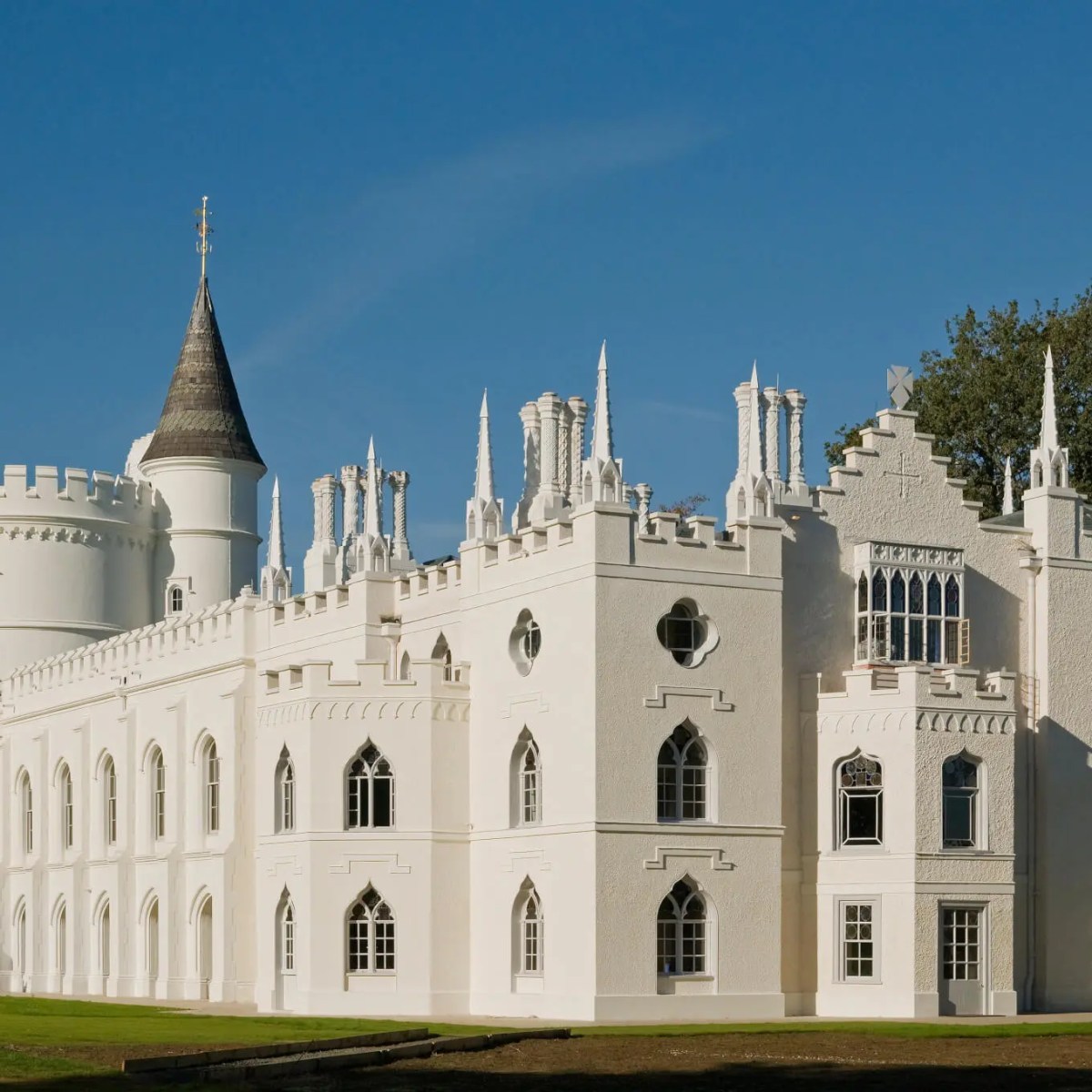
Example of visual style of Thomas Chippendale

Thomas Chippendale

Thomas Chippendale was an 18th-century English cabinetmaker and furniture designer. He was highly influential in the development of the Neoclassical style. Chippendale's style is characterized by a fusion of Rococo and Gothic design elements, with intricate carvings, delicate curves, and ornate details. His furniture pieces were often made from mahogany and featured distinctive motifs such as cabriole legs, Chinese-style fretwork, and Gothic-inspired arches. Chippendale's designs became famous not only for their craftsmanship but also for their versatility, as he provided pattern books that allowed customers to choose from a wide range of designs and customize furniture to their preferences.

View StyleExplore Style
Home