StylopediaStylopedia

Natural materials styles on Stylopedia

A visual encyclopedia of natural materials styles – use as prompt inspiration for Midjourney, Gemini, or ChatGPT AI when making natural materials images

Example of visual style of Andy Goldsworthy

Andy Goldsworthy

Andy Goldsworthy is a British sculptor and environmental artist known for his site-specific sculptures and installations that interact with and are influenced by the natural environment. He became famous in the 1980s for his ephemeral and process-oriented artworks, which often involve the use of materials found in nature such as leaves, stones, ice, and branches. Goldsworthy's unique approach to art-making, combining aesthetic beauty with transient and impermanent elements, has gained him international recognition.

View StyleExplore Style
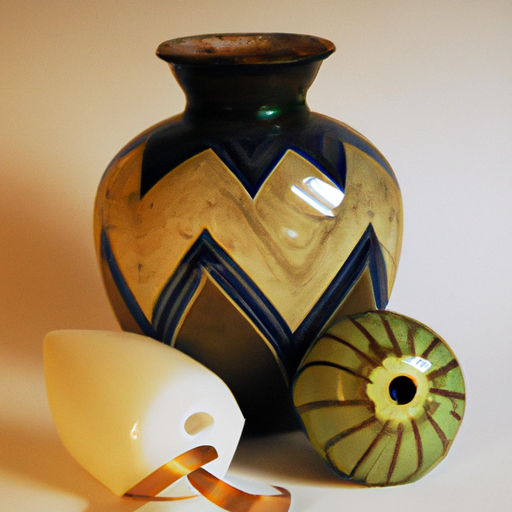
Example of visual style of Arts And Crafts

Arts And Crafts

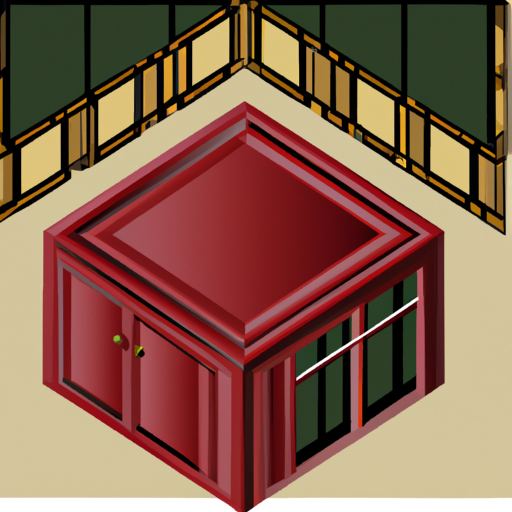
Arts and Crafts is a style that emerged in the late 19th century in Britain and gained popularity in the early 20th century. It was a reaction against industrialization and emphasized craftsmanship, traditional techniques, and natural materials. This style was made famous by influential designers and architects like William Morris, Charles Rennie Mackintosh, and Gustav Stickley. It was characterized by intricate patterns, handcrafted furniture, simple forms, and a focus on the beauty of natural materials.

View StyleExplore Style
Example of visual style of Arts And Crafts Movement

Arts And Crafts Movement

The Arts and Crafts Movement emerged in the late 19th century and became prominent between the 1880s and 1910s. It originated in England and was motivated by a desire to revive traditional craftsmanship in response to the industrial age. Led by influential figures like William Morris, it sought to reunite artistry and production, prioritizing quality craftsmanship, handmade objects, and simple forms. The movement celebrated the beauty of natural materials and emphasized the importance of handmade goods. The Arts and Crafts Movement was a response to mass production, promoting the idea of 'art for all' and influenced various design fields, including architecture, interior design, and decorative arts.

View StyleExplore Style
Example of visual style of Bohemian Style

Bohemian Style

Bohemian style, also known as Boho chic, emerged in the early 2000s as a fashion trend and has become a popular visual style ever since. Inspired by the free-spirited and unconventional lifestyle of the bohemian movement of the 1960s and 1970s, this style combines elements of hippie, gypsy, and vintage aesthetics. Characterized by its eclectic and expressive nature, the Bohemian style embraces bright colors, bold patterns, and a mix of textures. It often incorporates natural materials like wood, wicker, and rattan, as well as handmade or artisanal objects. Romantic and whimsical, Bohemian style celebrates individuality and a sense of adventure.

View StyleExplore Style
Example of visual style of Gustav Stickley

Gustav Stickley

Gustav Stickley was a prominent American furniture designer and architect who was part of the Arts and Crafts movement. His work was influential from the late 19th century to the early 20th century, particularly in the period from 1901 to 1916. Stickley's furniture design emphasized simplicity, functionality, and craftsmanship, with an emphasis on handmade construction and the use of natural materials. His designs often featured clean lines, sturdy construction, and traditional joinery techniques. This style became famous for its high-quality craftsmanship and the philosophy of honest, well-made furniture.

View StyleExplore Style
Example of visual style of Japanese Design

Japanese Design

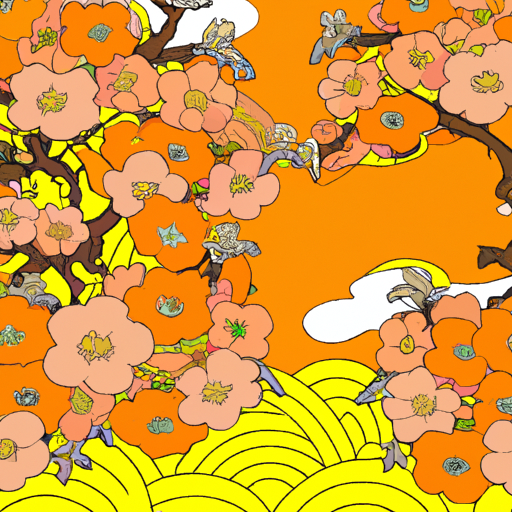
Japanese Design is a style that emerged during the Edo period (1603-1868) and continues to be influential in contemporary design. It is known for its minimalism, refinement, and attention to detail. The beauty of imperfection and simplicity are key elements in this style. The use of natural materials such as wood and paper, as well as the incorporation of traditional craftsmanship techniques, are distinctive features. Japanese Design gained international recognition in the late 19th century through the works of artists like Hokusai and Hiroshige, who popularized the Ukiyo-e woodblock prints. The harmony between form and function along with the integration of nature are core principles that made Japanese Design famous.

View StyleExplore Style
Example of visual style of Scandinavian Design

Scandinavian Design

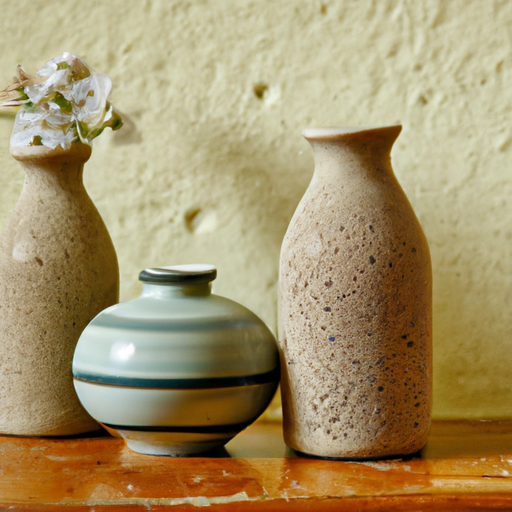
Scandinavian Design is a minimalistic, functional, and clean design style that emerged in the mid-20th century, primarily in the Nordic countries. It gained prominence in the 1950s and 1960s, when it became famous for its emphasis on simplicity, functionality, and natural materials. This style focuses on creating a harmonious and uncluttered look, with an emphasis on practicality and craftsmanship. The design principles of Scandinavian Design influenced the development of the modern design movement and continue to shape contemporary design trends.

View StyleExplore Style
Example of visual style of Tadao Ando

Tadao Ando

Tadao Ando is a minimalist architectural style developed by the Japanese architect Tadao Ando. It emerged in the late 20th century and became famous for its simplicity, use of natural materials, and incorporation of natural light. Ando's architecture often features clean lines, geometric shapes, and a focus on creating harmony between the built environment and nature. His use of concrete as a primary material and the way he manipulates light and shadow are distinctive elements of his style.

View StyleExplore Style
Example of visual style of Tokujin Yoshioka

Tokujin Yoshioka

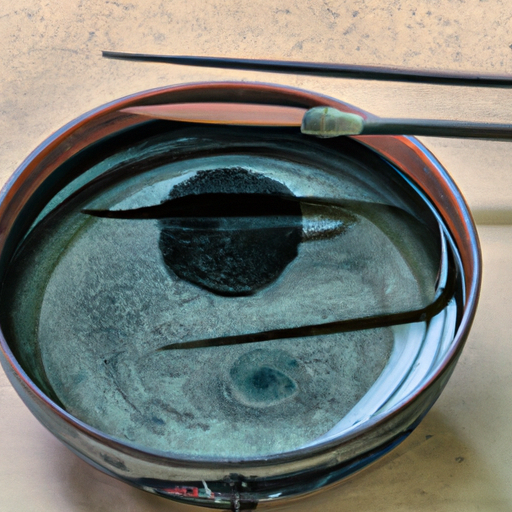
Tokujin Yoshioka is a Japanese designer known for his minimalist and ethereal style that seamlessly combines art and design. His work is characterized by its poetic and delicate qualities, often utilizing natural materials and light to create a sense of tranquility and wonder. Yoshioka rose to prominence in the 2000s with his innovative and cutting-edge designs for various industries, including architecture, furniture, and fashion. His famous projects include the 'Honey-Pop' chair (2001), 'Water Block' installation (2006), and the 'Fragrance' exhibition at the Museum of Contemporary Art, Tokyo (2012). With his unique vision and ability to push boundaries, Tokujin Yoshioka has become a leading figure in contemporary design.

View StyleExplore Style
Home