StylopediaStylopedia

Movement styles on Stylopedia

A visual encyclopedia of movement styles – use as prompt inspiration for Midjourney, Gemini, or ChatGPT AI when making movement images

Example of visual style of Antoine Watteau

Antoine Watteau

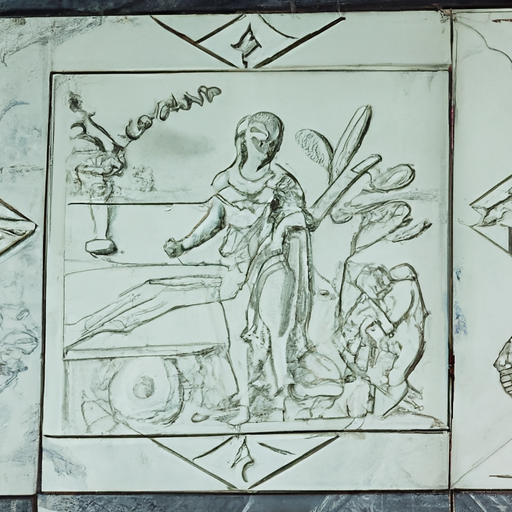
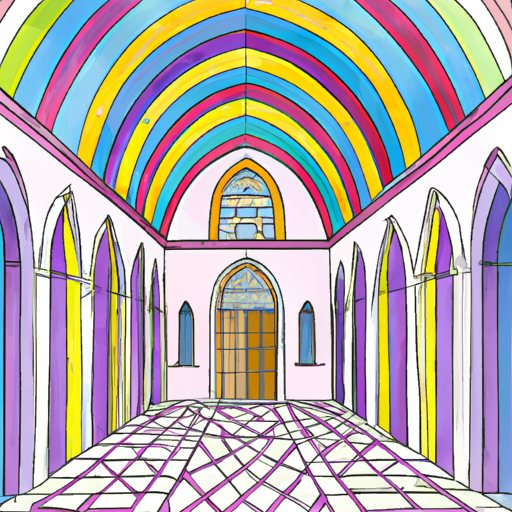
Antoine Watteau was a French painter of the Rococo style in the early 18th century. His style is characterized by delicate pastel colors, fluid brushstrokes, and a sense of movement. Watteau's paintings often depicted fêtes galantes, which were scenes of elegant outdoor gatherings and romantic themes set in lush landscapes. His works showcased a combination of fantasy and reality, evoking a sense of enchantment and escapism. Watteau's art became famous for its portrayal of the aristocratic lifestyle and its influence on the Rococo movement in France.

View StyleExplore Style
Example of visual style of Baroque Sculpture

Baroque Sculpture

Baroque Sculpture is a highly dramatic and theatrical style that emerged in Europe during the 17th century. It reached its peak between the late 16th and early 18th centuries. This style is known for its ornate and extravagant aesthetic, characterized by exaggerated gestures, dynamic compositions, and intricate details. Baroque sculptures often portray intense emotions, religious subjects, and a sense of movement. The use of light and shadow, known as chiaroscuro, adds depth and drama to the sculptures. Baroque Sculpture became famous for its grandeur and opulence, as well as its ability to evoke strong emotional responses from viewers.

View StyleExplore Style
Example of visual style of Carlos Ezquerra

Carlos Ezquerra

Carlos Ezquerra was a Spanish comic book artist known for his unique and influential visual style. He is most famous for co-creating the iconic character Judge Dredd in 1977, which propelled him to international recognition. Ezquerra's visual style is characterized by bold and dynamic linework, gritty and detailed illustrations, and a dark and futuristic aesthetic. His work often features intricate mechanical designs, exaggerated proportions, and a strong sense of movement. Ezquerra's style became synonymous with the gritty and dystopian world of Judge Dredd and helped define the visual tone of the series.

View StyleExplore Style

Example of visual style of Cinematographers

Cinematographers

Cinematographers is a visual style that focuses on the art and technique of capturing and composing images with a camera. It emerged in the late 19th century and gained prominence in the early 20th century with the advent of motion pictures. This style became famous for its ability to manipulate lighting, framing, and movement to create visually stunning and emotionally impactful scenes. Cinematographers use various techniques such as depth of field, camera angles, and tracking shots to enhance storytelling and evoke specific moods. Some renowned cinematographers include Gregg Toland, Vittorio Storaro, and Emmanuel Lubezki.

View StyleExplore Style
Example of visual style of David Burliuk

David Burliuk

David Burliuk was a Russian avant-garde artist and writer who co-founded the Cubo-Futurist movement. He was active in the early 20th century, particularly between 1910 and 1920. Burliuk's style is characterized by abstract and geometric forms, vibrant colors, and a sense of dynamism and movement. He gained fame for his experimental approach to art, incorporating elements of both Cubism and Futurism. His works often depicted urban scenes, landscapes, and portraits, capturing the energy and modernity of the time.

View StyleExplore Style
Example of visual style of Emanuel Ungaro

Emanuel Ungaro

Emanuel Ungaro is a visual style that emerged in the 1960s and became famous for its vibrant and flamboyant designs. It is characterized by its use of bold colors, intricate patterns, and luxurious fabrics. Emanuel Ungaro, the French fashion designer, was known for his innovative and sensual approach to fashion, which brought a more avant-garde and daring aesthetic to the industry. His designs often featured asymmetrical cuts, ruffles, and draping, creating a sense of movement and femininity. Ungaro's style gained popularity in the 1980s and 1990s, and his creations were worn by many celebrities and fashion icons.

View StyleExplore Style
Example of visual style of Fernand Leger

Fernand Leger

Fernand Leger was a French painter and filmmaker who is known for his modernist style. He was active from the early 1900s to the mid-1950s. Leger is famous for creating artworks that emphasized machine aesthetics and depicted modern urban life. His paintings often feature bold colors, geometric shapes, and simplified forms. Leger's style is characterized by a combination of Cubism and Futurism, with a focus on industrial subjects and a sense of dynamism and movement.

View StyleExplore Style
Example of visual style of Filippo Tommaso Marinetti

Filippo Tommaso Marinetti

Filippo Tommaso Marinetti was an Italian poet, artist, and founder of the Futurist movement. The Futurist style emerged in the early 20th century, particularly between 1909 and 1916. Marinetti believed in the rejection of the past and the celebration of modernity, speed, technology, and industrialization. With a focus on dynamism, movement, and energy, Marinetti's style sought to capture the fast-paced nature of the modern world. He expressed his ideas through various mediums, including painting, sculpture, literature, music, and performance. His passionate manifesto, 'The Futurist Manifesto' published in 1909, gained significant attention and marked the beginning of the movement, making him and his style famous.

View StyleExplore Style
Example of visual style of Francesco Pratella

Francesco Pratella

Francesco Pratella is an Italian visual artist known for his avant-garde and futuristic style during the early 20th century. Born in 1880, Pratella's work became famous during the years 1909-1914. He was a prominent figure in the Italian Futurism movement, which aimed to capture the energy, speed, and dynamism of modern life through art and literature. Pratella's style was characterized by vibrant colors, geometric shapes, and a sense of movement. He often depicted industrial landscapes, urban scenes, and machinery, emphasizing the rapid changes brought by technology. Pratella's bold and innovative approach to art made a lasting impact on the Futurist movement and influenced many future artists.

View StyleExplore Style
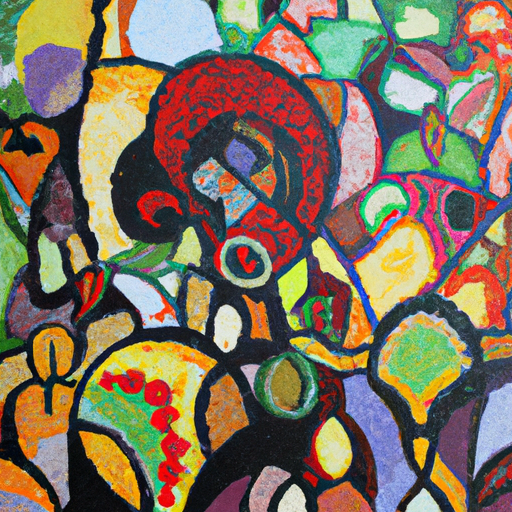
Example of visual style of George Bellows

George Bellows

George Bellows was an American painter known for his energetic and realistic portrayals of urban life, particularly in New York City. Active during the early 20th century, Bellows is associated with the Ashcan School - a group of artists who rejected the idealized visions of the Gilded Age and instead sought to depict the gritty reality of everyday urban existence. Bellows became famous for his dynamic, often controversial, depictions of boxing matches, cityscapes, and working-class individuals. His bold brushwork, use of vibrant colors, and ability to capture movement in his subjects set him apart from his contemporaries.

View StyleExplore Style
Example of visual style of Giacomo Balla

Giacomo Balla

Giacomo Balla, an Italian Futurist painter, was known for his vibrant and dynamic style in the early 20th century. His work in the years 1909-1914 played a pivotal role in the development of Futurism, an art movement focused on capturing the energy and speed of modern life. Balla's famous works, such as 'Dynamism of a Dog on a Leash' (1912), showcased his innovative use of fragmented lines and repeated patterns to depict movement and motion. His art became famous for its ability to convey a sense of dynamism and speed, fulfilling the Futurist ideal of capturing the essence of modernity.

View StyleExplore Style
Example of visual style of Guggenheim Museum Bilbao

Guggenheim Museum Bilbao

The Guggenheim Museum Bilbao's visual style emerged in 1997, when the iconic museum building was completed in Bilbao, Spain. Renowned architect Frank Gehry's innovative design made this style famous. The museum's exterior showcases titanium panels that undulate and curve, creating a sense of movement and fluidity. This visual style is characterized by its unique and eye-catching architectural form, embracing sculptural elements and challenging traditional design principles.

View StyleExplore Style
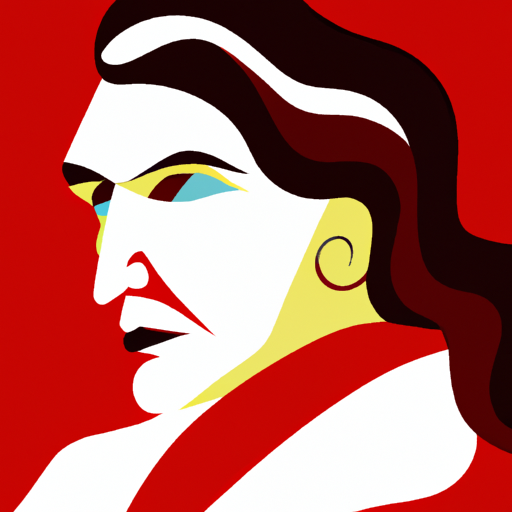
Example of visual style of Hans Hofmann

Hans Hofmann

Hans Hofmann was a German-born American painter who was influential in the development of Abstract Expressionism. He is known for his bold and colorful abstract compositions which combine Cubist principles with the energetic brushwork and spontaneity of Expressionism. Hofmann's style evolved over the years, with his earliest work reflecting a more figurative approach before embracing complete abstraction. He gained recognition in the 1950s and 1960s for his innovative use of color and his ability to convey a sense of movement and depth on the canvas.

View StyleExplore Style
Example of visual style of Harnessing

Harnessing

Harnessing is a visually striking style that emerged in the late 1960s and gained popularity throughout the 1970s. Known for its vibrant use of colors and abstract geometric shapes, Harnessing quickly became famous for its ability to convey energy and movement. This style is often associated with the psychedelic era and its emphasis on individualism and self-expression. Harnessing artists experimented with optical illusions and dynamic compositions to create visually captivating and mind-altering experiences. The style's popularity faded in the 1980s as it gave way to new artistic movements.

View StyleExplore Style
Example of visual style of Hellenistic Art

Hellenistic Art

Hellenistic Art flourished between the 4th century BC and the 1st century BC. It is known for its realistic and dramatic representations, emotional expressions, and an emphasis on intricate details. Influenced by Greek culture and mythology, this style gained fame for its lively and dynamic compositions. Hellenistic Art is characterized by a focus on individualism, movement, and the portrayal of intense emotions, often depicted through grand sculptures and elaborate mosaics.

View StyleExplore Style
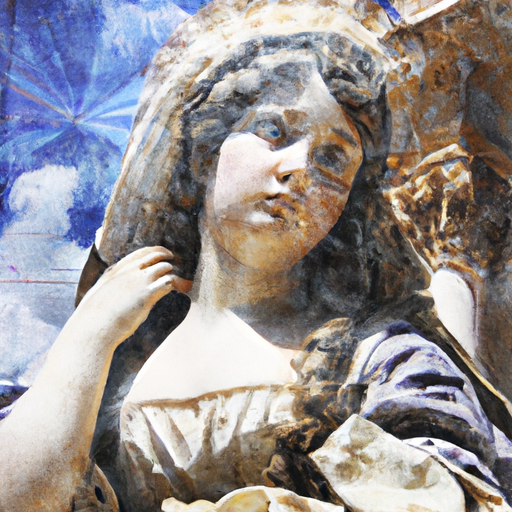
Example of visual style of Italian Futurism

Italian Futurism

Italian Futurism was an avant-garde movement in the early 20th century that emerged in Italy. It celebrated modernity, speed, technology, and the future. It was founded in 1909 by Filippo Tommaso Marinetti. Italian Futurism gained fame for its energetic and dynamic compositions, depicting movement, machinery, and the energy of modern life. It was characterized by bold colors, fragmented forms, and a sense of speed and motion. The movement was highly influential and had a significant impact on the development of modern art.

View StyleExplore Style
Example of visual style of Jackson Pollock

Jackson Pollock

Jackson Pollock was an American painter known for his unique style of abstract expressionism. He rose to fame in the late 1940s and early 1950s for his revolutionary and controversial 'drip painting' technique. Using his signature method of pouring and dripping paint onto canvases, Pollock created vibrant and chaotic compositions that were free from traditional rules of representation. His artistic approach emphasized the physical act of painting itself, with an emphasis on gesture, movement, and spontaneity. Pollock's works captured the essence of the postwar era and challenged the conventional notions of art, influencing generations of artists to come.

View StyleExplore Style
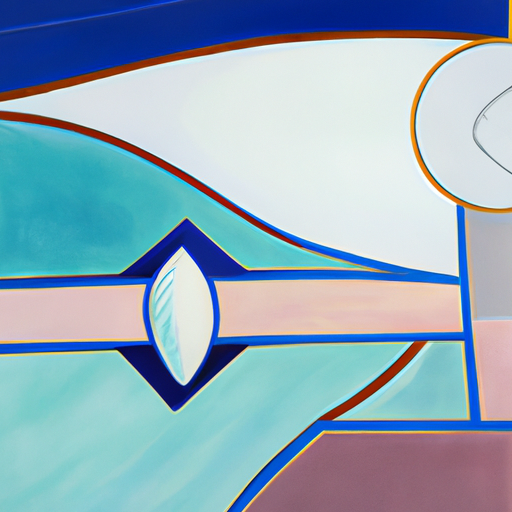
Example of visual style of James Modarelli

James Modarelli

James Modarelli is known for his minimalist and abstract visual style. His work gained recognition during the early 1960s through his innovative use of color, shape, and form. Modarelli's style quickly became famous for its bold and geometric compositions, as well as its emphasis on clean lines and simplicity. His designs often evoke a sense of harmony and balance, while also exhibiting a sense of energy and movement. Modarelli's work became influential in the fields of graphic design and modern art, and his style continues to inspire designers today.

View StyleExplore Style
Example of visual style of Jean Tinguely

Jean Tinguely

Jean Tinguely was a Swiss painter and sculptor known for his kinetic art, which emerged in the mid-1950s. His art was characterized by the use of everyday objects, machines, and found materials in his sculptures and installations. Tinguely's creations were often large-scale and incorporated movement and sound. He gained significant recognition for his participation in the Dada and Nouveau Réalisme movements. Tinguely's playful and innovative approach to art made him famous and influential in the art world.

View StyleExplore Style
Example of visual style of Jesus Rafael Soto

Jesus Rafael Soto

Jesus Rafael Soto was a Venezuelan artist known for his involvement in the Kinetic art movement. His visual style is characterized by the use of vibrant colors, geometric patterns, and the incorporation of movement in his artworks through the use of optical illusions and three-dimensional structures. Soto gained prominence in the 1950s with his series of Penetrables, large-scale installations made of hanging plastic or metal tubes that spectators could walk through, creating an immersive and interactive experience. His unique style and innovative use of materials made him an influential figure in the art world. Soto's work continues to be celebrated for its dynamic and engaging nature.

View StyleExplore Style
Example of visual style of Kinetic Art

Kinetic Art

Kinetic Art is a style of art that emerged in the mid-20th century, particularly in the 1950s and 1960s. It is characterized by artworks that incorporate movement as a central component. Often powered by motors, water, or air currents, Kinetic Art sculptures and installations create dynamic, changing visual experiences for the viewer. This style gained fame for its ability to challenge traditional notions of static art and engage the audience in an interactive and sensory manner.

View StyleExplore Style
Example of visual style of Liubov Popova

Liubov Popova

Liubov Popova was a Russian avant-garde artist known for her suprematism and constructivist works. She emerged in the early 20th century and became famous for her exploration of geometric forms and abstract compositions. Popova's style is characterized by dynamic shapes, bold colors, and the use of simple geometric elements. She experimented with a variety of mediums including painting, textile design, architecture, and stage design. Her works often conveyed a sense of movement and energy, reflecting the spirit of the time. Popova was a key figure in the Russian avant-garde movement and her contributions to abstract art continue to be influential.

View StyleExplore Style
Example of visual style of Morris Louis

Morris Louis

Morris Louis was an American abstract expressionist painter known for his color field paintings. His style emerged in the late 1950s and reached its peak in the 1960s. Louis became famous for his technique called 'stain painting', where he poured thin layers of paint onto unprimed canvas, allowing the colors to soak into the fabric. This created vibrant, translucent layers and blurred edges, giving his work a sense of movement and luminosity. His use of color and his emphasis on the physicality of paint brought him recognition as one of the leading figures of the Color Field movement.

View StyleExplore Style
Example of visual style of Muralism

Muralism

Muralism is a visual art style that originated in Mexico in the 1920s and gained prominence in the early 20th century. It was made famous by Mexican artists such as Diego Rivera, José Clemente Orozco, and David Alfaro Siqueiros. Muralism is characterized by large-scale wall paintings that often depict social and political themes, featuring bold colors, strong lines, and a sense of movement. The style emerged as a form of public art and played a significant role in promoting Mexican culture and identity.

View StyleExplore Style
Example of visual style of Nicolas Bouvier

Nicolas Bouvier

Nicolas Bouvier is a visual style that emerged in the mid-20th century. Known for its abstract and expressive forms, this style gained popularity in the 1950s and 1960s. Nicolas Bouvier, a French artist, was famous for his use of vibrant colors, bold shapes, and dynamic compositions. His works often portrayed a sense of movement and energy, capturing the spirit of the post-war era. Bouvier's distinct style became a symbol of French avant-garde art during this period.

View StyleExplore Style
Example of visual style of Paolo Uccello

Paolo Uccello

Paolo Uccello was an Italian painter whose style emerged during the early Renaissance period. His works are characterized by their meticulous attention to detail and the use of perspective. Uccello was particularly famous for his innovative approach to representing geometric objects in his paintings, which greatly influenced artists of his time. He is best known for his masterpiece 'The Battle of San Romano,' created between 1438 and 1440. This artwork showcases Uccello's mastery of foreshortening and his ability to create a sense of depth and movement within a two-dimensional space.

View StyleExplore Style

Example of visual style of Pol Bury

Pol Bury

Pol Bury was a Belgian artist known for his contributions to kinetic art and the development of the mobile sculpture. He rose to prominence in the 1950s and became a leading figure of the kinetic movement. Bury's work is characterized by its use of carefully calibrated moving elements and the exploration of movement, light, and shadow. His innovative approach to sculpture challenged traditional notions of static art and made him famous for his mesmerizing and captivating works.

View StyleExplore Style

Example of visual style of Randolph Caldecott
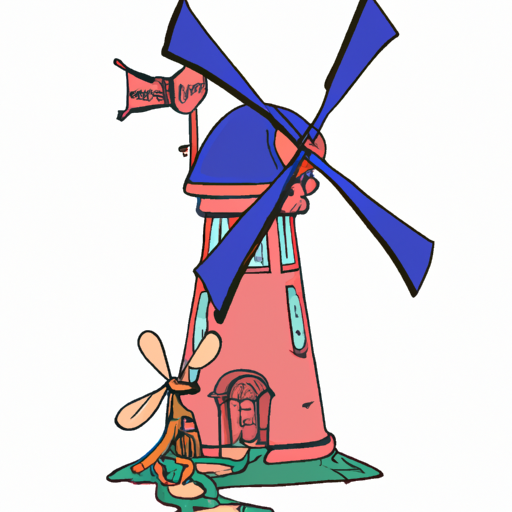
Randolph Caldecott

The Randolph Caldecott visual style emerged in the late 19th century and became famous for its lively and imaginative illustrations. Randolph Caldecott was a prominent British illustrator known for his humorous and detailed drawings. His style was characterized by bold lines, vibrant colors, and a sense of movement. Caldecott's illustrations often depicted scenes from children's stories and nursery rhymes, capturing the joy and excitement of childhood. His work gained widespread popularity and influenced later generations of illustrators.

View StyleExplore Style
Example of visual style of Raoul Dufy

Raoul Dufy

Raoul Dufy was a French painter known for his vibrant and colorful style. His work was prominent during the early 20th century, particularly in the 1920s and 1930s. Dufy's style was characterized by his use of bold brushstrokes and intense colors that captured the essence of joy and movement. He often depicted scenes of leisure and celebration, such as regattas, concerts, and horse races. Dufy's artistic style became famous for its lively and energetic portrayal of everyday life.

View StyleExplore Style
Home