StylopediaStylopedia

Long takes styles on Stylopedia

A visual encyclopedia of long takes styles – use as prompt inspiration for Midjourney, Gemini, or ChatGPT AI when making long takes images

Example of visual style of Alfonso Cuarón

Alfonso Cuarón

Alfonso Cuarón's visual style is characterized by long takes, continuous tracking shots, and immersive storytelling. Through his innovative use of camera movements, he creates a sense of realism and intimacy in his films. Cuarón gained fame for his work in the late 1990s and early 2000s, especially with films like 'Y Tu Mamá También' (2001) and 'Children of Men' (2006), which showcased his ability to capture the raw emotions of his characters in visually stunning ways.

View StyleExplore Style
Example of visual style of Alfred Hitchcock

Alfred Hitchcock

Alfred Hitchcock's visual style, prominent from the 1940s to the 1960s, is characterized by tension, suspense, and a meticulously crafted cinematic experience. Hitchcock's mastery of camera angles, framing, and editing techniques revolutionized the thriller genre. His use of long takes, clever perspectives, and innovative camera movements, such as the famous dolly zoom, created a sense of unease and heightened emotions in his audience. Hitchcock was known for his meticulous attention to detail and his ability to create suspenseful narratives through visual storytelling. His innovative techniques and psychological thrillers, such as 'Psycho' and 'Vertigo,' made him a legend in cinema history.

View StyleExplore Style
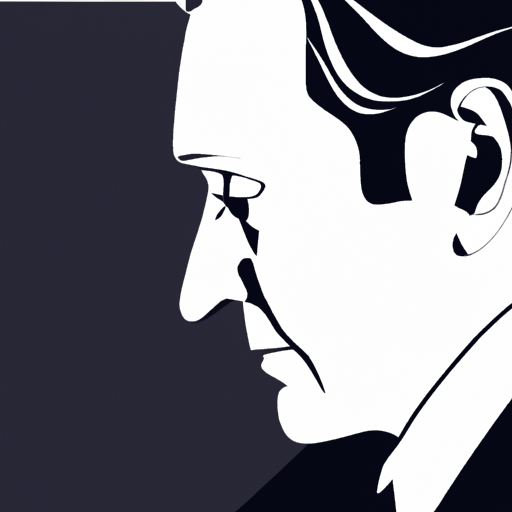
Example of visual style of Emmanuel Lubezki

Emmanuel Lubezki

Emmanuel Lubezki is a Mexican cinematographer known for his signature visual style marked by long, intricate, and fluid camera movements. Lubezki rose to fame in the late 1990s with his groundbreaking work in films like 'Sleepy Hollow' (1999) and 'The New World' (2005), where he employed natural lighting and dynamic camera movements to create a sense of realism and immersion. Lubezki gained widespread recognition for his collaboration with director Alfonso Cuarón, particularly in films such as 'Children of Men' (2006) and 'Gravity' (2013), where his innovative use of long takes and seamless tracking shots became synonymous with his name.

View StyleExplore Style
Example of visual style of Greek New Wave Filmmakers

Greek New Wave Filmmakers

Greek New Wave Filmmakers emerged in the late 1990s and early 2000s as a significant movement in Greek cinema. This style gained international recognition for its raw and realistic portrayal of Greek society, marked by social and economic disparities, political turmoil, and existential themes. The Greek New Wave Filmmakers were known for their experimental narrative structures, non-linear storytelling, long takes, and naturalistic performances. This style became famous for challenging the traditional conventions of Greek cinema and providing a new perspective on Greek culture and society.

View StyleExplore Style
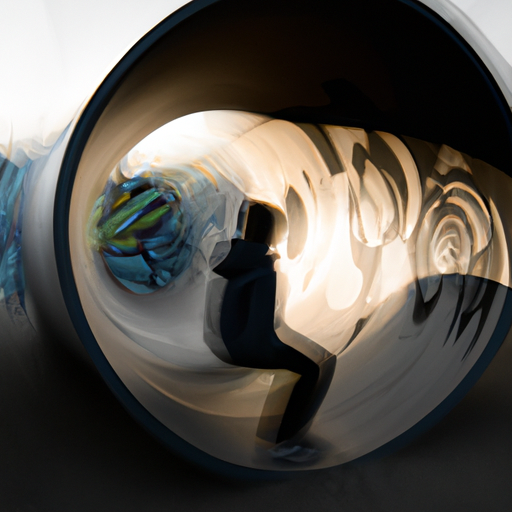
Example of visual style of Gus Van Sant

Gus Van Sant

Gus Van Sant's visual style is characterized by his naturalistic approach, focusing on capturing intimate and raw emotions of his characters. His style became famous in the 1990s with films like 'Drugstore Cowboy' (1989), 'My Own Private Idaho' (1991), and 'Good Will Hunting' (1997), which explored themes of alienation, identity, and human connection. Van Sant's use of long takes, handheld camera work, and his ability to create a sense of authenticity through improvisation and non-professional actors, became his distinct hallmark.

View StyleExplore Style
Example of visual style of Paul Thomas Anderson

Paul Thomas Anderson

Paul Thomas Anderson's visual style is characterized by long takes, complex tracking shots, and meticulous attention to detail. Known for his emotionally charged storytelling, Anderson's films often focus on flawed and morally ambiguous characters. His signature style emerged in the late 1990s with films like 'Boogie Nights' (1997) and 'Magnolia' (1999), and he gained widespread recognition with 'There Will Be Blood' (2007) and 'The Master' (2012). Anderson's use of rich, naturalistic cinematography and his exploration of the human psyche have made his style famous.

View StyleExplore Style
Example of visual style of Pier Paolo Pasolini

Pier Paolo Pasolini

Pier Paolo Pasolini was an Italian film director, poet, and writer, prominently active during the 1960s and 1970s. His visual style can be described as raw, gritty, and neorealist. Pasolini's films often depicted the harsh realities of contemporary society, exploring themes such as poverty, social injustice, and political corruption. He gained fame for his controversial and thought-provoking works, including 'Accattone' (1961), 'Mamma Roma' (1962), and 'Salò, or the 120 Days of Sodom' (1975). Pasolini's visual style was characterized by its use of long takes, naturalistic lighting, and non-professional actors, which added to the authenticity and realism of his films.

View StyleExplore Style
Example of visual style of Satyajit Ray

Satyajit Ray

Satyajit Ray's visual style is known for its naturalism and realism. His films, particularly from the 1950s to 1970s, captured the essence of everyday life in India. Ray's use of long takes, natural lighting, and minimalist production design created an authentic and immersive experience for viewers. His films are characterized by their empathetic exploration of human emotions and social issues. Ray's portrayal of complex characters and attention to detail made his visual style famous, influencing several subsequent Indian filmmakers.

View StyleExplore Style
Example of visual style of Wim Wenders

Wim Wenders

The Wim Wenders visual style is characterized by its poetic and contemplative approach to storytelling, capturing the essence of the human condition. Wenders rose to prominence in the 1970s and 1980s with films such as 'Wings of Desire' and 'Paris, Texas', which showcased his unique visual language. Known for his use of wide-angle lenses, long takes, and atmospheric landscapes, Wenders created a distinct visual aesthetic that merges elements of realism and surrealism. His work often explores themes of loneliness, longing, and the search for identity, creating a dreamlike atmosphere that resonates with audiences worldwide.

View StyleExplore Style
Example of visual style of Yorgos Lanthimos

Yorgos Lanthimos

Yorgos Lanthimos is known for his distinctive and unconventional visual style, which is often characterized by dark, surreal, and absurdist elements. His films, such as 'Dogtooth' (2009), 'The Lobster' (2015), and 'The Killing of a Sacred Deer' (2017), explore themes of power dynamics, social commentary, and human relationships. Lanthimos' visual style is visually striking and unsettling, with carefully composed shots, deliberate framing, and a muted color palette. His use of long takes and wide-angle lenses creates a sense of unease and voyeurism. Lanthimos' unique style gained recognition and acclaim in the late 2000s, with his films receiving critical praise and numerous awards.

View StyleExplore Style
Home