StylopediaStylopedia

Light styles on Stylopedia

A visual encyclopedia of light styles – use as prompt inspiration for Midjourney, Gemini, or ChatGPT AI when making light images

Example of visual style of Annibale Carracci

Annibale Carracci

Annibale Carracci was an Italian painter of the late 16th and early 17th centuries. He is widely recognized as one of the founders of the Baroque style of painting. Carracci's work is characterized by a naturalistic and classical approach, blending elements of Renaissance art with a new emphasis on dramatic effects and emotional expression. His famous works include 'The Assumption of the Virgin' (1600-1601) and 'The Flight into Egypt' (1603-1604). Carracci's innovative use of light and color, along with his skillful composition and attention to detail, made him a prominent figure in the development of the Baroque movement.

View StyleExplore Style
Example of visual style of Baroque Painting

Baroque Painting

Baroque painting originated in Italy during the late 16th century and reached its peak in the 17th century. Characterized by its dramatic and extravagant style, Baroque painting is known for its grandeur, emotional intensity, and vivid use of color and light. This style was famous for its religious and mythological subject matter, often depicting scenes of intense emotion, gestures, and theatrical compositions. The Baroque period was marked by the artistic achievements of influential artists such as Caravaggio, Peter Paul Rubens, and Rembrandt, who contributed to the popularity and recognition of Baroque painting.

View StyleExplore Style
Example of visual style of Berthe Morisot

Berthe Morisot

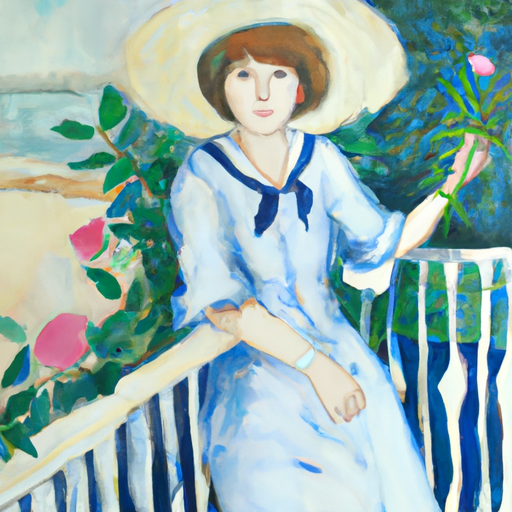
Berthe Morisot was one of the leading figures of Impressionism during the late 19th and early 20th centuries. Her style is characterized by the use of loose brushwork, bright colors, and an emphasis on capturing the fleeting effects of light. Morisot's work often depicted intimate scenes of domestic life and landscapes, showcasing her ability to convey a sense of atmosphere and emotion through her brushstrokes. She gained fame for her unique perspective as a female artist in a male-dominated field and for her significant contributions to the Impressionist movement.

View StyleExplore Style
Example of visual style of Cassatt

Cassatt

Cassatt is a visual style developed by Mary Cassatt, an American Impressionist painter, during the late 19th and early 20th centuries. Known for her intimate and domestic scenes, Cassatt's style captured the lives of women and children. She experimented with light, color, and composition techniques, incorporating loose brushwork and a soft palette. Her famous works include 'The Child's Bath' (1893) and 'The Boating Party' (1893-1894). Cassatt's ability to convey tender emotions and capture fleeting moments made her famous in the Impressionist movement.

View StyleExplore Style
Example of visual style of Chardin

Chardin

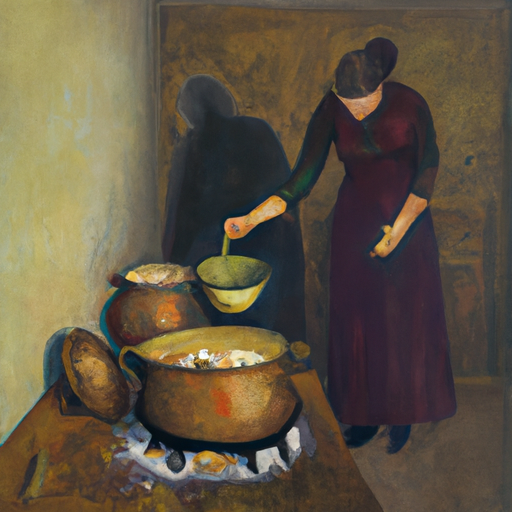
Chardin is a style of painting that emerged in France in the 18th century. It is named after the artist Jean-Baptiste-Siméon Chardin, who is considered one of the greatest exponents of this style. Chardin's paintings are known for their remarkable attention to detail and their ability to capture the beauty of everyday objects and scenes. His works often depict still lifes, genre scenes, and domestic interiors. Chardin achieved fame and recognition for his distinctive use of light, subtle color palette, and masterful technique. His paintings became revered for their emotional depth and realistic portrayal of the material world.

View StyleExplore Style
Example of visual style of Claude Monet

Claude Monet

Claude Monet was a prominent figure in Impressionism, a revolutionary artistic movement that emerged in the late 19th century. His style is characterized by loose brushwork, vibrant colors, and an emphasis on capturing the fleeting effects of light and atmosphere. Monet's famous works, such as 'Impression, Sunrise' (1872), showcased his unique ability to depict the ever-changing nature of landscapes and seascapes. His innovative approach to painting made him a pioneer of modern art.

View StyleExplore Style
Example of visual style of Degas

Degas

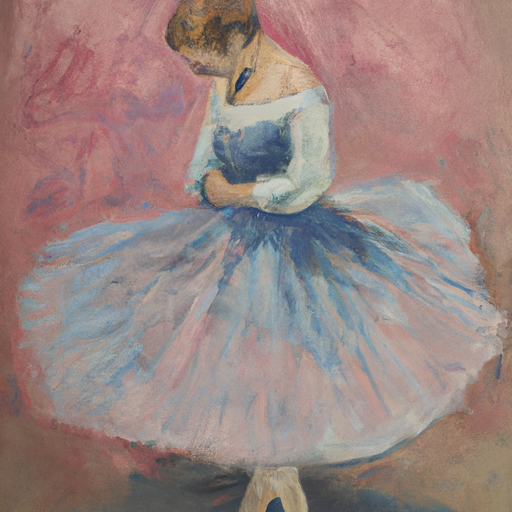
Degas, an influential French artist, is known for his Impressionist paintings and sculptures that depicted everyday life scenes in late 19th-century Paris. He gained fame in the 1870s as a member of the Impressionist movement and continued to refine his style in the following decades. Degas is renowned for his use of color, light, and composition to capture the transient moments and the beauty of modernity. His works often explored dance and ballet, focusing on the movements and emotions of the dancers. Degas' style combined realism with a sense of abstraction, providing a unique perspective on the modern world.

View StyleExplore Style
Example of visual style of Divisionism

Divisionism

Divisionism, also known as Pointillism, is a visual style that emerged in the late 19th century. Developed by a group of artists including Georges Seurat and Paul Signac, it gained prominence in the 1880s and 1890s. Divisionism employs the technique of using small dots or strokes of pure colors to create an optical mixture in the viewer's eye, rather than pre-mixing colors on the canvas. This scientific approach to color theory was influenced by the study of optics and light. Divisionism gained fame for its innovative use of color and its ability to capture atmospheric effects and the play of light.

View StyleExplore Style
Example of visual style of Don Eddy

Don Eddy

Don Eddy is a contemporary American photorealist painter known for his meticulously detailed paintings that depict everyday objects and scenes with exquisite precision. Eddy emerged as a prominent figure in the 1960s, along with other photorealist artists, and his works became widely recognized in the 1970s. His style gained fame for its remarkable accuracy and attention to detail, blurring the lines between reality and art. Eddy's paintings often showcase urban landscapes, cityscapes, vintage cars, and reflective surfaces, capturing light and reflections in a way that captivates viewers.

View StyleExplore Style
Example of visual style of Doug Wheeler

Doug Wheeler

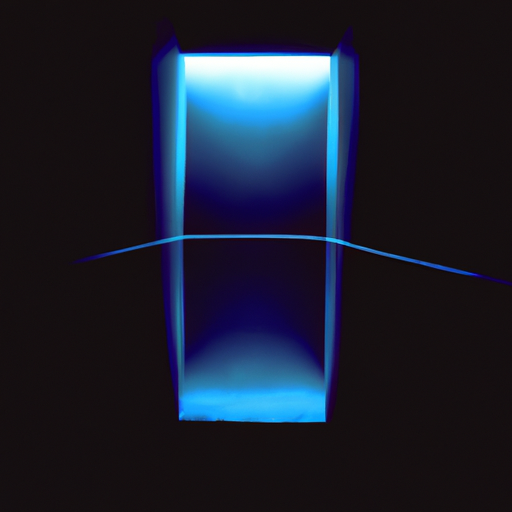
Doug Wheeler is an American interactive installation artist known for his use of light and space. He rose to prominence in the 1960s and 1970s as part of the Light and Space movement in Southern California. Wheeler's installations create immersive environments that manipulate perception and challenge traditional notions of space. His work often involves the use of fluorescent lights, translucent materials, and carefully controlled lighting to create ethereal and otherworldly experiences.

View StyleExplore Style
Example of visual style of Georges Lemmen

Georges Lemmen

Georges Lemmen was a Belgian painter and decorative artist who was an important figure in the Neo-Impressionist movement. Active during the late 19th and early 20th centuries, Lemmen is best known for his pointillist style and use of brightly colored dots to create atmospheric and vibrant scenes. He was one of the founding members of the group known as Les XX, which aimed to promote innovative art in Belgium. Lemmen's work became famous for its meticulousness and meticulous attention to detail, as well as its harmonious compositions and emphasis on light and color.

View StyleExplore Style
Example of visual style of James Turrell

James Turrell

James Turrell is an American artist known for his pioneering work in light and space. Starting in the 1960s, Turrell began experimenting with perception and spatial experience through his installations. He is famous for creating immersive environments that manipulate light and color to create mesmerizing visual experiences. Turrell's works often involve simple geometric shapes and utilize architectural elements to control and transform the viewer's perception of light. His exploration of light as a medium has made him a prominent figure in the field of contemporary art.

View StyleExplore Style
Example of visual style of Jmw Turner

Jmw Turner

Jmw Turner was a prominent English landscape painter and watercolorist during the late 18th and early 19th centuries. His style is characterized by its luminosity, atmospheric effects, and expressive brushwork. Turner's works were famous for their dramatic portrayal of light and weather conditions, often capturing the transient nature of the natural world. His innovative techniques and bold use of color brought a new level of emotional intensity to landscape painting, making him a leading figure in the Romantic movement.

View StyleExplore Style
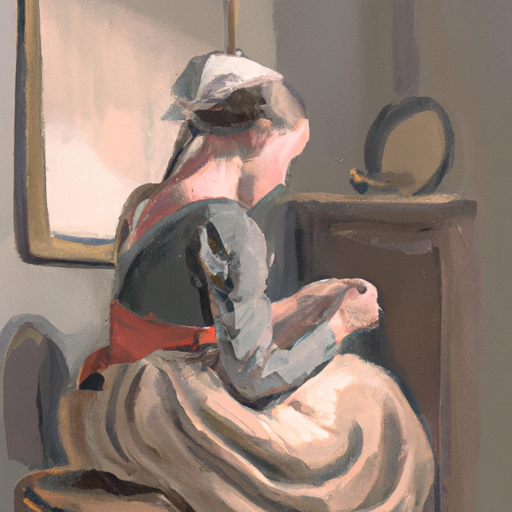
Example of visual style of Johannes Vermeer

Johannes Vermeer

Johannes Vermeer was a Dutch painter known for his realistic and intimate genre scenes. Active during the Dutch Golden Age in the 17th century, Vermeer's style is characterized by his use of light, color, and perspective to create meticulously detailed and atmospheric compositions. His works often feature domestic interiors, portraits, and landscapes, capturing everyday moments with remarkable precision and a sense of quiet beauty. Vermeer's realistic technique and ability to capture the play of light and shadow in his paintings have made him one of the most celebrated artists of his time.

View StyleExplore Style
Example of visual style of John La Farge

John La Farge

John La Farge was an American painter, muralist, and stained-glass window designer who became renowned for his innovative use of color in art. Active during the late 19th and early 20th century, La Farge's style emerged as a reaction to the detailed realism of the Hudson River School. He focused on capturing the mood and atmosphere of a subject rather than exact representation. La Farge is best known for his landscapes, marine scenes, and captivating studies of light and color. His experimentation with opalescent glass in his stained-glass windows earned him popularity in this medium as well.

View StyleExplore Style
Example of visual style of Joseph Mallord William Turner

Joseph Mallord William Turner

Joseph Mallord William Turner was a prominent English Romantic landscape painter during the late 18th and early 19th centuries. His unique visual style is characterized by his innovative use of light and color, capturing the transformative effects of nature and atmospheric conditions. Turner's works became famous for their dramatic and emotive qualities, often evoking a sense of awe and sublimity. His mature period, from the 1820s to 1850s, saw him experimenting with abstraction and pushing the boundaries of traditional landscapes. Turner's attention to detail, vibrant palettes, and expressive brushwork made him one of the most influential landscape painters of his time.

View StyleExplore Style
Example of visual style of Larry Bell

Larry Bell

Larry Bell is an American artist known for his minimalist style and innovative use of glass. He rose to prominence in the 1960s with his series of cube sculptures made of transparent glass. These sculptures incorporated reflective surfaces that created a play of light and space, giving an illusion of depth. Bell's work became famous for its ability to challenge perception and explore the relationship between object and viewer. His minimalist approach and emphasis on simplicity and geometric forms made him a key figure in the Light and Space movement.

View StyleExplore Style
Example of visual style of Light And Space Movement

Light And Space Movement

The Light and Space Movement emerged in the 1960s in Southern California. This style emphasizes the perception of light and space as artistic mediums, exploring their physical and psychological effects. Artists working within this movement sought to create immersive and ethereal environments through the use of reflective materials, translucent surfaces, and innovative light installations. Notable years for the movement include the 1960s and 1970s. The Light and Space Movement gained fame for its unique ability to heighten sensory experiences, blur boundaries between art and environment, and evoke a sense of serenity and spirituality.

View StyleExplore Style

Example of visual style of Lucio Fontana

Lucio Fontana

Lucio Fontana was an Argentinian-Italian artist known for his pioneering work in the fields of spatialism and conceptual art. He is most famous for his series of slashed paintings, created from the late 1940s to the 1960s. Fontana's slashes on the canvas marked a radical departure from traditional painting, introducing a three-dimensional element and blurring the boundaries between painting and sculpture. His exploration of space, light, and materiality influenced subsequent generations of artists.

View StyleExplore Style

Example of visual style of Marek Okon

Marek Okon

Marek Okon is a visual style known for its vibrant and contemporary aesthetic. This style emerged in the late 2000s and gained recognition for its unique use of color, geometric shapes, and digital manipulation. Marek Okon's work combines both photography and graphic design techniques to create visually striking and impactful imagery. He has become famous for his ability to create dynamic compositions that play with light, shadow, and perspective, resulting in visually captivating and memorable visuals.

View StyleExplore Style
Example of visual style of Olafur Eliasson

Olafur Eliasson

Olafur Eliasson is a Danish-Icelandic artist known for his immersive installations that combine art, science, and nature. Eliasson's work is characterized by his use of light, water, and natural materials to create mesmerizing and interactive experiences. He rose to fame in the early 2000s with his large-scale installations like 'The Weather Project', which created an artificial sun in the Tate Modern's Turbine Hall, and 'Your Rainbow Panorama', a circular walkway with colored glass panels on the roof of the ARoS Aarhus Art Museum. Eliasson's interdisciplinary approach and innovative use of materials have made him one of the most influential artists of his generation.

View StyleExplore Style
Example of visual style of Phantasmal Iridescent

Phantasmal Iridescent

Phantasmal Iridescent is a mesmerizing visual style that emerged in the late 2010s and gained popularity in the early 2020s. It is characterized by its vibrant and shifting color palette, creating an illusion of constantly changing and shimmering hues. This style became famous for its dreamlike and ethereal quality, evoking a sense of otherworldliness. It often incorporates iridescent, holographic, and opalescent effects, using light and reflections to create a sense of depth and dimension. Phantasmal Iridescent pushes the boundaries of reality, transporting viewers into a fantastical realm of enchantment and enchantment.

View StyleExplore Style
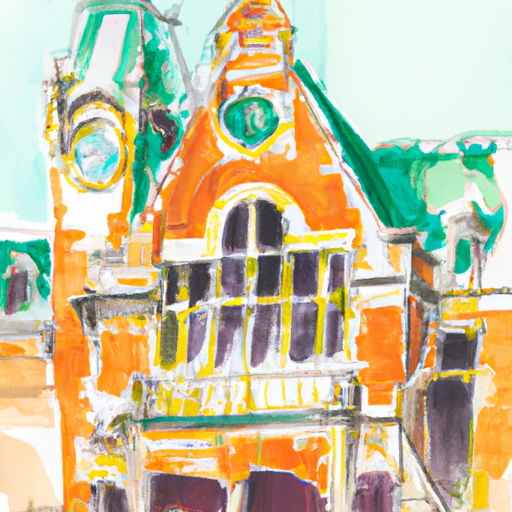
Example of visual style of Pissarro

Pissarro

Pissarro is a visual style developed by Camille Pissarro, a French Impressionist painter. This style became famous during the late 19th and early 20th centuries. Pissarro is known for his ability to capture the essence of a scene through loose brushstrokes, vibrant colors, and an emphasis on light and atmosphere. His works often depict landscapes, rural scenes, and everyday life. Pissarro's innovative techniques and dedication to depicting the changing effects of light influenced other Impressionist painters and helped define the movement.

View StyleExplore Style

Example of visual style of Pol Bury

Pol Bury

Pol Bury was a Belgian artist known for his contributions to kinetic art and the development of the mobile sculpture. He rose to prominence in the 1950s and became a leading figure of the kinetic movement. Bury's work is characterized by its use of carefully calibrated moving elements and the exploration of movement, light, and shadow. His innovative approach to sculpture challenged traditional notions of static art and made him famous for his mesmerizing and captivating works.

View StyleExplore Style
Example of visual style of Renoir

Renoir

Renoir was a style of painting developed by French artist Pierre-Auguste Renoir in the late 19th and early 20th centuries. It is characterized by its vibrant colors, loose brushstrokes, and a focus on capturing the fleeting moments of everyday life. Renoir was famous for his use of light and texture in his paintings, which gave them a soft and dreamlike quality. This style gained popularity during the Impressionist movement and has since become synonymous with Renoir's name.

View StyleExplore Style
Example of visual style of Richard Meier

Richard Meier

Richard Meier is an American architect known for his sleek and modernist designs. His style emerged in the 1960s and gained prominence in the following decades. Meier is famous for his use of light, white surfaces, and geometric forms. His buildings are characterized by their clean lines, open spaces, and emphasis on natural light. Meier's designs often incorporate glass and white materials, creating a sense of transparency and purity. His work reflects a minimalist aesthetic that emphasizes simplicity and clarity.

View StyleExplore Style
Example of visual style of Robert Irwin

Robert Irwin

Robert Irwin is an American artist known for his contributions to the Light and Space movement, which emerged in the 1960s. His minimalist and immersive installations explore light, space, and perception. Irwin's works often involve subtle alterations in the exhibition environment, such as carefully orchestrated lighting, veiling, and reflective surfaces. His influential installations gained recognition in the late 1960s and continue to shape the contemporary art landscape.

View StyleExplore Style
Example of visual style of Serge Lutens

Serge Lutens

Serge Lutens is a visual style known for its avant-garde and mystical aesthetic. Emerging in the late 1960s, it gained popularity in the fashion and beauty industry. Lutens, a renowned makeup artist and photographer, introduced innovative techniques and concepts that revolutionized the field. His work focused on creating ethereal and mysterious looks, often blending elements of fantasy and reality. Through the use of color, light, and texture, Lutens created an otherworldly atmosphere in his visuals. His style became famous for pushing boundaries and redefining conventional beauty standards.

View StyleExplore Style
Home