
A Thousand Li Of Rivers And Mountains
A Chinese landscape painting style developed in the 12th century during the Song dynasty, known for its intricate details of rivers, mountains, and nature scenes.
View StyleExplore Style Stylopedia
A visual encyclopedia of landscape styles – use as prompt inspiration for Midjourney, Gemini, or ChatGPT AI when making landscape images
A Chinese landscape painting style developed in the 12th century during the Song dynasty, known for its intricate details of rivers, mountains, and nature scenes.
View StyleExplore Style
Abilkhan Kasteyev was a prominent Kazakh artist known for his vibrant and colorful depictions of the Kazakh people, culture, and landscapes. His works became famous during the mid-20th century for their rich colors and detailed representations.
View StyleExplore Style
Albert Namatjira was an Australian Aboriginal artist known for his unique style of landscape painting, which featured vibrant colors and strong contrasts. His work gained international recognition in the mid-20th century.
View StyleExplore Style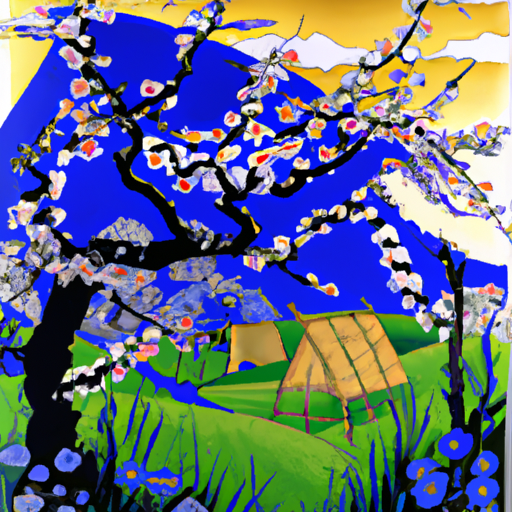
Ando Hiroshige was a Japanese ukiyo-e artist who lived during the late Edo period. He is best known for his landscape prints depicting scenes from various regions in Japan. Hiroshige's works became famous in the mid-19th century and continue to be highly regarded today for their masterful composition, vibrant colors, and atmospheric depictions of nature.
View StyleExplore Style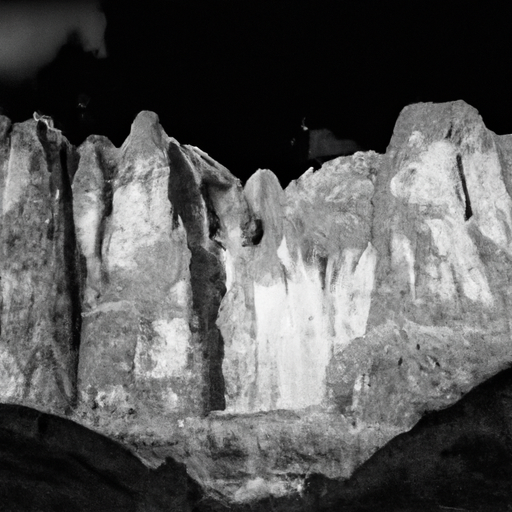
Ansel Adams was a renowned American photographer who rose to prominence in the mid-20th century. His black and white landscape photographs, particularly of the American West, became iconic representations of the natural beauty of the United States. Adams is widely celebrated for his precise and meticulous approach to photography, which involved masterful composition, careful use of light and shadow, and extensive darkroom techniques. His works captured the grandeur and sublime qualities of nature, showcasing its vastness, detail, and inherent aesthetics. Ansel Adams' style became famous for its ability to evoke emotional responses from viewers, often leaving them in awe of the majestic landscapes he captured.
View StyleExplore Style
Asher Brown Durand was an American painter known for his Hudson River School landscapes in the mid-19th century. His work emphasized detailed and realistic depictions of nature, often featuring lush forests, serene lakes, and dramatic lighting.
View StyleExplore Style
Australian Impressionism, also known as the Heidelberg School, emerged in Australia in the late 19th century. Artists focused on capturing the effects of light and atmosphere, often painting en plein air. The style became famous for its emphasis on natural landscapes and everyday scenes.
View StyleExplore Style
Barbizon School is a 19th-century French art movement named after the village of Barbizon, where a group of landscape painters gathered. It emerged in the 1830s and gained popularity in the mid-19th century. The artists associated with this style sought to depict realistic and rustic landscapes, emphasizing the effects of natural light and the beauty of nature. They often painted en plein air and focused on capturing the atmosphere and mood of the scenes. Barbizon School played a crucial role in the development of Impressionism and inspired many artists to break away from traditional academic painting.
View StyleExplore Style
Bob Ross is known for his calming and encouraging demeanor on 'The Joy of Painting' TV show that aired from 1983 to 1994. He popularized the wet-on-wet oil painting technique, creating landscapes with happy little trees and fluffy clouds.
View StyleExplore Style
Camille Corot was a French landscape painter who was a pivotal figure in the early development of Impressionism. His style is characterized by soft, delicate brushwork and a subtle tonal range. Corot's paintings often depict tranquil scenes of nature, capturing the fleeting effects of light and atmosphere. His influential works from the mid-19th century contributed to the rise of the Impressionist movement in the following decades.
View StyleExplore Style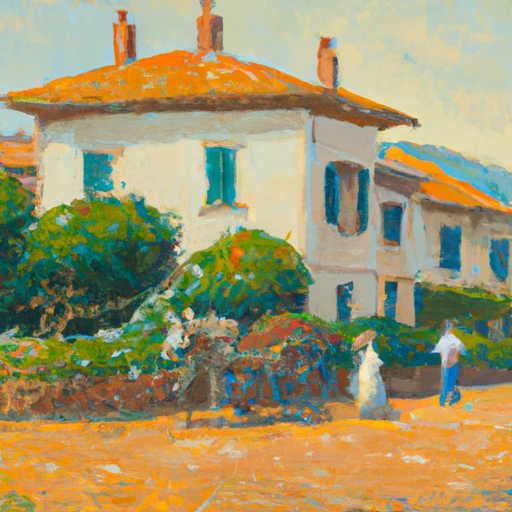
Camille Pissarro was a French Impressionist and Neo-Impressionist artist known for his landscape and urban scenes. Active during the late 19th century, Pissarro's work depicted the natural beauty of rural and urban settings with loose brushstrokes and luminous colors. He often captured the changing atmospheric conditions and light effects of different seasons. Pissarro's innovative artistic style and his role as a mentor to younger artists played a significant role in the development and popularization of Impressionism.
View StyleExplore Style
The Canadian Group of Seven was a group of landscape painters in Canada from 1920-1930 known for their bold colors, expressive brushwork, and depictions of the Canadian wilderness.
View StyleExplore Style
Charles Franois Daubigny was a French painter known for his landscapes and outdoor scenes, primarily painted en plein air. He was a precursor to the Impressionist movement, influencing artists like Monet and Pissarro.
View StyleExplore Style
Chinese ink painting, also known as brush painting, is a traditional art form that dates back to ancient China. It is characterized by the use of black ink and water on rice paper, depicting landscapes, birds, flowers, and other subjects. This style became famous in the Song Dynasty (960–1279) and has since been practiced by many renowned artists.
View StyleExplore Style
Chinese Traditional Art refers to the artistic styles and techniques that developed in China over thousands of years, with influences from various dynasties including the Shang, Zhou, Tang, and Song. It reached its peak during the Ming (1368-1644) and Qing (1644-1912) dynasties. This art form is renowned for its meticulous attention to detail, harmony, and capturing the essence of nature and life. Famous for its landscapes, calligraphy, porcelain, and ink paintings, Chinese Traditional Art has had a profound impact on the art world globally.
View StyleExplore Style
Chris Burkard is known for his breathtaking landscape and surf photography, characterized by vibrant colors, dramatic lighting, and a sense of adventure. His work gained popularity in the late 2000s and early 2010s through social media and magazine features.
View StyleExplore Style
Chusa Kim Jeonghui was a Korean painter known for his elegant and refined brushwork in his landscape paintings. Active during the late Joseon period in the 18th and 19th centuries, he became famous for his unique depictions of natural landscapes and tranquil scenes.
View StyleExplore Style
Cinematic Landscape is a visual style that captures the grandeur and drama of landscapes in a cinematic way, popularized by artists and filmmakers in the 20th and 21st centuries.
View StyleExplore Style
Clyde Butcher is known for his black and white landscape photography. His style is characterized by large-format, high-resolution images that capture the beauty and grandeur of nature. His work gained popularity in the 1980s and 1990s, when he started exploring and photographing the Florida Everglades. Butcher's photos became famous for their dramatic, detailed compositions and their ability to convey a sense of awe and reverence for the natural world.
View StyleExplore Style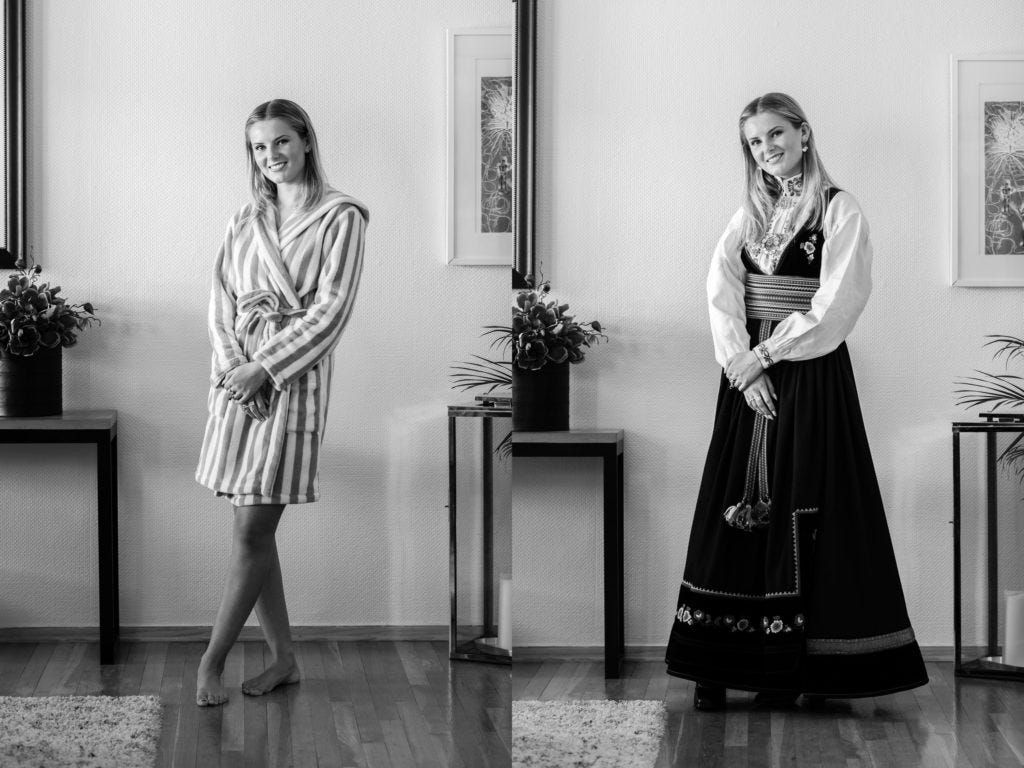
Norwegian National Romanticism was a visual style popular in Norway in the late 19th and early 20th centuries. It was characterized by an emphasis on Norwegian landscapes, folklore, and history, with artists seeking to evoke a sense of national identity and pride.
View StyleExplore Style
Dai Jin was a Ming dynasty painter known for his meticulous brushwork and traditional Chinese landscape painting. His work became famous in the 16th century for its harmonious compositions and detailed depictions of nature.
View StyleExplore Style
Dong Qichang was a Chinese painter, calligrapher, and art theorist from Ming Dynasty era. He is known for combining the styles of the Northern and Southern schools of Chinese painting, creating a distinctive landscape style in the late 16th century.
View StyleExplore Style
Dong Yuan was a Tang dynasty Chinese painter known for his landscape paintings. His works are characterized by a free and bold style that influenced later generations of Chinese painters.
View StyleExplore Style
The Dutch Golden Age was a period in the 17th century, known for its flourishing art, trade, and science. It is characterized by realistic and detailed paintings, often depicting landscapes, still lifes, and genre scenes. This style emerged during the Dutch Republic's prosperity and freedom from Spanish control, allowing artists to focus on capturing everyday life with meticulous attention to detail.
View StyleExplore Style
Edward Lear was a British artist and poet known for his whimsical and colorful illustrations of landscapes, birds, and animals. His work became famous in the mid-19th century for its detailed and imaginative depictions.
View StyleExplore Style
Edward Middleditch was a British painter known for his abstract landscapes characterized by loose brushwork and vibrant colors. His work in the mid-20th century helped define the British post-war avant-garde art scene.
View StyleExplore Style
Edward Turner was a British artist known for his detailed watercolor paintings of rural landscapes and nature scenes. He was active in the late 19th and early 20th centuries, and his work often featured vibrant colors and meticulous attention to light and shadow.
View StyleExplore Style
Fan Kuan was a Chinese landscape painter during the Song Dynasty. His style is characterized by vast and majestic landscapes with towering peaks, deep valleys, and dense forests. He is famous for his meticulous attention to detail and ability to capture the grandeur of nature.
View StyleExplore Style
Frank Tenney Johnson was an American painter known for his stunning depictions of the American West during the early 20th century. His use of bold colors, dramatic lighting, and detailed landscapes captured the rugged beauty of the Western frontier.
View StyleExplore Style
Frederick McCubbin was an Australian Impressionist painter known for his atmospheric landscapes and scenes of everyday life in the late 19th and early 20th centuries, capturing the unique light and colors of the Australian bush.
View StyleExplore Style
Frits Thaulow was a Norwegian Impressionist painter known for his atmospheric and light-filled landscapes. Active in the late 19th century, Thaulow's work is characterized by loose brushwork, vibrant colors, and a focus on capturing the effects of light and weather.
View StyleExplore Style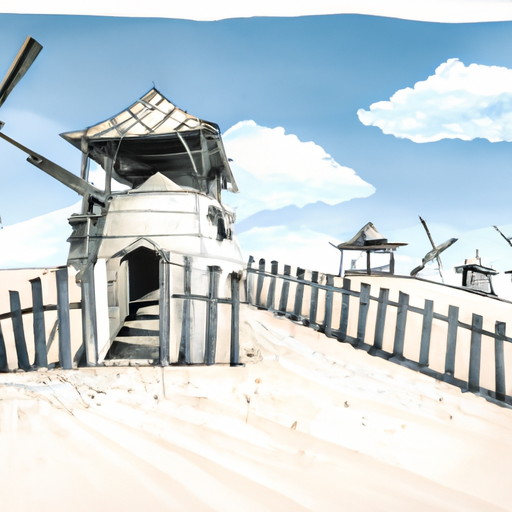
George Catlin was an American painter known for his depictions of Native American life in the 19th century. His style featured realistic portrayals of tribal cultures and landscapes, capturing the spiritual and natural essence of the American frontier.
View StyleExplore Style
George Petrie was known for his detailed watercolor landscapes depicting the Irish countryside in the early 19th century, capturing the beauty and simplicity of rural life.
View StyleExplore Style
The Group of Seven were Canadian landscape painters active from 1920 to 1933. They are known for their distinctive style of capturing the rugged wilderness of Canada in vibrant colors and bold brushwork.
View StyleExplore Style
Guo Xi was a Chinese landscape painter known for his monumental landscapes with towering mountains, vast forests, and flowing rivers, reflecting the majestic and awe-inspiring beauty of nature. Active during the Song dynasty (960-1279), Guo Xi's unique perspective and mastery of texture and light made him famous for his realistic depictions of the natural world.
View StyleExplore Style
Gustaf Fjaestad was a prominent Swedish artist known for his striking landscapes characterized by vibrant colors, detailed brushwork, and a sense of mysticism. His work gained popularity in the late 19th to early 20th century for its unique blend of realism and impressionism.
View StyleExplore Style
Gyoshu Hayami was a prominent Japanese painter known for his traditional Japanese-style paintings, particularly landscapes and flowers. His works gained popularity in the early to mid-20th century for their delicate brushwork and vibrant colors.
View StyleExplore Style
Henri Edmond Cross was a French painter known for his use of vibrant colors and pointillist technique. His style emerged in the late 19th century and continued to evolve in the early 20th century. Cross was a key figure in the Neo-Impressionist movement, alongside artists such as Georges Seurat and Paul Signac. He gained fame for his use of tiny dots and brushstrokes of pure, unmixed colors, creating vibrant and luminous compositions. Cross's works often depicted landscapes, seascapes, and figures, capturing the effects of light and color in a harmonious and innovative way.
View StyleExplore Style
Henry Vaughan was an English painter known for his atmospheric landscape paintings that capture the beauty of the English countryside. Active in the late 19th and early 20th centuries, his work is characterized by soft, muted colors and a poetic, dreamlike quality.
View StyleExplore Style
Hiroshige Ando was a renowned Japanese ukiyo-e artist known for his landscape prints during the Edo period (1797-1858). His style was characterized by vibrant colors, detailed compositions, and exquisite depictions of nature.
View StyleExplore Style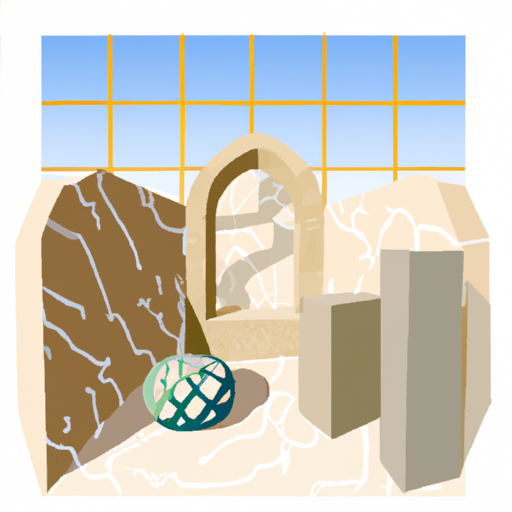
Hockney is a visual style associated with the works of the renowned British artist David Hockney. This style emerged in the 1960s and gained significant recognition during the pop art movement. Hockney became famous for his vivid and colorful paintings, which often incorporated elements of collage and unconventional perspectives. His use of bold and saturated colors, playful compositions, and exploration of light and space contributed to his distinct visual style. Hockney's depictions of swimming pools, landscapes, and portraiture became iconic, representing a vibrant and contemporary expression of art.
View StyleExplore Style
Huang Gongwang was a prominent Chinese painter during the Yuan dynasty known for his distinctive landscape paintings characterized by misty and ethereal effects. His work in the early 14th century influenced the development of the literati painting tradition.
View StyleExplore Style
Irish Romanticism was a movement in Irish art and literature during the late 18th and early 19th centuries. Known for its focus on nature, emotion, and the Irish landscape, it often depicted scenes of rugged beauty and historical events.
View StyleExplore Style
Ivan Shishkin was a Russian landscape painter known for his highly detailed and realistic depictions of forests, trees, and nature scenes. His work became famous in the late 19th century for its meticulous attention to detail and naturalistic style.
View StyleExplore Style
Jan Brueghel The Elder was a Flemish painter known for his detailed still life and landscape paintings. He lived from 1568 to 1625, during the late Renaissance and early Baroque periods. Brueghel's style was characterized by his meticulous attention to detail, vibrant colors, and complex compositions. He often depicted lavish floral arrangements, exotic animals, and diverse landscapes, creating visually stunning and immersive scenes. His expertise in depicting nature led him to be called 'Velvet Brueghel.' Jan Brueghel The Elder played a significant role in popularizing the genre of still life painting during his time, and his works continue to be highly regarded and influential in the art world.
View StyleExplore Style
Jc Dahl was a Norwegian artist known for his romantic landscape paintings from the early to mid-19th century. His work captured the dramatic beauty of the Norwegian landscape and its connection to history, mythology, and national identity.
View StyleExplore Style
Jean Baptiste Camille Corot was a French landscape painter of the 19th century. His style, known as Corotism, is characterized by soft, delicate brushwork, a muted color palette, and a lyrical atmosphere. Corot became famous for his plein air paintings, which captured the essence of the natural world. His works often depicted tranquil landscapes, with a focus on the play of light and shadow. Corot's paintings had a significant influence on the development of Impressionism.
View StyleExplore Style
Jean Francois Millet was a French painter known for his naturalistic style and focus on rural life. His work gained popularity in the mid-19th century for its realistic depictions of peasant life and landscapes.
View StyleExplore Style
Jeong Seon was a Korean painter known for his unique style of 'true-view landscape painting', which became popular in the late Joseon period (18th century). His works often portray Korean landscapes with an emphasis on natural beauty and also incorporate the traditional Korean ink wash painting technique.
View StyleExplore Style
Jmw Turner was a prominent English landscape painter and watercolorist during the late 18th and early 19th centuries. His style is characterized by its luminosity, atmospheric effects, and expressive brushwork. Turner's works were famous for their dramatic portrayal of light and weather conditions, often capturing the transient nature of the natural world. His innovative techniques and bold use of color brought a new level of emotional intensity to landscape painting, making him a leading figure in the Romantic movement.
View StyleExplore Style
Joel Sternfeld is known for his large format color photographs capturing ordinary scenes with a sense of irony and humor. His work gained recognition in the late 1970s and 1980s, exploring the American landscape and human interaction with it.
View StyleExplore Style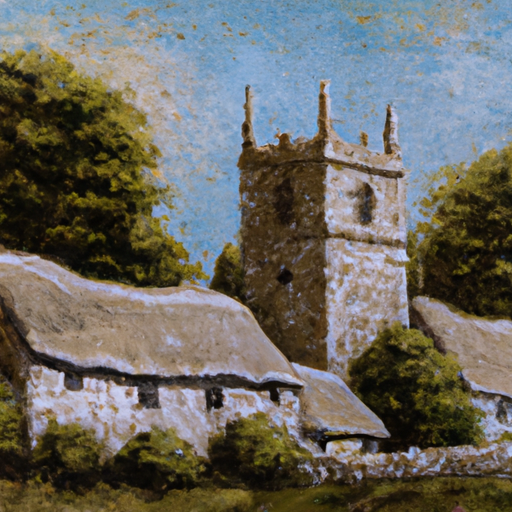
John Constable was an English landscape painter who is known for his realistic and atmospheric depictions of the English countryside. His style emerged in the late 18th century and reached its peak in the 19th century. Constable's paintings are famous for their attention to detail, accurate depiction of light and weather conditions, and emphasis on capturing the natural beauty of the landscape.
View StyleExplore Style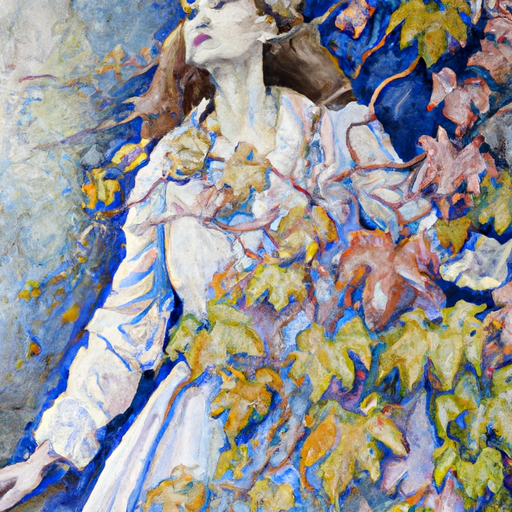
John La Farge was an American painter, muralist, and stained-glass window designer who became renowned for his innovative use of color in art. Active during the late 19th and early 20th century, La Farge's style emerged as a reaction to the detailed realism of the Hudson River School. He focused on capturing the mood and atmosphere of a subject rather than exact representation. La Farge is best known for his landscapes, marine scenes, and captivating studies of light and color. His experimentation with opalescent glass in his stained-glass windows earned him popularity in this medium as well.
View StyleExplore Style
The visual style of John Milton is characterized by intricately detailed, realistic depictions of landscapes and biblical scenes. This style reached its peak in the 17th century and is famous for its use of dramatic lighting and vibrant colors.
View StyleExplore Style
John Wootton was a prominent English painter known for his landscape and hunting scenes. He was active during the early 18th century, capturing the essence of the English countryside and sporting life. His detailed and realistic depictions of rural landscapes and equestrian activities made him famous.
View StyleExplore Style
Joseph Mallord William Turner was a prominent English Romantic landscape painter during the late 18th and early 19th centuries. His unique visual style is characterized by his innovative use of light and color, capturing the transformative effects of nature and atmospheric conditions. Turner's works became famous for their dramatic and emotive qualities, often evoking a sense of awe and sublimity. His mature period, from the 1820s to 1850s, saw him experimenting with abstraction and pushing the boundaries of traditional landscapes. Turner's attention to detail, vibrant palettes, and expressive brushwork made him one of the most influential landscape painters of his time.
View StyleExplore Style
Kamal Ol Molk was a prominent Iranian artist known for his detailed and realistic style of painting, particularly portraits and landscape scenes. He was active during the Qajar period in the late 19th and early 20th centuries, and his work became famous for its intricate brushwork and use of vibrant colors.
View StyleExplore Style
Karl Bodmer's visual style is characterized by detailed and accurate depictions of Native American people and landscapes along the Missouri River in the early 19th century. His work gained fame for its realistic and meticulous portrayal of indigenous cultures.
View StyleExplore Style
Ketsu was a traditional Japanese painting style that reached its peak during the Edo period (17th-19th century). Known for its focus on landscapes, nature, and simplicity.
View StyleExplore Style
Kitty Kielland was a Norwegian landscape painter known for her soft, atmospheric paintings of the Scandinavian countryside. Her work, which gained popularity in the late 19th century, is characterized by its poetic quality and impressionistic style.
View StyleExplore Style