
A Thousand Li Of Rivers And Mountains
A Chinese landscape painting style developed in the 12th century during the Song dynasty, known for its intricate details of rivers, mountains, and nature scenes.
View StyleExplore Style Stylopedia
A visual encyclopedia of intricate styles – use as prompt inspiration for Midjourney, Gemini, or ChatGPT AI when making intricate images
A Chinese landscape painting style developed in the 12th century during the Song dynasty, known for its intricate details of rivers, mountains, and nature scenes.
View StyleExplore Style
Abd Al Rahman I is known for its colorful geometric patterns, intricate designs, and use of calligraphy. This style emerged in the Islamic world in the 8th century under the Umayyad Caliphate, becoming famous for its ornate decorations in architecture and manuscripts.
View StyleExplore Style
Abdul Hasan was a renowned calligrapher during the Mughal Empire in India, known for his intricate and ornate Arabic script. He gained widespread recognition in the 16th century for his meticulous attention to detail and mastery of traditional calligraphy techniques.
View StyleExplore Style
Abdullah Al Wasiti is known for his intricate and colorful illustrations, often depicting scenes from historical events and everyday life in the Islamic world. His work became famous in the 13th century for its detailed depictions and use of vibrant colors.
View StyleExplore Style
Abraham Mignon was a Dutch still-life painter known for his intricate and detailed floral arrangements. His works, created in the late 17th century, are characterized by their vibrant colors, meticulous rendering of textures, and precise compositions.
View StyleExplore Style
Abul Hasan was a prominent Indian artist known for his intricate Mughal miniature paintings during the 17th century. His works are characterized by highly detailed and richly colored compositions depicting courtly scenes, royal portraits, and religious narratives, reflecting the grandeur and elegance of the Mughal dynasty.
View StyleExplore Style
The Achaemenes visual style is characterized by intricate designs, elaborate patterns, and use of rich colors like gold, purple, and turquoise. It dates back to the Achaemenid Empire (550-330 BCE) and is known for its opulence and grandeur, symbolizing the power and wealth of the Persian rulers.
View StyleExplore Style
Achaemenid Art refers to the artistic style of the Achaemenid Empire in Ancient Persia from approximately 550-330 BCE, known for its grandeur, use of symbolism, and intricate designs on metalwork, pottery, and architecture.
View StyleExplore Style
The Achaemenid Empire visual style, originating in ancient Persia from 550 - 330 BCE, is characterized by intricate designs, vibrant colors, and detailed patterns in architecture, pottery, and textiles.
View StyleExplore Style
Adolf Wolfli's visual style is characterized by intricate, detailed drawings filled with geometric patterns, vibrant colors, and fantastical imagery. He is known for his unique outsider art created during his time in a psychiatric institution from 1895 to 1908.
View StyleExplore Style
Aegean Art is a style of art that flourished in the Aegean region during the Bronze Age. Known for its intricate frescoes, pottery, and sculptures, this art form was popular from around 3000 BCE to 1100 BCE.
View StyleExplore Style
African American quilting tradition is known for its vibrant colors, intricate patterns, and storytelling elements. It originated in the early 19th century among enslaved African Americans, who used scraps of fabric to create quilts that served both functional and artistic purposes.
View StyleExplore Style
African Fashion is characterized by vibrant colors, bold patterns, and intricate designs inspired by various African cultures, traditions, and heritage. It gained popularity in the 20th century as African designers gained global recognition for their unique and innovative creations.
View StyleExplore StyleAfrican patterns are characterized by vibrant colors, geometric shapes, and intricate designs inspired by traditional African art and culture. This style became popular in the 20th century as a way to celebrate African heritage and showcase the continent's rich history and traditions.
View StyleExplore Style
African Wax Prints are bold and colorful fabrics that feature intricate geometric patterns and vibrant motifs. This style became famous in the mid-19th century and continues to be a symbol of African culture and identity.
View StyleExplore Style
The Aidan visual style emerged in the mid-2010s, characterized by vibrant colors, whimsical illustrations, and intricate patterns. It gained popularity through social media platforms for its eye-catching and creative designs.
View StyleExplore Style
Aigerim Alimzhanova's style is characterized by vibrant colors, intricate patterns, and surreal elements. Her work gained popularity in the 2010s for its unique blend of traditional Kazakh motifs with contemporary design.
View StyleExplore Style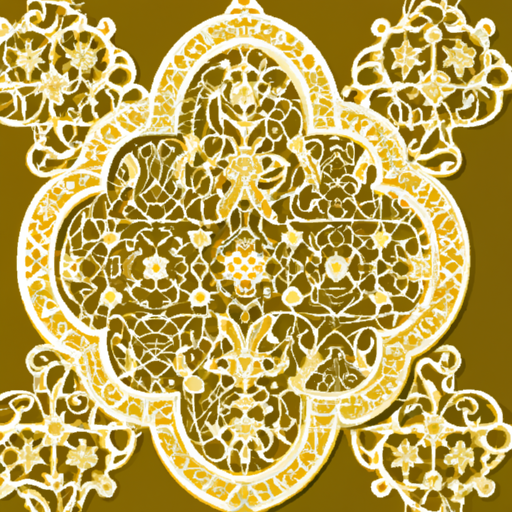
Akbar is a visual style that emerged in the late 16th century during the reign of Emperor Akbar in the Mughal Empire. It reached its peak between 1556 and 1605. This style is renowned for its intricate and detailed artwork, blending Persian, Indian, and Islamic influences. It is characterized by its vibrant colors, intricate patterns, and exquisite craftsmanship. The Akbar style became famous for its fusion of diverse artistic traditions and its emphasis on naturalistic details.
View StyleExplore Style
Akihiko Yoshida is a renowned Japanese artist and character designer known for his unique visual style. His style is characterized by beautifully detailed and intricate character designs, with a delicate balance between realism and fantasy. With a career spanning over two decades, Yoshida gained prominence in the late 1990s and early 2000s for his work on several iconic video games, including the 'Final Fantasy' series and 'Vagrant Story'. His intricate character designs and attention to detail made him famous in the gaming industry, and his work continues to inspire and captivate audiences.
View StyleExplore Style
Akira Yoshizawa was a Japanese origami artist who is considered the father of modern origami. He developed the Yoshizawa–Randlett system of notation and revolutionized the art of origami by creating countless intricate designs and techniques. Yoshizawa's work gained widespread recognition in the 1950s and 1960s, and he played a pivotal role in elevating origami from a traditional craft to an artistic form of expression.
View StyleExplore Style
Akwete is a traditional handwoven fabric from the Igbo people of Nigeria, known for its intricate designs and vibrant colors. This textile tradition dates back centuries and is still produced today by skilled weavers.
View StyleExplore Style
The visual style of the Aladdin film is a vibrant and magical blend of Arabian and Islamic influences, characterized by intricate ornamentation, rich color palettes, and exotic landscapes. Released in 1992, Aladdin gained fame for its captivating animation and stunning visual effects, pushing the boundaries of traditional hand-drawn animation. The film's distinctive style was inspired by Islamic art and architecture, transporting viewers to a whole new world of fantasy and wonder.
View StyleExplore Style
Alchemy is a mysterious and esoteric visual style that blends elements of mysticism, alchemy, and symbolism. It became famous in the late medieval and early Renaissance periods for its intricate and symbolic depictions.
View StyleExplore Style
Aldred Of Lindisfarne was known for his intricate calligraphy and illuminations in manuscripts during the late 10th and early 11th centuries. His work featured detailed geometric patterns, vibrant colors, and ornate designs that were highly influential in the field of medieval art.
View StyleExplore Style
Vibrant and intricate Mexican folk art style originating in the 1930s. Known for fantastical creatures and bright colors.
View StyleExplore Style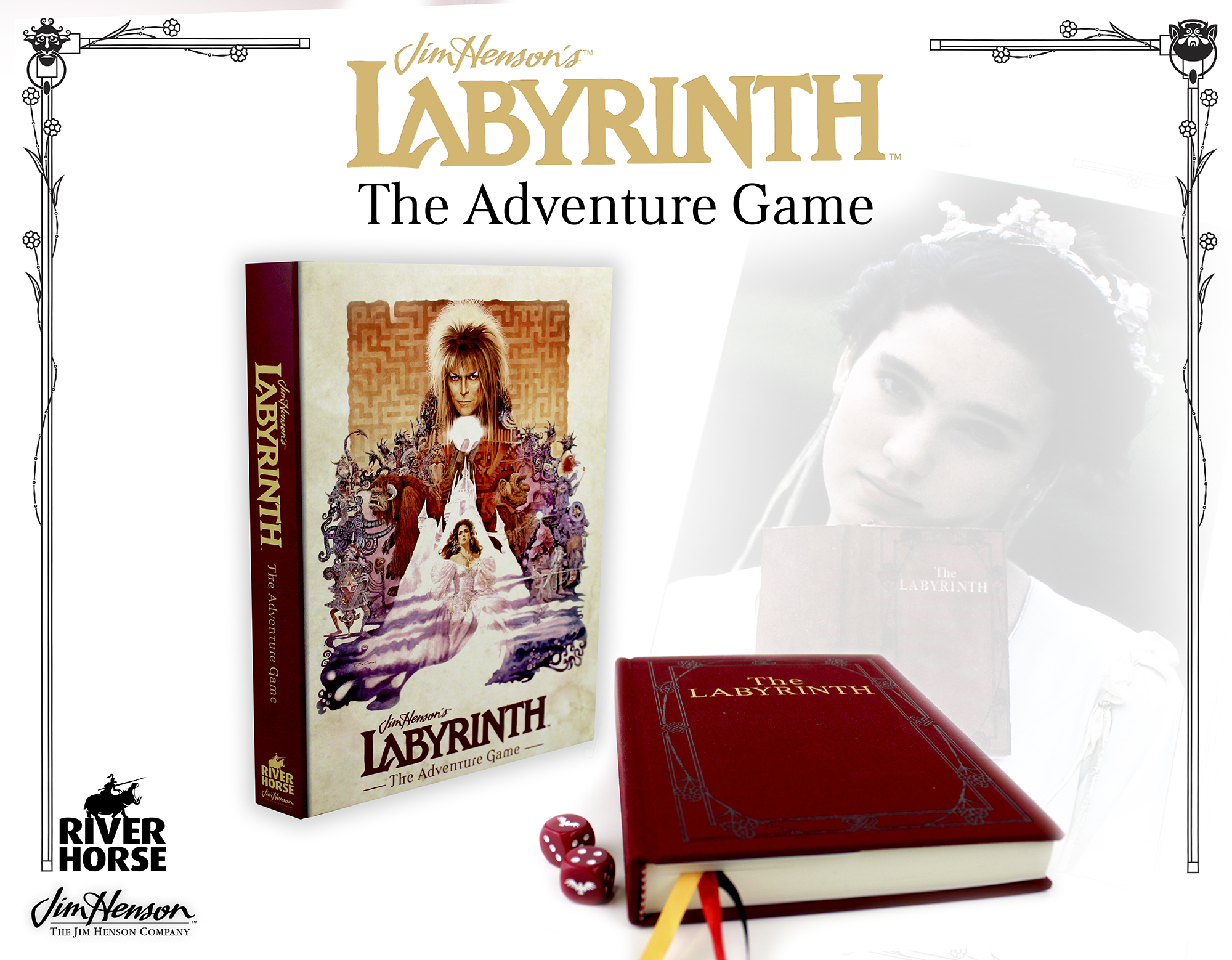
Alessio Cavatore's visual style is characterized by intricate details, vibrant colors, and dynamic compositions. His works are known for their historical accuracy and attention to detail. He gained fame in the early 2000s for his miniatures sculpting and game design work.
View StyleExplore Style
Alex Grey is a visionary artist known for his intricate and detailed psychedelic artwork. His work became famous in the 1990s for its spiritual themes and use of vibrant colors.
View StyleExplore Style
The visual style of Alex McDowell is futuristic and immersive, blending architecture, technology, and storytelling in a seamless way. McDowell became famous for his groundbreaking work as a production designer in the late 1990s and early 2000s, bringing his unique visions to life in films like 'Fight Club' (1999), 'Minority Report' (2002), and 'The Terminal' (2004). His use of intricate set designs, innovative use of digital technologies, and meticulous attention to detail created visually stunning and fully realized worlds, transporting audiences into the future.
View StyleExplore Style
The visual style of Alexander The Great is characterized by intricate and detailed designs inspired by ancient Greek and Persian art. This style became popular during the reign of Alexander The Great in the 4th century BC, blending elements of both cultures to create a unique aesthetic.
View StyleExplore Style
Alexandra Byrne is a visual style known for her intricate and detailed costume designs in historical films. She gained fame for her work in movies like Elizabeth (1998), Finding Neverland (2004), and Mary Queen of Scots (2018), which showcase her ability to recreate period costumes with accuracy and elegance. Byrne's attention to detail and collaborative approach have made her one of the most sought-after costume designers in the industry.
View StyleExplore Style
Alhambra is a visual style that originated in the 14th century during the Nasrid dynasty in Al-Andalus, Spain. It is famous for its intricate geometric patterns, arabesques, and decorative motifs. The Alhambra fortress in Granada, built in the 14th century, served as a major inspiration for this style. The intricate stucco work, the use of colorful tiles, and the repetition of geometric shapes are characteristic features that define the Alhambra style and make it famous even today.
View StyleExplore Style
The Alhambra Palace style is characterized by intricate geometric patterns, ornate tilework, and stunning arabesques. Originating in 14th-century southern Spain, this style is known for its exquisite craftsmanship and influence from Islamic art and architecture.
View StyleExplore Style
The visual style of Alice Walker is characterized by vibrant colors, intricate patterns, and powerful storytelling. Her work often features themes of race, gender, and identity, reflecting her experience as a Black feminist writer in the 20th century.
View StyleExplore Style
Allen Blum is known for his unique blend of vibrant colors, surreal imagery, and intricate details. His work gained popularity in the 1980s and is characterized by a psychedelic and dreamlike aesthetic.
View StyleExplore Style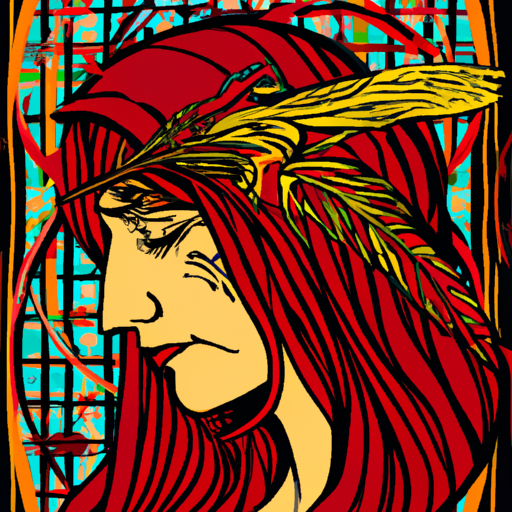
Alphonse Mucha was an influential Art Nouveau artist in the late 19th and early 20th centuries. His distinctive style, characterized by intricate and ornamental designs, gained popularity through his iconic poster art. Mucha's work is known for its vibrant colors, elaborate floral motifs, and elegant female figures. This style became famous for capturing the essence of the Art Nouveau movement, which emphasized organic forms and decorative elements. Mucha's artistic contributions between 1890 and 1910 helped shape the visual landscape of the era.
View StyleExplore Style
Amanda Sage is a visionary artist known for her intricate and surreal paintings inspired by themes of spirituality, transformation, and interconnectedness. Her work gained popularity in the early 2000s for its unique blend of vibrant colors, intricate details, and fantastical imagery.
View StyleExplore Style
The Amaravati School Of Art was prominent from 2nd century BC to 3rd century AD in Amaravati, India. Known for intricate carvings on stupas, pillars, and sculptures depicting scenes from the life of Buddha.
View StyleExplore Style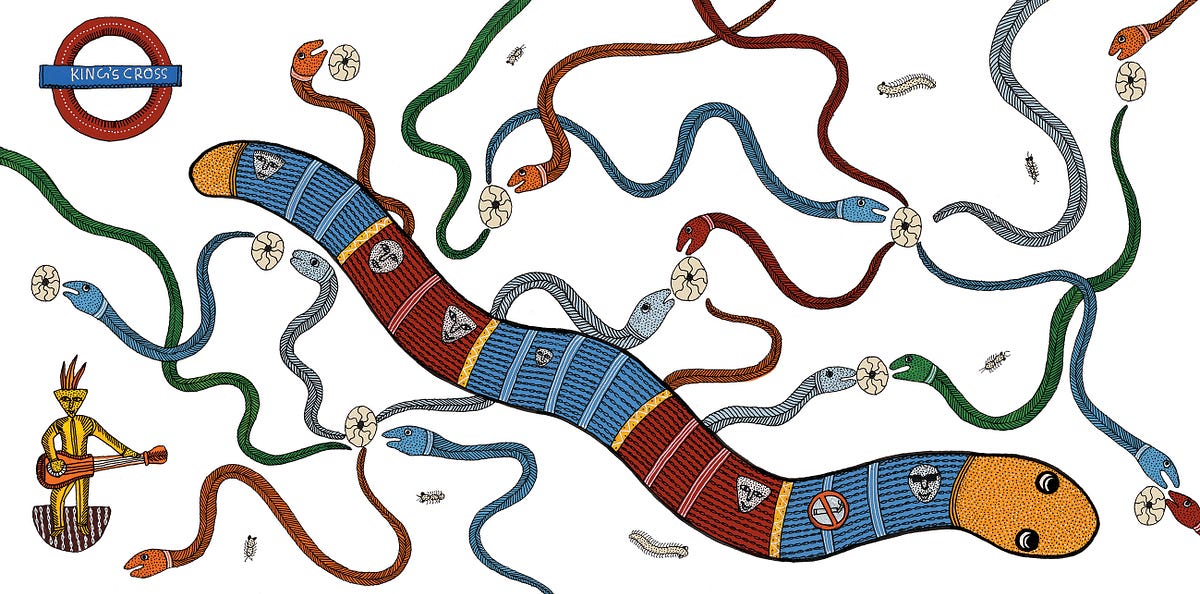
Bhajju Shyam is a contemporary Indian tribal artist known for his intricate and colorful Gond art. His style gained prominence in the early 2000s with his book 'The London Jungle Book' which showcased his unique storytelling through art.
View StyleExplore Style
American Glassware Designers style emerged in the early 20th century and was characterized by intricate designs, vibrant colors, and innovative techniques. It became famous for its craftsmanship and unique artistic expression.
View StyleExplore Style
Amon Tobin is known for his dark and intricate visual style, combining glitchy textures, surreal imagery, and futuristic elements. His work gained fame in the late 1990s and early 2000s for its innovative approach to audiovisual storytelling.
View StyleExplore Style
The Amphora Painter (circa 600-500 BCE) was a renowned ancient Greek pottery artist known for their intricate black-figure designs on amphorae, featuring detailed mythological scenes and figures.
View StyleExplore Style
Amrapali Jewels is known for its luxurious and intricate jewelry designs inspired by Indian heritage and craftsmanship. Established in 1978, the brand gained worldwide recognition for its use of vibrant colored gemstones and traditional Indian techniques.
View StyleExplore Style
The Amulet Series is a unique visual style characterized by intricate line work, dazzling colors, and mystical themes. This style gained popularity in the 1970s and is known for its fusion of ancient symbolism and modern design.
View StyleExplore Style
The visual style of Ancient Crete, primarily seen in the Minoan civilization from around 2600-1100 BC, is characterized by vivid colors, intricate designs, and depictions of nature and animals. This style is famous for its elaborate palaces, frescoes, and pottery.
View StyleExplore Style
Ancient Egyptian aesthetics date back to around 3000 BCE and are characterized by bold, geometric shapes, intricate patterns, and symbolism such as hieroglyphics and religious motifs. Their use of bright colors, symmetry, and grandiose scale made this style famous.
View StyleExplore Style
Ancient Persian Art refers to the art and architecture of the Persian Empire from 550-330 BCE, known for its intricate patterns, vibrant colors, and detailed relief sculptures. It was influenced by a variety of cultures, resulting in a unique and diverse visual style.
View StyleExplore Style
Andean Art is a visual style that emerged in the Andean region of South America, known for its vibrant colors, intricate patterns, and strong cultural connections. This style has been prominent for centuries, with influences from pre-Columbian civilizations such as the Inca and Moche.
View StyleExplore Style
Andre Charles Boulle is a style that emerged in the late 17th century and was popular in the 18th century. It is named after the French cabinetmaker Andre Charles Boulle. This style is famous for its intricate marquetry work, particularly in the form of furniture and decorative objects. Boulle utilized the technique of using layers of contrasting materials such as tortoiseshell, brass, and pewter to create intricate patterns and designs. This style became synonymous with luxury and wealth, and its popularity spread throughout Europe.
View StyleExplore Style
Andrew Marvell is a visual style that draws inspiration from the 17th-century poet of the same name. Known for his intricate and descriptive poetry, this style is characterized by detailed and ornate designs, intricate patterns, and rich color palettes. It gained popularity during the Baroque period and is often associated with elegance, sophistication, and refinement.
View StyleExplore Style
Android Jones is a digital artist known for his vibrant and psychedelic artwork that blends Eastern and Western influences. His works often feature intricate patterns, surreal landscapes, and cosmic themes, gaining popularity in the 2000s for pushing the boundaries of digital art.
View StyleExplore Style
Anglo Saxon Art emerged in Britain during the early medieval period (5th-11th centuries), known for intricate metalwork, manuscript illumination, and stone carvings influenced by Germanic, Celtic, and Mediterranean styles.
View StyleExplore Style
Anglo Saxon art and design flourished in England from the 5th to the 11th centuries, characterized by intricate metalwork, illuminated manuscripts, and carved stone crosses. The style is known for its intricate interlacing patterns and zoomorphic motifs.
View StyleExplore Style
Animal Style Art is a decorative style originating in the ancient world, particularly seen in the Nordic, Celtic, and Persian cultures. It is characterized by intricate patterns and designs inspired by animals, often seen in metalwork, jewelry, and manuscripts.
View StyleExplore Style
Anime Fantasy is a visual style that combines elements of traditional Japanese anime with fantastical themes and characters. Popularized in the late 20th century, it features intricate artwork, vibrant colors, and elaborate storytelling.
View StyleExplore Style
Anne Delespine is a visual style that emerged in the late 17th century and gained popularity in the 18th century. It is characterized by its delicate and intricate nature, often featuring motifs inspired by nature and feminine beauty. Anne Delespine became famous for its use of soft pastel colors, flowing lines, and whimsical details. This style became prominent during the Rococo period and was favored by aristocratic women in France.
View StyleExplore Style
The visual style of Annihilation is characterized by surreal and otherworldly imagery, with a focus on vibrant colors and intricate details. Released in 2018, this style gained fame for its unique blend of science fiction and horror elements.
View StyleExplore Style
Antoine Le Pautre was a French draughtsman and architect known for his intricate and ornate Baroque designs. Active during the late 17th century in France, his style was characterized by lavish decoration, grandeur, and symmetry. Le Pautre's work became famous for its opulence and his ability to create intricate and detailed designs for palaces, mansions, and churches, often incorporating elements such as intricate carvings, elaborate moldings, and extravagant embellishments.
View StyleExplore Style
Anton Furst's visual style is characterized by dark and gothic architectural designs, notably seen in his work on the film Batman (1989). His use of sharp angles, towering structures, and intricate detailing set a tone of foreboding and grandeur.
View StyleExplore Style
Anupam Sud is known for her intricate and detailed figurative paintings that often depict everyday life and emotions. Her works gained fame in the 1980s for their realistic portrayal of human experiences.
View StyleExplore Style
Arabesque is a highly decorative and intricate visual style that emerged during the Islamic Golden Age in the 8th century and reached its peak in popularity during the Renaissance. It is characterized by the extensive use of flowing and interlacing patterns inspired by nature, such as plants, flowers, and geometric shapes. Arabesque became famous for its symmetrical designs, precise craftsmanship, and intricate details that were often seen in architecture, textiles, ceramics, and manuscripts.
View StyleExplore Style