StylopediaStylopedia

Installation styles on Stylopedia

A visual encyclopedia of installation styles – use as prompt inspiration for Midjourney, Gemini, or ChatGPT AI when making installation images

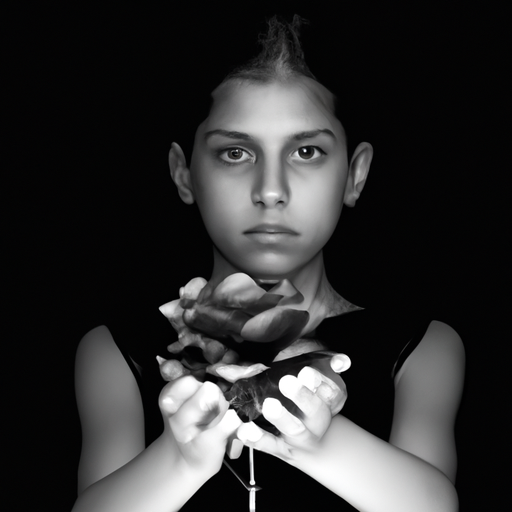
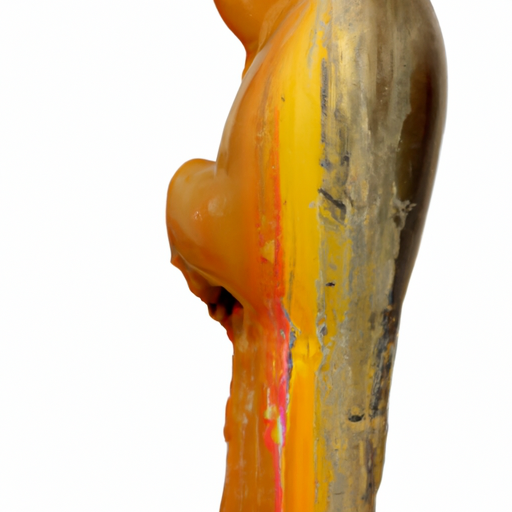
Example of visual style of Bruce Nauman

Bruce Nauman

Bruce Nauman is an American artist known for his pioneering work in various mediums including sculpture, video, performance, and installation art. His work emerged in the late 1960s and was heavily influenced by the Conceptual art movement. Nauman's art often explores themes of language, communication, body, and the human condition. He is famous for his use of repetitive phrases, neon lights, and video surveillance to challenge the viewer's perception and provoke introspection.

View StyleExplore Style
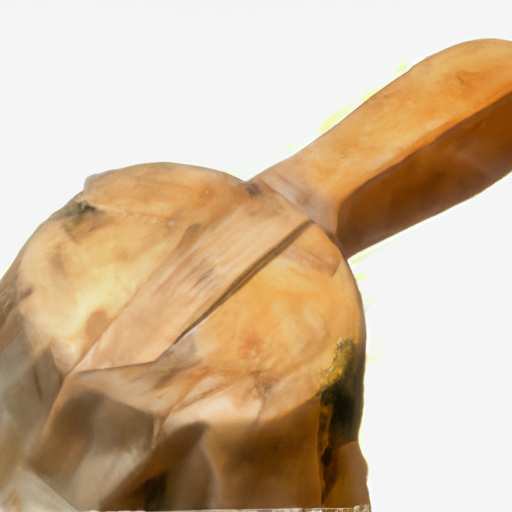
Example of visual style of Carolee Schneemann

Carolee Schneemann

Carolee Schneemann was an American visual artist known for her provocative and groundbreaking work in performance art, film, and installation. She rose to fame in the late 1960s and 1970s with her innovative approach to exploring the female body, sexuality, and gender roles. Schneemann's works often involved the use of her own body as a medium, challenging societal norms and pushing the boundaries of art. Her adventurous and fearless exploration of taboos made her a feminist icon and a pioneer of body art.

View StyleExplore Style
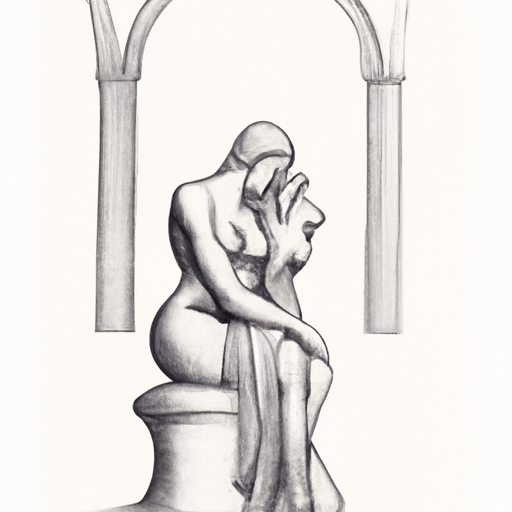
Example of visual style of Carrie Mae Weems

Carrie Mae Weems

Carrie Mae Weems is known for her powerful and thought-provoking photography, video, and installation artworks. Her visual style combines documentary photography with cultural and social commentary, exploring themes of race, gender, and class. Weems gained recognition in the 1990s for her series 'The Kitchen Table', which utilized staged domestic scenes to examine the complexities of intimate relationships and the roles of women. Her work often incorporates text and audio elements to further enhance the narrative and emotional impact. Weems' unique approach to storytelling and her ability to challenge societal norms have made her style iconic in the world of contemporary photography.

View StyleExplore Style
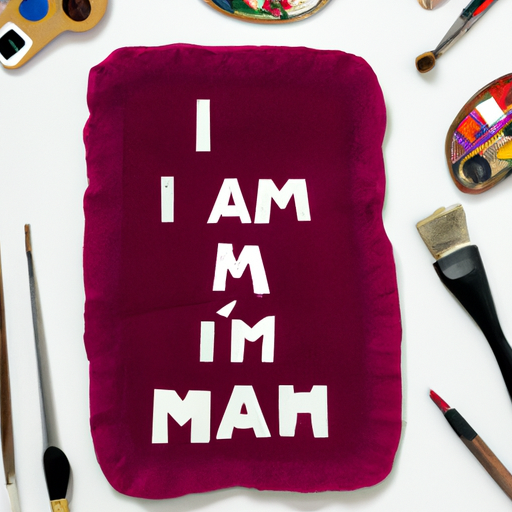
Example of visual style of Fiona Banner

Fiona Banner

Fiona Banner is a contemporary British artist known for her use of text-based artwork and immersive installations. Her style is characterized by its minimalistic and conceptual nature, often incorporating language as the central element of her pieces. Banner gained recognition in the late 1990s for her 'wordscapes,' large-scale text installations that use words and typography to create visual landscapes. She became famous for her attention to detail and bold use of language to explore themes of communication, power, and identity.

View StyleExplore Style
Example of visual style of Joseph Beuys

Joseph Beuys

Joseph Beuys was a German artist known for his diverse artistic practice that encompassed performance, sculpture, installation, and drawing. A significant figure in the art world from the 1960s until his death in 1986, Beuys not only challenged traditional notions of art but also explored social and political issues. He became famous for his concept of 'social sculpture,' which aimed to bring about social change through artistic means. Beuys' work often employed unconventional materials such as felt, fat, and honey, and he embraced symbols like the hare and the wolf as recurring motifs. His art encouraged viewers to engage with their own creative potential and to question established systems and beliefs.

View StyleExplore Style
Example of visual style of Louise Bourgeois

Louise Bourgeois

Louise Bourgeois was a French-American artist known for her unique and diverse visual style. Born in 1911, Bourgeois gained recognition in the late 20th century for her innovative and thought-provoking sculptures, installations, and prints. Her works often explore themes of sexuality, femininity, and the human condition. Bourgeois' use of unconventional materials, such as fabric, plaster, and metal, along with her skillful craftsmanship, contributed to her fame and influence in the art world.

View StyleExplore Style
Example of visual style of Marina Abramovi Institute

Marina Abramovi Institute

The Marina Abramovi Institute is a visual style associated with contemporary performance art and experiential installations. Founded in 2004 by Marina Abramovi, a renowned Serbian performance artist, the institute gained fame for its innovative approach to audience participation and immersive art experiences. The institute became particularly famous after Abramovi's retrospective exhibition 'The Artist Is Present' at the Museum of Modern Art in 2010, which featured her iconic durational performance. The Marina Abramovi Institute challenges traditional boundaries of art by merging the realms of performance, sculpture, and the human experience.

View StyleExplore Style
Example of visual style of Olafur Eliasson

Olafur Eliasson

Olafur Eliasson is a Danish-Icelandic artist known for his immersive installations that combine art, science, and nature. Eliasson's work is characterized by his use of light, water, and natural materials to create mesmerizing and interactive experiences. He rose to fame in the early 2000s with his large-scale installations like 'The Weather Project', which created an artificial sun in the Tate Modern's Turbine Hall, and 'Your Rainbow Panorama', a circular walkway with colored glass panels on the roof of the ARoS Aarhus Art Museum. Eliasson's interdisciplinary approach and innovative use of materials have made him one of the most influential artists of his generation.

View StyleExplore Style
Example of visual style of Suzanne Lacy

Suzanne Lacy

Suzanne Lacy is a visual artist known for her pioneering work in the field of social practice art. Her visual style combines performance art, installation, and community engagement to create powerful and dynamic artworks. Lacy rose to prominence in the 1970s and 1980s, a time when feminist art and activism were gaining momentum. Her groundbreaking projects, such as 'Three Weeks in May' (1977) and 'The Crystal Quilt' (1987), brought attention to important social issues such as violence against women and the experiences of older women. Lacy's use of collaboration and her focus on the lived experiences of marginalized communities have made her style famous and influential in the realm of social practice art.

View StyleExplore Style
Example of visual style of Tracey Emin

Tracey Emin

Tracey Emin is a contemporary British artist known for her confessional and autobiographical works. Her visual style combines elements of drawing, painting, photography, and installations. Emin rose to fame in the 1990s as one of the leading figures of the Young British Artists (YBAs) movement. Her works often explore themes of love, sex, identity, and personal experiences, with a raw and honest approach. Emin gained widespread recognition for her controversial installation piece 'My Bed' (1998), which featured a disheveled bed surrounded by personal items, representing a personal and intimate space. Her style is characterized by an expressive and emotive use of materials, often incorporating handwritten texts and incorporating her own body and personal experiences into her artwork.

View StyleExplore Style
Home