StylopediaStylopedia

Harmony styles on Stylopedia

A visual encyclopedia of harmony styles – use as prompt inspiration for Midjourney, Gemini, or ChatGPT AI when making harmony images

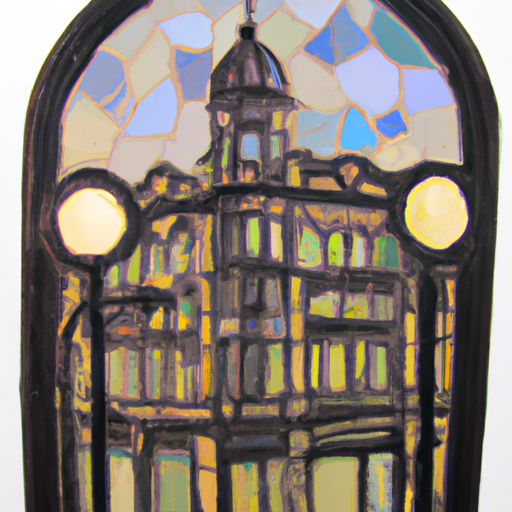
Example of visual style of Aesthetic Movement

Aesthetic Movement

The Aesthetic Movement was an art and design movement that emerged in the late 19th century, particularly in Britain and the United States, and reached its peak between 1868 and 1890. It was a reaction against the industrialization and mass production of the Victorian era, emphasizing the importance of beauty and art for art's sake. The movement aimed to create a visual style that focused on simplicity, harmony, and decorative arts. It became famous for its use of natural motifs, Japanese influence, and the integration of different art forms like painting, sculpture, and interior design.

View StyleExplore Style
Example of visual style of Classicism

Classicism

Classicism is a visual style that emerged in ancient Greece and Rome during the 5th century BC to the 3rd century AD. It was characterized by a return to the aesthetic principles of order, harmony, and balance that were prevalent in Greek and Roman art and architecture. The style gained prominence during the Renaissance in the 15th and 16th centuries. Classicism became famous for its focus on idealized forms, symmetrical compositions, and a sense of proportion. It celebrated the virtues of balance, clarity, and rationality.

View StyleExplore Style
Example of visual style of Geometry In Islamic Art

Geometry In Islamic Art

Geometry in Islamic art refers to the use of intricate geometric patterns and designs in various art forms such as architecture, ceramics, and textiles. These geometric patterns are an important element of Islamic art and have been used since the 8th century. The use of geometry in Islamic art became famous due to its mathematical precision and aesthetic beauty. The symmetrical repetition of geometric shapes and the intricate interlacing patterns became iconic in Islamic art, representing the harmony and unity of the Islamic world.

View StyleExplore Style
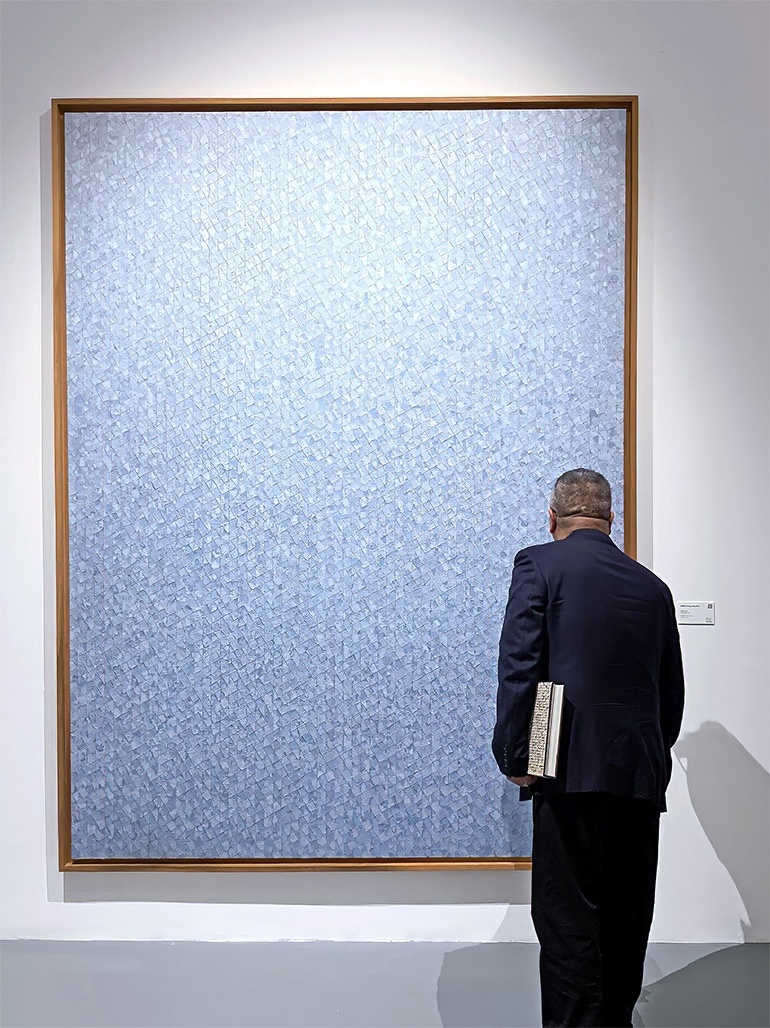
Example of visual style of George Vantongerloo

George Vantongerloo

George Vantongerloo was a Belgian painter, sculptor, and architect who was a prominent figure in the development of abstract art in the early 20th century. His style, which emerged around 1917, was characterized by geometric abstraction and a focus on the exploration of form, color, and space. Vantongerloo is best known for his use of pure geometric shapes, such as squares, circles, and triangles, arranged in precise compositions that emphasized the interplay of line and color. His works often evoked a sense of harmony and balance through their simplicity and precision. Vantongerloo's style gained recognition and influence through his participation in various art movements and groups, including De Stijl and Constructivism. His ideas and artworks played a significant role in shaping the development of abstract art in the 20th century.

View StyleExplore Style
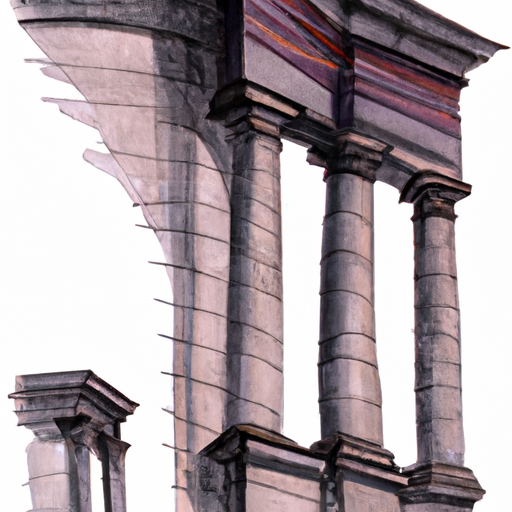
Example of visual style of Greek Architecture

Greek Architecture

Greek Architecture refers to the architectural style developed in ancient Greece from the 9th century BCE to the 1st century BCE. It became famous for its emphasis on harmony, proportion, and balance. Greek architects designed and constructed grand temples and public buildings using a variety of architectural orders, including the Doric, Ionic, and Corinthian. The Parthenon, built in Athens during the 5th century BCE, is one of the most iconic examples of Greek Architecture.

View StyleExplore Style
Example of visual style of Greek Art

Greek Art

Greek Art refers to the visual arts and architecture produced in Ancient Greece from the 9th century BCE to the 1st century AD. This style is famous for its emphasis on naturalistic representation, idealized human figures, and symmetrical compositions. The period between the 5th and 4th centuries BCE, known as the Classical period, is particularly renowned for its contributions to Greek Art. The art of this period showcased balance, harmony, and a sense of ideal beauty. It influenced much of Western art and continues to be admired for its timeless aesthetics.

View StyleExplore Style
Example of visual style of James Modarelli

James Modarelli

James Modarelli is known for his minimalist and abstract visual style. His work gained recognition during the early 1960s through his innovative use of color, shape, and form. Modarelli's style quickly became famous for its bold and geometric compositions, as well as its emphasis on clean lines and simplicity. His designs often evoke a sense of harmony and balance, while also exhibiting a sense of energy and movement. Modarelli's work became influential in the fields of graphic design and modern art, and his style continues to inspire designers today.

View StyleExplore Style
Example of visual style of Joseon Dynasty

Joseon Dynasty

The Joseon Dynasty was a Korean dynastic kingdom that lasted for over 500 years from 1392 to 1897. The visual style of the Joseon Dynasty is characterized by its traditional and elegant aesthetics, which reflected the Confucian principles of the time. It is famous for its emphasis on simplicity, balance, and harmony in both its architecture and visual arts. The dynasty's golden age of cultural achievements occurred during the 15th and 16th centuries, with notable advancements in literature, ceramics, and painting.

View StyleExplore Style
Example of visual style of Kawase Hasui

Kawase Hasui

Kawase Hasui was a prominent Japanese printmaker in the 20th century, best known for his woodblock prints. His style emerged during the early 1900s and gained popularity throughout the 1920s and 1930s. Hasui's work often depicted serene landscapes and cityscapes, capturing the beauty of Japanese scenery and everyday life. He often used vibrant colors, delicate lines, and meticulous details to create a sense of tranquility and harmony. His prints were widely recognized for their masterful composition and skilled craftsmanship, which made him famous both in Japan and internationally.

View StyleExplore Style
Example of visual style of Kazuhiko Nakamura

Kazuhiko Nakamura

Kazuhiko Nakamura is a Japanese graphic designer known for his minimalist and clean visual style. Emerging in the 1960s, Nakamura's work became famous for its simplicity, precision, and attention to detail. He was at the forefront of the Swiss Style influence on Japanese graphic design, combining Western modernism with traditional Japanese aesthetics. Nakamura's work often featured bold typography, solid colors, and a sense of harmony. His designs conveyed a sense of order and clarity, making them highly effective in communicating messages. Nakamura's style gained international recognition in the 1970s and 1980s, and he became an influential figure in the field of graphic design.

View StyleExplore Style
Example of visual style of Neoclassical Architecture

Neoclassical Architecture

Neoclassical Architecture is a design style that emerged in the late 18th century and lasted until the mid-19th century. It was inspired by the classical architecture of ancient Greece and Rome. Neoclassical buildings are known for their grandeur, symmetry, and clean lines. This style became famous as a reaction against the excessive ornamentation of the Baroque and Rococo periods. It aimed to revive the principles of classical architecture and bring back the ideals of balance, harmony, and simplicity.

View StyleExplore Style
Example of visual style of Neoclassical Artists

Neoclassical Artists

Neoclassical Artists refers to a visual style that emerged in the late 18th and early 19th centuries in Europe. Influenced by the revival of classical Greek and Roman art, this style emphasized harmony, order, and a return to the ideals of ancient civilizations. Neoclassical Artists sought to capture the grandeur and beauty of antiquity through their art, depicting historical and mythological scenes, as well as portraits of prominent figures. This style became famous for its attention to detail, use of classical motifs, and a sense of idealized perfection.

View StyleExplore Style
Example of visual style of Raphael

Raphael

Raphael is an Italian Renaissance visual style that emerged in the early 16th century. It is named after the renowned Italian painter and architect, Raffaello Sanzio da Urbino, commonly known as Raphael. This style was particularly famous during the High Renaissance period (1500-1520) in Italy. Raphael's style was characterized by its harmonious compositions, idealized figures, and naturalistic representations. His use of perspective, classical influences, and attention to detail brought a sense of balance, beauty, and grace to his paintings, which made him one of the most celebrated artists of his time.

View StyleExplore Style
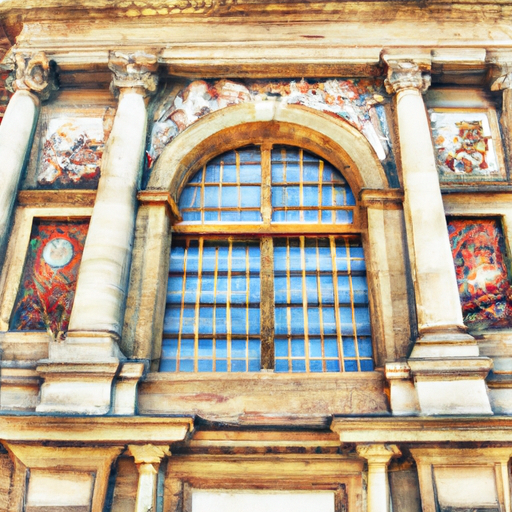
Example of visual style of Renaissance Architecture

Renaissance Architecture

Renaissance Architecture, prevalent from the 14th to the 17th century, is characterized by a revival of classical Roman and Greek architectural elements. Famous for its grandeur, harmony, and symmetry, Renaissance Architecture brought back classical proportions and features such as domes, arches, columns, and pilasters. This style became famous for its influential architects such as Filippo Brunelleschi, Andrea Palladio, and Donato Bramante, and landmark structures like the Florence Cathedral, St. Peter's Basilica, and the Palazzo Farnese.

View StyleExplore Style
Example of visual style of Tadao Ando

Tadao Ando

Tadao Ando is a minimalist architectural style developed by the Japanese architect Tadao Ando. It emerged in the late 20th century and became famous for its simplicity, use of natural materials, and incorporation of natural light. Ando's architecture often features clean lines, geometric shapes, and a focus on creating harmony between the built environment and nature. His use of concrete as a primary material and the way he manipulates light and shadow are distinctive elements of his style.

View StyleExplore Style
Home