StylopediaStylopedia

Grandeur styles on Stylopedia

A visual encyclopedia of grandeur styles – use as prompt inspiration for Midjourney, Gemini, or ChatGPT AI when making grandeur images

Example of visual style of Andre Le Notre

Andre Le Notre

Andre Le Notre was a French landscape architect. He was born in 1613 and worked predominantly in the 17th century. Le Notre is best known for his garden designs, particularly the extensive formal gardens of the French Baroque style. His designs emphasized symmetry, geometric patterns, and the integration of architecture and landscape. Le Notre's work was characterized by his use of grand terraces, ornamental parterres, fountains, and reflecting pools. His famous works include the gardens of Versailles and Vaux-le-Vicomte. Le Notre's style became synonymous with the opulence and grandeur of the French royal court during the reign of Louis XIV.

View StyleExplore Style
Example of visual style of Ansel Adams

Ansel Adams

Ansel Adams was a renowned American photographer who rose to prominence in the mid-20th century. His black and white landscape photographs, particularly of the American West, became iconic representations of the natural beauty of the United States. Adams is widely celebrated for his precise and meticulous approach to photography, which involved masterful composition, careful use of light and shadow, and extensive darkroom techniques. His works captured the grandeur and sublime qualities of nature, showcasing its vastness, detail, and inherent aesthetics. Ansel Adams' style became famous for its ability to evoke emotional responses from viewers, often leaving them in awe of the majestic landscapes he captured.

View StyleExplore Style
Example of visual style of Antebellum Architecture

Antebellum Architecture

Antebellum Architecture refers to the architectural style that was prominent in the Southern United States during the pre-Civil War period, specifically from the late 18th century to the mid-19th century. This style is famous for its grandeur, elegance, and adherence to classical design principles. Inspired by Greek and Roman architecture, it featured symmetrical facades, tall columns, expansive porticoes, and elaborate ornamentation. The antebellum period and its architecture became famous for its association with the plantation economy and the romanticized image of the Old South.

View StyleExplore Style
Example of visual style of Antoine Le Pautre

Antoine Le Pautre

Antoine Le Pautre was a French draughtsman and architect known for his intricate and ornate Baroque designs. Active during the late 17th century in France, his style was characterized by lavish decoration, grandeur, and symmetry. Le Pautre's work became famous for its opulence and his ability to create intricate and detailed designs for palaces, mansions, and churches, often incorporating elements such as intricate carvings, elaborate moldings, and extravagant embellishments.

View StyleExplore Style
Example of visual style of Baroque

Baroque

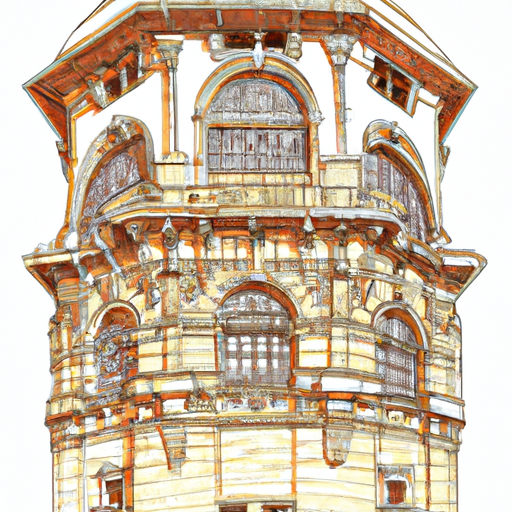
Baroque is a highly ornamental and dramatic style that emerged in Europe around the late 16th century and remained prominent until the early 18th century. It is known for its grandeur, opulence, and theatricality. Baroque style captivated audiences with its elaborate details, exaggerated gestures, and vibrant colors. It was characterized by the use of dynamic and sweeping curves, intricate ornamentation, and abundant decorative elements. This style became famous for its luxuriousness and the way it evoked strong emotions through its ornate compositions and intense lighting effects.

View StyleExplore Style
Example of visual style of Baroque Painting

Baroque Painting

Baroque painting originated in Italy during the late 16th century and reached its peak in the 17th century. Characterized by its dramatic and extravagant style, Baroque painting is known for its grandeur, emotional intensity, and vivid use of color and light. This style was famous for its religious and mythological subject matter, often depicting scenes of intense emotion, gestures, and theatrical compositions. The Baroque period was marked by the artistic achievements of influential artists such as Caravaggio, Peter Paul Rubens, and Rembrandt, who contributed to the popularity and recognition of Baroque painting.

View StyleExplore Style
Example of visual style of Baroque Sculpture

Baroque Sculpture

Baroque Sculpture is a highly dramatic and theatrical style that emerged in Europe during the 17th century. It reached its peak between the late 16th and early 18th centuries. This style is known for its ornate and extravagant aesthetic, characterized by exaggerated gestures, dynamic compositions, and intricate details. Baroque sculptures often portray intense emotions, religious subjects, and a sense of movement. The use of light and shadow, known as chiaroscuro, adds depth and drama to the sculptures. Baroque Sculpture became famous for its grandeur and opulence, as well as its ability to evoke strong emotional responses from viewers.

View StyleExplore Style
Example of visual style of Beaux Arts Style

Beaux Arts Style

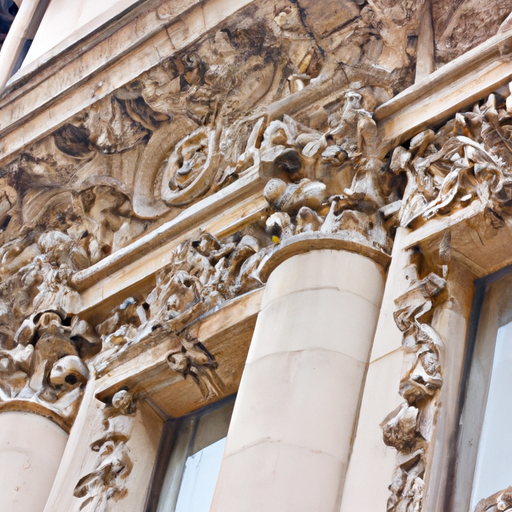
Beaux Arts Style, also known as Academic Art or French Renaissance Revival, was a prominent architectural and decorative arts style from the late 19th century to the early 20th century. It flourished between the years 1885 to 1920 and gained popularity in France and the United States. This style is characterized by its grandeur, classical references, and ornate detailing. Beaux Arts buildings often featured symmetrical facades, elaborate ornamentation, and a combination of different architectural elements like columns, pediments, and domes. The use of noble materials, such as marble, stone, and bronze, added to the luxurious appeal of this style. The Beaux Arts Style became famous through prominent architectural landmarks such as the Paris Opéra, Grand Central Terminal in New York City, and the Fine Arts Palace in San Francisco.

View StyleExplore Style
Example of visual style of Belle Epoque

Belle Epoque

Belle Epoque, or 'Beautiful Era', refers to the period from the late 19th century to the outbreak of World War I in 1914. It was a time of opulence, glamour, and innovation in Europe and the United States. This era saw the rise of modern industrialization, technological advancements, and a flourishing of arts and culture. The Belle Epoque was marked by a commitment to beauty and optimism, with an emphasis on luxurious and ornate designs. The famous landmarks of this period include the Eiffel Tower, the Paris Metro, and the Exposition Universelle. This era is characterized by its grandeur, intricate detailing, and the fusion of different artistic influences.

View StyleExplore Style
Example of visual style of Carrere And Hastings

Carrere And Hastings

Carrere And Hastings was a Beaux-Arts architectural firm founded in 1885 by John Merven Carrere and Thomas Hastings. They gained fame for their opulent and grandiose designs during the late 19th and early 20th centuries. Their architectural style embodied the Beaux-Arts movement, characterized by classical influences, symmetry, ornate detailing, and a sense of grandeur. Carrere And Hastings' designs were particularly prominent during the Gilded Age, with notable projects including the New York Public Library and the Standard Oil Building in New York City.

View StyleExplore Style
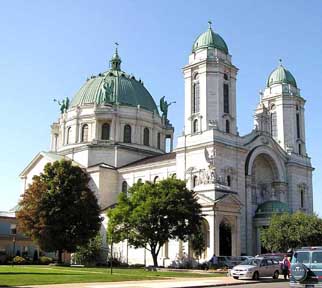
Example of visual style of Cecil B Demille

Cecil B Demille

The Cecil B Demille visual style emerged in the 1920s and gained prominence in the early years of Hollywood. It is known for its grandeur, opulence, and epic scale. With the use of elaborate sets, lavish costumes, and large cast ensembles, Cecil B Demille created visually stunning films that transported viewers to ancient civilizations and biblical stories. This style became famous for its sweeping camera movements, dramatic lighting, and attention to detail, which added a sense of spectacle and grandiosity to the films he directed and produced.

View StyleExplore Style
Example of visual style of Court Nobles

Court Nobles

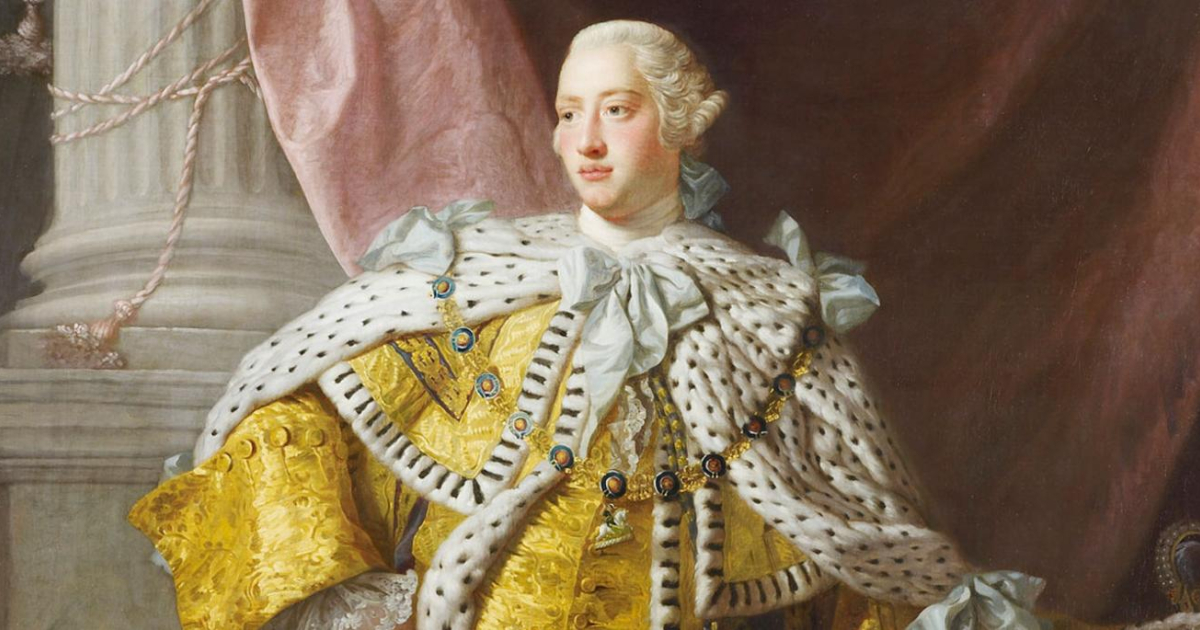
Court Nobles is a visual style that emerged during the Renaissance in Europe, particularly in the 16th and 17th centuries. This style was predominantly associated with the aristocratic class and the royal courts of the time. Court Nobles became famous for its lavish and opulent aesthetics, characterized by ornate details, rich colors, and luxurious materials. It reflected the wealth and prestige of the ruling class, showcasing their power and grandeur through the visual arts and fashion.

View StyleExplore Style
Example of visual style of Daniel Burnham

Daniel Burnham

The Daniel Burnham style is characterized by its grandeur and classical architectural elements. It emerged during the late 19th century and early 20th century in the United States. Daniel Burnham was a prominent architect and urban planner known for his neoclassical designs and monumental buildings. His works, such as the Flatiron Building in New York City and the Union Station in Washington D.C., became iconic symbols of the era. The style is characterized by its Beaux-Arts influence, incorporating symmetrical facades, elaborate ornamentation, and monumental scale. It represents the grand ambitions and progressiveness of the Gilded Age and its architectural feats have left a lasting impact on the American urban landscape.

View StyleExplore Style
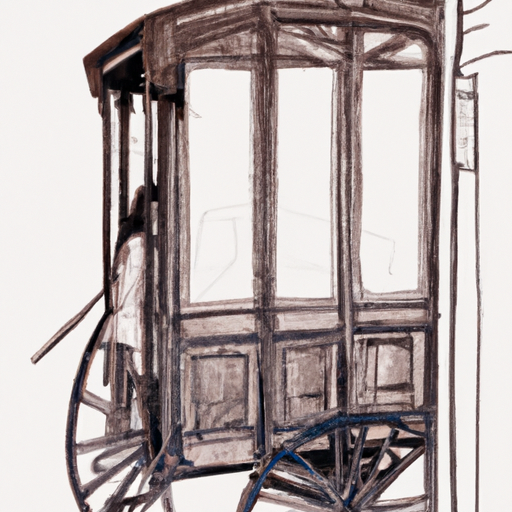
Example of visual style of Elizabeth The Golden Age

Elizabeth The Golden Age

Elizabeth The Golden Age is a visual style that emerged during the reign of Queen Elizabeth I of England, from 1558 to 1603. This style is known for its opulence, grandeur, and extravagance, which mirrored the wealth and power of the Elizabethan era. The style encompasses elaborate costumes, intricate jewelry, rich fabrics, and ornate architectural designs. The visual style gained popularity due to its association with Queen Elizabeth I, who was a patron of the arts and a symbol of national pride and unity. The Elizabethan era was also marked by significant advancements in literature, theater, and exploration, which further influenced the visual aesthetics of the time.

View StyleExplore Style

Example of visual style of Francesco Borromini

Francesco Borromini

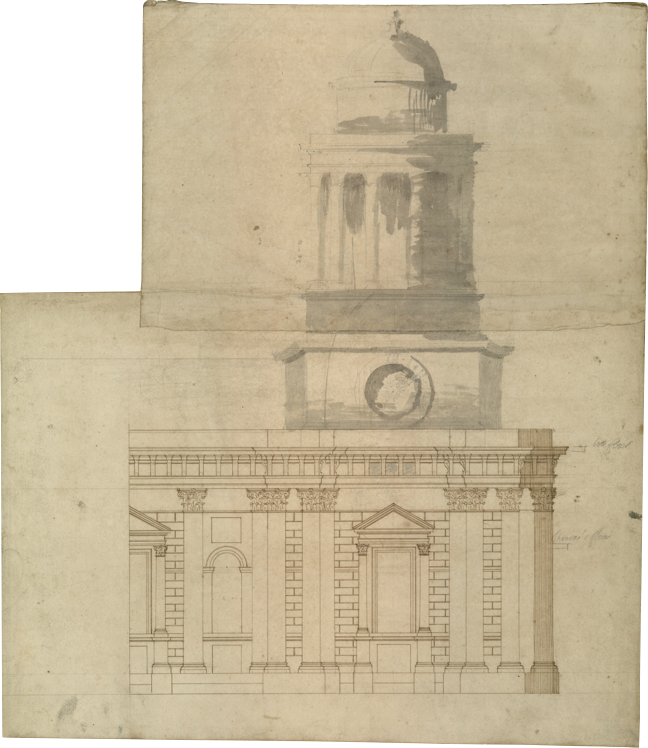
Francesco Borromini was an Italian architect and prominent figure of the Baroque style in the 17th century. His architectural style is characterized by dynamic and elaborate designs, intricate use of curves, undulating walls, and a sense of motion. Borromini's innovative use of concave and convex forms, coupled with his mastery of light and shadow, created a unique and dramatic visual experience. His works were known for their grandeur, theatricality, and attention to detail. Borromini is famous for his contributions to the Church of Sant'Ivo alla Sapienza and the San Carlo alle Quattro Fontane in Rome, which are considered masterpieces of Baroque architecture.

View StyleExplore Style
Example of visual style of Frederic Edwin Church

Frederic Edwin Church

Frederic Edwin Church was an American landscape painter known for his romantic and luminous style. He was active during the mid-19th century and is considered one of the major figures of the Hudson River School, a group of American landscape painters. Church's style was characterized by highly detailed and realistic renderings of nature, with a particular focus on the sublime and grandeur of the American landscape. His paintings often featured dramatic skies, vibrant colors, and a meticulous attention to detail. Church's most famous works include 'The Heart of the Andes' (1859) and 'Twilight in the Wilderness' (1860). He gained fame for his ability to capture the awe-inspiring beauty of nature and his ambitious exploration of various landscapes around the world.

View StyleExplore Style
Example of visual style of French Monarchy

French Monarchy

The French Monarchy style, prevalent from the 16th to the 18th centuries, was characterized by opulence, grandeur, and a sense of power. It reached its peak during the reign of Louis XIV, also known as the Sun King, from 1643 to 1715. This style became famous for its lavish decorations, extravagant fashion, and monumental architecture, exemplified by the Palace of Versailles. It represented the absolute monarchy and aristocratic society of France, reflected in its ornate design and intricate details.

View StyleExplore Style
Example of visual style of French Opera

French Opera

French Opera is a visual style that emerged in France during the 17th and 18th centuries. It became prominent during the reign of Louis XIV and continued to flourish throughout the Enlightenment period. This style is most famous for its opulence, grandeur, and theatricality. It was characterized by extravagant costumes, elaborate stage designs, and intricate set pieces. French Opera combined elements of baroque and rococo aesthetics, combining rich ornamentation, delicate details, and a sense of luxury. The style gained popularity due to the influence of important composers like Jean-Baptiste Lully and Jean-Philippe Rameau. It became a symbol of French culture and artistic expression.

View StyleExplore Style
Example of visual style of High Renaissance

High Renaissance

The High Renaissance style thrived in Italy from the late 15th century to the early 16th century. It is famous for its harmonious compositions, balanced proportions, and naturalistic representations. Artists of this period, such as Leonardo da Vinci, Michelangelo, and Raphael, achieved a perfect synthesis of classical ideals and innovative techniques. The High Renaissance is characterized by its emphasis on grandeur, idealized beauty, and the pursuit of perfection in art.

View StyleExplore Style
Home