StylopediaStylopedia

Graffiti styles on Stylopedia

A visual encyclopedia of graffiti styles – use as prompt inspiration for Midjourney, Gemini, or ChatGPT AI when making graffiti images

Example of visual style of Andre Saraiva

Andre Saraiva

Andre Saraiva is a graffiti artist and nightclub owner. His visual style is characterized by vibrant, bold colors and whimsical, cartoon-like characters. He rose to fame in the early 2000s as a prominent figure in the Parisian nightlife scene, known for his graffiti tags and iconic Mr. A character. Saraiva's style combines street art with a playful, childlike aesthetic, often incorporating elements of pop culture. His work can be found in various cities around the world and has become synonymous with urban art and nightlife.

View StyleExplore Style


Example of visual style of Blek Le Rat

Blek Le Rat

Blek Le Rat is a street art style developed by French artist Xavier Prou, also known as Blek Le Rat. This style emerged in the early 1980s and gained significant recognition in the 1990s. Blek Le Rat is considered the pioneer of stencil graffiti, using stencils to create distinct and easily recognizable images. His work often features black and white figures, typically depicting ordinary people, political activists, or famous personalities. Blek Le Rat's unique approach to street art and his contribution to the urban art movement have made this style famous both in France and internationally.

View StyleExplore Style
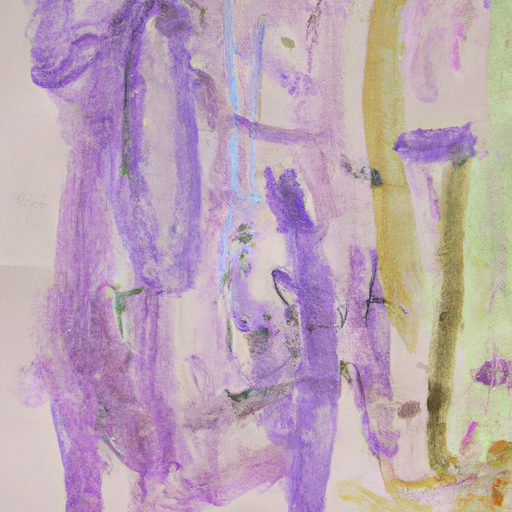
Example of visual style of Cy Twombly

Cy Twombly

Cy Twombly is a visual style characterized by abstract and gestural paintings. Born in 1928, Twombly emerged as a prominent artist in the 1950s and gained recognition for his expressive and calligraphic works. Twombly's style is known for its dynamic brushwork, scribbles, and drips, often combining elements of drawing and painting. His works are emotionally charged and full of lyricism, evoking a sense of spontaneity and raw creativity. Twombly's art became famous for its unique blend of graffiti-like mark-making and references to classical mythology. Throughout his career, he explored themes of love, sexuality, and the fragility of human existence. His style has influenced subsequent generations of artists.

View StyleExplore Style
Example of visual style of Eduardo Kobra

Eduardo Kobra

Eduardo Kobra is known for his vibrant and colorful graffiti murals that blend realism with abstract patterns. His style emerged in the early 2010s and gained widespread recognition for its use of bold colors, intricate designs, and larger-than-life portraits. Kobra became famous for his monumental murals which often depict historical figures, cultural icons, and global issues. He is particularly acclaimed for his ability to capture the essence and emotion of his subjects, creating visually stunning and thought-provoking artworks. Kobra's unique style has brought a fresh and contemporary approach to street art, transforming urban landscapes with his iconic and visually striking murals.

View StyleExplore Style
Example of visual style of Fab 5 Freddy

Fab 5 Freddy

Fab 5 Freddy is a visual style that emerged in the 1980s, particularly in the hip-hop and graffiti scenes. It became famous through the influential work of Fab 5 Freddy, a prominent figure in the New York City underground art and music scene. Combining elements of graffiti, street art, and hip-hop culture, this style is characterized by vibrant colors, bold lettering, intricate patterns, and a blend of urban aesthetics. Fab 5 Freddy's contribution to popularizing this style can be seen in his collaborations with iconic artists like Jean-Michel Basquiat and his role as the host of the pioneering hip-hop music show 'Yo! MTV Raps'.

View StyleExplore Style
Example of visual style of Futura 2000

Futura 2000

Futura 2000 is a distinctive visual style that emerged in the 1980s and gained popularity in the graffiti and street art scene. It is characterized by futuristic and abstract designs influenced by technology, space, and science fiction. Known for its bold and vibrant colors, sharp angles, and geometric shapes, Futura 2000 became famous for its combination of graffiti lettering and abstract forms. This style broke traditional graffiti conventions and pushed the boundaries of what was considered street art, making it a significant movement in the art world and urban culture.

View StyleExplore Style
Example of visual style of Hideki Naganuma

Hideki Naganuma

Hideki Naganuma is a Japanese graphic designer and music composer known for his unique and vibrant visual style that emerged in the late 1990s and became famous during the early 2000s. Naganuma's style is characterized by its bold and colorful designs, influenced by urban and graffiti art, as well as video game and pop culture references. His work often features a fusion of retro and futuristic elements, with a strong emphasis on energetic and dynamic compositions. Naganuma gained prominence for his collaborations with Sega, where he contributed his distinctive visual style to video games like Jet Set Radio and the Sonic Rush series.

View StyleExplore Style
Example of visual style of Jean Dubuffet

Jean Dubuffet

Jean Dubuffet was a French artist known for his unique visual style characterized by raw and primitive aesthetics. Dubuffet's style emerged in the 1940s and became famous for its use of bold, thick lines, vibrant colors, and textured surfaces. His works often depicted abstract and naive representations of human figures and objects, inspired by graffiti, children's drawings, and outsider art. Dubuffet's style challenged traditional artistic conventions and aimed to capture the raw, unrefined essence of art. He believed in the importance of authenticity, spontaneity, and the art created by non-professional artists and marginalized individuals, which further distinguished his style.

View StyleExplore Style
Example of visual style of Jean Michel Basquiat

Jean Michel Basquiat

Jean Michel Basquiat was an American artist active in the 1980s. His visual style, often referred to as Neo-expressionism, is characterized by bold, expressive brushwork, vibrant colors, and a fusion of graffiti and street art with fine art. Basquiat's work gained recognition for its raw energy, social commentary, and exploration of themes like racism, identity, and capitalism. His use of symbols, text, and abstract forms created a chaotic yet visually stimulating aesthetic that transcended traditional artistic boundaries and captured the spirit of the urban cultural landscape. Basquiat's untimely death in 1988 further cemented his fame and added a sense of tragic allure to his artistic legacy.

View StyleExplore Style
Example of visual style of Lowbrow Art

Lowbrow Art

Lowbrow Art, also known as Pop Surrealism, emerged in the 1970s and gained popularity in the 1990s. It is characterized by its unconventional subject matters, often drawing inspiration from comic books, graffiti, underground music, and alternative subcultures. Lowbrow Art challenges mainstream art conventions and embraces a playful and irreverent aesthetic. This style became famous for its fusion of pop culture elements with fine art techniques, resulting in visually captivating and thought-provoking artworks that appeal to a wide audience.

View StyleExplore Style
Example of visual style of Street Art

Street Art

Street Art is a visual style that emerged in the 1960s and gained popularity in the 1980s. It is characterized by its unconventional and public nature, with artworks being created in urban environments such as streets, walls, and buildings. Street Art became famous for its ability to bring art to the masses and challenge traditional art institutions. It often incorporates graffiti, stenciling, wheatpasting, and other forms of artistic expression. This style is known for its political and social commentary, as well as its vibrant colors and bold imagery.

View StyleExplore Style
Home