StylopediaStylopedia

Geometric shapes styles on Stylopedia

A visual encyclopedia of geometric shapes styles – use as prompt inspiration for Midjourney, Gemini, or ChatGPT AI when making geometric shapes images

Example of visual style of Adolphe Mouron Cassandre

Adolphe Mouron Cassandre

Adolphe Mouron Cassandre was a French artist and designer best known for his iconic Art Deco poster designs in the 1920s and 1930s. His work is characterized by bold geometric shapes, simplified forms, and strong visual impact. Cassandre's designs often combined typography and graphic elements to create striking compositions. His innovative use of perspective, shadowing, and negative space made his posters instantly recognizable and influential. Cassandre's style reached its peak of popularity in the 1930s and his work continues to be celebrated as an important contribution to graphic design.

View StyleExplore Style

Example of visual style of Alan Fletcher

Alan Fletcher

The visual style of Alan Fletcher is characterized by its simplicity and playfulness. It emerged in the late 1950s and became prominent in the 1960s and 1970s. Fletcher's style is famous for its use of minimalistic elements, bold typography, and clever visual metaphors. His work often combines bright colors, geometric shapes, and witty illustrations to convey complex ideas in a simplified manner. Fletcher's innovative approach to graphic design revolutionized the industry and made him one of the most influential designers of the 20th century.

View StyleExplore Style
Example of visual style of Alexander Rodchenko

Alexander Rodchenko

Alexander Rodchenko was a Russian artist and designer who was a pioneer of Constructivism and Productivism. He was active in the early 20th century and his bold and innovative style made him one of the most influential figures in Russian avant-garde art. Rodchenko's work was characterized by geometric shapes, sharp angles, and dynamic compositions. He is best known for his experiments with photography, photomontage, and graphic design, which pushed the boundaries of traditional art forms and challenged the viewer's perception.

View StyleExplore Style
Example of visual style of Alhambra

Alhambra

Alhambra is a visual style that originated in the 14th century during the Nasrid dynasty in Al-Andalus, Spain. It is famous for its intricate geometric patterns, arabesques, and decorative motifs. The Alhambra fortress in Granada, built in the 14th century, served as a major inspiration for this style. The intricate stucco work, the use of colorful tiles, and the repetition of geometric shapes are characteristic features that define the Alhambra style and make it famous even today.

View StyleExplore Style
Example of visual style of Am Cassandre

Am Cassandre

Am Cassandre is a visual style created by Adolphe Jean-Marie Mouron, who is better known by his pseudonym, Cassandre. This style emerged in the early 20th century and gained prominence in the 1920s and 1930s. Cassandre was renowned for his innovative and avant-garde approach to graphic design, particularly in the realm of poster art. He revolutionized the field by incorporating elements of Cubism, Futurism, and Surrealism into his work. His bold use of colors, sharp geometric shapes, and dynamic compositions made his posters instantly recognizable and highly influential. Cassandre's iconic designs for companies like Dubonnet, Nord Express, and Normandie solidified his status as one of the most important graphic designers of his time.

View StyleExplore Style
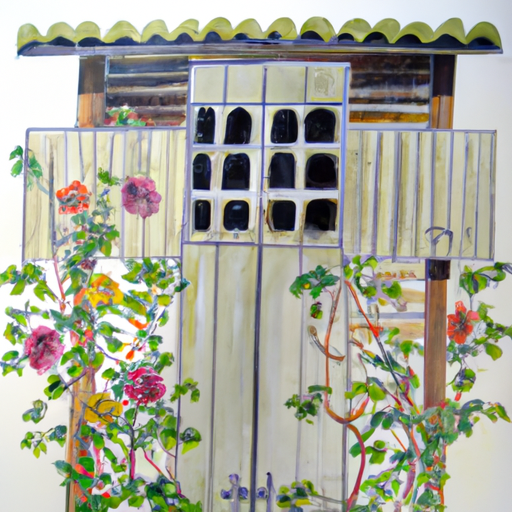
Example of visual style of Arabesque

Arabesque

Arabesque is a highly decorative and intricate visual style that emerged during the Islamic Golden Age in the 8th century and reached its peak in popularity during the Renaissance. It is characterized by the extensive use of flowing and interlacing patterns inspired by nature, such as plants, flowers, and geometric shapes. Arabesque became famous for its symmetrical designs, precise craftsmanship, and intricate details that were often seen in architecture, textiles, ceramics, and manuscripts.

View StyleExplore Style
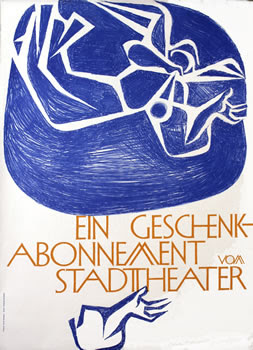
Example of visual style of Arabesque Design

Arabesque Design

Arabesque Design is a style characterized by intricate and ornate patterns influenced by Islamic art. It emerged during the Islamic Golden Age from the 8th to the 15th centuries. Arabesque patterns are famous for their elaborate intertwining vines, leaves, and floral motifs, often combined with geometric shapes. These designs became increasingly popular in architecture, textiles, pottery, and book illumination. Arabesque Design is known for its symmetrical and repetitive patterns, emphasizing the interplay of light and shadow on surfaces. It is considered one of the most important and enduring visual styles of Islamic art and has influenced numerous other artistic movements throughout history.

View StyleExplore Style
Example of visual style of Arena

Arena

Arena is a visual style that emerged in the late 1970s and gained popularity in the 1980s. It is characterized by vibrant and dynamic designs featuring bold colors, geometric shapes, and futuristic elements. The style became famous for its association with the arena rock music genre, which featured extravagant concerts and larger-than-life performances. The use of advanced technology in stage production, such as advanced lighting systems and massive video screens, contributed to the visual spectacle associated with the Arena style.

View StyleExplore Style
Example of visual style of Art Deco

Art Deco

Art Deco is a visual style that emerged in the 1920s and 1930s, reaching its peak popularity in the 1920s. It is characterized by geometric shapes, clean lines, and bold colors. Art Deco became famous for its elegant and luxurious aesthetics, inspired by modern technology and the industrialization of the time. It combined traditional craftsmanship with the use of modern materials, such as chrome, glass, and lacquer. The style was often associated with wealth, glamour, and luxury, and it was seen in architecture, interior design, fashion, and visual arts.

View StyleExplore Style

Example of visual style of Arthur C Clarke

Arthur C Clarke

The Arthur C Clarke visual style is a futuristic and technology-focused style that emerged in the mid-20th century. It gained fame through the works of Arthur C. Clarke, a renowned science fiction writer and futurist. This style is characterized by its sleek and minimalistic designs, often featuring clean lines, geometric shapes, and a sense of space and depth. It combines elements of science, technology, and imagination to portray advanced future worlds. The Arthur C Clarke visual style became famous through Clarke's influential novels, such as '2001: A Space Odyssey', which showcased a visually striking representation of futuristic technology and space exploration.

View StyleExplore Style
Example of visual style of Bauhaus Design

Bauhaus Design

Bauhaus Design, which emerged in Germany in the early 20th century, is often associated with the years 1919-1933 when the Bauhaus school existed. It became famous for its innovative approach to art, architecture, and design. Bauhaus aimed to blend craftsmanship and mass production, combining functionality with aesthetic simplicity. It emphasized geometric shapes, clean lines, and a lack of unnecessary ornamentation. Bauhaus Design also influenced typography, interior design, and furniture. Its focus on merging art with technology and its strong impact on modernism made it internationally renowned.

View StyleExplore Style
Example of visual style of Cassandre

Cassandre

Cassandre is a visual style named after the French graphic designer and painter A.M. Cassandre. This style emerged in the 1920s and became famous during the Art Deco era. Known for its bold geometric shapes and elegant typography, Cassandre's style revolutionized the world of advertising and graphic design. His iconic posters for companies like Dubonnet, Normandie, and the PLM railway perfectly captured the spirit of the time. The use of vibrant colors, simplified forms, and strong composition made Cassandre's designs visually striking. This style gained popularity for its innovative approach to advertising and its ability to communicate messages effectively.

View StyleExplore Style
Example of visual style of Cosmopolitan

Cosmopolitan

Cosmopolitan is a visual style that emerged in the 1920s and became popular in the following decades. It is characterized by its glamorous and luxurious aesthetic, influenced by the Art Deco movement. The style is known for its bold, vibrant colors, sleek lines, and geometric shapes. It combines elements of modernism with a sense of extravagance and opulence. This visual style rose to fame during the Roaring Twenties, when Cosmopolitan magazine became an iconic publication that epitomized the glamorous lifestyle and aspirations of the modern woman. The era also saw the rise of Hollywood and the silver screen, which further popularized the Cosmopolitan style with its lavish sets and glamorous costumes.

View StyleExplore Style
Example of visual style of Craniodsgn

Craniodsgn

Craniodsgn is a highly abstract and futuristic visual style that emerged in the early 2000s. This style gained popularity for its avant-garde and unique designs, blending elements of geometric shapes, vibrant colors, and digital effects. The use of intricate patterns and fragmented compositions characterizes Craniodsgn. It is influenced by various art movements such as Op Art and Cubism. Craniodsgn became famous due to its association with digital art and its representation of the rapidly advancing technological era.

View StyleExplore Style
Example of visual style of De Stijl Movement

De Stijl Movement

De Stijl Movement, also known as Neoplasticism, emerged in the early 20th century in the Netherlands. It was founded in 1917 by Theo van Doesburg, Piet Mondrian, and Bart van der Leck. This style aimed to achieve a universal visual language by reducing art to its most basic elements of geometric shapes and primary colors. The movement believed in a harmonious integration of art and life, with a focus on simplicity, precision, and abstraction. De Stijl became famous for its use of vertical and horizontal lines, primary colors, and a limited palette of black, white, and gray. The movement had a profound influence on architecture, design, and visual arts, paving the way for modernism.

View StyleExplore Style
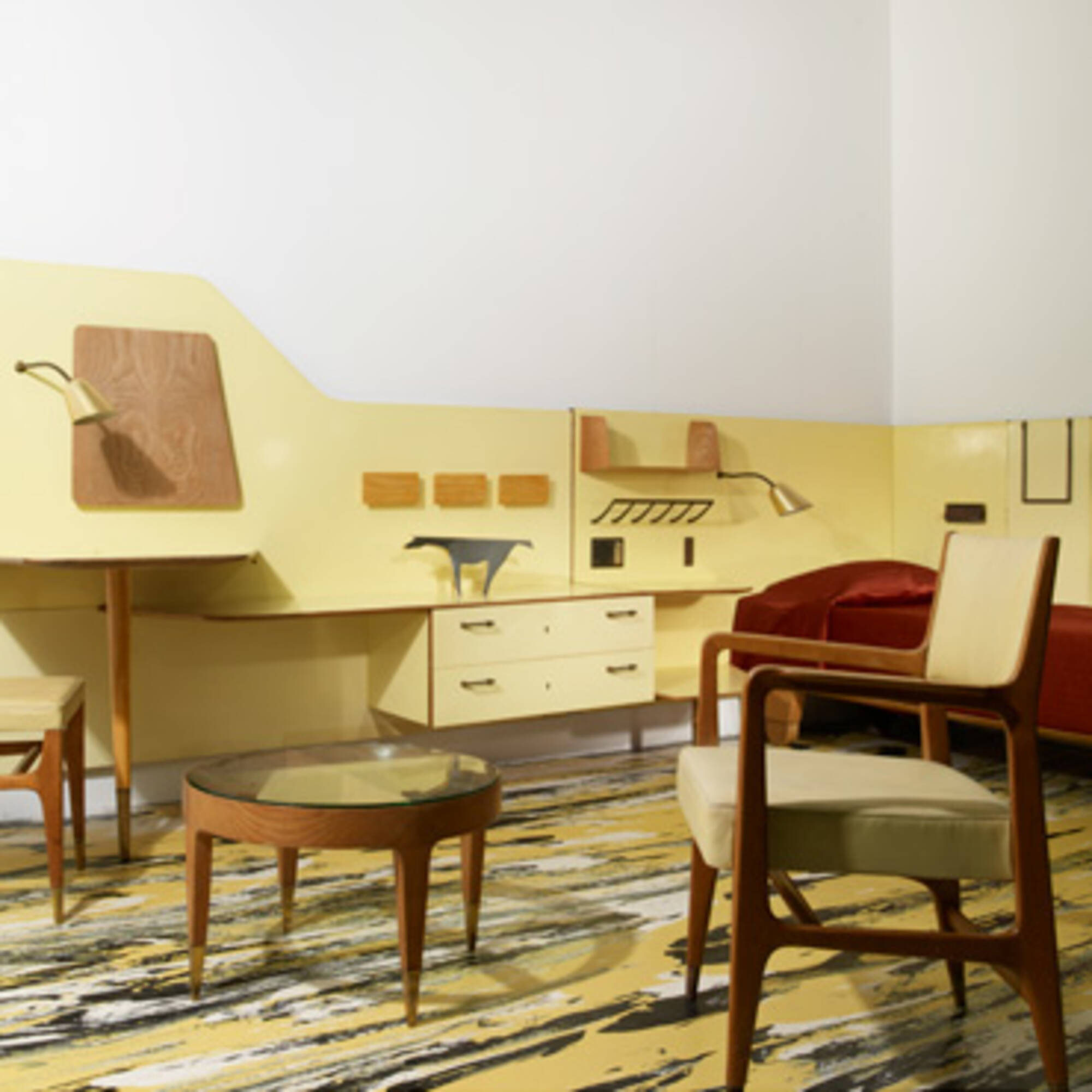
Example of visual style of Designers

Designers

Designers is a visual style that emerged in the early 1920s and became prominent in the post-World War II era. It is characterized by its sleek and minimalist design, focusing on functionality and form. Designers prioritized simplicity, geometric shapes, and clean lines, reflecting the influence of modernist principles. This style gained fame through renowned designers such as Dieter Rams, Charles Eames, and Ettore Sottsass, who elevated the concept of design as a holistic approach encompassing various disciplines. Designers revolutionized industries such as furniture, product design, and graphic design, shaping the aesthetics of modernism and establishing it as a timeless design language.

View StyleExplore Style
Example of visual style of Ettore Sottsass

Ettore Sottsass

Ettore Sottsass was an Italian architect and designer who became famous for his unique and avant-garde design style. His career spanned from the 1950s to the 2000s, but he made a significant impact during the 1980s with the creation of the Memphis Group. Sottsass is known for his bold use of bright colors, geometric shapes, and unconventional materials. His designs often combine functionality with artistic expression, challenging traditional design norms and embracing a postmodern aesthetic.

View StyleExplore Style

Example of visual style of Factory Records

Factory Records

Factory Records was a visual style popularized in the late 1970s and throughout the 1980s. It played a significant role in the post-punk and new wave music scene. Known for its minimalistic and avant-garde approach, Factory Records embraced the use of bold colors, geometric shapes, and innovative typography. Its famous album covers and promotional materials were often created by notable graphic designers such as Peter Saville and Ben Kelly, becoming iconic symbols of the era.

View StyleExplore Style
Example of visual style of Faith Ringgold

Faith Ringgold

Faith Ringgold is known for her visually stunning and socially conscious works, blending quilting, painting, and storytelling. Her style emerged in the 1960s during the height of the Civil Rights Movement and the Feminist Movement. Ringgold's famous use of vibrant colors, intricate patterns, and geometric shapes created a visual impact that captivated audiences. Her focus on themes such as race, power, and gender inequality made her a prominent figure in the feminist art movement. Ringgold's art became famous not only for its aesthetic beauty but also for the powerful messages it conveyed, inspiring dialogue and challenging societal norms.

View StyleExplore Style
Example of visual style of Fernand Leger

Fernand Leger

Fernand Leger was a French painter and filmmaker who is known for his modernist style. He was active from the early 1900s to the mid-1950s. Leger is famous for creating artworks that emphasized machine aesthetics and depicted modern urban life. His paintings often feature bold colors, geometric shapes, and simplified forms. Leger's style is characterized by a combination of Cubism and Futurism, with a focus on industrial subjects and a sense of dynamism and movement.

View StyleExplore Style
Home