
StylopediaStylopedia

Geometric styles on Stylopedia

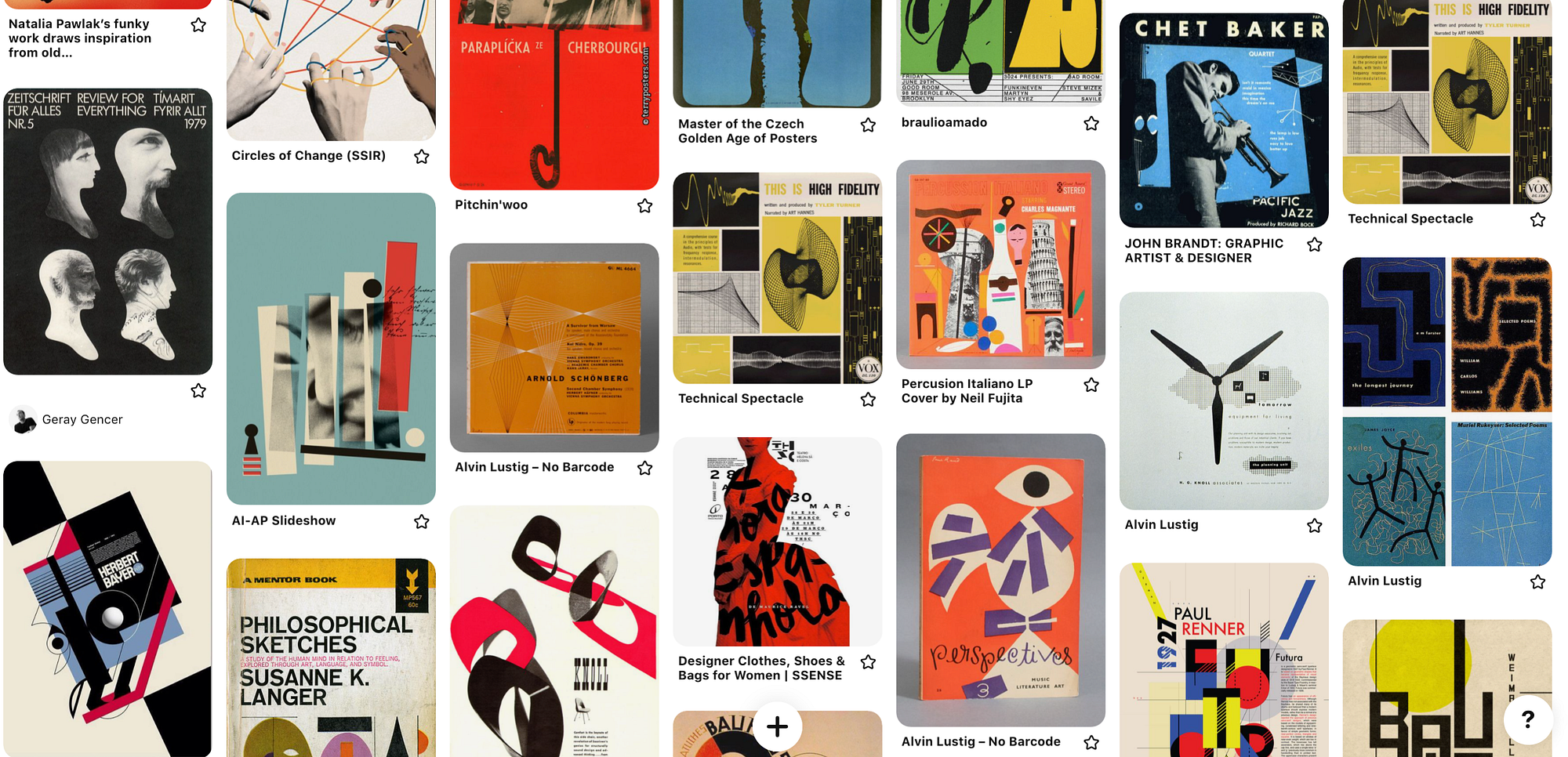
A visual encyclopedia of geometric styles – use as prompt inspiration for Midjourney, Gemini, or ChatGPT AI when making geometric images

Example of visual style of Ad Reinhardt

Ad Reinhardt

Ad Reinhardt was an American abstract painter known for his minimalist black paintings. He became famous in the 1950s with his signature style characterized by geometric shapes and solid black fields. Reinhardt's work challenged the notion of painting as representation and emphasized the purity of form and color. His influential writings and teachings also made him a prominent figure in the art world. The style of Ad Reinhardt continues to be celebrated for its exploration of the limits of abstraction.

View StyleExplore Style
Example of visual style of Adventure Time

Adventure Time

Adventure Time is a visually distinct animated television series that aired from 2010 to 2018. It is famous for its unique, vibrant and surreal visuals, which combine bright and bold colors, geometric shapes, and abstract designs. The style incorporates a mix of 2D and 3D animation techniques to create a visually stunning and immersive world. Adventure Time gained fame for its quirky and imaginative characters, whimsical settings, and its ability to appeal to both children and adults, thus becoming a cult hit.

View StyleExplore Style
Example of visual style of Barbara Chase Riboud

Barbara Chase Riboud

Barbara Chase Riboud is a visual style that emerged in the late 1960s and gained prominence in the 1970s. It is characterized by bold and dramatic sculptures and mixed-media artworks. Riboud's style became famous for integrating African and African American cultural motifs with geometric forms and organic materials, exploring themes of history, race, and feminism. Her use of materials like bronze, textiles, and wood, along with her attention to intricate details, creates a sense of tactile and visual richness.

View StyleExplore Style
Example of visual style of Bauhaus Movement

Bauhaus Movement

The Bauhaus Movement was a revolutionary art and design movement that emerged in Germany during the early 20th century. Founded in 1919 by architect Walter Gropius, the Bauhaus aimed to unite fine arts, craftsmanship, and industrial design. It became famous for its interdisciplinary approach, combining elements of modernism, functionalism, and the fine arts. The movement stressed the importance of simplicity, functionality, and the use of geometric forms. The Bauhaus had a significant impact on architecture, graphic design, typography, furniture design, and the overall visual culture. It was active until 1933 when it was shut down by the Nazis for its perceived radicalism.

View StyleExplore Style
Example of visual style of Central Asian Art

Central Asian Art

Central Asian Art refers to the visual style that emerged in the Central Asian region, encompassing countries such as Kazakhstan, Kyrgyzstan, Tajikistan, Turkmenistan, and Uzbekistan. This style developed over centuries and reached its peak during the Islamic Golden Age (8th to 14th centuries) and the Timurid Empire (14th to 15th centuries). Central Asian Art is famous for its intricate geometric patterns, vibrant colors, and richly ornamented composition. It is heavily influenced by the Islamic artistic traditions, combining elements of Persian, Arab, and Turkic cultures. This art style is known for its use of calligraphy, ceramics, metalwork, textiles, and architecture.

View StyleExplore Style

Example of visual style of Charles Sheeler

Charles Sheeler

Charles Sheeler was an American painter and photographer known for his precisionist style. His works, primarily created between 1910 and 1950, showcased a sharp and precise depiction of industrial and urban subjects. Sheeler's unique visual style, characterized by clean lines, geometric forms, and a focus on mechanical subjects, made him famous in the art world. His photographs of the Ford Motor Company's River Rouge plant established him as a pioneer of industrial photography. Sheeler's precisionist paintings and photographs captured the essence of modernization and the changing American landscape.

View StyleExplore Style
Example of visual style of Corporate Branding

Corporate Branding

Corporate Branding is a visual style that emerged in the mid-20th century and gained popularity in the corporate world. It became famous for its emphasis on professionalism and consistency in representing companies and organizations. With the rise of globalization and mass communication, corporate branding played a vital role in shaping the public image of businesses. This style is characterized by clean and minimalist designs, often featuring simple and geometric logos, sleek typography, and a limited color palette. It aims to establish a strong and recognizable visual identity that reflects the values and personality of the company.

View StyleExplore Style
Home