StylopediaStylopedia

Genre scenes styles on Stylopedia

A visual encyclopedia of genre scenes styles – use as prompt inspiration for Midjourney, Gemini, or ChatGPT AI when making genre scenes images

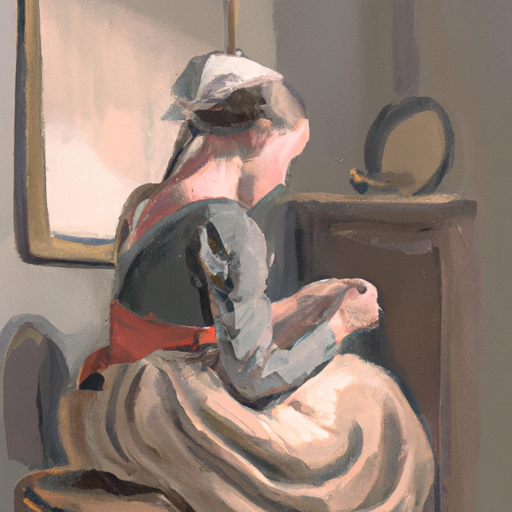
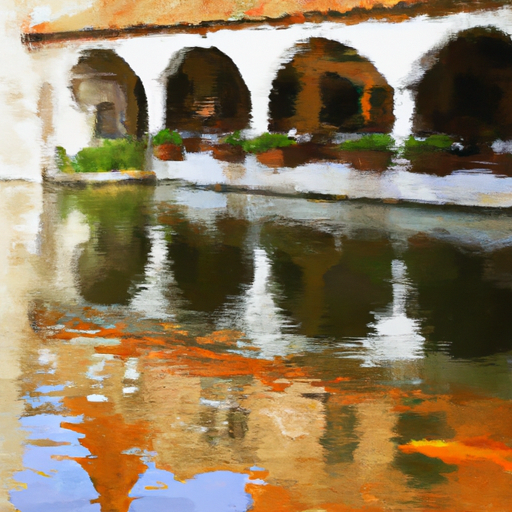
Example of visual style of Chardin

Chardin

Chardin is a style of painting that emerged in France in the 18th century. It is named after the artist Jean-Baptiste-Siméon Chardin, who is considered one of the greatest exponents of this style. Chardin's paintings are known for their remarkable attention to detail and their ability to capture the beauty of everyday objects and scenes. His works often depict still lifes, genre scenes, and domestic interiors. Chardin achieved fame and recognition for his distinctive use of light, subtle color palette, and masterful technique. His paintings became revered for their emotional depth and realistic portrayal of the material world.

View StyleExplore Style
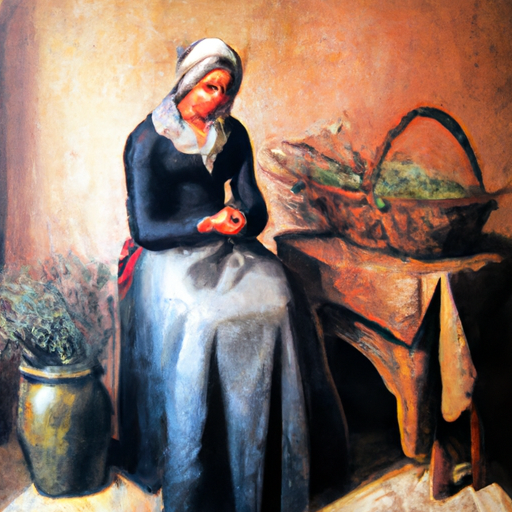
Example of visual style of Dutch Golden Age Painting

Dutch Golden Age Painting

Dutch Golden Age Painting flourished during the 17th century in the Dutch Republic, particularly in cities such as Amsterdam, Haarlem, and Delft. This period is renowned for its realism, detailed observation of everyday life, and mastery of light and shadows. Dutch Golden Age painters were often associated with guilds and produced a wide range of subjects, including portraits, landscapes, still lifes, genre scenes, and historical and biblical themes. The style became famous for its meticulous attention to detail, atmospheric perspective, and use of vibrant colors.

View StyleExplore Style
Example of visual style of Jean Baptiste Simeon Chardin

Jean Baptiste Simeon Chardin

Jean Baptiste Simeon Chardin was a French painter known for his domestic still lifes and genre scenes. Active during the 18th century, Chardin's style was characterized by his remarkable attention to detail and the naturalism in his depiction of everyday objects. He gained renown for his ability to capture the luminosity and texture of different materials, particularly in his still life paintings of fruit, kitchen utensils, and household items. Chardin's works became famous for their subtle color palette, delicate brushwork, and the sense of quiet contemplation they evoked. His exceptional craftsmanship and ability to elevate seemingly ordinary subjects made him one of the most celebrated still life painters of his time.

View StyleExplore Style
Example of visual style of Johannes Vermeer

Johannes Vermeer

Johannes Vermeer was a Dutch painter known for his realistic and intimate genre scenes. Active during the Dutch Golden Age in the 17th century, Vermeer's style is characterized by his use of light, color, and perspective to create meticulously detailed and atmospheric compositions. His works often feature domestic interiors, portraits, and landscapes, capturing everyday moments with remarkable precision and a sense of quiet beauty. Vermeer's realistic technique and ability to capture the play of light and shadow in his paintings have made him one of the most celebrated artists of his time.

View StyleExplore Style
Example of visual style of Netherlandish Painting

Netherlandish Painting

Netherlandish Painting, also known as Dutch painting, refers to the painting style that emerged in the Netherlands during the 15th and 16th centuries. This style became famous for its attention to detail, realistic portrayal of subjects, and its use of light and shadow. Netherlandish painters were renowned for their meticulous technique and the intricate rendering of textures and landscapes. The works from this period often featured religious themes, as well as genre scenes, still lifes, and portraiture.

View StyleExplore Style
Home