
Aegean Art
Aegean Art is a style of art that flourished in the Aegean region during the Bronze Age. Known for its intricate frescoes, pottery, and sculptures, this art form was popular from around 3000 BCE to 1100 BCE.
View StyleExplore Style Stylopedia
A visual encyclopedia of frescoes styles – use as prompt inspiration for Midjourney, Gemini, or ChatGPT AI when making frescoes images
Aegean Art is a style of art that flourished in the Aegean region during the Bronze Age. Known for its intricate frescoes, pottery, and sculptures, this art form was popular from around 3000 BCE to 1100 BCE.
View StyleExplore Style
The visual style of Ancient Crete, primarily seen in the Minoan civilization from around 2600-1100 BC, is characterized by vivid colors, intricate designs, and depictions of nature and animals. This style is famous for its elaborate palaces, frescoes, and pottery.
View StyleExplore Style
Ancient Roman Art refers to the artistic style developed in ancient Rome between the 4th century BC and the 4th century AD. It was heavily influenced by the art of ancient Greece and Etruria. Some of the most famous works include the iconic sculptures like the Roman copies of Greek statues, such as the 'Dying Gaul' and 'Laocoön and His Sons'. It is also famous for its intricate mosaics, frescoes, and architecture, such as the Colosseum and the Pantheon.
View StyleExplore Style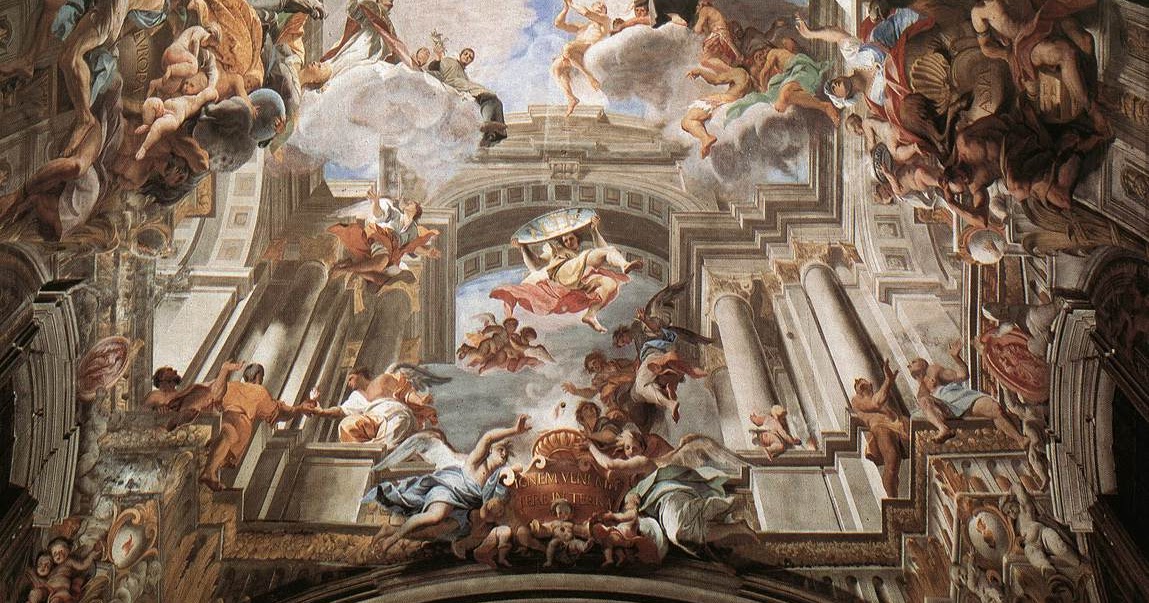
Andrea Pozzo was an Italian Jesuit Brother, Baroque architect, and painter who is best known for his illusionistic ceiling paintings. Active in the late 17th and early 18th centuries, Pozzo's elaborate frescoes created the illusion of architectural elements blending with the actual structure of the building.
View StyleExplore Style
Byzantine Art was a style of art developed in the Byzantine Empire (4th-15th century). It is known for its religious themes, intricate details, and use of gold and vibrant colors. This style gained fame for its iconic mosaics, frescoes, and religious paintings.
View StyleExplore Style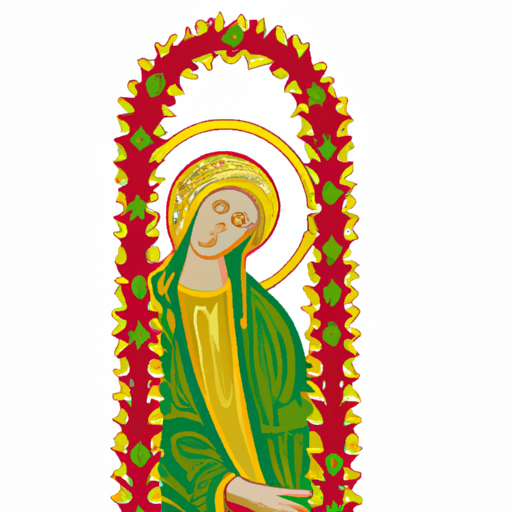
Early Christian Art refers to the art created by Christians during the late Roman Empire, from the 3rd to the 6th century. It was mainly characterized by the incorporation of Christian themes and symbols into classical Greco-Roman art forms. This art style became famous for its depiction of biblical scenes, martyrs, and saints, often in a narrative and symbolic manner. The use of frescoes, mosaics, and relief sculptures in churches and catacombs also contributed to its prominence.
View StyleExplore Style
Florence Cathedral is an iconic example of Italian Gothic architecture. Built between 1296 and 1436, it is most famous for its innovative dome designed by Filippo Brunelleschi. The exterior features elaborate marble facades and intricate sculptures, while the interior showcases stunning frescoes by artists like Giotto and Paolo Uccello. Its unique blend of Gothic and Renaissance elements made it a symbol of the city's artistic and architectural prowess.
View StyleExplore Style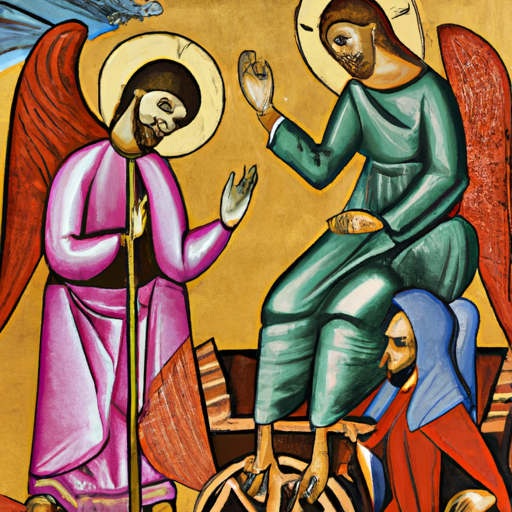
Giotto Di Bondone was an Italian painter during the late Middle Ages. He is considered one of the pioneers of the Renaissance art movement. Giotto's style marked a significant departure from the flatness and stylization of Byzantine art that dominated the period. He introduced a more naturalistic approach and three-dimensional space in his paintings, which had a profound influence on subsequent artists. Giotto's frescoes in the Scrovegni Chapel in Padua, completed around 1305, brought him great recognition and are renowned for their emotional depth and realism.
View StyleExplore Style
The visual style of Knossos Palace is characterized by intricate frescoes depicting nature scenes and elaborate geometric patterns. It is famously known for its use of vibrant colors and detailed depictions of life in ancient Crete, particularly during the Minoan civilization.
View StyleExplore Style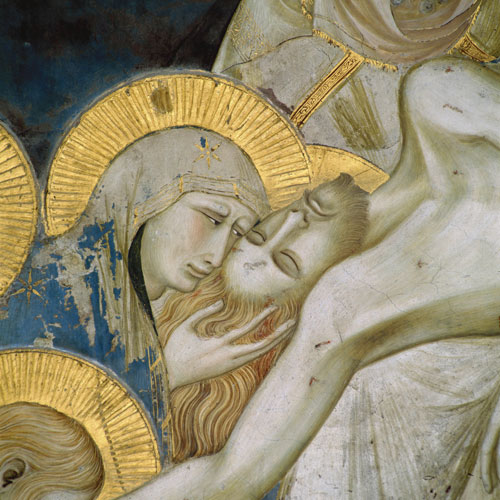
Lorenzetti Brothers was a duo of Italian painters, active in the late 13th and early 14th centuries, known for their pioneering use of perspective and naturalistic representation in frescoes.
View StyleExplore Style
Medieval art refers to the artistic styles and techniques that were prevalent between the 5th and 15th centuries. It is characterized by its religious subject matter and its emphasis on flatness and stylized forms. Famous for its illuminated manuscripts, frescoes, and stained glass windows, medieval art played a significant role in the visual culture of the Middle Ages.
View StyleExplore Style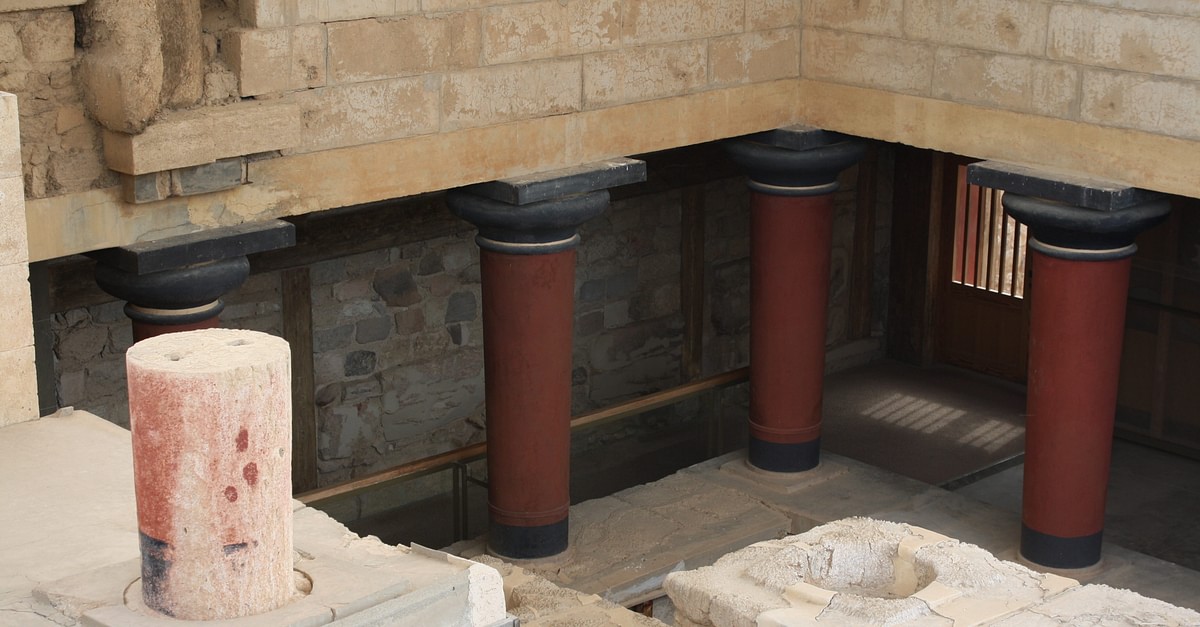
Minoan architecture refers to the buildings and palaces constructed by the Minoans on the island of Crete during the Bronze Age (around 3000–1100 BCE). It is known for its distinctive use of columns, light wells, and colorful frescoes.
View StyleExplore Style
The visual style of the Minoan Civilization, from around 3000 to 1100 BC on the island of Crete, is known for its intricate frescoes, vibrant colors, and natural motifs like marine life and flowers.
View StyleExplore Style
The Mycenaean Civilization, spanning from around 1600 BC to 1100 BC, is characterized by its grand architecture, intricate frescoes, and skilled craftsmanship in materials like gold and bronze.
View StyleExplore Style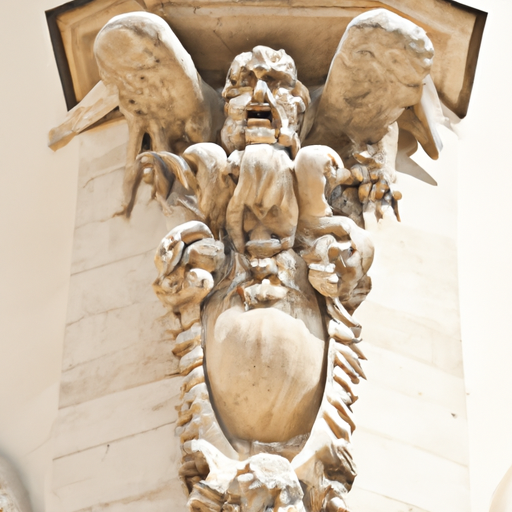
Palazzo Farnese is a Renaissance architectural style known for its grandeur and elegance. Built between 1514 and 1589, the palazzo is located in Rome, Italy. Designed primarily by Renaissance architects Antonio da Sangallo the Younger and Michelangelo, this style became famous for its harmonious proportions, monumental facade, and intricate details. The palazzo's massive dimensions and opulent interior decorations, such as frescoes by renowned artists like Annibale Carracci, further contributed to its fame.
View StyleExplore Style
Phintias is a visual style that emerged in ancient Greece around the 5th century BCE. It is characterized by intricate patterns, geometric shapes, and bold colors. This style became famous for its use in pottery, mosaics, and frescoes.
View StyleExplore Style
Polygnotos was a prominent Greek painter during the 5th century BC known for his frescoes that depicted detailed and lifelike figures in mythological scenes. His work was characterized by rich colors, intricate detailing, and a focus on storytelling.
View StyleExplore Style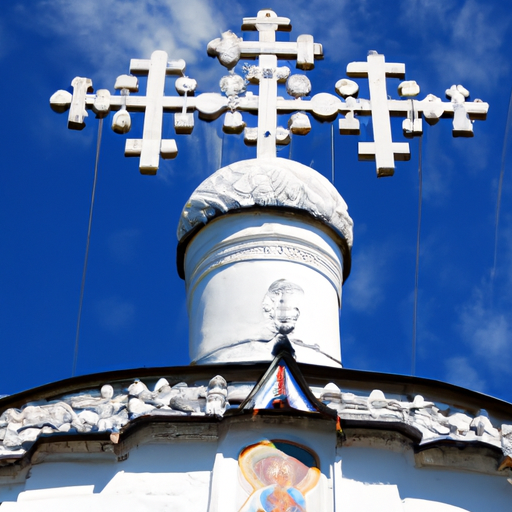
Russian Orthodox Architecture is characterized by onion-shaped domes, intricate frescoes, and colorful ornamentation. It became famous during the medieval period, with notable examples like St. Basil's Cathedral in Moscow.
View StyleExplore Style
Russian Orthodox Church architecture is characterized by colorful onion domes, intricate frescoes, and iconic icons. This style became famous in the 16th century with the construction of St. Basil's Cathedral in Moscow.
View StyleExplore Style
Russian Orthodox Church Art is a style of religious art developed in Russia during the medieval times. It is characterized by intricate icon paintings, colorful frescoes, and decorative architectural elements in churches and cathedrals. This style became famous for its use of vibrant colors, gold leaf accents, and symbolic imagery that played a central role in conveying spiritual messages to worshippers.
View StyleExplore Style