StylopediaStylopedia

Flowers styles on Stylopedia

A visual encyclopedia of flowers styles – use as prompt inspiration for Midjourney, Gemini, or ChatGPT AI when making flowers images

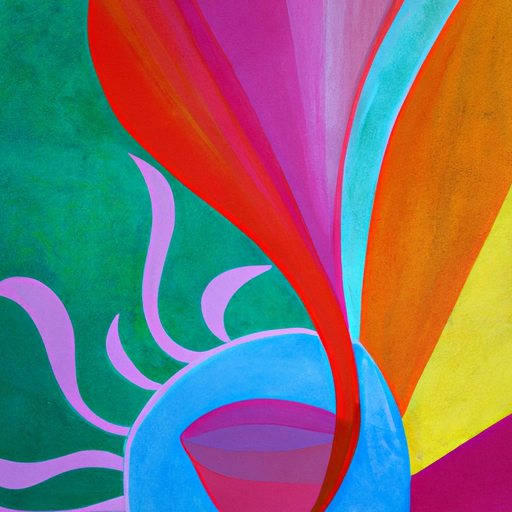
Example of visual style of Georgia O'Keeffe

Georgia O'Keeffe

Georgia O'Keeffe was an American modernist artist known for her distinct style characterized by large-scale, close-up views of flowers, bones, and landscapes. She gained recognition in the 1920s for her bold and vibrant paintings that showcased her unique perspective on the natural world. O'Keeffe's work often showcased abstracted forms, simplified shapes, and intense colors, emphasizing the essence and beauty of her subjects. Her art became synonymous with American modernism and played a significant role in the development of American art during the early 20th century.

View StyleExplore Style
Example of visual style of Maruyama Shijo School Of Painting

Maruyama Shijo School Of Painting

The Maruyama Shijo School of Painting, developed in the late 18th century in Japan, gained prominence during the Edo period. It was founded by Maruyama Okyo and flourished under his disciples. This style is famous for its naturalistic depictions of subjects, which included landscapes, birds, flowers, and animals. Maruyama Shijo School introduced the idea of capturing a subject's essence rather than merely imitating their appearance, resulting in a more expressive and emotive representation of nature. It influenced later Japanese artists and had a lasting impact on the development of modern Japanese painting.

View StyleExplore Style
Example of visual style of Rinpa School

Rinpa School

The Rinpa School is a traditional Japanese art style that flourished from the 17th to the 19th century. It became famous for its intricate and vibrant depictions of nature, often featuring gold leaf backgrounds and highly detailed patterns. The style originated in Kyoto and was influenced by courtly aesthetics, Chinese painting techniques, and traditional Japanese crafts. Rinpa School artworks often portrayed scenes of flowers, birds, and landscapes, capturing the essence of Japan's natural beauty.

View StyleExplore Style
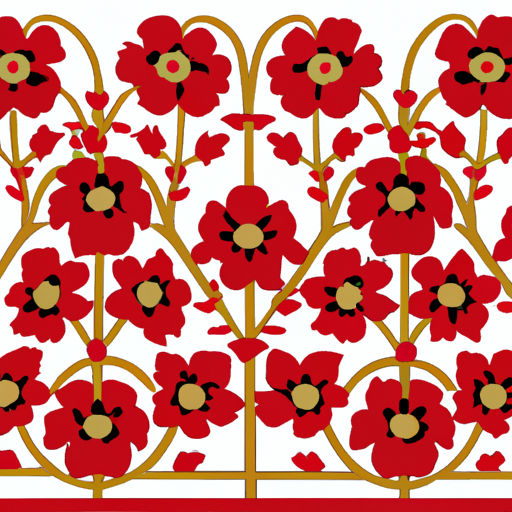
Example of visual style of William Morris

William Morris

The William Morris style, popular from 1860 to 1910, is known for its intricate and elegant designs inspired by nature. Founded by the British artist and textile designer William Morris, this style gained fame for its high-quality craftsmanship and its revival of traditional handmade techniques. The William Morris style emphasized the use of organic forms, rich colors, and fine details, often featuring motifs such as flowers, birds, and intricate patterns. Its influence extended to various art forms, including textiles, wallpaper, furniture, and stained glass, and played a significant role in the Arts and Crafts movement.

View StyleExplore Style
Example of visual style of Yamamoto Shunkyo

Yamamoto Shunkyo

Yamamoto Shunkyo is a Japanese visual style that emerged in the late 19th century and remained influential until the early 20th century. It is characterized by its delicate and graceful depictions of nature, particularly landscapes and flowers. Shunkyo's work is known for its vibrant colors, intricate details, and exquisite use of traditional Japanese painting techniques, such as ink washes, fine lines, and meticulous brushstrokes. His style gained fame for its romantic and poetic interpretations of nature, capturing the ephemeral beauty of the changing seasons. Yamamoto Shunkyo's visual style became famous for its fusion of traditional Japanese aesthetics with a modern sensibility.

View StyleExplore Style
Home