StylopediaStylopedia

Energy styles on Stylopedia

A visual encyclopedia of energy styles – use as prompt inspiration for Midjourney, Gemini, or ChatGPT AI when making energy images

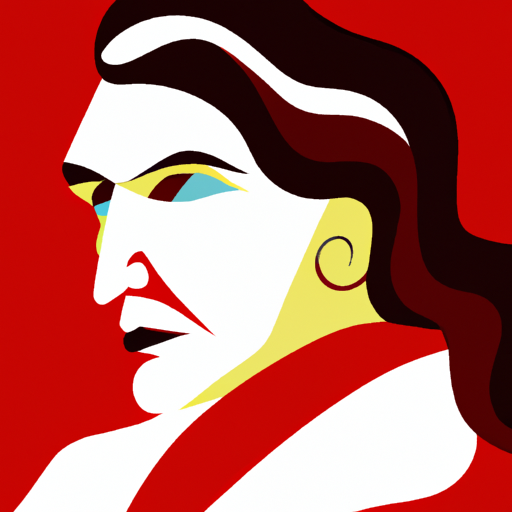
Example of visual style of Filippo Tommaso Marinetti

Filippo Tommaso Marinetti

Filippo Tommaso Marinetti was an Italian poet, artist, and founder of the Futurist movement. The Futurist style emerged in the early 20th century, particularly between 1909 and 1916. Marinetti believed in the rejection of the past and the celebration of modernity, speed, technology, and industrialization. With a focus on dynamism, movement, and energy, Marinetti's style sought to capture the fast-paced nature of the modern world. He expressed his ideas through various mediums, including painting, sculpture, literature, music, and performance. His passionate manifesto, 'The Futurist Manifesto' published in 1909, gained significant attention and marked the beginning of the movement, making him and his style famous.

View StyleExplore Style
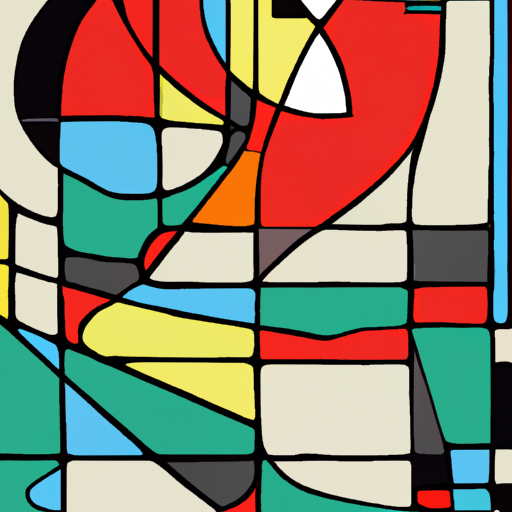
Example of visual style of Gino Severini

Gino Severini

Gino Severini was an Italian painter and a leading figure of the Futurist movement. His visual style is characterized by vibrant colors, fragmented forms, and dynamic compositions. Severini was active from the early 20th century, particularly in the years between 1910 and 1920. He is famous for his involvement in the Futurist movement, which sought to capture the speed, energy, and dynamism of modern life through art. Severini's use of bold colors and geometric shapes, combined with his emphasis on movement and rhythm, created a visual language that reflected the fast-paced industrial society of the time.

View StyleExplore Style
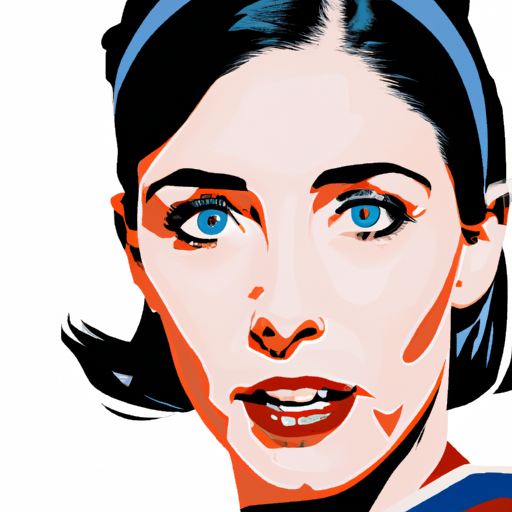
Example of visual style of Golden Age Of Comics

Golden Age Of Comics

The Golden Age of Comics refers to the period from the late 1930s to the early 1950s, known for the emergence and popularity of comic books. It was during this time that iconic superhero characters like Superman, Batman, and Wonder Woman were created, laying the foundation for the superhero genre. The visual style of Golden Age comics was characterized by bold, vibrant colors, dynamic poses, exaggerated musculature, and strong lines. The artwork often had a sense of energy and excitement, with action-packed panels and larger-than-life characters.

View StyleExplore Style

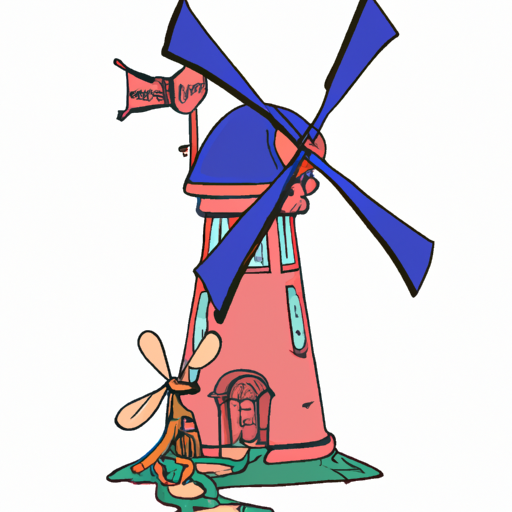
Example of visual style of Harnessing

Harnessing

Harnessing is a visually striking style that emerged in the late 1960s and gained popularity throughout the 1970s. Known for its vibrant use of colors and abstract geometric shapes, Harnessing quickly became famous for its ability to convey energy and movement. This style is often associated with the psychedelic era and its emphasis on individualism and self-expression. Harnessing artists experimented with optical illusions and dynamic compositions to create visually captivating and mind-altering experiences. The style's popularity faded in the 1980s as it gave way to new artistic movements.

View StyleExplore Style
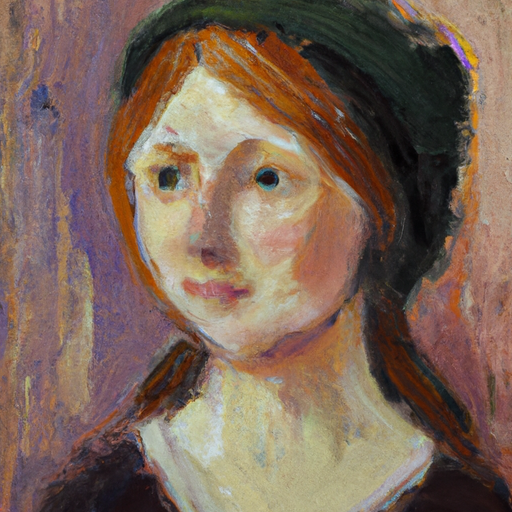
Example of visual style of Hirofumi Taniguchi

Hirofumi Taniguchi

Hirofumi Taniguchi is a Japanese artist known for his unique and vibrant visual style. His works emerged in the late 20th century and gained popularity in the 1990s. Taniguchi's style is characterized by bold and colorful compositions, intricate patterns, and a fusion of traditional Japanese art techniques with modern elements. His use of vibrant colors and intricate details captivates viewers and brings a sense of energy to his artwork. Taniguchi's work often explores themes of nature, mythology, and spirituality, creating a vivid and surreal visual experience.

View StyleExplore Style
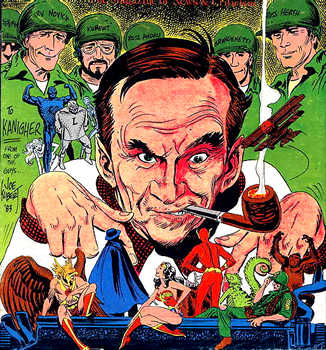
Example of visual style of James Modarelli

James Modarelli

James Modarelli is known for his minimalist and abstract visual style. His work gained recognition during the early 1960s through his innovative use of color, shape, and form. Modarelli's style quickly became famous for its bold and geometric compositions, as well as its emphasis on clean lines and simplicity. His designs often evoke a sense of harmony and balance, while also exhibiting a sense of energy and movement. Modarelli's work became influential in the fields of graphic design and modern art, and his style continues to inspire designers today.

View StyleExplore Style
Example of visual style of Liubov Popova

Liubov Popova

Liubov Popova was a Russian avant-garde artist known for her suprematism and constructivist works. She emerged in the early 20th century and became famous for her exploration of geometric forms and abstract compositions. Popova's style is characterized by dynamic shapes, bold colors, and the use of simple geometric elements. She experimented with a variety of mediums including painting, textile design, architecture, and stage design. Her works often conveyed a sense of movement and energy, reflecting the spirit of the time. Popova was a key figure in the Russian avant-garde movement and her contributions to abstract art continue to be influential.

View StyleExplore Style
Example of visual style of Nicolas Bouvier

Nicolas Bouvier

Nicolas Bouvier is a visual style that emerged in the mid-20th century. Known for its abstract and expressive forms, this style gained popularity in the 1950s and 1960s. Nicolas Bouvier, a French artist, was famous for his use of vibrant colors, bold shapes, and dynamic compositions. His works often portrayed a sense of movement and energy, capturing the spirit of the post-war era. Bouvier's distinct style became a symbol of French avant-garde art during this period.

View StyleExplore Style
Example of visual style of Orphism

Orphism

Orphism was an abstract art movement that emerged in the early 20th century, particularly between 1912 and 1914. It was developed by a group of artists including Robert Delaunay and Sonia Delaunay-Terk. Orphism is characterized by its use of vibrant colors, geometric forms, and abstract compositions, inspired by the theories of Analytical Cubism. It aimed to convey the dynamism and energy of the modern world through the interaction of colors. Orphism is famous for its optical effects, such as the use of simultaneous contrast and the creation of a harmonious visual rhythm.

View StyleExplore Style
Example of visual style of Rob Liefeld

Rob Liefeld

Rob Liefeld is a visual style known for its exaggerated anatomy, dynamic poses, and emphasis on action and violence. This style rose to prominence in the late 1980s and early 1990s, during the popularity boom of superhero comics. Liefeld's influential art style is characterized by bulging muscles, large weapons, pouches, and characters with extreme proportions. His style became famous for its energy and intensity, revolutionizing the way superheroes were depicted in comics.

View StyleExplore Style
Example of visual style of Robert Henri

Robert Henri

Robert Henri was an influential American artist and teacher who lived from 1865 to 1929. He was a leading figure in the Ashcan School, a movement that emerged in the early 20th century and focused on depicting gritty urban scenes and everyday life. Henri's visual style was characterized by loose brushwork, bold colors, and a strong sense of realism. He was known for capturing the energy and diversity of New York City, particularly its immigrant communities. His famous book 'The Art Spirit' inspired generations of artists and emphasized the importance of personal expression and the artist's subjective vision.

View StyleExplore Style
Example of visual style of Yoshio Markino

Yoshio Markino

Yoshio Markino is known for his vibrant and expressive visual style that captured the essence of early 20th century London. Born in 1869 in Japan, Markino moved to London in 1897, where he immersed himself in the city's bustling culture and vibrant art scene. His unique style emerged in the early 1900s and gained recognition for its vivid colors, dynamic compositions, and a fusion of Japanese and Western artistic influences. Markino's artworks beautifully depicted London's landscapes, cityscapes, and its diverse people, showcasing the energy and vitality of the era. His illustrations and paintings often showcased everyday scenes, cultural events, and famous landmarks, offering a fascinating glimpse into the lives of Londoners. Markino's visual style was particularly famous during the early 20th century when he achieved great success as an artist and illustrator.

View StyleExplore Style
Home