StylopediaStylopedia

Dynamic compositions styles on Stylopedia

A visual encyclopedia of dynamic compositions styles – use as prompt inspiration for Midjourney, Gemini, or ChatGPT AI when making dynamic compositions images

Example of visual style of Akira Kurosawa

Akira Kurosawa

Akira Kurosawa's visual style is characterized by his innovative storytelling techniques and masterful use of cinematography. Active from the 1940s to the 1990s, Kurosawa was known for his dynamic compositions, visually stunning landscapes, and his ability to create intense and immersive atmospheres. He often employed long takes and wide-angle shots to capture the grandeur of his narratives. Kurosawa's meticulous attention to detail and his use of color and light added depth and richness to his films, making them visually striking and memorable.

View StyleExplore Style

Example of visual style of Am Cassandre

Am Cassandre

Am Cassandre is a visual style created by Adolphe Jean-Marie Mouron, who is better known by his pseudonym, Cassandre. This style emerged in the early 20th century and gained prominence in the 1920s and 1930s. Cassandre was renowned for his innovative and avant-garde approach to graphic design, particularly in the realm of poster art. He revolutionized the field by incorporating elements of Cubism, Futurism, and Surrealism into his work. His bold use of colors, sharp geometric shapes, and dynamic compositions made his posters instantly recognizable and highly influential. Cassandre's iconic designs for companies like Dubonnet, Nord Express, and Normandie solidified his status as one of the most important graphic designers of his time.

View StyleExplore Style
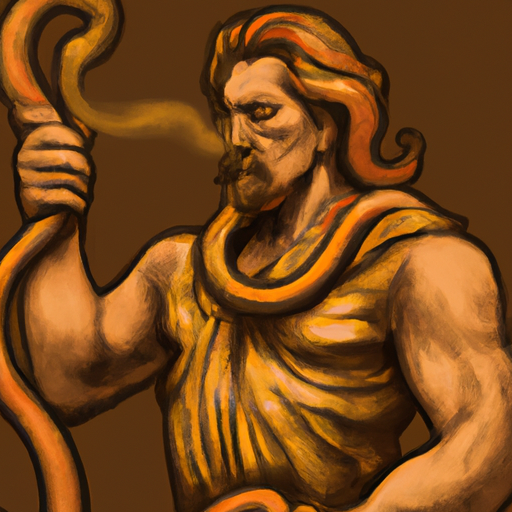
Example of visual style of Artemisia Gentileschi

Artemisia Gentileschi

Artemisia Gentileschi was an Italian Baroque painter who became famous for her powerful, dramatic, and often visceral depictions of biblical and mythological women. Active during the 17th century, her style is characterized by dynamic compositions, rich colors, and a focus on the emotional intensity of her subjects. Gentileschi's work is known for its emphasis on female protagonists, as well as her use of chiaroscuro and naturalistic details. She is regarded as one of the most important female artists of her time.

View StyleExplore Style
Example of visual style of August Strindberg

August Strindberg

August Strindberg is known for his dramatic and expressive visual style, characterized by bold and sweeping brushstrokes. His style emerged in the late 19th century in Sweden, and his works became famous for their emotional intensity and raw portrayal of human emotions. Strindberg's paintings often depict scenes of everyday life, as well as portraits and landscapes. His use of vibrant colors and dynamic compositions made him a prominent figure in the art world during his time.

View StyleExplore Style
Example of visual style of Baroque Sculpture

Baroque Sculpture

Baroque Sculpture is a highly dramatic and theatrical style that emerged in Europe during the 17th century. It reached its peak between the late 16th and early 18th centuries. This style is known for its ornate and extravagant aesthetic, characterized by exaggerated gestures, dynamic compositions, and intricate details. Baroque sculptures often portray intense emotions, religious subjects, and a sense of movement. The use of light and shadow, known as chiaroscuro, adds depth and drama to the sculptures. Baroque Sculpture became famous for its grandeur and opulence, as well as its ability to evoke strong emotional responses from viewers.

View StyleExplore Style
Example of visual style of David Alfaro Siqueiros

David Alfaro Siqueiros

David Alfaro Siqueiros was a Mexican painter and muralist known for his powerful and politically charged artworks. Active during the early 20th century, Siqueiros played a significant role in the Mexican muralism movement. His style is characterized by large-scale murals that blend realistic and stylized elements, bold use of color, and dynamic compositions. Siqueiros used his artworks to address social and political issues, often depicting scenes of revolution, historical events, and portraits of working-class people. His murals became famous for their ability to convey emotional intensity and convey powerful messages of social justice. Siqueiros' style was influential in shaping the Mexican art scene and inspiring future generations of artists.

View StyleExplore Style
Example of visual style of El Lissitzky

El Lissitzky

El Lissitzky, also known as Lazar Markovich Lissitzky, was a Russian artist, designer, and architect. Active during the early 20th century, Lissitzky was a prominent figure in the Russian avant-garde movement. He is known for his unique and influential style that combined geometric forms, bold colors, and dynamic compositions. Lissitzky's work in various mediums such as painting, typography, photomontage, and architecture played a significant role in the development of modern art and design. His innovative use of abstract shapes, asymmetry, and the integration of typography into visual compositions brought a fresh and dynamic approach to visual communication and had a lasting impact on graphic design and the Constructivist movement.

View StyleExplore Style
Example of visual style of Enrico Prampolini

Enrico Prampolini

Enrico Prampolini was an Italian artist and set designer who played a significant role in the development of modern visual art in the early 20th century. He was renowned for his avant-garde and futuristic style, which combined elements of cubism, futurism, and constructivism. Prampolini's work became famous during the 1920s and 1930s, when he created innovative stage sets for ballet and theater productions. His use of geometric forms, bold colors, and dynamic compositions made him a pioneer of modern stage design. Prampolini's designs were characterized by a sense of movement, abstraction, and a futuristic aesthetic, which greatly influenced the visual language of the time.

View StyleExplore Style
Example of visual style of Fred Silverman

Fred Silverman

The Fred Silverman visual style is characterized by vibrant colors, bold typography, and dynamic compositions. It emerged during the 1970s and 1980s, a period that marked the golden age of American television. Fred Silverman, a renowned television executive, played a significant role in shaping the style through his innovative approach to programming. He introduced a number of successful shows and implemented visual strategies that captivated audiences. The style became famous for its ability to create attention-grabbing and memorable designs that stood out from the competition.

View StyleExplore Style
Example of visual style of Georges Mathieu

Georges Mathieu

Georges Mathieu was a French abstract expressionist painter who rose to prominence in the 1950s. His style was characterized by spontaneous and energetic brushwork, vibrant colors, and dynamic compositions. Mathieu believed in the 'lyrical abstraction' approach, where he aimed to express his emotions and capture the essence of the modern era. He gained fame for his live painting performances, where he would create large-scale canvases in front of audiences. Mathieu's works are known for their boldness, vitality, and his unique fusion of calligraphy and gestural painting.

View StyleExplore Style
Example of visual style of Gino Severini

Gino Severini

Gino Severini was an Italian painter and a leading figure of the Futurist movement. His visual style is characterized by vibrant colors, fragmented forms, and dynamic compositions. Severini was active from the early 20th century, particularly in the years between 1910 and 1920. He is famous for his involvement in the Futurist movement, which sought to capture the speed, energy, and dynamism of modern life through art. Severini's use of bold colors and geometric shapes, combined with his emphasis on movement and rhythm, created a visual language that reflected the fast-paced industrial society of the time.

View StyleExplore Style
Example of visual style of Honore Daumier

Honore Daumier

Honore Daumier was a French artist and caricaturist who is known for his satirical and critical portrayal of 19th-century French society and politics. His style emerged in the mid-19th century and gained recognition for its powerful social commentary and use of exaggerated features to depict public figures and ordinary people. Daumier's works became famous for their sharp wit, humor, and keen observation of human behavior. His visual style was characterized by bold and expressive brushwork, dynamic compositions, and a focus on capturing the essence and character of his subjects.

View StyleExplore Style
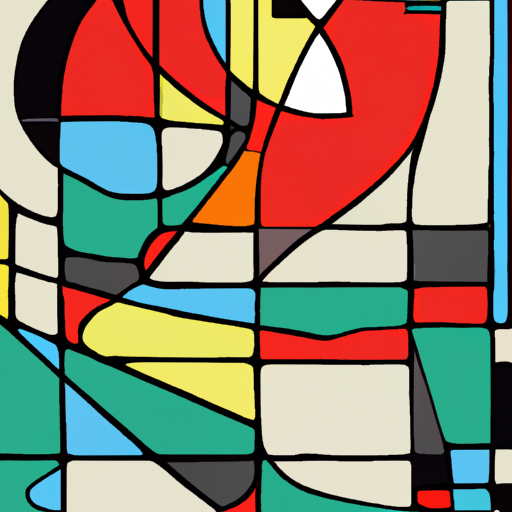
Example of visual style of Katsushika Hokusai

Katsushika Hokusai

Katsushika Hokusai was a Japanese ukiyo-e painter and printmaker. He is best known for his series of woodblock prints titled Thirty-Six Views of Mount Fuji, which includes the iconic print The Great Wave off Kanagawa. Hokusai's visual style was characterized by bold and dynamic compositions, use of vibrant colors, and a mastery of capturing the essence of nature. His works became famous during the late Edo period (early 1800s) and continue to inspire artists around the world today.

View StyleExplore Style
Example of visual style of Kunisada Utagawa

Kunisada Utagawa

Kunisada Utagawa was a prominent ukiyo-e artist in Japan during the Edo period (1781-1865). He gained popularity for his prints which depicted Kabuki actors and beautiful women. From 1800 to 1844, his works captured the essence of the Edo culture and became highly sought-after. Kunisada's style emphasized intricate details, vibrant colors, and dynamic compositions. He utilized various printing techniques to create intricate patterns on clothing and backgrounds. His ability to capture the facial expressions and emotions of the characters made his prints stand out. Kunisada's works were widely circulated and greatly influenced the ukiyo-e genre, making him one of the most celebrated ukiyo-e artists of all time.

View StyleExplore Style
Example of visual style of Lyubov Popova

Lyubov Popova

Lyubov Popova was a Russian avant-garde artist known for her pioneering work in the Constructivist style. Active during the early 20th century (1909-1924), she played a significant role in the development of modern art in Russia. Popova's style is characterized by geometric abstraction, bold shapes, vibrant colors, and dynamic compositions. Her innovative use of color and form, as well as her exploration of the relationships between art and society, made her famous in the art world.

View StyleExplore Style
Example of visual style of Nicolas Bouvier

Nicolas Bouvier

Nicolas Bouvier is a visual style that emerged in the mid-20th century. Known for its abstract and expressive forms, this style gained popularity in the 1950s and 1960s. Nicolas Bouvier, a French artist, was famous for his use of vibrant colors, bold shapes, and dynamic compositions. His works often portrayed a sense of movement and energy, capturing the spirit of the post-war era. Bouvier's distinct style became a symbol of French avant-garde art during this period.

View StyleExplore Style
Example of visual style of Rinpa

Rinpa

Rinpa is a Japanese visual style that flourished in the late 16th century and 17th century. It gained popularity during the Edo period and is known for its elegant and decorative motifs. Rinpa is characterized by its use of vibrant colors, flowing brushstrokes, and luxurious gold and silver leaf accents. This style became famous for its incorporation of natural elements such as flowers, birds, and landscapes, as well as its emphasis on asymmetry and dynamic compositions.

View StyleExplore Style
Example of visual style of Rob Velter

Rob Velter

Rob Velter is a visual style known for its vibrant colors, bold shapes, and dynamic compositions. This style emerged in the late 20th century and became increasingly popular in the early 21st century. What made Rob Velter famous was his unique ability to blend different art forms and integrate them into his designs. With a strong emphasis on experimentation and innovation, Rob Velter created captivating visuals that captured attention and influenced many aspiring artists.

View StyleExplore Style
Example of visual style of Vilmos Huszar

Vilmos Huszar

Vilmos Huszar was a Hungarian artist and one of the founders of the De Stijl movement. Active during the early 20th century, his visual style is characterized by geometric abstraction, simplicity, and the use of primary colors. He was known for his unique approach to composition, often using bold lines and shapes to create dynamic and harmonious arrangements. His work during the 1910s and 1920s played a crucial role in establishing the principles of De Stijl, which sought to create a universal visual language through the use of pure form and color. Huszar's contributions to the movement, particularly his exploration of the grid and the use of the diagonal, made him one of the most influential artists of his time.

View StyleExplore Style
Example of visual style of Yoshio Markino

Yoshio Markino

Yoshio Markino is known for his vibrant and expressive visual style that captured the essence of early 20th century London. Born in 1869 in Japan, Markino moved to London in 1897, where he immersed himself in the city's bustling culture and vibrant art scene. His unique style emerged in the early 1900s and gained recognition for its vivid colors, dynamic compositions, and a fusion of Japanese and Western artistic influences. Markino's artworks beautifully depicted London's landscapes, cityscapes, and its diverse people, showcasing the energy and vitality of the era. His illustrations and paintings often showcased everyday scenes, cultural events, and famous landmarks, offering a fascinating glimpse into the lives of Londoners. Markino's visual style was particularly famous during the early 20th century when he achieved great success as an artist and illustrator.

View StyleExplore Style

Home