
Ancient Roman Architecture
Ancient Roman Architecture is characterized by grandeur, symmetry, and durability, with iconic structures built between 509 BC and 4th century AD. Famous for its use of arches, domes, and columns.
View StyleExplore Style Stylopedia
A visual encyclopedia of domes styles – use as prompt inspiration for Midjourney, Gemini, or ChatGPT AI when making domes images
Ancient Roman Architecture is characterized by grandeur, symmetry, and durability, with iconic structures built between 509 BC and 4th century AD. Famous for its use of arches, domes, and columns.
View StyleExplore Style
Baroque Architecture was a highly ornate and extravagant style that emerged in Europe during the 17th and early 18th centuries. It is characterized by its grandeur, exuberant ornamentation, and dramatic effects. This style was famous for its use of curves, domes, and elaborate decorations, creating a sense of movement and theatricality. Baroque Architecture aimed to awe and impress viewers with its opulence and magnificence.
View StyleExplore Style
Beaux Arts Style, also known as Academic Art or French Renaissance Revival, was a prominent architectural and decorative arts style from the late 19th century to the early 20th century. It flourished between the years 1885 to 1920 and gained popularity in France and the United States. This style is characterized by its grandeur, classical references, and ornate detailing. Beaux Arts buildings often featured symmetrical facades, elaborate ornamentation, and a combination of different architectural elements like columns, pediments, and domes. The use of noble materials, such as marble, stone, and bronze, added to the luxurious appeal of this style. The Beaux Arts Style became famous through prominent architectural landmarks such as the Paris Opéra, Grand Central Terminal in New York City, and the Fine Arts Palace in San Francisco.
View StyleExplore Style
Byzantine architecture developed in the Byzantine Empire in the 5th century and continued until the fall of Constantinople in 1453. Known for its use of domes, arches, and intricate mosaics.
View StyleExplore Style
Islamic Architecture is a distinct architectural style that emerged in the 7th century and continues to be influential today. It is characterized by its emphasis on geometric patterns, ornate calligraphy, and intricate tilework. The architectural style became famous during the golden age of Islamic civilization from the 9th to the 13th century, when magnificent structures such as the Great Mosque of Cordoba and the Alhambra were built. Islamic Architecture is known for its use of domes, arches, and minarets, as well as its unique blend of artistic and architectural elements from various regions such as the Middle East, North Africa, and Spain.
View StyleExplore Style
Istanbul Architecture is a blend of Byzantine, Ottoman, and modern styles that have evolved over centuries. Known for its distinctive domes, minarets, and intricate tile work, this style showcases the city's rich history and cultural influences.
View StyleExplore Style
Mimar Sinan, born in 1489 and died in 1588, was the chief Ottoman architect and engineer. His architectural style was influential during the reign of three Ottoman sultans, making him one of the most famous and respected architects in history. Sinan combined elements of Byzantine and Islamic architectural traditions, creating a unique fusion. His use of geometric patterns, domes, and slender minarets became characteristic of the Mimar Sinan style.
View StyleExplore Style
Monticello is a Neoclassical architectural style popular in the late 18th and early 19th centuries, characterized by symmetrical geometry, columns, and domes. Named after Thomas Jefferson's historic home in Virginia.
View StyleExplore Style
Mughal Architecture is a style developed during the Mughal Empire in the Indian subcontinent from the 16th to the 19th century. It is known for its grandeur and fusion of Islamic, Persian, and Indian architectural elements. Notable features include intricate ornamentation, large domes, minarets, arches, and the use of red sandstone and marble. Famous structures like the Taj Mahal and the Red Fort in Delhi are iconic examples of Mughal Architecture.
View StyleExplore Style
Mumtaz Mahal is a style inspired by the Mughal architecture period in India (1526–1857) characterized by intricate carvings, domes, minarets, and symmetrical designs. It gained popularity during the reign of Emperor Shah Jahan and is famous for the Taj Mahal.
View StyleExplore Style
Persian architecture refers to the distinctive architectural style that emerged in the region of Persia (modern-day Iran) from around 500 BCE to the present day. Known for its intricate tilework, domes, and arches, Persian architecture reflects the rich cultural and artistic heritage of the Persian civilization.
View StyleExplore Style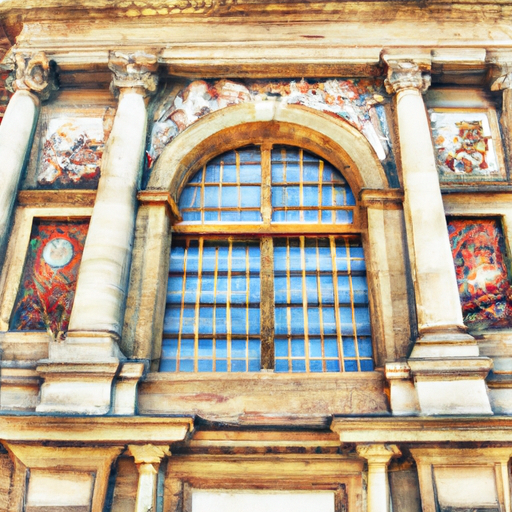
Renaissance Architecture, prevalent from the 14th to the 17th century, is characterized by a revival of classical Roman and Greek architectural elements. Famous for its grandeur, harmony, and symmetry, Renaissance Architecture brought back classical proportions and features such as domes, arches, columns, and pilasters. This style became famous for its influential architects such as Filippo Brunelleschi, Andrea Palladio, and Donato Bramante, and landmark structures like the Florence Cathedral, St. Peter's Basilica, and the Palazzo Farnese.
View StyleExplore Style
Renaissance Revival Architecture refers to a style that emerged in the 19th century, drawing inspiration from the architecture of the early Italian Renaissance. It became famous for its use of classical motifs and decorative elements such as columns, arches, and domes.
View StyleExplore Style
Roman Architecture refers to the architectural style developed by the ancient Romans from the 2nd century BCE to the 5th century CE. It is characterized by a combination of Greek and Etruscan influences, as well as the innovative use of arches, vaults, and domes. This style gained widespread fame for its grandeur, vast scale, and engineering feats, including iconic structures such as the Colosseum and the Pantheon.
View StyleExplore Style
The Suleymaniye Mosque in Istanbul, built by architect Mimar Sinan in the 16th century during the Ottoman Empire, is known for its impressive size, elegant domes, and intricate tile work.
View StyleExplore Style
The Thomas Jefferson visual style emerged during the late 18th and early 19th centuries, coinciding with Thomas Jefferson's political career (1801-1809). This style gained prominence in architecture, particularly in the United States, as a reflection of Jefferson's design preferences. Jeffersonian architecture showcased classical elements, influenced by ancient Roman and Greek styles. This style is characterized by symmetrical facades, domes, porticos, and columns. The most famous example of this style is the neoclassical Monticello, Thomas Jefferson's own residence. Its grandeur and simplicity continue to inspire architects and designers till date.
View StyleExplore Style
Turkish Ottoman Architecture, prominent from the 14th to early 20th centuries, is characterized by intricate geometric designs, domes, and minarets. This style is known for its use of marble, mosaic tiles, and calligraphy, blending Islamic and Byzantine influences.
View StyleExplore Style