StylopediaStylopedia

Distorted perspectives styles on Stylopedia

A visual encyclopedia of distorted perspectives styles – use as prompt inspiration for Midjourney, Gemini, or ChatGPT AI when making distorted perspectives images

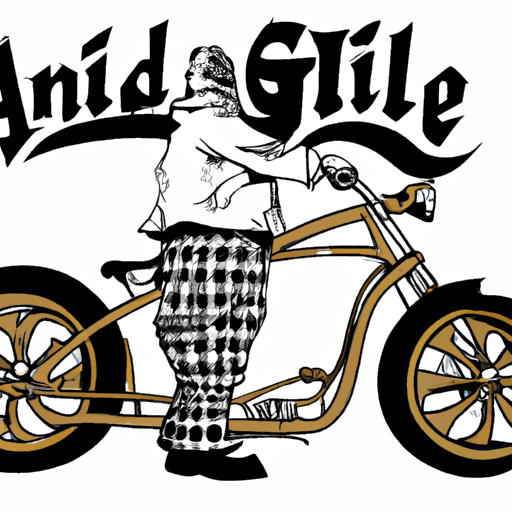
Example of visual style of Ed Roth

Ed Roth

Ed Roth is a visual style that emerged in the 1960s and became famous for its psychedelic and cartoonish designs. It is often associated with hot rod culture and is characterized by bold, vibrant colors, distorted perspectives, and exaggerated caricatures. Ed Roth's style gained popularity through his creation of the iconic character Rat Fink, a mischievous, grinning rodent. His designs were prominently featured on custom cars, t-shirts, and posters, contributing to the counter-cultural movement of the era.

View StyleExplore Style
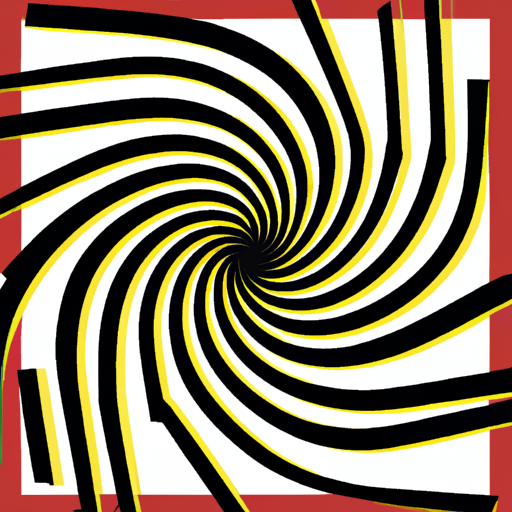
Example of visual style of Hipgnosis

Hipgnosis

Hipgnosis was a design company in the 1970s known for their innovative and surreal album cover designs. They revolutionized the concept of album art by creating fantastical and thought-provoking visuals that went beyond mere promotion. Their designs were famous for incorporating surreal imagery, distorted perspectives, and collages. Hipgnosis became synonymous with iconic album covers during the 1970s, with works for bands like Pink Floyd, Led Zeppelin, and Genesis becoming instantly recognizable.

View StyleExplore Style
Example of visual style of Marc Chagall

Marc Chagall

Marc Chagall was a prominent artist known for his unique style that combined elements of Surrealism, Cubism, and Fauvism. Active during the early 20th century, Chagall's work became famous for its dreamlike and poetic imagery. His use of vibrant colors, floating objects, and distorted perspectives created a sense of fantasy and whimsy in his paintings. Chagall's distinctive style gained recognition for its ability to evoke emotions and capture the imagination of viewers.

View StyleExplore Style
Example of visual style of Parmigianino

Parmigianino

Parmigianino was an Italian Mannerist painter active during the early 16th century. His visual style is characterized by elongated figures, exaggerated poses, and stylized elegance. Parmigianino's works became famous for their innovative and unconventional compositions, often including distorted perspectives and intricate details. He was particularly renowned for his portrait paintings, which exuded a sense of elegance and refinement. Parmigianino's style reached its peak between 1524 and 1531, during which he produced some of his most famous works.

View StyleExplore Style
Example of visual style of Vertigo

Vertigo

Vertigo is a visual style that originated in the 1950s and became famous for its distinctive use of color, composition, and visual illusions. It is primarily associated with the American suspense thriller film 'Vertigo' directed by Alfred Hitchcock in 1958. This style is characterized by its dizzying and disorienting visuals, often achieved through the use of unique camera angles, spiraling patterns, and distorted perspectives. It is known for its atmospheric and dreamlike quality, captivating audiences with its eerie and psychological nature. Vertigo's fame stems from its ability to manipulate the viewer's perception, creating a sense of unease and suspense.

View StyleExplore Style
Home