StylopediaStylopedia

Depth styles on Stylopedia

A visual encyclopedia of depth styles – use as prompt inspiration for Midjourney, Gemini, or ChatGPT AI when making depth images

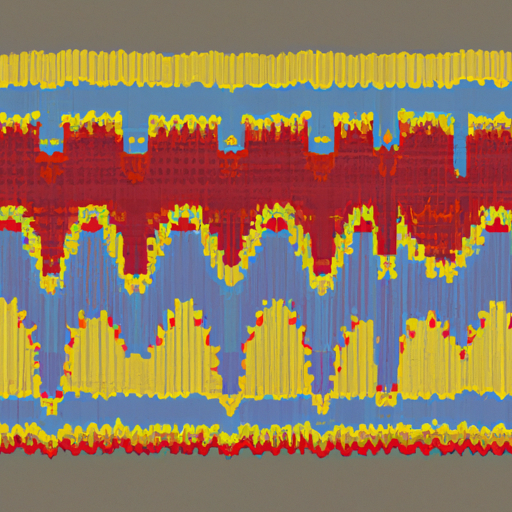
Example of visual style of Akiyoshi Kitaoka

Akiyoshi Kitaoka

Akiyoshi Kitaoka is a Japanese psychologist and artist known for his visually mesmerizing optical illusions. His style, developed in the late 1990s and popularized in the 2000s, focuses on the creation of mind-bending patterns and illusions that play with our perception of color, depth, and motion. Kitaoka's work gained fame due to its ability to deceive the viewer's visual system and create the illusion of movement or distortions in static images. His optical illusions have been widely shared online and showcased in various exhibitions, contributing to the growing interest in perceptual psychology and the appreciation of visual illusions.

View StyleExplore Style
Example of visual style of Arthur C Clarke

Arthur C Clarke

The Arthur C Clarke visual style is a futuristic and technology-focused style that emerged in the mid-20th century. It gained fame through the works of Arthur C. Clarke, a renowned science fiction writer and futurist. This style is characterized by its sleek and minimalistic designs, often featuring clean lines, geometric shapes, and a sense of space and depth. It combines elements of science, technology, and imagination to portray advanced future worlds. The Arthur C Clarke visual style became famous through Clarke's influential novels, such as '2001: A Space Odyssey', which showcased a visually striking representation of futuristic technology and space exploration.

View StyleExplore Style
Example of visual style of Diego Velazquez

Diego Velazquez

Diego Velazquez was a Spanish painter who was active during the Baroque period in the 17th century. He is known for his realistic and detailed paintings that captured the essence of his subjects. Velazquez is particularly famous for his portraits, including the iconic 'Las Meninas' painted in 1656. His style was characterized by his masterful use of light and shadow, the ability to create depth and perspective, and his attention to detail in rendering textures and fabrics. Velazquez's works were highly praised for their naturalism and influenced generations of artists after him.

View StyleExplore Style
Example of visual style of Eyvind Earle

Eyvind Earle

Eyvind Earle is known for his distinctive and enchanting landscapes. His visual style, prominent in the mid-20th century, gained fame through his work in animation, especially as the background artist for Disney's Sleeping Beauty (1959). Earle's style is characterized by bold and vibrant colors, intricate patterns, and a meticulous attention to detail. His landscapes often feature stylized trees, rolling hills, and dramatic skies, creating a sense of depth and magical atmosphere.

View StyleExplore Style
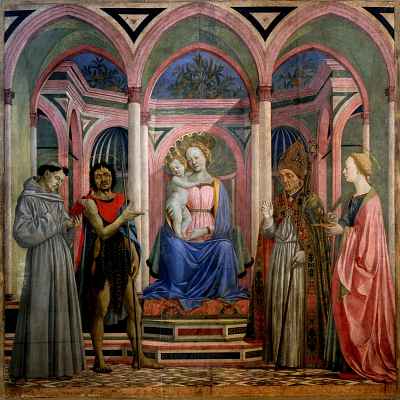
Example of visual style of Giovanni Bellini

Giovanni Bellini

Giovanni Bellini was an Italian Renaissance painter known for his luminous and atmospheric style. Active during the late 15th and early 16th centuries, Bellini's works are characterized by his exquisite attention to detail, vibrant colors, and skillful use of light and shadow. He is renowned for his religious paintings, particularly his Madonnas, which often feature rich landscapes as backdrops. Bellini's ability to create a sense of depth and spirituality through his use of color and composition has made him one of the most influential painters of his time.

View StyleExplore Style
Example of visual style of Hans Hofmann

Hans Hofmann

Hans Hofmann was a German-born American painter who was influential in the development of Abstract Expressionism. He is known for his bold and colorful abstract compositions which combine Cubist principles with the energetic brushwork and spontaneity of Expressionism. Hofmann's style evolved over the years, with his earliest work reflecting a more figurative approach before embracing complete abstraction. He gained recognition in the 1950s and 1960s for his innovative use of color and his ability to convey a sense of movement and depth on the canvas.

View StyleExplore Style

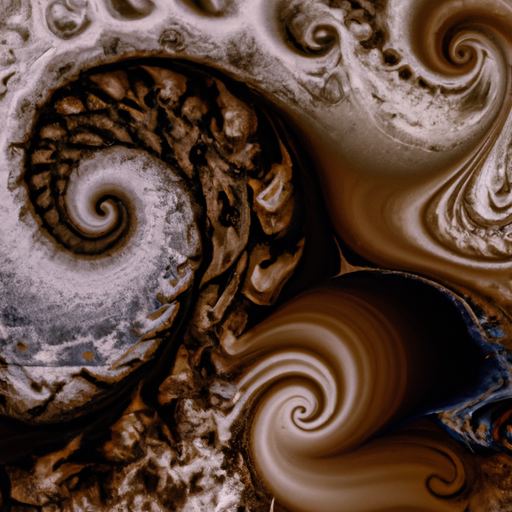
Example of visual style of Phantasmal Iridescent

Phantasmal Iridescent

Phantasmal Iridescent is a mesmerizing visual style that emerged in the late 2010s and gained popularity in the early 2020s. It is characterized by its vibrant and shifting color palette, creating an illusion of constantly changing and shimmering hues. This style became famous for its dreamlike and ethereal quality, evoking a sense of otherworldliness. It often incorporates iridescent, holographic, and opalescent effects, using light and reflections to create a sense of depth and dimension. Phantasmal Iridescent pushes the boundaries of reality, transporting viewers into a fantastical realm of enchantment and enchantment.

View StyleExplore Style
Example of visual style of Victor Vasarely

Victor Vasarely

Victor Vasarely, also known as the Father of Op Art, was a Hungarian-French artist. He revolutionized the field of optical art in the 1960s. Vasarely's art is characterized by geometric patterns and optical illusions that create a sense of movement and depth. His works became famous for their exploration of perception and visual relationships. Vasarely's style gained recognition and popularity in the 1960s and 1970s, with his artwork being exhibited worldwide. He played a significant role in bridging the gap between fine art and commercial design.

View StyleExplore Style
Home