StylopediaStylopedia

Delicate styles on Stylopedia

A visual encyclopedia of delicate styles – use as prompt inspiration for Midjourney, Gemini, or ChatGPT AI when making delicate images

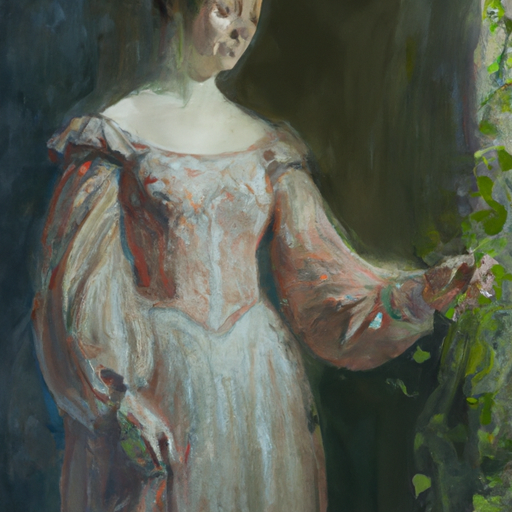
Example of visual style of Antoine Watteau

Antoine Watteau

Antoine Watteau was a French painter of the Rococo style in the early 18th century. His style is characterized by delicate pastel colors, fluid brushstrokes, and a sense of movement. Watteau's paintings often depicted fêtes galantes, which were scenes of elegant outdoor gatherings and romantic themes set in lush landscapes. His works showcased a combination of fantasy and reality, evoking a sense of enchantment and escapism. Watteau's art became famous for its portrayal of the aristocratic lifestyle and its influence on the Rococo movement in France.

View StyleExplore Style
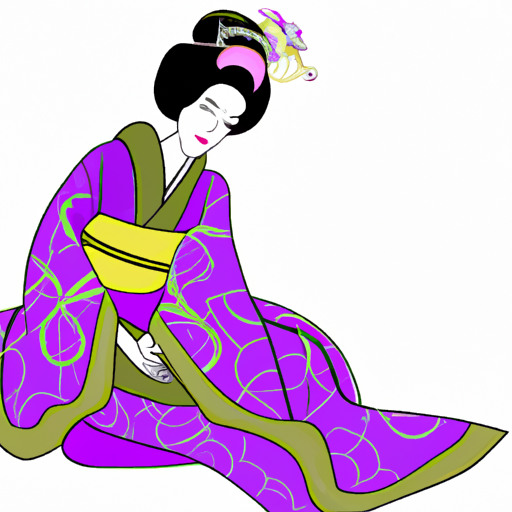
Example of visual style of Audrey Kawasaki

Audrey Kawasaki

Audrey Kawasaki is a contemporary artist known for her distinctive and alluring visual style. Her work combines elements of Japanese manga, Art Nouveau, and traditional woodblock printing. Kawasaki's images typically feature ethereal female figures with pale skin, long flowing hair, and expressive eyes. Her art is characterized by a delicate blend of organic and geometric shapes, often surrounded by intricate patterns and intricate linework. Kawasaki started gaining recognition in the early 2000s through her online presence and participation in group exhibitions. Her work quickly became popular due to its sensual and enigmatic nature, which captivated audiences worldwide.

View StyleExplore Style
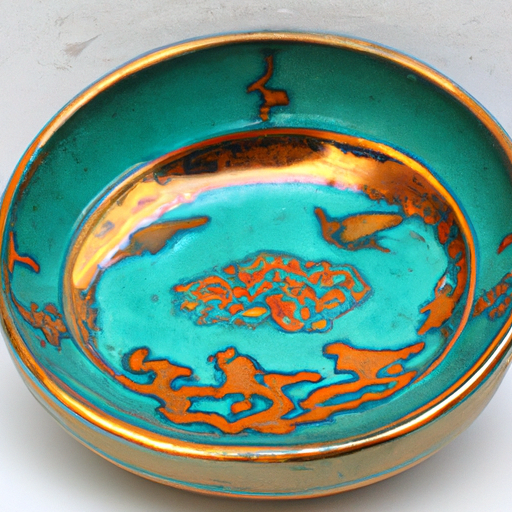
Example of visual style of Bambi

Bambi

Bambi is a visual style known for its delicate and naturalistic hand-drawn animation. It gained popularity in the 1940s and 1950s through the classic Disney animated film 'Bambi', directed by David Hand. This style is characterized by vibrant and detailed backgrounds, expressive and lifelike character designs, and a strong focus on nature and wildlife. The use of contrasting colors, soft lines, and realistic movements made this style famous for capturing the beauty and grace of the natural world in animation.

View StyleExplore Style
Example of visual style of Botticelli

Botticelli

Botticelli is a visual style associated with the Italian Renaissance painter Sandro Botticelli. It flourished during the 15th century in Florence, Italy. Botticelli's art is characterized by delicate and graceful figures, ethereal beauty, flowing drapery, and idealized landscapes. His most famous works, such as 'The Birth of Venus' and 'Primavera,' showcase his meticulous attention to detail and vibrant use of colors, capturing the essence of Renaissance humanism and mythology.

View StyleExplore Style
Example of visual style of Cellini

Cellini

Cellini is a visual style that emerged in the Renaissance period, particularly during the 16th century. It is named after the renowned Italian artist and goldsmith, Benvenuto Cellini. This style is characterized by its intricate and ornate designs, often featuring delicate details and rich embellishments. Cellini became famous for his exquisite metalwork, sculptures, and jewelry, which exemplified the elegance and skill of this style. The Cellini visual style gained popularity for its opulence and craftsmanship, attracting wealthy patrons and establishing a new standard of luxury and beauty in art and design.

View StyleExplore Style
Example of visual style of Charles Eisen

Charles Eisen

Charles Eisen was a French painter and engraver, known for his delicate and graceful Rococo style. Born in 1720, Eisen became famous during the mid-18th century. His intricate details, elegant compositions, and use of soft colors made him a prominent figure in the Rococo movement. Eisen was particularly known for his illustrations of literature, including the famous works of Voltaire. His style captured the spirit of the Rococo era, characterized by ornate and whimsical designs, and became highly influential during this time.

View StyleExplore Style
Example of visual style of Eh Shepard

Eh Shepard

Eh Shepard is a visual style that emerged in the early 20th century and is best known for its whimsical and charming illustrations. Shepard gained fame for his iconic illustrations in A.A. Milne's Winnie-the-Pooh books, which were published between 1926 and 1928. His delicate and intricate pen and ink drawings brought the beloved characters to life, captivating readers of all ages. Shepard's style is characterized by its attention to detail, expressive line work, and ability to evoke emotions through simple yet powerful imagery.

View StyleExplore Style
Example of visual style of Eisen

Eisen

Eisen is a visual style that emerged during the 18th century in France. It is named after the French painter and engraver Charles Eisen. The style became famous for its delicate and ornate illustrations and engravings. Eisen's works often depicted scenes from literature, fashion, and everyday life. The style reached its peak popularity during the Rococo period, around the years 1730 to 1760. Eisen's intricate designs and attention to detail made him a prominent figure in the art world of that time.

View StyleExplore Style
Example of visual style of Fra Angelico

Fra Angelico

Fra Angelico, also known as Beato Angelico, was an Italian painter of the early Renaissance. He is known for his delicate and harmonious paintings, characterized by bright colors and ethereal figures. His works from the 14th and 15th centuries are renowned for their spiritual and religious themes, depicting scenes from the Bible and the lives of saints. Fra Angelico's use of light and shadow, meticulous attention to detail, and his ability to convey a sense of transcendence made him one of the most famous artists of his time.

View StyleExplore Style
Example of visual style of Francois Boucher

Francois Boucher

Francois Boucher was a French painter during the Rococo period in the mid-18th century. Known for his delicate and graceful style, Boucher's works often depicted mythological and romantic themes. His art became famous for its lush colors, intricate details, and sensual compositions. Boucher was the favorite painter of Madame de Pompadour, the mistress of King Louis XV, which further elevated his status and popularity. His style was influential in defining the Rococo aesthetic and capturing the essence of the era.

View StyleExplore Style
Example of visual style of Heian Period

Heian Period

Heian Period, from 794 to 1185, was a distinctive visual style in Japanese art and culture known for its elegance and refinement. It was a time of peace and prosperity, allowing for the flourishing of art, literature, and architecture. This period is particularly famous for its courtly aesthetics, characterized by graceful, delicate depictions and a love for beauty. The art of this era often featured aristocratic themes, including scenes from court life, exquisite landscapes, and refined portraits of nobles. The meticulous attention to detail and the emphasis on the spiritual and ethereal qualities of the subjects were central to the Heian Period style.

View StyleExplore Style
Example of visual style of Hina Aoyama

Hina Aoyama

Hina Aoyama is a Japanese visual style that emerged in the late 1980s and gained popularity in the 1990s. It is characterized by vibrant colors, delicate and intricate patterns, and a fusion of traditional Japanese motifs with contemporary elements. Hina Aoyama became famous for its unique combination of traditional and modern aesthetics, creating a visually captivating and harmonious style. The style gained recognition for its influence on fashion, art, and graphic design in Japan.

View StyleExplore Style
Example of visual style of Jean Baptiste Huet

Jean Baptiste Huet

Jean Baptiste Huet was a French painter and designer who lived from 1745 to 1811. He was known for his delicate and charming Rococo style, which became famous during the late 18th century. Huet's works often featured pastoral scenes, with an emphasis on nature, landscapes, and animals. His paintings were characterized by their soft color palette, graceful compositions, and intricate details. Huet's work became highly sought after and was popularized due to its romanticized depictions of the countryside, which resonated with the growing appreciation for idyllic rural life during that time.

View StyleExplore Style
Example of visual style of Kako Ueda

Kako Ueda

Kako Ueda is a Japanese contemporary artist known for her intricate paper cut artworks. She gained popularity in the early 2000s for her unique approach to paper cutting that incorporates elements of traditional Japanese art and folklore. Her works are characterized by delicate and intricate details, often depicting natural motifs and mythological creatures. Ueda's paper cut artworks have been exhibited internationally and have been the subject of numerous solo and group exhibitions.

View StyleExplore Style
Example of visual style of Kate Greenaway

Kate Greenaway

Kate Greenaway was a popular British illustrator and writer in the late 19th century. Her style, known as the 'Kate Greenaway style', became famous for its delicate and nostalgic depiction of children in pastoral settings. Active primarily between 1870 and 1900, Greenaway's illustrations were characterized by their detailed line work, soft colors, and emphasis on children's fashion from the late 18th and early 19th centuries. Her illustrations often featured young girls in bonnets, pinafores, and sometimes boys in sailor suits, and became highly influential in the world of children's literature and fashion at the time.

View StyleExplore Style
Home