StylopediaStylopedia

Cubism styles on Stylopedia

A visual encyclopedia of cubism styles – use as prompt inspiration for Midjourney, Gemini, or ChatGPT AI when making cubism images

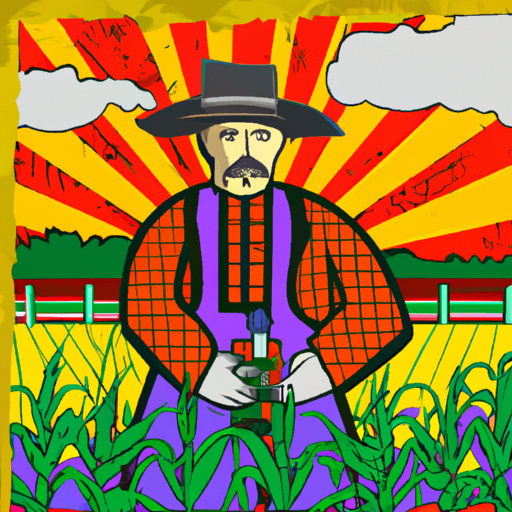
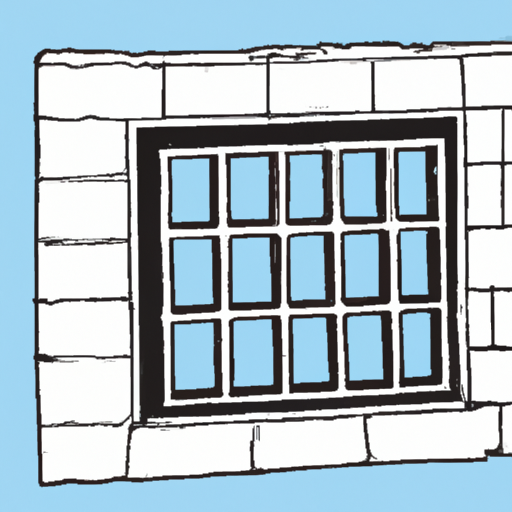
Example of visual style of Am Cassandre

Am Cassandre

Am Cassandre is a visual style created by Adolphe Jean-Marie Mouron, who is better known by his pseudonym, Cassandre. This style emerged in the early 20th century and gained prominence in the 1920s and 1930s. Cassandre was renowned for his innovative and avant-garde approach to graphic design, particularly in the realm of poster art. He revolutionized the field by incorporating elements of Cubism, Futurism, and Surrealism into his work. His bold use of colors, sharp geometric shapes, and dynamic compositions made his posters instantly recognizable and highly influential. Cassandre's iconic designs for companies like Dubonnet, Nord Express, and Normandie solidified his status as one of the most important graphic designers of his time.

View StyleExplore Style
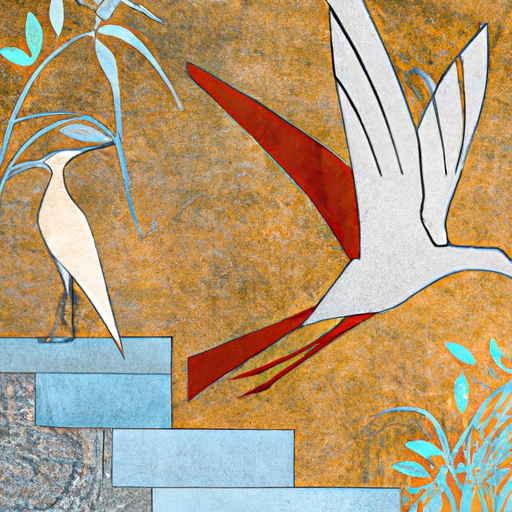
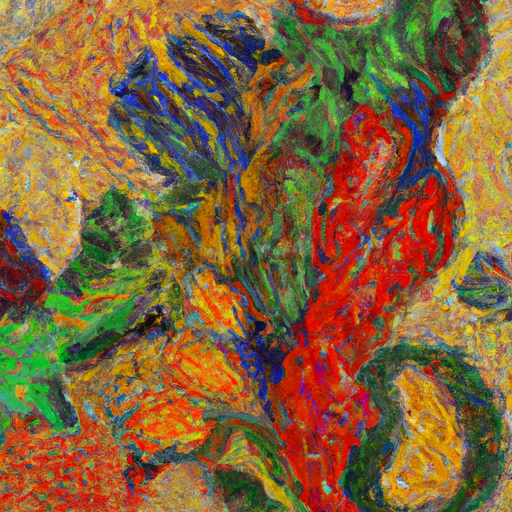
Example of visual style of Braque

Braque

Braque is a visual style developed by Georges Braque during the early 20th century. It is associated with the development of Cubism and was highly influential in the art world. Braque's style is characterized by the fragmentation and reassembling of objects, emphasizing multiple viewpoints. He was one of the pioneers of analytic cubism and collaborated closely with Pablo Picasso. Braque's work during the years 1908-1914 is particularly well-known, as it showcased his exploration of space, perspective, and the manipulation of form.

View StyleExplore Style
Example of visual style of Carlo Carrà

Carlo Carrà

Carlo Carrà was an Italian painter and one of the founders of the Futurist movement. Active primarily during the early 20th century, Carrà's artistic style evolved from Divisionism to Cubism and finally settled into a distinctive form of Futurism known as 'Metaphysical Art.' He is famous for his introspective and dreamlike paintings that depict eerie and abstracted urban landscapes with sharp lines, geometric forms, and a limited color palette. Carlo Carrà's artistic career reached its peak between 1910 and 1920, making him one of the key figures in the development of Italian modern art.

View StyleExplore Style
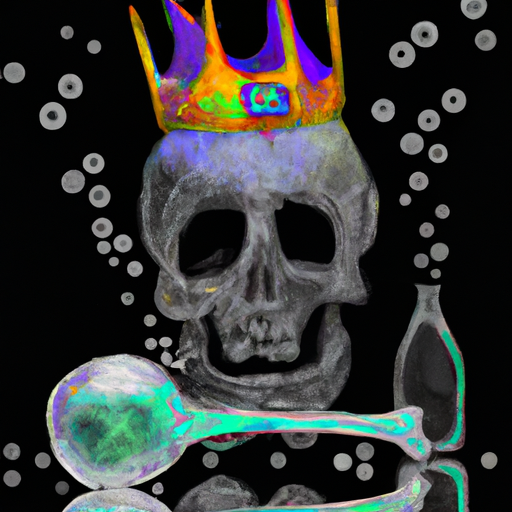
Example of visual style of Craniodsgn

Craniodsgn

Craniodsgn is a highly abstract and futuristic visual style that emerged in the early 2000s. This style gained popularity for its avant-garde and unique designs, blending elements of geometric shapes, vibrant colors, and digital effects. The use of intricate patterns and fragmented compositions characterizes Craniodsgn. It is influenced by various art movements such as Op Art and Cubism. Craniodsgn became famous due to its association with digital art and its representation of the rapidly advancing technological era.

View StyleExplore Style
Example of visual style of David Burliuk

David Burliuk

David Burliuk was a Russian avant-garde artist and writer who co-founded the Cubo-Futurist movement. He was active in the early 20th century, particularly between 1910 and 1920. Burliuk's style is characterized by abstract and geometric forms, vibrant colors, and a sense of dynamism and movement. He gained fame for his experimental approach to art, incorporating elements of both Cubism and Futurism. His works often depicted urban scenes, landscapes, and portraits, capturing the energy and modernity of the time.

View StyleExplore Style
Example of visual style of Enrico Prampolini

Enrico Prampolini

Enrico Prampolini was an Italian artist and set designer who played a significant role in the development of modern visual art in the early 20th century. He was renowned for his avant-garde and futuristic style, which combined elements of cubism, futurism, and constructivism. Prampolini's work became famous during the 1920s and 1930s, when he created innovative stage sets for ballet and theater productions. His use of geometric forms, bold colors, and dynamic compositions made him a pioneer of modern stage design. Prampolini's designs were characterized by a sense of movement, abstraction, and a futuristic aesthetic, which greatly influenced the visual language of the time.

View StyleExplore Style
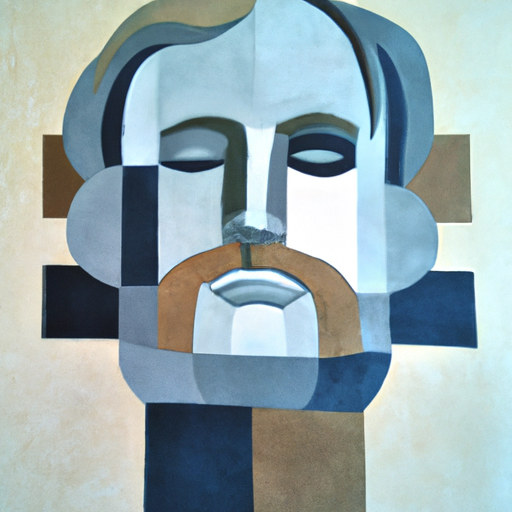
Example of visual style of Fernand Leger

Fernand Leger

Fernand Leger was a French painter and filmmaker who is known for his modernist style. He was active from the early 1900s to the mid-1950s. Leger is famous for creating artworks that emphasized machine aesthetics and depicted modern urban life. His paintings often feature bold colors, geometric shapes, and simplified forms. Leger's style is characterized by a combination of Cubism and Futurism, with a focus on industrial subjects and a sense of dynamism and movement.

View StyleExplore Style
Example of visual style of Jeanne Hebuterne

Jeanne Hebuterne

Jeanne Hebuterne is a visual style that emerged in the early 20th century. It is characterized by its strong influence from the art movements of Cubism and Fauvism. This style gained popularity during the years 1919 to 1920 and is known for its bold use of color, distorted forms and an emphasis on emotional expression. The style became famous for its unique blend of abstract representation and the portrayal of human emotions. Jeanne Hebuterne, a French artist and model, was a prominent figure within this style and her works contributed greatly to its recognition and popularity.

View StyleExplore Style
Example of visual style of Juan Gris

Juan Gris

Juan Gris was a Spanish painter and sculptor who was a leading figure in the art movement known as Cubism. He was active from around 1910 until his death in 1927. Gris is famous for his innovative approach to composition and his use of geometric forms and bright, bold colors. His works often feature everyday objects and musical instruments, and he was known for his meticulous attention to detail. Gris' style brought a new level of abstraction to Cubism, creating a sense of order and harmony in his paintings.

View StyleExplore Style
Example of visual style of Lee Krasner

Lee Krasner

Lee Krasner was an American abstract expressionist artist known for her unique visual style characterized by bold gestural brushwork, vibrant colors, and expressive compositions. Her style emerged in the late 1940s and continued throughout her career until her death in 1984. Krasner's work gained recognition for its energy and emotional intensity, drawing inspiration from her personal experiences and inner struggles. She was famous for incorporating elements of cubism and surrealism into her abstract paintings, creating a dynamic visual language that challenged traditional notions of representation. Krasner's innovative techniques and pioneering spirit made her a key figure in the development of abstract expressionism.

View StyleExplore Style
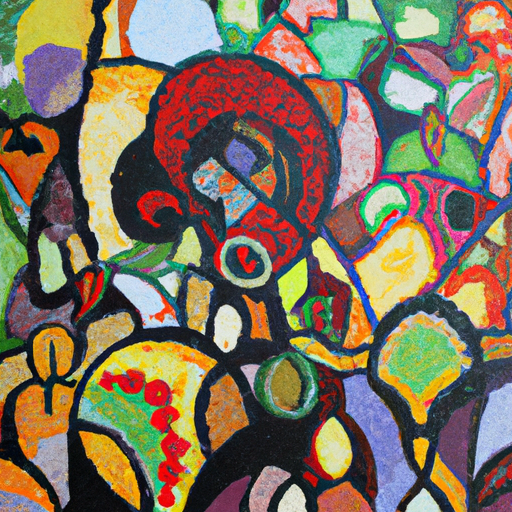
Example of visual style of Marc Chagall

Marc Chagall

Marc Chagall was a prominent artist known for his unique style that combined elements of Surrealism, Cubism, and Fauvism. Active during the early 20th century, Chagall's work became famous for its dreamlike and poetic imagery. His use of vibrant colors, floating objects, and distorted perspectives created a sense of fantasy and whimsy in his paintings. Chagall's distinctive style gained recognition for its ability to evoke emotions and capture the imagination of viewers.

View StyleExplore Style

Example of visual style of Pablo Picasso

Pablo Picasso

Pablo Picasso was a prolific and influential artist who is known for his exceptional creativity and diverse styles. He is most renowned for co-founding the Cubist movement, along with Georges Braque, during the early 20th century. Picasso's artistic journey spanned several periods, including the Blue Period, Rose Period, African art-inspired Period, and Surrealism. His works revolutionized the art world, challenging traditional representation and paving the way for abstract and avant-garde art. Picasso's style is characterized by a bold and innovative approach, marked by distorted forms, fragmented objects, multiple perspectives, and vibrant use of color. He pushed the boundaries of artistic expression, constantly experimenting with different techniques and materials.

View StyleExplore Style
Example of visual style of Paul Klee

Paul Klee

Paul Klee was a Swiss-German painter known for his distinct visual style that emerged during the early 20th century. Influenced by Expressionism, Cubism, and Surrealism, Klee's works are characterized by their abstract and highly imaginative nature. His art often features geometric shapes, intricate patterns, bold colors, and a whimsical quality. Klee's style gained fame throughout the 1920s and 1930s, and his emphasis on personal expression and symbolism made him an influential figure in modern art.

View StyleExplore Style
Example of visual style of Umberto Boccioni

Umberto Boccioni

Umberto Boccioni was an Italian painter and sculptor who was a leading figure in the Futurism movement. Active during the early 20th century, Boccioni is known for his dynamic and vibrant artworks that captured the essence of modern life. His style evolved from Divisionism to Cubism and later to Futurism, reflecting the changing artistic trends of the time. Boccioni's iconic pieces often depicted fast-moving subjects, industrialization, and the intersection of man and machine. His influential manifesto 'Futurist Painting: Technical Manifesto' solidified his reputation and made him famous. Boccioni's work remains significant in the history of modern art.

View StyleExplore Style
Home