StylopediaStylopedia

Comic strip styles on Stylopedia

A visual encyclopedia of comic strip styles – use as prompt inspiration for Midjourney, Gemini, or ChatGPT AI when making comic strip images

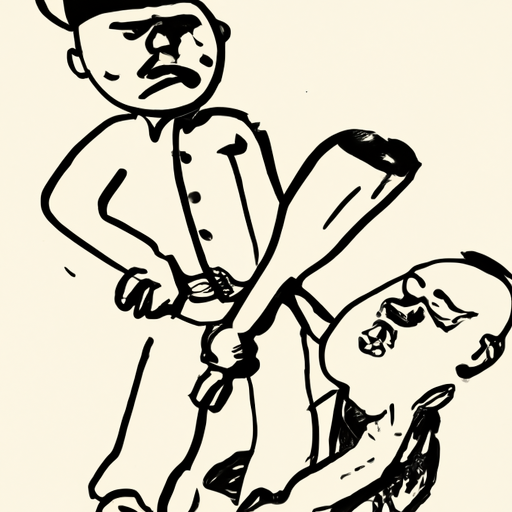
Example of visual style of Bill Watterson

Bill Watterson

Bill Watterson is known for his distinctive visual style that he developed in his comic strip 'Calvin and Hobbes', which ran from 1985 to 1995. His style is characterized by its expressive and detailed drawings, with a focus on the imaginative and playful world of a young boy named Calvin and his stuffed tiger friend, Hobbes. Watterson's use of dynamic poses, exaggerated facial expressions, and intricate background details helped bring his characters and their world to life. His comic strip gained widespread popularity and critical acclaim, earning him numerous accolades and a devoted fanbase.

View StyleExplore Style
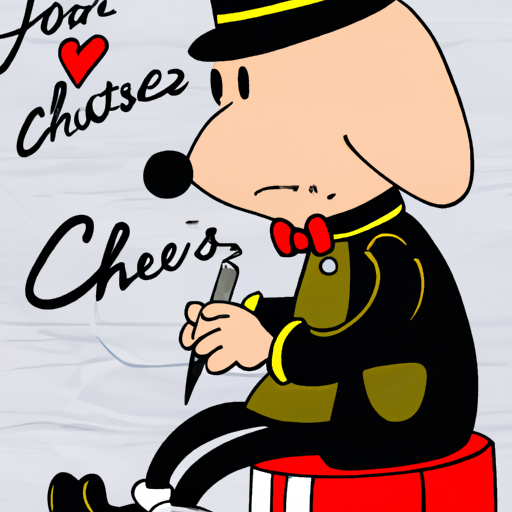
Example of visual style of Calvin And Hobbes

Calvin And Hobbes

Calvin and Hobbes is a comic strip that was created by Bill Watterson in 1985 and ran until 1995. The visual style of Calvin and Hobbes is characterized by its simple and expressive art, with clean lines and minimalistic backgrounds. The comic strip gained fame for its imaginative and philosophical storytelling, as well as its ability to tackle complex themes in a relatable and humorous manner. Calvin and Hobbes became famous for its wit, charm, and the endearing relationship between the young, imaginative boy Calvin and his wise and mischievous stuffed tiger, Hobbes.

View StyleExplore Style
Example of visual style of Charles M Schulz

Charles M Schulz

The Charles M Schulz visual style refers to the iconic art style created by American cartoonist Charles M Schulz. This style gained worldwide recognition through his long-running comic strip 'Peanuts', which was first published in 1950 and continued until Schulz's death in 2000. The simple yet expressive linework, minimal backgrounds, and distinctive character designs made this style famous. Schulz's work beautifully captured the humor, emotions, and complexities of everyday life, particularly through his beloved characters such as Charlie Brown, Snoopy, and Lucy.

View StyleExplore Style
Example of visual style of Charlie Brown

Charlie Brown

The visual style of Charlie Brown is a simplistic and minimalistic art style characterized by its hand-drawn, black and white comic strip aesthetic. This style was made famous through the popular comic strip 'Peanuts' created by Charles M. Schulz. Running from 1950 to 2000, 'Peanuts' explored the everyday lives and musings of a group of young children, with Charlie Brown as the central character. The distinctive visual style of 'Charlie Brown' became iconic and instantly recognizable, capturing the essence of childhood innocence and introspection.

View StyleExplore Style
Example of visual style of Jim Davis

Jim Davis

Jim Davis is an American cartoonist known for his iconic visual style in creating the comic strip Garfield. The style originated in the late 1970s and gained popularity throughout the 1980s and beyond. Davis's style is characterized by bold, clean lines, exaggerated and expressive characters, and a humorous and relatable portrayal of everyday life. The distinctive art style, combined with the witty writing, made Garfield a household name and one of the most successful comic strips of all time.

View StyleExplore Style
Home