StylopediaStylopedia

Classical styles on Stylopedia

A visual encyclopedia of classical styles – use as prompt inspiration for Midjourney, Gemini, or ChatGPT AI when making classical images

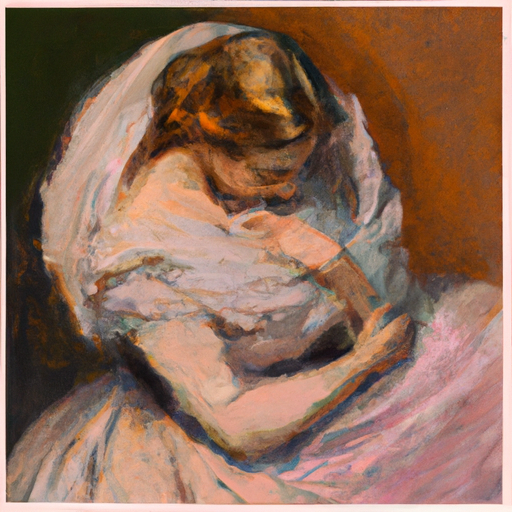
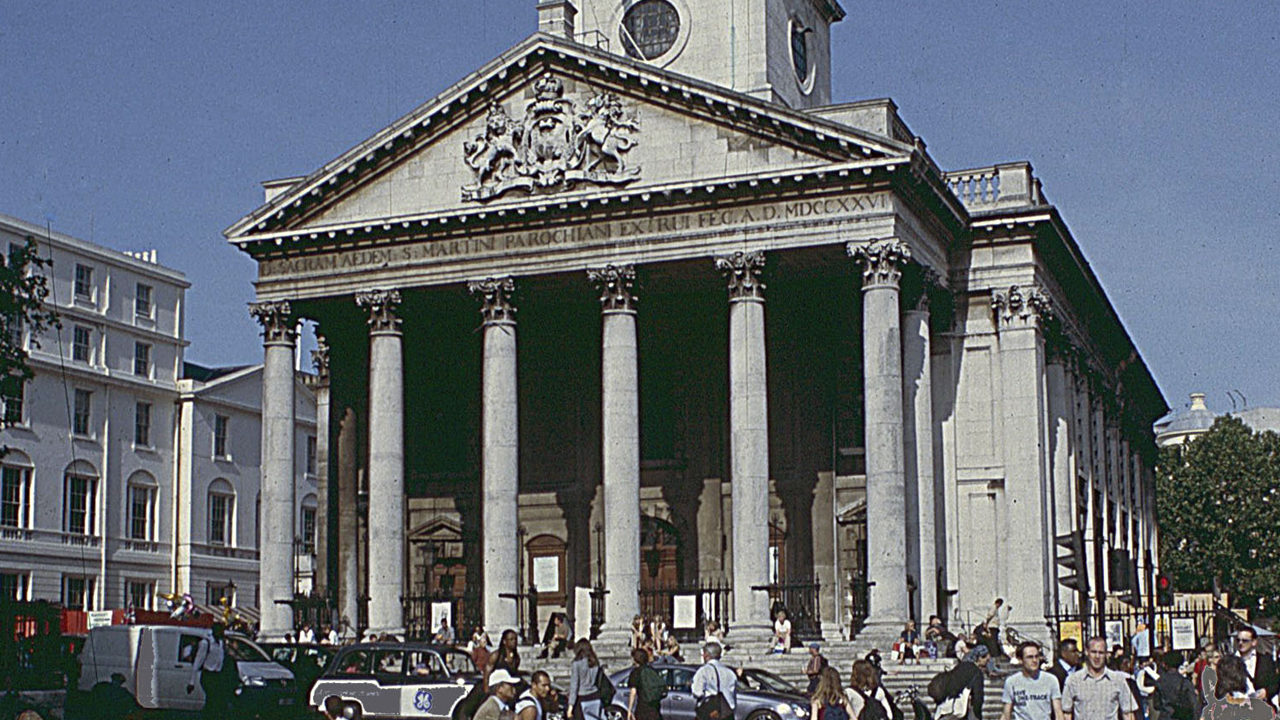
Example of visual style of Annibale Carracci

Annibale Carracci

Annibale Carracci was an Italian painter of the late 16th and early 17th centuries. He is widely recognized as one of the founders of the Baroque style of painting. Carracci's work is characterized by a naturalistic and classical approach, blending elements of Renaissance art with a new emphasis on dramatic effects and emotional expression. His famous works include 'The Assumption of the Virgin' (1600-1601) and 'The Flight into Egypt' (1603-1604). Carracci's innovative use of light and color, along with his skillful composition and attention to detail, made him a prominent figure in the development of the Baroque movement.

View StyleExplore Style
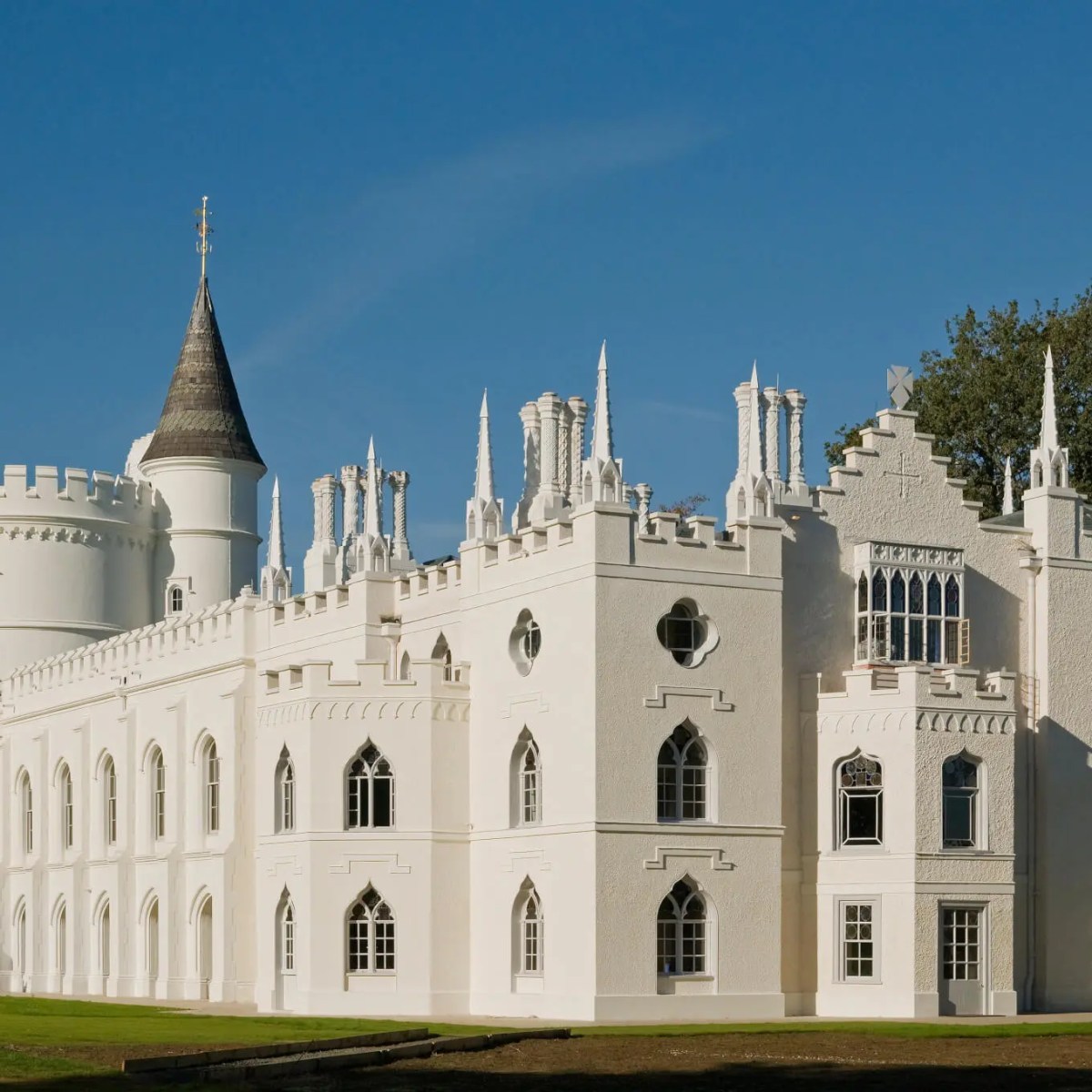
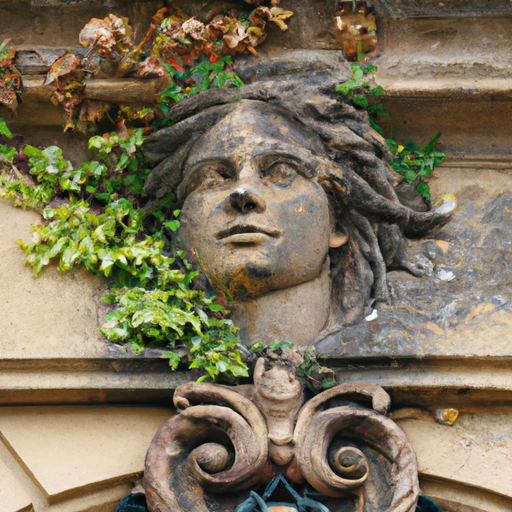
Example of visual style of Beaux Arts Architecture

Beaux Arts Architecture

Beaux Arts Architecture, also known as Ecole des Beaux-Arts style, was prevalent in the late 19th and early 20th centuries. It originated in France and became famous for its grandiose and ornate designs. This style emphasized classical forms, symmetry, and the use of lavish decorations. Beaux Arts architecture is characterized by its monumental facades, elaborate detailing, and grand public buildings such as museums, train stations, and government institutions.

View StyleExplore Style
Example of visual style of Beaux Arts Movement

Beaux Arts Movement

Beaux Arts Movement was a late 19th and early 20th-century architectural and artistic style that was famous for its grandiose and elaborate designs. It originated in France in the 19th century and spread to other parts of Europe and North America. This style was influential in the design of public buildings, particularly in the United States, and was characterized by a classical aesthetic, intricate ornamentation, and a sense of grandeur. It emphasized symmetry, proportion, and the use of classical architectural elements such as columns, domes, and arches.

View StyleExplore Style
Example of visual style of Beaux Arts Style

Beaux Arts Style

Beaux Arts Style, also known as Academic Art or French Renaissance Revival, was a prominent architectural and decorative arts style from the late 19th century to the early 20th century. It flourished between the years 1885 to 1920 and gained popularity in France and the United States. This style is characterized by its grandeur, classical references, and ornate detailing. Beaux Arts buildings often featured symmetrical facades, elaborate ornamentation, and a combination of different architectural elements like columns, pediments, and domes. The use of noble materials, such as marble, stone, and bronze, added to the luxurious appeal of this style. The Beaux Arts Style became famous through prominent architectural landmarks such as the Paris Opéra, Grand Central Terminal in New York City, and the Fine Arts Palace in San Francisco.

View StyleExplore Style
Example of visual style of Carrere And Hastings

Carrere And Hastings

Carrere And Hastings was a Beaux-Arts architectural firm founded in 1885 by John Merven Carrere and Thomas Hastings. They gained fame for their opulent and grandiose designs during the late 19th and early 20th centuries. Their architectural style embodied the Beaux-Arts movement, characterized by classical influences, symmetry, ornate detailing, and a sense of grandeur. Carrere And Hastings' designs were particularly prominent during the Gilded Age, with notable projects including the New York Public Library and the Standard Oil Building in New York City.

View StyleExplore Style
Example of visual style of Charles Ricketts

Charles Ricketts

Charles Ricketts was a British artist, designer, and writer known for his distinctive visual style during the late 19th and early 20th centuries. His style can be described as intricate, ornate, and highly detailed. Ricketts was particularly renowned for his skills in book design, typography, and woodcuts. He gained prominence in the late 1890s as a member of the Birmingham Group, a collective of artists who championed the Arts and Crafts movement. Ricketts' visual style became famous for its meticulous attention to detail, rich symbolism, and a fusion of classical and modern influences.

View StyleExplore Style
Example of visual style of Daniel Burnham

Daniel Burnham

The Daniel Burnham style is characterized by its grandeur and classical architectural elements. It emerged during the late 19th century and early 20th century in the United States. Daniel Burnham was a prominent architect and urban planner known for his neoclassical designs and monumental buildings. His works, such as the Flatiron Building in New York City and the Union Station in Washington D.C., became iconic symbols of the era. The style is characterized by its Beaux-Arts influence, incorporating symmetrical facades, elaborate ornamentation, and monumental scale. It represents the grand ambitions and progressiveness of the Gilded Age and its architectural feats have left a lasting impact on the American urban landscape.

View StyleExplore Style
Example of visual style of Erwin Olaf

Erwin Olaf

Erwin Olaf is a Dutch photographer known for his provocative and highly staged portraits. His work is characterized by a strong cinematic style and a meticulous attention to detail. He gained recognition in the 1990s for his series "Squares" and "Chessmen", which showcased his unique blend of classical and contemporary elements. Olaf's bold use of color, complex compositions, and often unsettling subject matter have made him a well-known figure in the world of contemporary photography.

View StyleExplore Style
Example of visual style of Greek Art

Greek Art

Greek Art refers to the visual arts and architecture produced in Ancient Greece from the 9th century BCE to the 1st century AD. This style is famous for its emphasis on naturalistic representation, idealized human figures, and symmetrical compositions. The period between the 5th and 4th centuries BCE, known as the Classical period, is particularly renowned for its contributions to Greek Art. The art of this period showcased balance, harmony, and a sense of ideal beauty. It influenced much of Western art and continues to be admired for its timeless aesthetics.

View StyleExplore Style
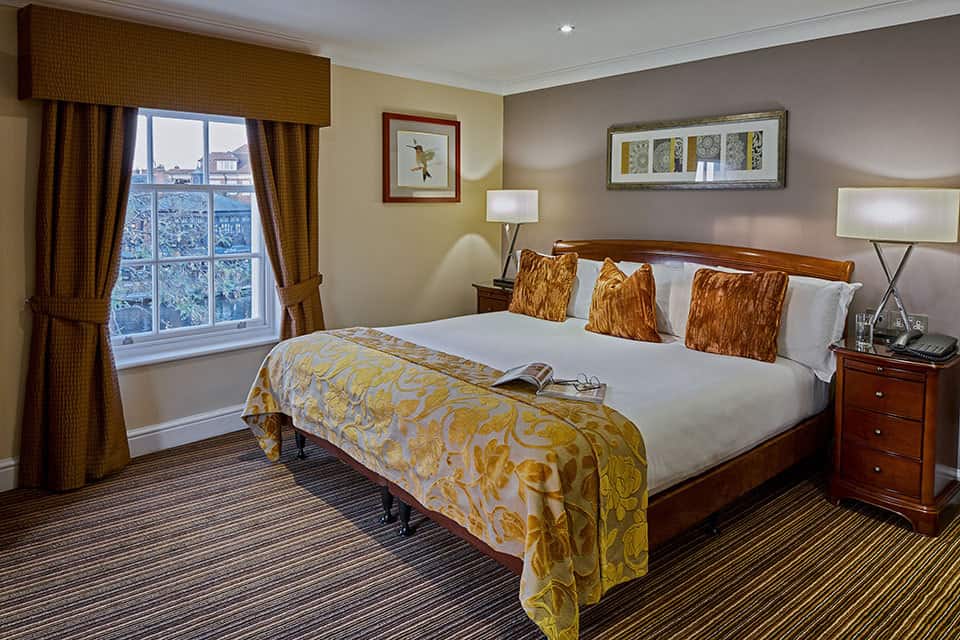
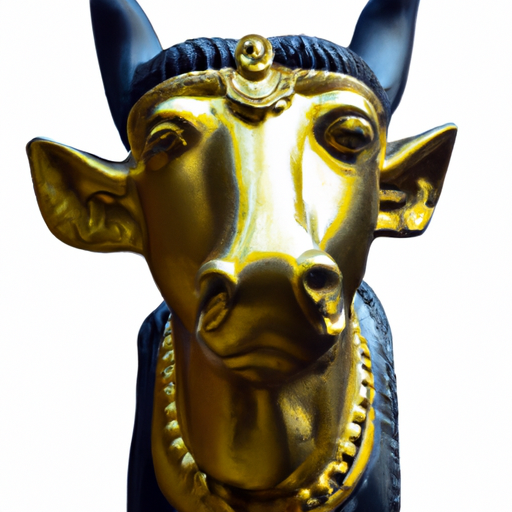
Example of visual style of Hermes Design

Hermes Design

Hermes Design is a luxurious and timeless visual style that gained prominence in the mid-20th century. It is named after the renowned French fashion and luxury brand, Hermes. This style is famous for its exquisite craftsmanship, refinement, and attention to detail. The design elements in Hermes Design often include clean lines, high-quality materials, and a balance between classical and modern aesthetics. It became particularly famous during the 1950s and 1960s, when the brand expanded its range beyond fashion accessories to include home decor and furnishings. The Hermes Design style exudes elegance, sophistication, and a sense of exclusivity.

View StyleExplore Style
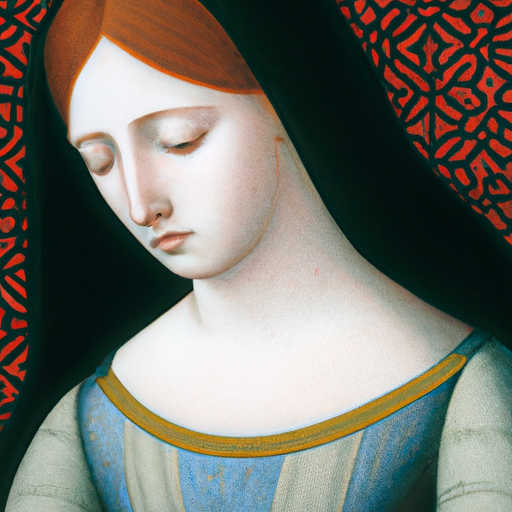
Example of visual style of Horst P Horst

Horst P Horst

Horst P Horst was a German-American fashion and portrait photographer who became famous for his elegant and glamorous style. Active from the 1930s to the 1990s, Horst's work epitomized the sophistication and refinement of the fashion industry during the mid-20th century. Known for his mastery of lighting and composition, Horst's photographs captured the essence of his subjects with a timeless and classical elegance. His iconic images of fashion, celebrities, and interiors graced the pages of Vogue and Harper's Bazaar, influencing generations of photographers. Horst's style reached its pinnacle in the 1940s and 1950s when he perfected his signature use of dramatic lighting, symmetrical arrangements, and graceful poses.

View StyleExplore Style
Example of visual style of Jethro Tull

Jethro Tull

Jethro Tull is a visual style that emerged in the late 1960s and is associated with the British progressive rock band of the same name. It became famous for its unique combination of folk, blues, and rock music, incorporating elements of classical music as well. Jethro Tull's visual style is characterized by an eclectic mix of psychedelic and medieval influences, reflected in their album cover art, stage performances, and music videos. This style gained popularity during the 1970s and continues to have a cult following till today.

View StyleExplore Style
Example of visual style of Joe Hisaishi

Joe Hisaishi

Joe Hisaishi is a Japanese composer and conductor known for his lush and emotive musical style. His music is often characterized by beautiful melodies, rich harmonies, and a combination of classical and contemporary elements. Hisaishi rose to fame in the 1980s through his collaboration with renowned filmmaker Hayao Miyazaki, creating the soundtracks for iconic animated films like 'My Neighbor Totoro' (1988) and 'Spirited Away' (2001), which brought him worldwide recognition.

View StyleExplore Style

Example of visual style of John Merven Carrere

John Merven Carrere

John Merven Carrere was an American architect known for his Beaux-Arts style which was popular during the late 19th and early 20th centuries. This style was famous for its grandeur and elegance, drawing inspiration from classical Greek and Roman architecture. Carrere's designs often featured symmetrical facades, ornate detailing, and a sense of monumentality. One of his most famous works is the New York Public Library, completed in 1911, which exemplifies the Beaux-Arts style and showcases Carrere's mastery.

View StyleExplore Style
Example of visual style of Joshua Reynolds

Joshua Reynolds

Joshua Reynolds was an influential English portrait painter during the 18th century. His style is characterized by a classical and formal approach, with a focus on capturing the likeness and personality of his subjects. Reynolds became famous for his ability to elevate portraiture into a refined art form, with his works demonstrating a balance between detailed realism and idealized beauty. His style reached its pinnacle in the 1770s and 1780s, when he served as the first President of the Royal Academy of Arts. Reynolds' artistry and emphasis on portraiture's significance in society played a crucial role in shaping the British art scene of his time.

View StyleExplore Style
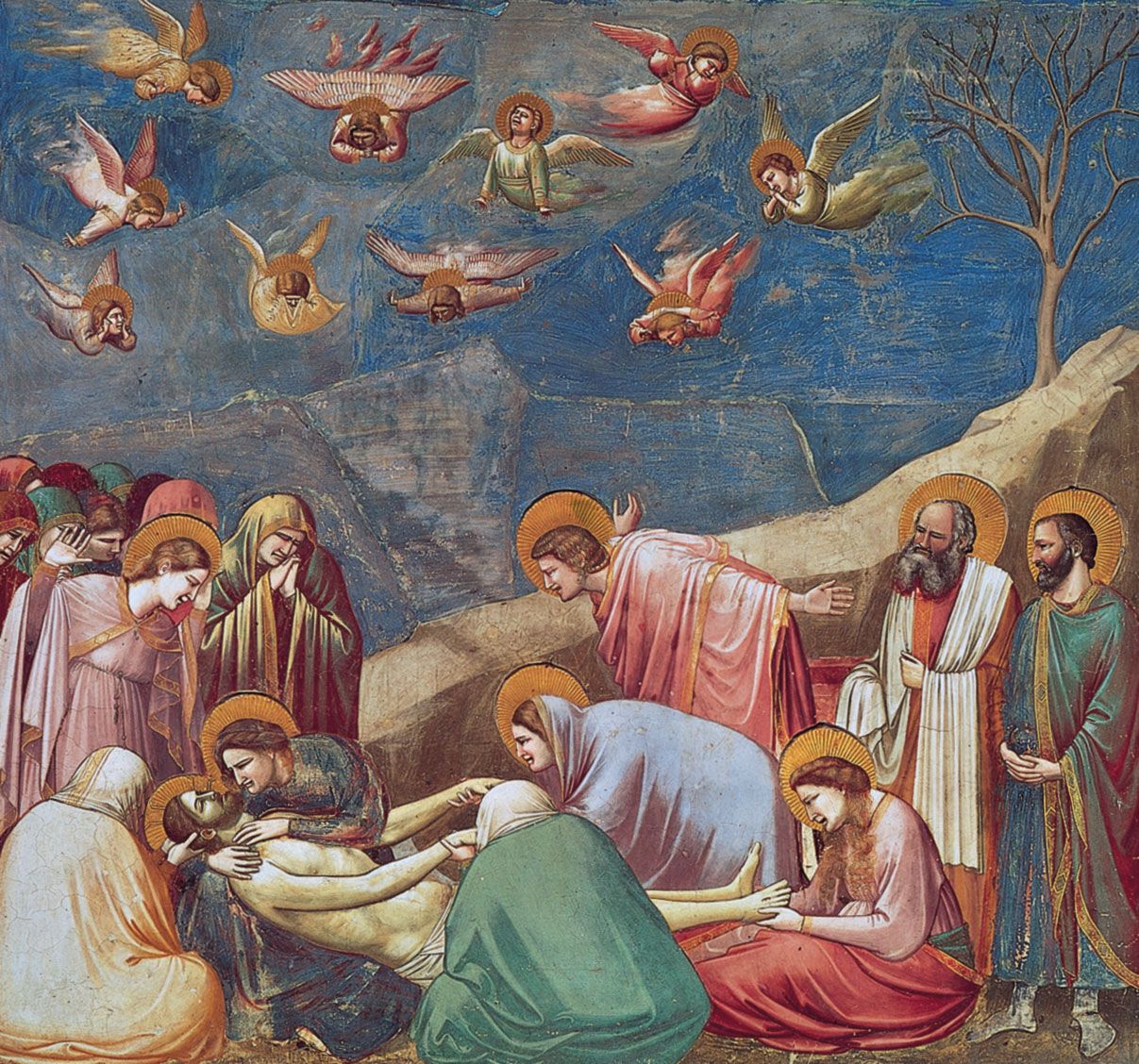
Example of visual style of Michael Graves

Michael Graves

The Michael Graves style emerged in the late 1970s and gained prominence in the 1980s. This postmodern architectural style is characterized by its colorful, playful and iconic designs. Michael Graves became famous for his use of bold geometric forms, classical elements, and whimsical details in his buildings and products. His style was known for combining influences from classical architecture with a contemporary twist, creating a unique and recognizable aesthetic.

View StyleExplore Style
Home