StylopediaStylopedia

Art deco styles on Stylopedia

A visual encyclopedia of art deco styles – use as prompt inspiration for Midjourney, Gemini, or ChatGPT AI when making art deco images

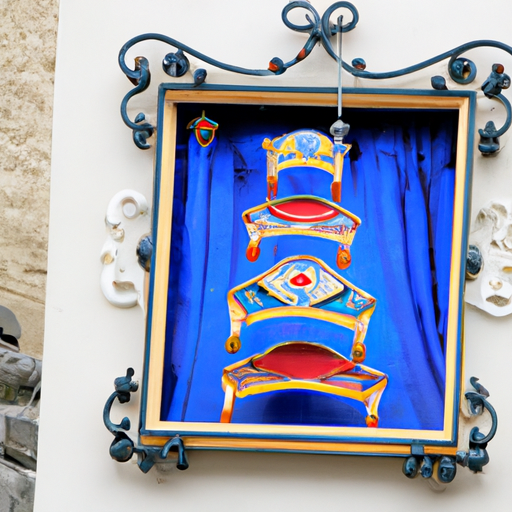
Example of visual style of Adolphe Mouron Cassandre

Adolphe Mouron Cassandre

Adolphe Mouron Cassandre was a French artist and designer best known for his iconic Art Deco poster designs in the 1920s and 1930s. His work is characterized by bold geometric shapes, simplified forms, and strong visual impact. Cassandre's designs often combined typography and graphic elements to create striking compositions. His innovative use of perspective, shadowing, and negative space made his posters instantly recognizable and influential. Cassandre's style reached its peak of popularity in the 1930s and his work continues to be celebrated as an important contribution to graphic design.

View StyleExplore Style
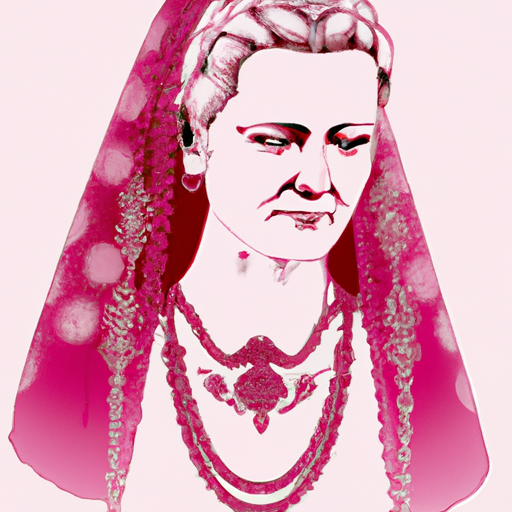
Example of visual style of Car Designers

Car Designers

Car Designers is a visual style associated with the field of automotive design. This style emerged in the early 20th century with the introduction of mass-produced automobiles. It became famous for its focus on functionality, aerodynamics, and aesthetics. Car designers have played a crucial role in shaping the automotive industry by creating iconic designs that reflect the spirit of their respective eras. Some important years for this style include the 1920s Art Deco era, the 1950s space-age design, and the current trend towards sleek, minimalist forms. Car Designers have brought innovation, engineering prowess, and artistic sensibility to the design of automobiles.

View StyleExplore Style
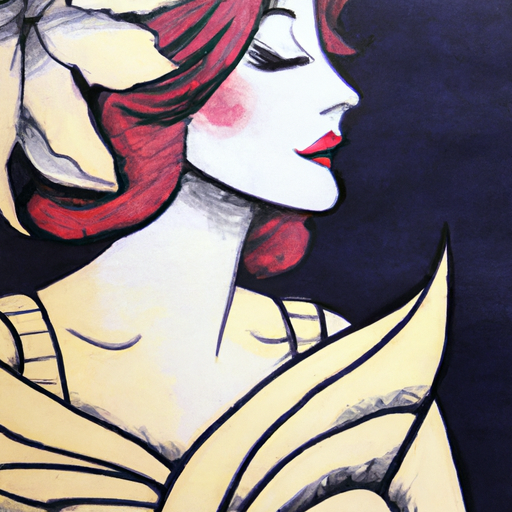
Example of visual style of Cassandre

Cassandre

Cassandre is a visual style named after the French graphic designer and painter A.M. Cassandre. This style emerged in the 1920s and became famous during the Art Deco era. Known for its bold geometric shapes and elegant typography, Cassandre's style revolutionized the world of advertising and graphic design. His iconic posters for companies like Dubonnet, Normandie, and the PLM railway perfectly captured the spirit of the time. The use of vibrant colors, simplified forms, and strong composition made Cassandre's designs visually striking. This style gained popularity for its innovative approach to advertising and its ability to communicate messages effectively.

View StyleExplore Style
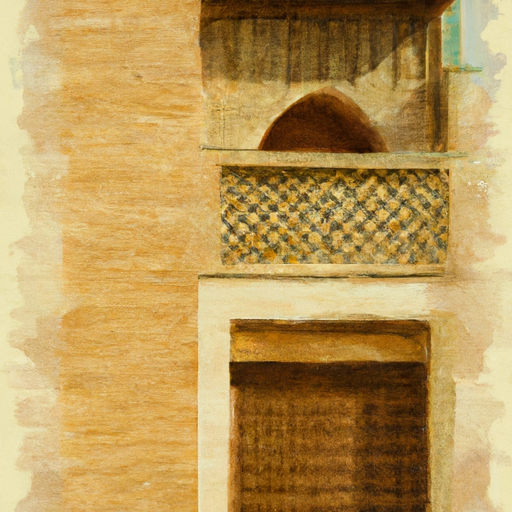
Example of visual style of Cosmopolitan

Cosmopolitan

Cosmopolitan is a visual style that emerged in the 1920s and became popular in the following decades. It is characterized by its glamorous and luxurious aesthetic, influenced by the Art Deco movement. The style is known for its bold, vibrant colors, sleek lines, and geometric shapes. It combines elements of modernism with a sense of extravagance and opulence. This visual style rose to fame during the Roaring Twenties, when Cosmopolitan magazine became an iconic publication that epitomized the glamorous lifestyle and aspirations of the modern woman. The era also saw the rise of Hollywood and the silver screen, which further popularized the Cosmopolitan style with its lavish sets and glamorous costumes.

View StyleExplore Style
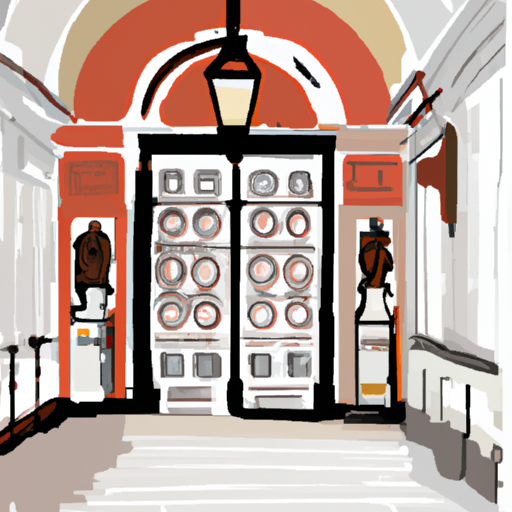
Example of visual style of Dubonnet

Dubonnet

Dubonnet is a visual style that emerged in the 1920s and became famous for its luxurious and elegant design. It originated from the Art Deco movement and reached its peak in the 1930s. Dubonnet is characterized by its bold geometric shapes, rich colors, and lavish decorative elements. This style gained popularity due to its association with the glamorous and sophisticated lifestyle of the time, with wealthy individuals and socialites embracing its opulent aesthetic.

View StyleExplore Style
Example of visual style of Erté

Erté

Erte, also known as Romain de Tirtoff, was a Russian-born French artist and designer. He was active primarily in the 1920s and 1930s and became well-known for his distinct Art Deco style. Erte's work was characterized by its elegance and glamour, drawing inspiration from a variety of sources including fashion, theater, and architecture. His intricate and stylized illustrations and designs were featured in fashion magazines, stage productions, and even Hollywood films, making him a prominent figure in the Art Deco movement.

View StyleExplore Style
Example of visual style of Georgia Green

Georgia Green

Georgia Green is a visual style that emerged in the early 20th century. It rose to prominence between the 1920s and 1950s. This style became famous for its vibrant use of the color green, inspired by the lush landscapes of Georgia. It features bold and organic shapes, incorporating elements from nature such as leaves, trees, and floral motifs. Georgia Green is often associated with Art Deco and the Art Nouveau movements, as it shares a similar emphasis on natural forms and decorative patterns.

View StyleExplore Style
Example of visual style of Historical Contemporary Fusion

Historical Contemporary Fusion

Historical Contemporary Fusion is a visually striking style that seamlessly blends elements of historical and contemporary design. It gained popularity in the late 20th century and continues to influence design today. The style combines classic design elements from various historical periods, such as Baroque, Rococo, Art Deco, and Mid-century Modern, with contemporary aesthetics and materials. This fusion creates a unique visual language that attracts attention and sparks intrigue.

View StyleExplore Style
Example of visual style of Mae West

Mae West

Mae West is a visual style popular during the Art Deco era in the 1920s and 1930s. Known for its extravagant and glamorous design, Mae West style was named after the famous American actress and sex symbol of the time, Mae West. This style is characterized by sleek and curvaceous forms, bold geometric shapes, rich colors, and the use of luxurious materials such as satin, velvet, and chrome. The Mae West style often featured exaggerated, voluptuous lines inspired by the curves of the female body. It became famous for its association with Hollywood glamour and the luxurious lifestyle of the era.

View StyleExplore Style
Example of visual style of Manhattan

Manhattan

Manhattan visual style emerged in the 1940s and 1950s, gaining popularity during the mid-20th century. It is characterized by its sleek, sophisticated, and glamorous aesthetic. The style draws inspiration from the Art Deco movement and the modernist architecture of New York City. Manhattan style became famous for its clean lines, geometric shapes, and the use of luxurious materials, such as glass, steel, and polished wood. The style reflects the post-war optimism and the booming economy of the United States during that period.

View StyleExplore Style

Example of visual style of Queen

Queen

Queen is a visually flamboyant style that emerged in the 1970s and became famous through the band of the same name. It is characterized by extravagant and theatrical costumes, bold and vibrant colors, and intricate designs. The style gained popularity during the heyday of Queen, particularly in the years 1973-1991, and is synonymous with the band's lead vocalist, Freddie Mercury. Queen's visual style combined elements of glam rock, art deco, and fantasy, creating a unique and unforgettable aesthetic.

View StyleExplore Style
Example of visual style of Rene Lalique

Rene Lalique

Rene Lalique is a visual style that emerged in the late 19th and early 20th centuries. It is known for its exquisite glasswork and jewelry designs. Lalique's style became famous for its innovative use of materials, such as glass, horn, and precious gemstones, combined with intricate designs inspired by nature. His works gained popularity during the Art Nouveau movement in the late 1800s and later flourished during the Art Deco period in the 1920s. Lalique's designs are characterized by their sensual curves, fluid lines, and motifs depicting flora, fauna, and mythical creatures. The delicate craftsmanship and attention to detail made Lalique's creations highly sought after by art collectors and enthusiasts.

View StyleExplore Style

Example of visual style of Roaring Twenties

Roaring Twenties

The Roaring Twenties visual style refers to the period between 1920 and 1929, best known for its extravagant and exuberant aesthetic. It was a time of great social, economic, and cultural change marked by innovation, new freedoms, and a desire for modernity. The style became famous for its opulence, glitz, and glamour, characterized by sleek geometric lines, bold colors, and lavish ornamentation. This period saw the rise of Art Deco, which heavily influenced architecture, fashion, interior design, and graphic design.

View StyleExplore Style
Example of visual style of Roger Broders

Roger Broders

Roger Broders was a French artist known for his travel posters during the 1920s and 1930s. His posters became famous for their vibrant colors, bold typography, and stylized Art Deco illustrations. Broders' work captured the essence of the Art Deco era and the luxury and glamour of travel. He worked for various travel companies, creating posters that enticed people to visit popular destinations like the French Riviera, the Alps, and the Mediterranean. Broders' style became iconic for its ability to evoke a sense of excitement and adventure.

View StyleExplore Style
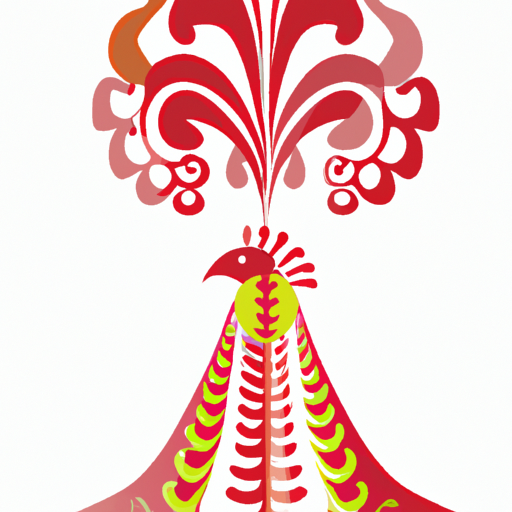
Example of visual style of Ss Normandie

Ss Normandie

The visual style of Ss Normandie, a luxury ocean liner built in the 1930s, is often referred to as the epitome of Art Deco. With its sleek lines, geometric shapes, and vibrant colors, this style became synonymous with the elegance and glamour of the time. Launched in 1932, Ss Normandie's interior and exterior designs were a collaborative effort by numerous artists, architects, and designers. Its famous features include the grand staircase, glass ceilings, and extensive use of mirrored surfaces. Ss Normandie's visual style continues to influence contemporary design even today.

View StyleExplore Style
Example of visual style of Tamara De Lempicka

Tamara De Lempicka

Tamara De Lempicka is known for her Art Deco style, which emerged during the 1920s and 1930s. Her bold and glamorous paintings captivated the Art Deco movement and showcased the modernity and decadence of the era. With sleek lines, geometric shapes, vibrant colors, and a focus on luxurious and fashionable subjects, De Lempicka became an icon of the Roaring Twenties. Her combination of Cubist influences and classical techniques created a unique visual language that defined her distinctive style. De Lempicka's works continue to be celebrated for their elegance, sophistication, and timeless allure.

View StyleExplore Style
Example of visual style of Vintage Hollywood

Vintage Hollywood

Vintage Hollywood refers to the visual style of the iconic film industry in the 1920s to 1950s. It represents the glamorous and enchanting era of Hollywood's golden age, which produced timeless classics. The style became famous for its opulent sets, elegant costumes, and glamorous cinematography. With its black and white films and later Technicolor productions, Vintage Hollywood created a captivating and luxurious atmosphere that continues to influence modern cinema.

View StyleExplore Style
Example of visual style of Walter Dorwin Teague

Walter Dorwin Teague

Walter Dorwin Teague was an American industrial designer who was influential during the 1920s to the 1950s. His style, often referred to as the 'Teague Style', was characterized by streamlined and modern designs. Teague's innovative use of materials, attention to detail, and focus on functionality made his designs famous. His work during the Art Deco period in the 1920s and 1930s, particularly his designs for consumer products and exhibition pavilions, brought him significant recognition.

View StyleExplore Style
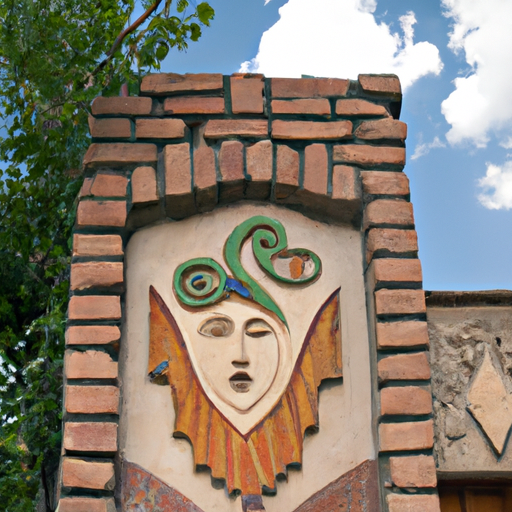
Example of visual style of Willy Pogany

Willy Pogany

Willy Pogany was a Hungarian-American artist and illustrator known for his distinctive Art Nouveau and Art Deco style. Active in the late 19th and early 20th centuries, Pogany's work became famous for its intricate detail, graceful lines, and vibrant colors. His illustrations often featured fantastical and mythological themes, capturing the imagination of viewers. Pogany gained recognition for his illustrations in books such as 'The Rime of the Ancient Mariner' and 'The Rubaiyat of Omar Khayyam'. His style became influential and popular during the height of the Art Nouveau movement in the late 19th century and continued to be praised during the Art Deco era of the 1920s and 1930s.

View StyleExplore Style
Home