StylopediaStylopedia

Architecture styles on Stylopedia

A visual encyclopedia of architecture styles – use as prompt inspiration for Midjourney, Gemini, or ChatGPT AI when making architecture images

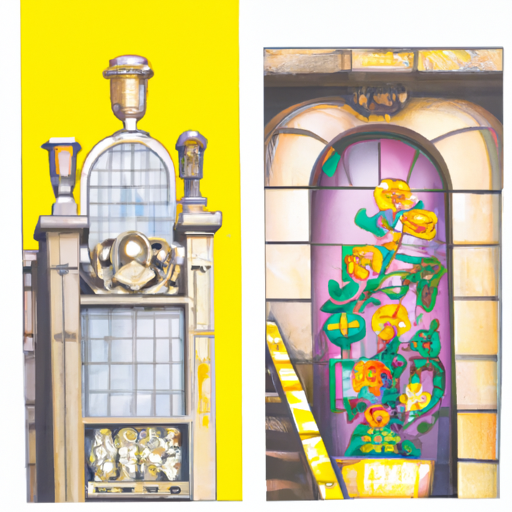
Example of visual style of Alex McDowell

Alex McDowell

The visual style of Alex McDowell is futuristic and immersive, blending architecture, technology, and storytelling in a seamless way. McDowell became famous for his groundbreaking work as a production designer in the late 1990s and early 2000s, bringing his unique visions to life in films like 'Fight Club' (1999), 'Minority Report' (2002), and 'The Terminal' (2004). His use of intricate set designs, innovative use of digital technologies, and meticulous attention to detail created visually stunning and fully realized worlds, transporting audiences into the future.

View StyleExplore Style
Example of visual style of American Modernism

American Modernism

American Modernism refers to a diverse artistic and cultural movement that emerged in the United States from the late 19th century to the mid-20th century. It gained prominence in the 1910s and continued to flourish throughout the 1930s. This style is characterized by a departure from traditional forms and a embrace of experimentation and innovation. American Modernism encompassed various art forms, including painting, sculpture, photography, architecture, literature, and design. Notable artists, such as Georgia O'Keeffe, Edward Hopper, and Charles Sheeler, were associated with this style.

View StyleExplore Style
Example of visual style of Arabesque

Arabesque

Arabesque is a highly decorative and intricate visual style that emerged during the Islamic Golden Age in the 8th century and reached its peak in popularity during the Renaissance. It is characterized by the extensive use of flowing and interlacing patterns inspired by nature, such as plants, flowers, and geometric shapes. Arabesque became famous for its symmetrical designs, precise craftsmanship, and intricate details that were often seen in architecture, textiles, ceramics, and manuscripts.

View StyleExplore Style
Example of visual style of Art Deco

Art Deco

Art Deco is a visual style that emerged in the 1920s and 1930s, reaching its peak popularity in the 1920s. It is characterized by geometric shapes, clean lines, and bold colors. Art Deco became famous for its elegant and luxurious aesthetics, inspired by modern technology and the industrialization of the time. It combined traditional craftsmanship with the use of modern materials, such as chrome, glass, and lacquer. The style was often associated with wealth, glamour, and luxury, and it was seen in architecture, interior design, fashion, and visual arts.

View StyleExplore Style

Example of visual style of Arts And Crafts Movement

Arts And Crafts Movement

The Arts and Crafts Movement emerged in the late 19th century and became prominent between the 1880s and 1910s. It originated in England and was motivated by a desire to revive traditional craftsmanship in response to the industrial age. Led by influential figures like William Morris, it sought to reunite artistry and production, prioritizing quality craftsmanship, handmade objects, and simple forms. The movement celebrated the beauty of natural materials and emphasized the importance of handmade goods. The Arts and Crafts Movement was a response to mass production, promoting the idea of 'art for all' and influenced various design fields, including architecture, interior design, and decorative arts.

View StyleExplore Style
Example of visual style of Bauhaus Design

Bauhaus Design

Bauhaus Design, which emerged in Germany in the early 20th century, is often associated with the years 1919-1933 when the Bauhaus school existed. It became famous for its innovative approach to art, architecture, and design. Bauhaus aimed to blend craftsmanship and mass production, combining functionality with aesthetic simplicity. It emphasized geometric shapes, clean lines, and a lack of unnecessary ornamentation. Bauhaus Design also influenced typography, interior design, and furniture. Its focus on merging art with technology and its strong impact on modernism made it internationally renowned.

View StyleExplore Style
Example of visual style of Central Asian Art

Central Asian Art

Central Asian Art refers to the visual style that emerged in the Central Asian region, encompassing countries such as Kazakhstan, Kyrgyzstan, Tajikistan, Turkmenistan, and Uzbekistan. This style developed over centuries and reached its peak during the Islamic Golden Age (8th to 14th centuries) and the Timurid Empire (14th to 15th centuries). Central Asian Art is famous for its intricate geometric patterns, vibrant colors, and richly ornamented composition. It is heavily influenced by the Islamic artistic traditions, combining elements of Persian, Arab, and Turkic cultures. This art style is known for its use of calligraphy, ceramics, metalwork, textiles, and architecture.

View StyleExplore Style
Example of visual style of Charles Eames

Charles Eames

The Charles Eames visual style emerged during the mid-20th century, from the 1940s to the 1970s. It is known for its innovative and iconic designs in furniture, architecture, and industrial design. Charles Eames, along with his wife Ray Eames, pioneered the use of new materials, especially molded plywood, in their creations. Their furniture pieces, such as the Eames Lounge Chair and Ottoman, became famous for their combination of comfort, functionality, and elegance. The Eameses' designs were characterized by clean lines, organic shapes, and a balance between form and function.

View StyleExplore Style

Example of visual style of El Lissitzky

El Lissitzky

El Lissitzky, also known as Lazar Markovich Lissitzky, was a Russian artist, designer, and architect. Active during the early 20th century, Lissitzky was a prominent figure in the Russian avant-garde movement. He is known for his unique and influential style that combined geometric forms, bold colors, and dynamic compositions. Lissitzky's work in various mediums such as painting, typography, photomontage, and architecture played a significant role in the development of modern art and design. His innovative use of abstract shapes, asymmetry, and the integration of typography into visual compositions brought a fresh and dynamic approach to visual communication and had a lasting impact on graphic design and the Constructivist movement.

View StyleExplore Style
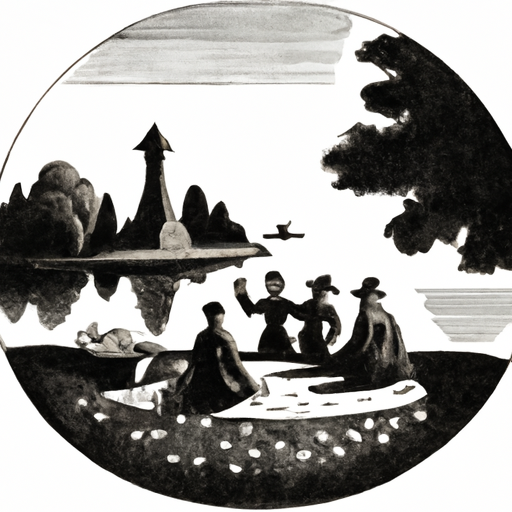
Example of visual style of Eugene Viollet Le Duc

Eugene Viollet Le Duc

Eugene Viollet Le Duc was a 19th-century French architect and theorist known for his restorations of medieval architecture. His work became famous for its careful and meticulous restoration of historical buildings, such as the Notre-Dame Cathedral in Paris and the fortified city of Carcassonne. Le Duc's style emphasized a faithful and creative interpretation of the original architectural elements, combining historical accuracy with his own artistic vision.

View StyleExplore Style
Example of visual style of Eusebi Guell

Eusebi Guell

Eusebi Guell is a visual style that emerged in the late 19th century and early 20th century. It is named after the famous Spanish entrepreneur and patron of the arts, Eusebi Guell, who played a crucial role in promoting this style. Eusebi Guell style is characterized by its combination of traditional and modern elements, often incorporating ornate details, vibrant colors, and organic motifs. This style gained popularity during the Catalan Modernism movement and is famous for its integration of architecture, design, and decorative arts. Notable years for this style range from the late 1800s to the early 1900s, with its influence continuing to the present day.

View StyleExplore Style
Example of visual style of Islamic Architecture

Islamic Architecture

Islamic Architecture is a distinct architectural style that emerged in the 7th century and continues to be influential today. It is characterized by its emphasis on geometric patterns, ornate calligraphy, and intricate tilework. The architectural style became famous during the golden age of Islamic civilization from the 9th to the 13th century, when magnificent structures such as the Great Mosque of Cordoba and the Alhambra were built. Islamic Architecture is known for its use of domes, arches, and minarets, as well as its unique blend of artistic and architectural elements from various regions such as the Middle East, North Africa, and Spain.

View StyleExplore Style
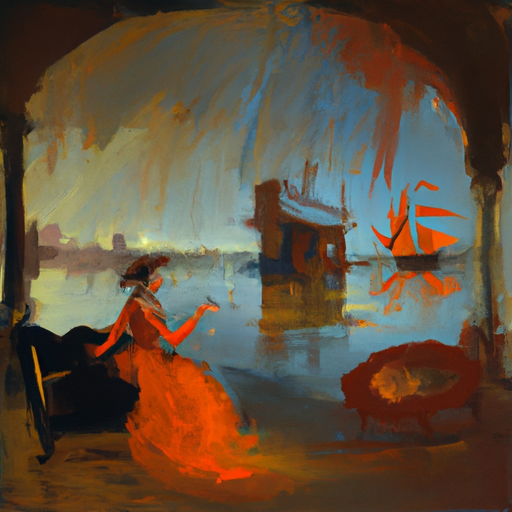
Example of visual style of Jean Leon Gerome

Jean Leon Gerome

The visual style of Jean Leon Gerome, a French painter and sculptor active in the 19th century, is characterized by highly detailed and academic realism. Known for his historical and orientalist subjects, his works gained popularity in the mid-1800s due to their technical precision and exotic themes. Gerome's paintings often depict scenes from ancient civilizations and the Middle East, capturing intricate architectural details and luxurious settings. His meticulous attention to lighting and textures, along with a focus on narrative storytelling, helped establish his reputation as a renowned artist.

View StyleExplore Style
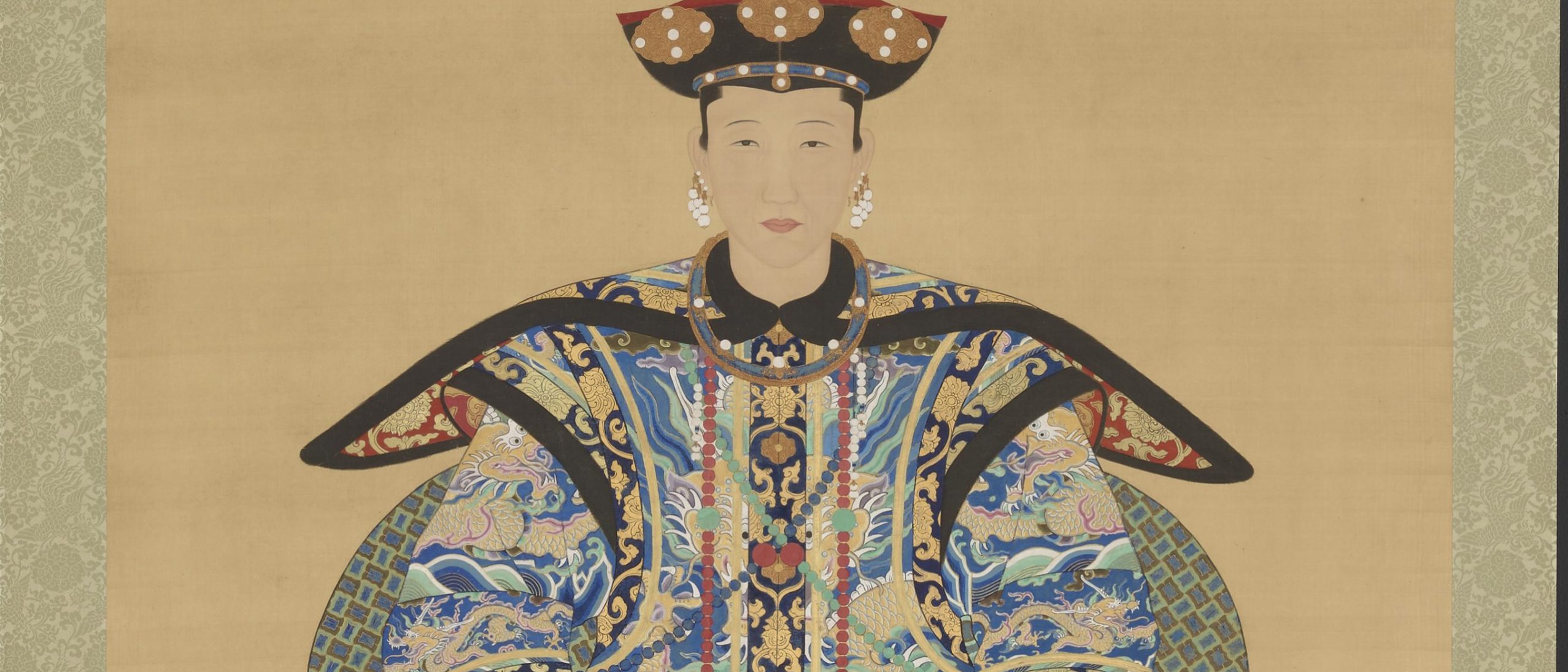
Example of visual style of Joseon Dynasty

Joseon Dynasty

The Joseon Dynasty was a Korean dynastic kingdom that lasted for over 500 years from 1392 to 1897. The visual style of the Joseon Dynasty is characterized by its traditional and elegant aesthetics, which reflected the Confucian principles of the time. It is famous for its emphasis on simplicity, balance, and harmony in both its architecture and visual arts. The dynasty's golden age of cultural achievements occurred during the 15th and 16th centuries, with notable advancements in literature, ceramics, and painting.

View StyleExplore Style
Example of visual style of Korean Mythology

Korean Mythology

Korean Mythology is a visual style that draws inspiration from the ancient myths and folklore of Korea. It showcases the unique and vibrant aesthetic present in Korean culture, often incorporating elements such as nature, spirituality, and symbolism. This style became particularly famous during the Joseon Dynasty (1392-1897), when it was widely used in traditional paintings, architecture, and decorative arts. It gained popularity through the intricate depictions of mythical creatures, celestial beings, and epic tales, capturing the imagination of both locals and foreigners.

View StyleExplore Style
Example of visual style of Leon Battista Alberti

Leon Battista Alberti

Leon Battista Alberti was an Italian Renaissance architect, art theorist, and humanist. He is best known for his book 'De re aedificatoria' (On the Art of Building), which outlined the principles of architecture and influenced the development of Renaissance architecture. The style associated with Alberti is characterized by balance, symmetry, and classical proportions. It emphasizes the use of geometric forms, such as arches, columns, and domes. Alberti's ideas and writings played a significant role in the revival of classical architecture during the Renaissance.

View StyleExplore Style
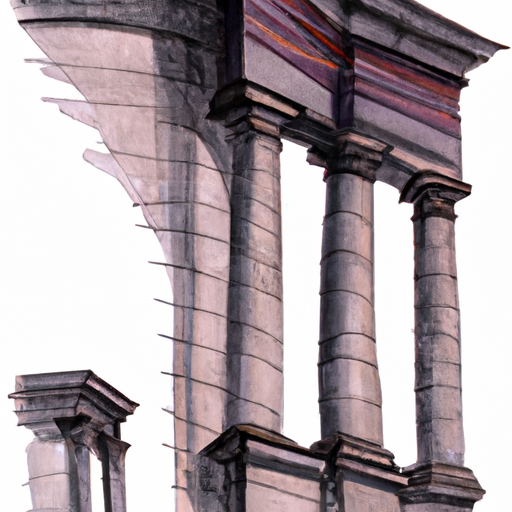
Example of visual style of Neoclassical Style

Neoclassical Style

The Neoclassical Style emerged in the late 18th century and reached its peak in the early 19th century. It was inspired by the classical art and architecture of ancient Greece and Rome. Neoclassical artists sought to revive the ideals of order, reason, and simplicity that characterized the classical period. Famous for its clean lines, symmetry, and restrained elegance, this style was highly influential in the fields of architecture, sculpture, painting, and design during the time of the French Revolution and Napoleonic era.

View StyleExplore Style
Example of visual style of Per Kirkeby

Per Kirkeby

Per Kirkeby was a Danish painter, sculptor, and writer. His style, which emerged in the 1960s, can be described as a blend of abstract expressionism and architecture. Kirkeby's paintings often feature bold, gestural brushstrokes and a rich palette of earthy colors. He was deeply influenced by geological formations and landscapes, which he incorporated into his work. Kirkeby gained fame in the 1980s through his large-scale murals and sculptures that adorned public spaces. Known for his versatility, Kirkeby also experimented with various mediums such as printmaking, sculpture, and even poetry. His distinctive style and multidisciplinary approach made him a prominent figure in the contemporary art world.

View StyleExplore Style
Home