StylopediaStylopedia

Animation styles on Stylopedia

A visual encyclopedia of animation styles – use as prompt inspiration for Midjourney, Gemini, or ChatGPT AI when making animation images

Example of visual style of Akira

Akira

The visual style of Akira is a blend of cyberpunk and post-apocalyptic aesthetics. Released in 1988, this iconic animated film directed by Katsuhiro Otomo is renowned for its groundbreaking animation techniques and dystopian imagery. Set in a futuristic Neo-Tokyo, Akira depicts a world in chaos, with towering cityscapes, abandoned buildings, and a mix of high-tech and decaying environments. The film's use of vibrant colors and intense lighting techniques, along with its detailed and fluid animation, have made it a landmark in the realm of anime.

View StyleExplore Style

Example of visual style of Andreas Deja

Andreas Deja

Andreas Deja is a renowned animator known for his distinctive style characterized by strong and bold lines, dynamic poses, and expressive characters. He is best known for his work at Walt Disney Animation Studios, especially his contributions to famous Disney characters like Scar from 'The Lion King', Gaston from 'Beauty and the Beast', and Jafar from 'Aladdin'. Deja's work became particularly famous in the 1990s, during the Disney Renaissance era, when his characters brought a new level of complexity and personality to the screen.

View StyleExplore Style
Example of visual style of Animation Design

Animation Design

Animation Design is a visual style that involves the creation of moving images using various techniques like hand-drawn, stop-motion, computer-generated, and more. It gained prominence in the early 20th century with the introduction of animated films like Snow White and the Seven Dwarfs (1937) which showcased the potential of animation as a storytelling medium. Animation Design combines art and technology to bring inanimate objects or characters to life, captivating audiences with its whimsical and immersive worlds.

View StyleExplore Style
Example of visual style of Anime Art

Anime Art

Anime Art is a popular visual style originating from Japan. It gained significant prominence in the 1980s and has since become a global phenomenon. Anime Art is characterized by its distinctive and vibrant animation, often featuring colorful and exaggerated characters with large, expressive eyes. This style incorporates elements of traditional Japanese art and culture, mixed with modern influences. It is known for its wide variety of genres, including action, fantasy, romance, and science fiction, which have contributed to its immense popularity worldwide.

View StyleExplore Style
Example of visual style of Anime Style Graphics

Anime Style Graphics

Anime Style Graphics is a distinctive and popular style of animation originating from Japan. This style rose to prominence in the 1960s and has since become a global phenomenon. Known for its vibrant colors, exaggerated features, and expressive facial expressions, anime has captivated audiences with its unique storytelling and imaginative worlds. It combines elements of traditional Japanese art with influences from Western animation. Anime Style Graphics gained widespread recognition through iconic series like Dragon Ball, Sailor Moon, and Naruto, as well as films by renowned directors like Hayao Miyazaki. Its fusion of fantasy, action, and emotional depth continues to make it a celebrated and influential visual style worldwide.

View StyleExplore Style
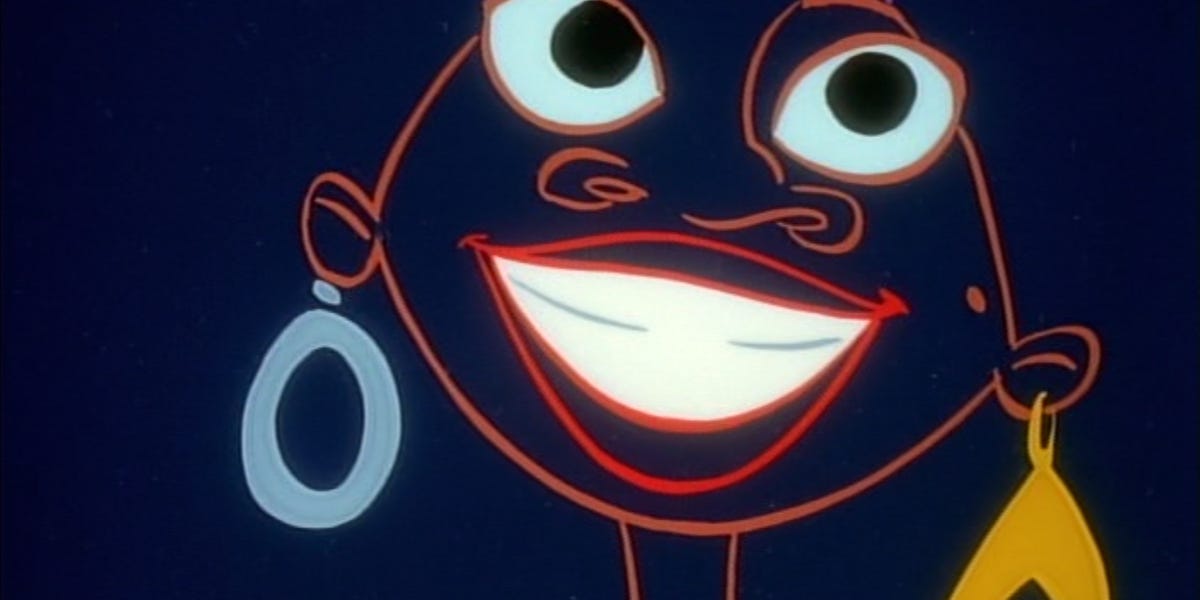
Example of visual style of Betty Boop

Betty Boop

Betty Boop is a visual style that emerged in the 1930s and became famous for its unique blend of cartoons and fashion. Created by Max Fleischer, Betty Boop is a cartoon character known for her high-pitched voice, short bob haircut, big eyes, and stylized flapper attire. The visual style is characterized by bold and exaggerated designs, vibrant colors, and playful animations. Betty Boop gained popularity for her saucy and suggestive nature, making her a cultural icon of the Jazz Age.

View StyleExplore Style

Example of visual style of Brad Bird

Brad Bird

Brad Bird is a renowned artist known for his distinct style in animation. His visual style is characterized by its dynamic and energetic movements, detailed backgrounds, and a combination of realistic and exaggerated character designs. Bird rose to prominence in the late 1990s and early 2000s with his work on the animated films 'The Iron Giant' (1999) and 'The Incredibles' (2004). The artistic choices and storytelling in these films, as well as their critical and commercial success, have made Brad Bird's style famous in the animation industry.

View StyleExplore Style
Example of visual style of Concept Art Illustration

Concept Art Illustration

Concept Art Illustration is a style of visual art that is used for designing and developing ideas for various media, particularly for films, video games, and animation. It emerged in the mid-20th century and gained popularity in the 1970s and 1980s. This style became famous for its ability to create imaginative and fantastical worlds and characters through detailed and often highly rendered illustrations. Concept artists are known for their use of vibrant colors, intricate details, and strong storytelling elements.

View StyleExplore Style
Example of visual style of Daffy Duck

Daffy Duck

Daffy Duck is a visual style associated with the Looney Tunes character of the same name. It emerged in the late 1930s and became particularly famous during the 1940s and 1950s. This style is characterized by Daffy Duck's exaggerated and zany appearance, featuring a white feathered body, orange beak, and wide eyes. Daffy Duck's energetic and frenetic personality, known for his loud and erratic behavior, brought this visual style to life and made it iconic in the world of animation.

View StyleExplore Style
Example of visual style of Digital Media

Digital Media

Digital Media is a visual style that emerged in the late 20th century and continues to develop in the 21st century. It is characterized by the use of digital technology and computer-generated imagery to create and manipulate visual content. This style became famous with the advent of personal computers and the internet, which allowed artists, designers, and creators to explore new possibilities in visual expression. It gained prominence in the 1990s and is now widely used in various fields, including graphic design, advertising, film, animation, and video games.

View StyleExplore Style
Example of visual style of Disney Studios

Disney Studios

Disney Studios is known for its iconic and distinct visual style that has enchanted audiences for decades. Beginning in the 1920s, Disney Studios revolutionized animation with their use of character-driven storytelling and fluid, colorful animation. The style became widely recognized in the industry as 'Disney animation'. This style gained immense fame and popularity with movies like Snow White and the Seven Dwarfs (1937), The Little Mermaid (1989), and Frozen (2013), among many others. It is characterized by vibrant and expressive characters, meticulously detailed backgrounds, and an emphasis on magic and fantasy. Disney Studios' commitment to storytelling, innovation, and creating memorable characters has made this style beloved by audiences of all ages.

View StyleExplore Style
Example of visual style of Edwin Catmull

Edwin Catmull

Edwin Catmull is not specifically associated with a visual style, as he is a pioneer in the field of computer graphics and animation. He co-founded Pixar Animation Studios and contributed significantly to the development of computer-generated imagery (CGI). Catmull is known for his groundbreaking work in computer animation and his contributions to various films, including Toy Story (1995), Finding Nemo (2003), and Wall-E (2008). He played a crucial role in developing techniques such as texture mapping, motion blur, and subdivision surfaces, which revolutionized the field of computer graphics.

View StyleExplore Style
Example of visual style of Fantastic Mr Fox

Fantastic Mr Fox

The visual style of Fantastic Mr Fox is characterized by its unique blend of stop-motion animation, detailed sets, and quirky and whimsical character designs. The film was released in 2009 and was directed by Wes Anderson, known for his distinctive visual style and storytelling. Fantastic Mr Fox gained fame for its charming and nostalgic aesthetic, which brought the beloved Roald Dahl story to life with a combination of handmade craftsmanship and modern techniques.

View StyleExplore Style
Example of visual style of Fleischer Studios

Fleischer Studios

Fleischer Studios was a pioneering animation studio known for its unique visual style in the 1920s-1940s. They were famous for their distinctive rubber hose animation technique and their ability to blend live-action footage with animation. Fleischer Studios was responsible for creating iconic characters such as Betty Boop and Popeye the Sailor, along with producing the first feature-length animated film, Snow White (not to be confused with Disney's later adaptation).

View StyleExplore Style
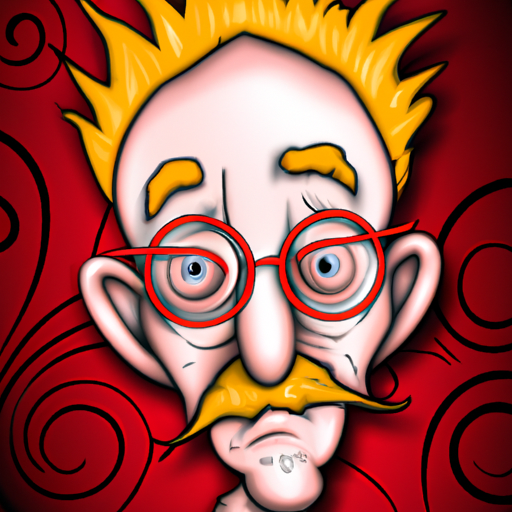
Example of visual style of Gaston Beauty And The Beast

Gaston Beauty And The Beast

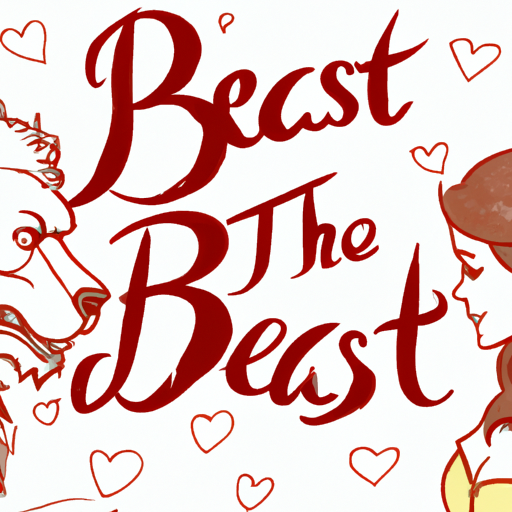
The Gaston Beauty And The Beast style is a visually striking and iconic style that emerged in the early 1990s with the release of the Disney animated film 'Beauty And The Beast.' This style became famous for its vibrant colors, bold lines, and exaggerated proportions. The characters in this style often have larger-than-life features, exaggerated facial expressions, and strong physical attributes. The dynamic and expressive animation captivated audiences and made 'Beauty And The Beast' a turning point in animation history.

View StyleExplore Style
Example of visual style of Gennedy Tartakovsky

Gennedy Tartakovsky

Gennedy Tartakovsky is a visual creator known for his distinctive animation style characterized by fluid and exaggerated motion, bold colors, and simplified character designs. His style became famous in the late 1990s and early 2000s through his critically acclaimed animated shows such as Samurai Jack and Dexter's Laboratory. Tartakovsky's animation style combines elements of traditional hand-drawn animation with a modern and dynamic approach, captivating audiences with his visually stunning and highly energetic animations.

View StyleExplore Style
Example of visual style of Golden Age Of American Animation

Golden Age Of American Animation

The Golden Age of American Animation refers to the period between the 1920s and 1960s when animation in the United States experienced a significant rise in quality and popularity. During this era, animation studios like Walt Disney Productions, Warner Bros. Cartoons, and MGM produced iconic cartoon characters and films that became cultural phenomena. The use of Technicolor, intricate hand-drawn animation, and the development of synchronized sound were key factors that contributed to the success and fame of this style.

View StyleExplore Style
Example of visual style of John Musker

John Musker

John Musker is an American director, screenwriter, and producer known for his work in the animation industry. He is famous for his collaboration with Ron Clements, together known as 'Musker and Clements'. Their visual style became popular in the late 1980s and 1990s, with films like 'The Little Mermaid' (1989), 'Aladdin' (1992), and 'Hercules' (1997). Musker's style is characterized by vibrant colors, fluid animation, and a blend of traditional hand-drawn animation with computer-generated imagery. His films often incorporate musical numbers and feature visually stunning fantasy worlds.

View StyleExplore Style

Example of visual style of June Foray

June Foray

June Foray is not a visual style but rather a renowned voice actress who worked in the animation industry. She was active from the 1940s to the 2010s, making her famous for her versatile and distinct voice acting skills. Her career spanned over several decades, and she provided voices for numerous iconic characters in classic cartoons like Granny from Looney Tunes, Rocky the Flying Squirrel from The Rocky and Bullwinkle Show, and Cindy Lou Who from How the Grinch Stole Christmas. June Foray's influential contributions to animation have left a lasting impact on the industry.

View StyleExplore Style

Example of visual style of Looney Tunes

Looney Tunes

Looney Tunes is a visual style that originated in the 1930s and gained immense popularity during the mid-20th century. It is renowned for its comedic and slapstick animation, colorful and exaggerated characters, and fast-paced storytelling. Looney Tunes became famous for its iconic roster of characters, including Bugs Bunny, Daffy Duck, Porky Pig, and Tweety Bird, among others. The style is characterized by its rapid movements, exaggerated facial expressions, and over-the-top physical humor. Looney Tunes is primarily associated with animated short films, which were widely acclaimed for their wit, charm, and timeless entertainment value.

View StyleExplore Style
Example of visual style of Monty Python

Monty Python

Monty Python is a visually eccentric and surreal comedic style that emerged in the late 1960s and became famous through the comedic group Monty Python, including its members Graham Chapman, John Cleese, Terry Gilliam, Eric Idle, Terry Jones, and Michael Palin. The visual style is characterized by its unique blend of absurdity, satire, and animation, often featuring bizarre costumes, exaggerated physical movements and expressions, hand-drawn animations, and surreal art direction. This style gained significant fame through the television series 'Monty Python's Flying Circus' (1969-1974) and later through their films like 'Monty Python and the Holy Grail' (1975) and 'Monty Python's Life of Brian' (1979).

View StyleExplore Style

Home