StylopediaStylopedia

Three-dimensional styles on Stylopedia

A visual encyclopedia of Three-dimensional styles – use as prompt inspiration for Midjourney, Gemini, or ChatGPT AI when making Three-dimensional images

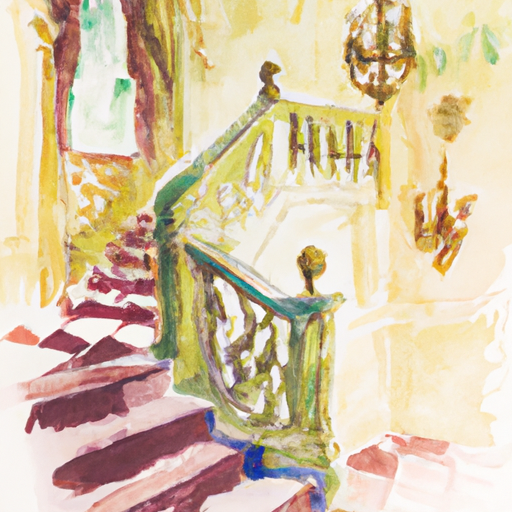
Example of visual style of Fiona Tang

Fiona Tang

Fiona Tang is a contemporary artist known for her stunning large-scale charcoal drawings. Her style combines realistic and surreal elements, creating immersive and visually captivating pieces. Tang gained significant recognition for her work in 2012 when she started incorporating trompe l'oeil techniques in her drawings. This technique, along with her meticulous attention to detail and skilled shading, gives her artwork a three-dimensional feel, as if the subjects are emerging from the paper. Tang's art often features animals, emphasizing the connection between humans and the natural world.

View StyleExplore Style
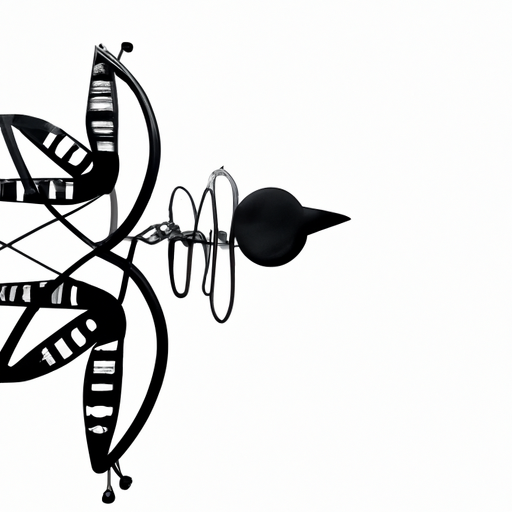
Example of visual style of Giotto Di Bondone

Giotto Di Bondone

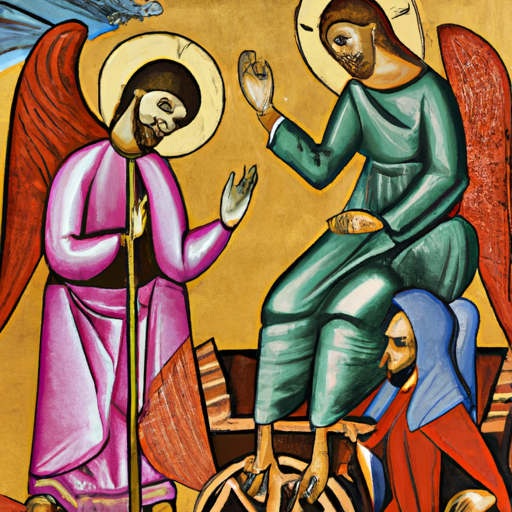
Giotto Di Bondone was an Italian painter during the late Middle Ages. He is considered one of the pioneers of the Renaissance art movement. Giotto's style marked a significant departure from the flatness and stylization of Byzantine art that dominated the period. He introduced a more naturalistic approach and three-dimensional space in his paintings, which had a profound influence on subsequent artists. Giotto's frescoes in the Scrovegni Chapel in Padua, completed around 1305, brought him great recognition and are renowned for their emotional depth and realism.

View StyleExplore Style
Example of visual style of Installation Art

Installation Art

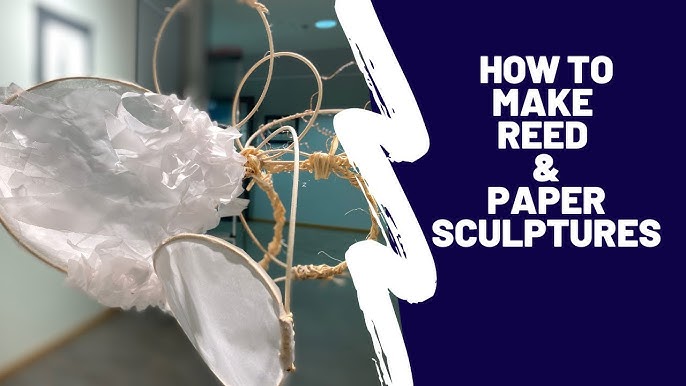
Installation Art is a contemporary art form that emerged in the 1960s and became increasingly popular in the 1990s. It involves creating immersive, three-dimensional environments or site-specific installations that often incorporate various materials and elements. Installation art challenges traditional notions of art by transforming the exhibition space into an active and participatory environment. Some famous examples include Yayoi Kusama's 'Infinity Mirror Rooms' and Christo and Jeanne-Claude's large-scale outdoor installations.

View StyleExplore Style
Example of visual style of Lucio Fontana

Lucio Fontana

Lucio Fontana was an Argentinian-Italian artist known for his pioneering work in the fields of spatialism and conceptual art. He is most famous for his series of slashed paintings, created from the late 1940s to the 1960s. Fontana's slashes on the canvas marked a radical departure from traditional painting, introducing a three-dimensional element and blurring the boundaries between painting and sculpture. His exploration of space, light, and materiality influenced subsequent generations of artists.

View StyleExplore Style
Example of visual style of Pop Up Books

Pop Up Books

Pop Up Books is a visual style that involves creating three-dimensional images that physically 'pop up' from the pages of a book. This style became famous in the late 19th century with the publication of 'The Pop-up Book of Nursery Rhymes' by Ernest Nister. It gained further popularity in the 20th century through the works of artists such as Vojtěch Kubašta and Robert Sabuda. The intricate paper engineering and clever use of folding techniques are the key elements that make Pop Up Books stand out.

View StyleExplore Style
Example of visual style of Sculpture

Sculpture

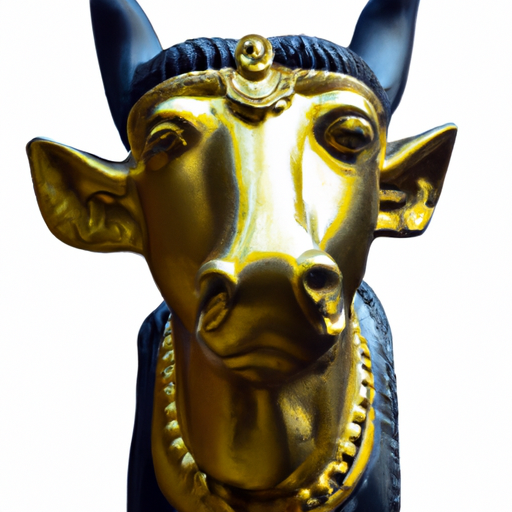
Sculpture is a three-dimensional art form that involves shaping and creating figures, objects, or abstract forms from various materials such as stone, wood, clay, metal. It has been practiced throughout history, with significant developments during the ancient civilizations of Greece and Rome. Sculpture gained prominence during the Renaissance era, with Michelangelo's works becoming iconic. This style is characterized by the use of various techniques like carving, modeling, and assembling to create physical forms that can be observed from all angles.

View StyleExplore Style
Home