StylopediaStylopedia

Renaissance styles on Stylopedia

A visual encyclopedia of Renaissance styles – use as prompt inspiration for Midjourney, Gemini, or ChatGPT AI when making Renaissance images

Example of visual style of Albrecht Durer

Albrecht Durer

Albrecht Durer, a German artist of the Renaissance period, was known for his meticulous attention to detail and technical skill. Active in the late 15th and early 16th centuries, Durer's work became famous for its realistic and precise portrayal of the natural world. His style is characterized by intricate linework, rich textures, and a strong sense of composition. Durer's prints, engravings, and paintings often featured religious and mythological subjects, as well as landscapes and portraits. His exceptional talent and innovative techniques made him one of the most influential artists of his time.

View StyleExplore Style
Example of visual style of Andrea Del Verrocchio

Andrea Del Verrocchio

Andrea Del Verrocchio was an Italian sculptor and painter who lived during the Renaissance. His visual style was characterized by the revival of classical forms and a naturalistic approach. Active between the late 15th and early 16th century, Verrocchio's art was known for its meticulous attention to detail, exquisite craftsmanship, and a sense of dynamic movement. He was famous for his ability to depict human emotions and his revolutionary use of perspective. Verrocchio's works, such as his bronze statue of David and his painting The Baptism of Christ, are considered masterpieces of the Renaissance period.

View StyleExplore Style
Example of visual style of Annibale Carracci

Annibale Carracci

Annibale Carracci was an Italian painter of the late 16th and early 17th centuries. He is widely recognized as one of the founders of the Baroque style of painting. Carracci's work is characterized by a naturalistic and classical approach, blending elements of Renaissance art with a new emphasis on dramatic effects and emotional expression. His famous works include 'The Assumption of the Virgin' (1600-1601) and 'The Flight into Egypt' (1603-1604). Carracci's innovative use of light and color, along with his skillful composition and attention to detail, made him a prominent figure in the development of the Baroque movement.

View StyleExplore Style
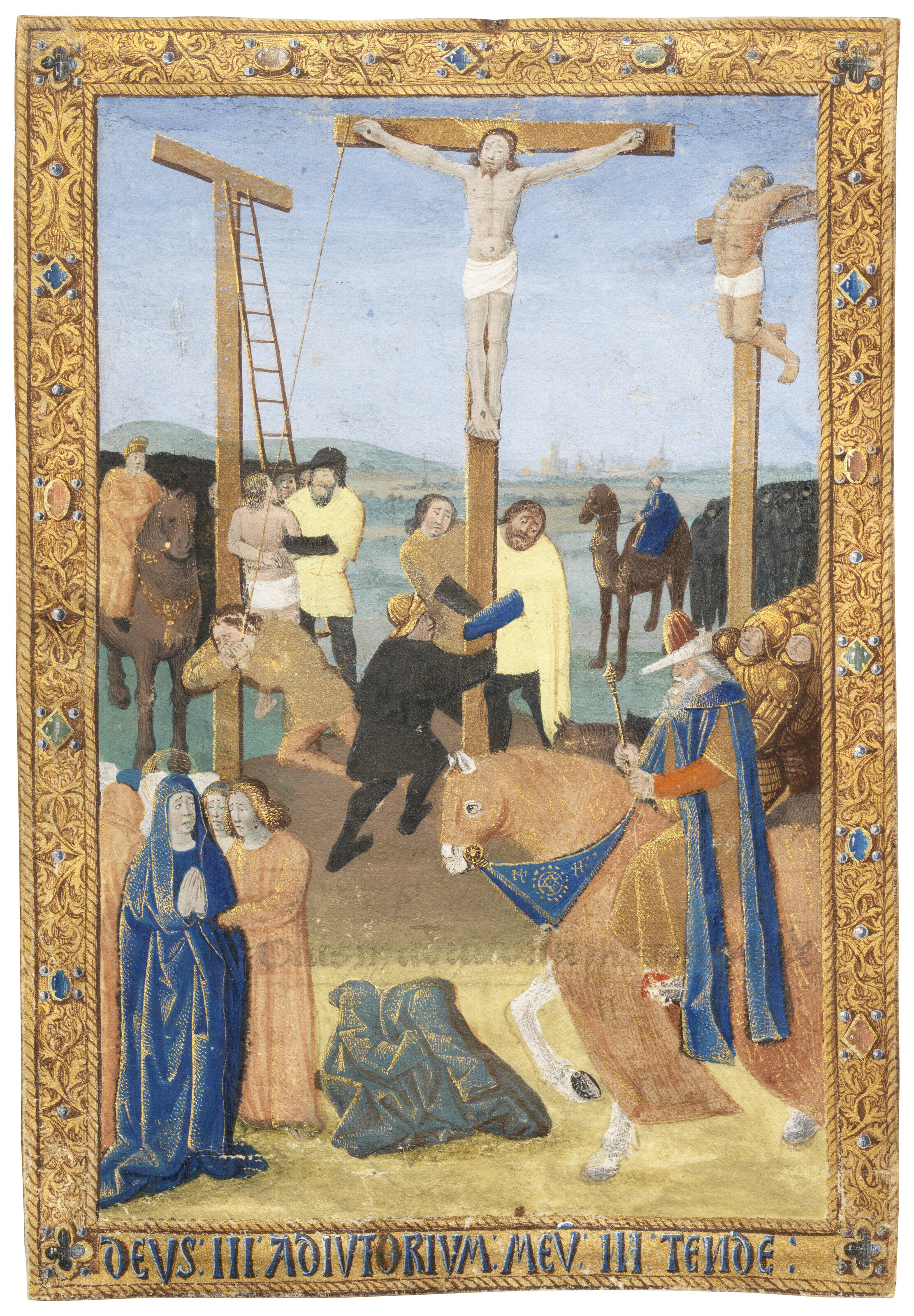
Example of visual style of Book Design

Book Design

Book Design is a style of visual presentation and layout used in the design of printed and digital books. It emerged during the Renaissance period in the 15th century with the invention of the movable type printing press by Johannes Gutenberg. This innovation made books more accessible and sparked a revolution in book design and production. Book Design focuses on typography, page layout, and overall visual presentation, aiming to enhance the reading experience and convey the content in a visually pleasing and organized manner.

View StyleExplore Style
Example of visual style of Catalan Art

Catalan Art

Catalan Art is an artistic style that emerged in Catalonia, a region in northeastern Spain, during the late 19th and early 20th centuries. It gained prominence during the Modernisme movement, which was characterized by its emphasis on national identity and its rejection of the prevailing academic art. The style is known for its intricate and decorative designs, vibrant colors, and the integration of local traditions, folklore, and symbolism. Catalan Art became famous for its representation of the cultural and artistic renaissance happening in Catalonia at the time. Notable years for Catalan Art include the late 19th century to the early 20th century, with the works of artists such as Antoni Gaudí, Ramon Casas, and Joan Miró leaving a lasting impact on the style.

View StyleExplore Style
Example of visual style of Cellini

Cellini

Cellini is a visual style that emerged in the Renaissance period, particularly during the 16th century. It is named after the renowned Italian artist and goldsmith, Benvenuto Cellini. This style is characterized by its intricate and ornate designs, often featuring delicate details and rich embellishments. Cellini became famous for his exquisite metalwork, sculptures, and jewelry, which exemplified the elegance and skill of this style. The Cellini visual style gained popularity for its opulence and craftsmanship, attracting wealthy patrons and establishing a new standard of luxury and beauty in art and design.

View StyleExplore Style
Example of visual style of Costume Design

Costume Design

Costume design is the art of creating clothing and accessories for characters in theater, film, or television productions. It involves designing outfits that reflect the personality, time period, and story of the characters. Costume design became prominent during the Renaissance period and has continued to evolve with advancements in materials and techniques. The famous costume designer Edith Head helped popularize the field during the Golden Age of Hollywood.

View StyleExplore Style
Example of visual style of Court Nobles

Court Nobles

Court Nobles is a visual style that emerged during the Renaissance in Europe, particularly in the 16th and 17th centuries. This style was predominantly associated with the aristocratic class and the royal courts of the time. Court Nobles became famous for its lavish and opulent aesthetics, characterized by ornate details, rich colors, and luxurious materials. It reflected the wealth and prestige of the ruling class, showcasing their power and grandeur through the visual arts and fashion.

View StyleExplore Style
Example of visual style of Engravers

Engravers

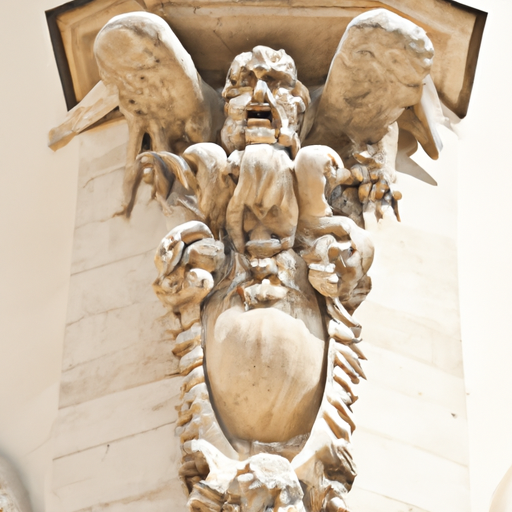
Engravers is a visual style that emerged in the 15th century and became popular during the Renaissance. It is known for its intricate and detailed use of lines and crosshatching to create highly realistic and precise images. This style gained fame for its ability to replicate the appearance of engravings and etchings using various printing techniques. Engravers achieved great popularity during the 16th and 17th centuries, particularly in Europe, and continues to be admired for its meticulous craftsmanship and attention to detail.

View StyleExplore Style
Example of visual style of Fine Art

Fine Art

Fine Art is a style of visual art that emerged during the Renaissance in the 14th century and continues to the present day. It encompasses a wide range of artistic expressions, including painting, sculpture, printmaking, and drawing. Fine Art is characterized by its emphasis on aesthetic and intellectual qualities rather than practical or utilitarian concerns. It is often associated with the pursuit of beauty, creativity, and self-expression. Some famous fine art movements include the Renaissance, Baroque, Impressionism, and Abstract Expressionism.

View StyleExplore Style
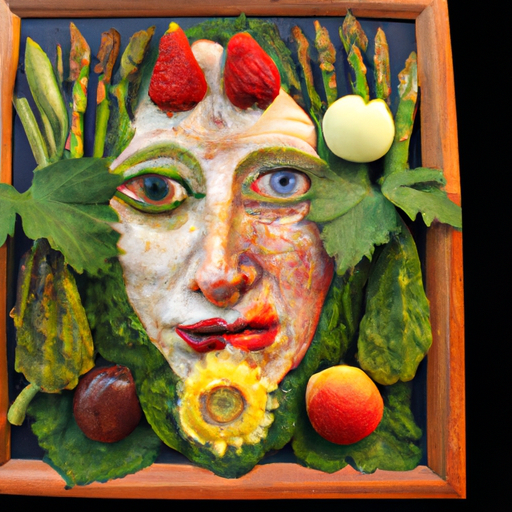
Example of visual style of Giuseppe Arcimboldo

Giuseppe Arcimboldo

Giuseppe Arcimboldo was an Italian painter known for his imaginative and unique style, often referred to as 'composite portraiture'. He rose to fame during the late 16th century in Renaissance Europe. Arcimboldo's distinctive artistic approach involved creating portraits by assembling various objects such as fruits, vegetables, flowers, and even books, into human forms. This experimental technique challenged traditional portraiture and showcased his exceptional creativity and skill.

View StyleExplore Style
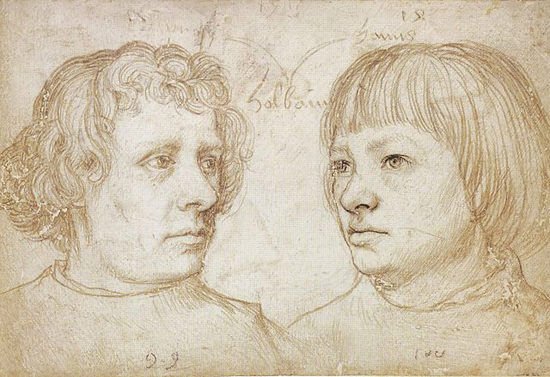
Example of visual style of Hans Holbein The Younger

Hans Holbein The Younger

Hans Holbein the Younger was a German artist and painter who lived during the 16th century. He is best known for his highly detailed and realistic portraits, particularly of the English royal court. Holbein's style was characterized by his meticulous attention to detail, the use of vibrant colors, and a strong emphasis on capturing the likeness and personality of his subjects. His portraits often exuded a sense of dignity and elegance, showcasing the refinement and grandeur of the Renaissance era. His work became famous for its lifelike representation and ability to capture the complex textures and materials of clothing and jewelry. Holbein's style reached its height of popularity during his time in England, where he painted prominent figures such as King Henry VIII and his wives. His meticulous technique and ability to portray individuals with utmost realism made him one of the most renowned portrait artists of his time.

View StyleExplore Style
Example of visual style of Italian Art

Italian Art

Italian Art refers to the visual style that emerged in Italy between the 13th and 17th centuries. It encompasses various artistic movements such as the Renaissance, Baroque, and Mannerism. Italian Art gained fame for its remarkable attention to detail, use of perspective, and the realistic portrayal of human figures. Artists during this period, such as Leonardo da Vinci, Michelangelo, and Raphael, were known for their mastery in capturing the essence of beauty and a sense of humanism in their works. Italian Art played a pivotal role in shaping the history of Western art.

View StyleExplore Style
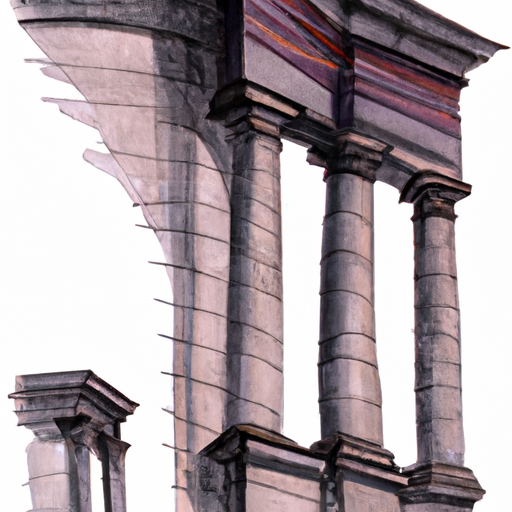
Example of visual style of Leon Battista Alberti

Leon Battista Alberti

Leon Battista Alberti was an Italian Renaissance architect, art theorist, and humanist. He is best known for his book 'De re aedificatoria' (On the Art of Building), which outlined the principles of architecture and influenced the development of Renaissance architecture. The style associated with Alberti is characterized by balance, symmetry, and classical proportions. It emphasizes the use of geometric forms, such as arches, columns, and domes. Alberti's ideas and writings played a significant role in the revival of classical architecture during the Renaissance.

View StyleExplore Style
Example of visual style of Leonardo Da Vinci

Leonardo Da Vinci

Leonardo Da Vinci was an Italian polymath who lived during the Renaissance period (1452-1519). He is known for his versatility in art, science, and inventions. Da Vinci's visual style is characterized by a combination of meticulous detail and lifelike portrayal of subjects. His artwork is famous for its use of chiaroscuro, which refers to the contrast between light and shadow. Da Vinci's most famous works, such as 'The Last Supper' and 'Mona Lisa,' have achieved iconic status and continue to captivate audiences with their enigmatic expressions.

View StyleExplore Style
Example of visual style of Mythological Art

Mythological Art

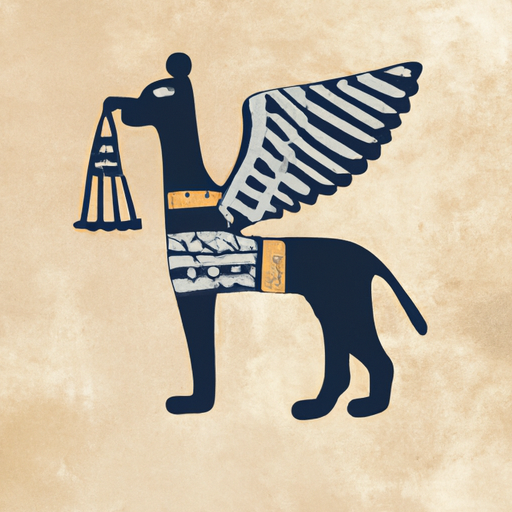
Mythological Art is a visual style that emerged in ancient civilizations and later reemerged during the Renaissance and Neoclassical periods. It depicts mythological themes and figures from various cultures, including Greek, Roman, Egyptian, and Norse mythologies. Notable years for this style include the ancient Greek and Roman periods, as well as the revival during the 15th to 19th centuries. Mythological Art became famous for its intricate detailing, vibrant colors, and grandiose compositions. It often portrays gods, goddesses, heroes, and supernatural creatures, showcasing epic narratives and symbolic representations.

View StyleExplore Style
Example of visual style of Palazzo Farnese

Palazzo Farnese

Palazzo Farnese is a Renaissance architectural style known for its grandeur and elegance. Built between 1514 and 1589, the palazzo is located in Rome, Italy. Designed primarily by Renaissance architects Antonio da Sangallo the Younger and Michelangelo, this style became famous for its harmonious proportions, monumental facade, and intricate details. The palazzo's massive dimensions and opulent interior decorations, such as frescoes by renowned artists like Annibale Carracci, further contributed to its fame.

View StyleExplore Style
Example of visual style of Pre Raphaelite Brotherhood

Pre Raphaelite Brotherhood

The Pre Raphaelite Brotherhood was a mid-19th century artistic movement in England. It was famous for its meticulous attention to detail, vibrant colors, and a return to the religious and literary themes of the early Renaissance. The members of the Brotherhood sought to reject the industrialization and mass production of the Victorian era, and instead focused on producing art in a more sincere and genuine manner. They aimed to capture beauty in its purest form, often depicting scenes from mythology, literature, and history. The movement gained significant recognition and influence in the art world during its peak years from 1848 to 1853.

View StyleExplore Style
Example of visual style of Sir Edward Burne-Jones

Sir Edward Burne-Jones

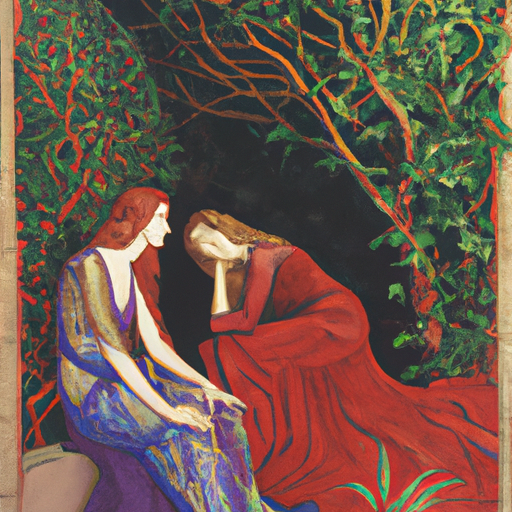
Sir Edward Burne-Jones was an English artist and designer associated with the Pre-Raphaelite movement. Born in 1833, he was one of the most prominent figures in the late 19th-century British art scene. Burne-Jones's style is characterized by its romantic and mythical subject matter, intricate compositions, and meticulous attention to detail. He drew inspiration from Renaissance art, medieval legends, and classical mythology. His works often feature elongated figures, rich colors, and decorative patterns. Burne-Jones's art was known for its dreamlike and ethereal quality, transporting viewers into a mystical, otherworldly realm. His illustrations, stained glass windows, tapestries, and paintings gained him recognition and admiration both in his lifetime and posthumously.

View StyleExplore Style
Home